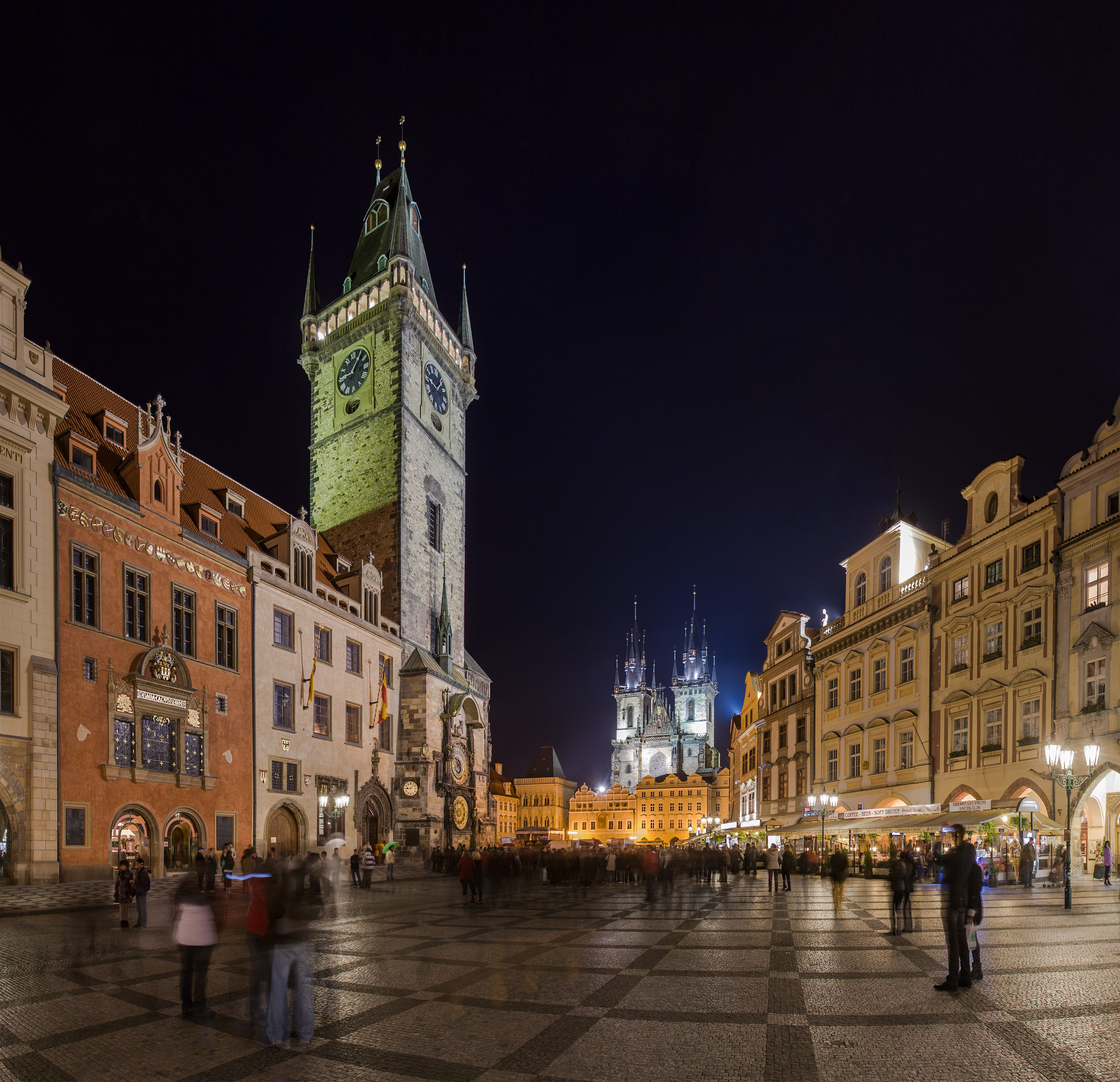
Countries: czechia

  • Charles Square — Charles Square Prague, the Largest Square of the New Town

    Charles Square — Charles Square Prague, the Largest Square of the New Town

    Charles Square is the largest square of Prague’s New Town, a park ringed by history. It began as a cattle market in 1348 and anchors the southern old city.

    Karlovo náměstí, the Czech name of the square, means Charles Square, and it honours King Charles the Fourth, who founded the New Town and the square in the same year. The square covers about 80,550 square metres, making it the largest square in Czechia and one of the largest in Europe, yet it feels more like a city park than a square. Unlike the paved Old Town Square, charles square prague is a rectangle of lawns, old trees and statues, where the people of Prague eat lunch, students read and travellers rest on the way to Vyšehrad.

    The square lies south of the New Town, about 800 metres south of Wenceslas Square and about one and a half kilometres north of Vyšehrad, and it works as a natural stop on the walk between the two. A slow visit suits charles square prague, since its history runs from a medieval cattle market to a Hussite defenestration, a Jesuit church and a nineteenth-century park, all inside one green rectangle. The park draws walkers who search for charles square prague and stay for the quiet.

    Quick Facts

    Fact Detail
    Name Charles Square, Czech Karlovo náměstí
    Location New Town, Prague 2, Czechia, south of Wenceslas Square
    Coordinates 50.07583° N, 14.42083° E
    Country Czechia
    Area About 80,550 square metres, about 550 metres long and 150 metres wide
    Founded 1348, by King Charles the Fourth, as a cattle market
    Old name Dobytčí trh, Cattle Market, until the renaming of 1848
    Language Czech, with English widely used in tourist areas
    Currency Czech koruna
    Time zone CET (UTC+1), CEST (UTC+2) in summer
    Best-known sights New Town Hall, Church of Saint Ignatius, Faust House, park statues
    UNESCO connection Inside the Historic Centre of Prague, inscribed 1992, reference 616
    Wikidata Q1514053

    Geography of Charles Square

    Position in the New Town

    Charles Square stands in the southern half of the New Town, the district that King Charles the Fourth laid out in 1348 when he tripled the area of Prague. The New Town lies between the Old Town to the north and Vyšehrad Castle to the south, and the square sits at the centre of the southern New Town, on ground that slopes gently down towards the Vltava river to the west. The square lies about 800 metres south of Wenceslas Square, about one and a half kilometres south of the Old Town Square and about one and a half kilometres north of Vyšehrad. This position makes charles square prague a natural stop on the walking route from the centre of Prague to Vyšehrad, and a southern gateway to the old city.

    The square is a long rectangle, about 550 metres long and 150 metres wide, with a park in the middle and streets running around all four sides. The park takes up most of the area, with paved paths, lawns, old trees and flower beds, divided in two by a walking path that runs through the middle. Around the park run streets with trams, buses and cars, and buildings of three to five storeys stand on every side.

    A visitor who looks for charles square prague finds a place unlike the paved squares of the Old Town, since this one is green, quiet and closer in feeling to a city park than to a market square. First-time visitors often reach charles square prague on foot from Wenceslas Square without noticing the change of district.

    The Park and Its Monuments

    The park in the middle of the square is the green heart of the New Town, with old trees, wide lawns and paved paths. Trees were planted here in the nineteenth century, when the square changed from a market into a public park, and today the old trees shade the whole square in summer. The park holds several monuments, the best known being the statues of the poet Eliška Krásnohorská, the writer Karel Hynek Mácha and the scientist Jan Evangelista Purkyně, together with a fountain and a small chapel. These monuments turn charles square prague into an open-air museum of nineteenth-century Czech culture, and many walking tours of Prague stop here for that reason.

    The park changes with the seasons, and its character changes with it. In spring the cherry trees flower, in summer the lawns fill with picnics and students, and in autumn the old trees turn gold, making the square one of the finest places in Prague to watch the leaves change. In winter snow covers the paths and the square grows quiet, yet the statues and the tower of the New Town Hall still draw walkers.

    Photographers return to charles square prague in October, when the gold of the trees fills the park. Morning is the quietest time, when only local people run and students walk to lectures, and the morning light falls on the tower of the town hall.

    Streets, the River and Transport

    The streets around the square follow the plan of Charles the Fourth, with wide straight roads crossing at right angles, unlike the winding lanes of the Old Town. The main streets are Karlovo náměstí on the east and west sides, Resslova to the north and Vyšehradská to the south, and trams run along the eastern and western sides of the square. The metro station of Karlovo náměstí stands at the north-eastern corner, on line B, and the square works as a transport hub where visitors change from the metro to the tram for Vyšehrad, Prague Castle or Smíchov. Visitors find charles square prague easy to reach from anywhere in central Prague, and the square itself is best explored on foot.

    The Vltava river flows about 800 metres west of the square, and the walk from the square to the river takes about ten minutes through quiet streets of the New Town. The Palacký Bridge, one of the old bridges of Prague, joins the New Town to Smíchov on the western bank, and a long riverside path runs along the water where the people of Prague run, cycle and watch the sunset. Resslova street to the north joins the square to the river and the Jirásek Bridge, while Vyšehradská street to the south joins it to Vyšehrad Castle. The slope of the square runs gently down from east to west towards the river and from north to south towards Vyšehrad, and the slope is slight enough for any walker, yet it opens different views, with the town hall tower and Saint Ignatius Church to the east and the river and the hills to the west.

    Climate and the Seasons

    Prague has a mild continental climate, with warm summers and cold winters, and Charles Square looks its best in spring and autumn, when the trees of the park change colour and the weather is kind. July averages about 19 to 20 degrees Celsius, January averages about zero, and snow falls often in winter. The park is one of the finest places in Prague to see cherry blossom in spring and golden leaves in autumn, and in summer the lawns fill with local people picnicking and students studying. A visitor who seeks charles square prague should come in the early morning or the late afternoon, when the light is best and the park is quietest.

    A view of Charles Square

    A view of Charles Square — CC BY-SA 2

    History of Charles Square

    The Foundation of Charles the Fourth

    Charles Square was founded in 1348, when King Charles the Fourth, Holy Roman Emperor and King of Bohemia, decided to enlarge Prague by building the New Town, a new district three times the size of the Old Town. Charles the Fourth was one of the great kings of medieval Europe, and he turned Prague into the capital of the Holy Roman Empire, founded Charles University in 1348 and built the Charles Bridge, Prague Castle and Saint Vitus Cathedral. The New Town was planned with three great squares, Wenceslas Square, Charles Square and Senovážné Square, and Charles Square was the largest of the three. At first the square was called Dobytčí trh, the Cattle Market, since it was the place where cattle, horses, hay and firewood were sold, and it stayed the largest market in Prague for centuries.

    The square was born in the same great building programme as Charles University and the Charles Bridge, and its scale shows the ambition of the king. The New Town Hall was built from 1348 as the administrative centre of the New Town, and its tower, about 70 metres high, was one of the tallest in medieval Prague. The square served as a market, a place of public execution with a gallows at its centre and a ground for great festivals and fairs.

    The scale of the market still shapes charles square prague today, since the rectangle has never been built over. For centuries the square was the working heart of the New Town, noisy, crowded and full of farmers from across Bohemia bringing cattle, horses and produce to sell.

    Defenestration, Jesuits and the Baroque

    In 1419 the Hussite Wars began with the First Defenestration of Prague, when Hussites threw Catholic councillors from the windows of the New Town Hall down onto the square. The event is one of the most famous in Czech history, and it is the reason many travellers seek charles square prague, to stand where the defenestration happened. The town hall still stands at the northern side of the square, and its Gothic chapel and tower keep the memory of that day in stone.

    The seventeenth century changed the square again, when the Jesuits built the Church of Saint Ignatius on its western side, from 1665 to 1678, in the Early Baroque style. The church is one of the finest Baroque churches in Prague, with an ornate facade and an interior painted with frescoes of the life of Saint Ignatius of Loyola. At the same time the Jesuits built a school nearby, and the area around the square became a centre of Catholic education. In the eighteenth century the square was paved and planted with trees, and it began its slow change from a market into a public space.

    From Market to Park

    In 1848, during the revolutions of that year, the square was renamed Karlovo náměstí, Charles Square, in honour of King Charles the Fourth, its founder. The nineteenth century turned the square fully into a public park, with trees, paths and monuments, and the buildings around it were rebuilt in Neo-Renaissance and Neo-Baroque styles. In 1985 the metro station of Karlovo náměstí opened on line B, and the square became the transport hub it remains today. In 1992 the Historic Centre of Prague, which includes the square, was inscribed by UNESCO, and the square gained its place in the World Heritage listing.

    Today Charles Square is a quiet park in the centre of Prague, where local people rest and students study, and a stop on the walking route from the centre to Vyšehrad. The market is long gone, the gallows is long gone, yet the scale of the square still shows the ambition of Charles the Fourth, and the monuments in the park still tell the story of Czech culture in the nineteenth century. A traveller who slows down finds charles square prague rewarding, since its history is written in its buildings, its statues and its trees rather than in a single sight.

    Timeline

    Year Event
    1348 King Charles the Fourth founds the New Town and the square, first a cattle market
    1348 New Town Hall built as the centre of the New Town
    1419 First Defenestration of Prague at the New Town Hall, start of the Hussite Wars
    1665 to 1678 Church of Saint Ignatius built by the Jesuits
    1848 Square renamed Karlovo náměstí, Charles Square
    1800s Square turned fully into a public park
    1985 Metro station Karlovo náměstí opens on line B
    1992 Historic Centre of Prague inscribed by UNESCO, reference 616

    Travel to Charles Square

    Walking the Square

    The best way to see charles square prague is on foot, starting at the metro station of Karlovo náměstí at the north-eastern corner and walking around the park. The loop runs about one and a half kilometres, takes about forty-five minutes without stops, and passes every important point of the square, from the New Town Hall in the north to Saint Ignatius Church in the west, the statues of Eliška Krásnohorská and Karel Hynek Mácha in the park and the Neo-Renaissance buildings in the east. The loop is the classic route of charles square prague for walkers. From the square a traveller can walk south to Vyšehrad Castle in about twenty minutes, or north to Wenceslas Square in about ten minutes, and both walks are pleasant in any season.

    The square suits a slow morning, when the park is quiet and the light falls on the tower of the town hall. A traveller who climbs the tower finds one of the least crowded viewpoints in Prague, with a panorama over the New Town, the river and the hills. The park benches suit a rest between sights, and the cafés around the square serve the students of Charles University, whose faculties stand nearby. A pause in a busy day is what charles square prague offers, and that pause is part of its charm.

    When to Go

    May to September is the best time for charles square prague, when the park is green, the trees are in full leaf and the weather is warm, with temperatures of about 18 to 25 degrees. October brings golden leaves, when the park becomes one of the finest places in Prague to watch autumn, and December to February brings cold, with temperatures that can fall below zero, yet the square under snow has a beauty of its own, and the Christmas market at Wenceslas Square lies a short walk away. Snow gives charles square prague a different beauty, and the square stays open through the cold months. Early morning is the quietest time, when the park holds only local runners and students on their way to lectures, and the morning light falls on the tower of the New Town Hall.

    Getting There

    Charles Square is a transport hub of Prague, with the metro station of Karlovo náměstí on line B and many tram lines running along the eastern and western sides of the square. From the Old Town Square, a traveller takes line B from Můstek station to Karlovo náměstí, a ride of about five minutes. From Prague Castle, the tram reaches the square in about twenty minutes.

    From Václav Havel Airport, a bus to the metro and a change to line B takes about forty-five minutes in total. From Vienna, the train to Prague takes about four hours, and the square lies in the centre of the city, so it can be reached on foot from most of the main sights of the Old Town and the New Town.

    The square lies in the central zone of Prague, and its streets are flat enough for any walker. Trams and the metro run often, and a day ticket covers both, together with the buses. A traveller who plans charles square prague as part of a longer walk should allow time for Vyšehrad to the south, since the castle, the Church of Saint Peter and Paul and the national cemetery make a fine extension to the visit.

    Notable Places in Charles Square

    New Town Hall is the most important building on Charles Square, built from 1348 as the administrative centre of the New Town for centuries. Its tower, about 70 metres high, can be climbed for a panorama over Prague, and its Gothic chapel holds stained glass windows. The town hall is where the First Defenestration of Prague happened in 1419, the event that opened the Hussite Wars, and today it hosts exhibitions and concerts.

    The tower is one of the least crowded viewpoints in Prague, and it is the reason many travellers seek charles square prague. The tower climb is the highest point of charles square prague for most visitors.

    Church of Saint Ignatius is the finest Baroque church on the square, built from 1665 to 1678 by the Jesuits, with an ornate facade and an interior painted with frescoes of the life of Saint Ignatius of Loyola. The church stands on the western side of the square, and it is one of the earliest Baroque churches in Prague. Beside the church stands the former Jesuit school, today part of Charles University, and the two buildings together show how the square became a centre of Catholic learning in the seventeenth century.

    Faust House stands on the southern side of the square, a Baroque house with the legend of Doctor Faust, said to have sold his soul to the devil, and one of the most famous haunted houses in Prague. The legend draws visitors who know the story from literature, and the house is a reminder that Prague keeps its myths close to its streets. The house is best seen from the park, where its facade rises above the trees.

    Church of Saint Cyril and Methodius stands near the square on Resslova street, and it is a national memorial rather than a parish church. After the assassination of Reinhard Heydrich in 1942, the Czech parachutists who carried it out hid in the crypt of this church, and the church today honours their memory. The crypt and the memorial are a sombre stop near charles square prague, and they show a different century of Czech history from the medieval square itself.

    The Park Statues turn the square into an open-air museum of nineteenth-century Czech culture. The statue of the poet Eliška Krásnohorská, the statue of the writer Karel Hynek Mácha and the statue of the scientist Jan Evangelista Purkyně stand among the trees, together with a fountain and a small chapel. A walk past the statues is a short course in Czech literature and science, and the statues are the reason many walking tours stop in the park. The statues give charles square prague a literary character that the other squares of Prague lack.

    The Walk to Vyšehrad begins at the southern end of charles square prague and runs along Vyšehradská street to the old fortress on the hill above the Vltava. Vyšehrad holds the Church of Saint Peter and Paul, the national cemetery and wide views over the river, and the walk takes about twenty minutes. The route joins the medieval square to the oldest fortress in Prague, and it makes a fine end to a visit.

    Charles Square, Hoxton Seen at the junction with Pitfield Street

    Charles Square, Hoxton Seen at the junction with Pitfield Street — CC BY-SA 2

    Frequently Asked Questions

    Where is charles square prague?
    Karlovo náměstí is the Czech name behind charles square prague, the largest square of the New Town in Prague, lying south of the New Town, about 800 metres south of Wenceslas Square and about one and a half kilometres north of Vyšehrad Castle. The square has the metro station Karlovo náměstí on line B and many tram lines running past it.

    Is charles square prague the largest square in Prague?
    Yes, with an area of about 80,550 square metres, Charles Square is the largest square in Prague and in Czechia, and one of the largest squares in Europe. It is larger than Wenceslas Square and the Old Town Square, and most of its area is a green park.

    Where did the First Defenestration of Prague happen?
    The First Defenestration of Prague happened in 1419 at the New Town Hall, on the northern side of Charles Square, when Hussites threw Catholic councillors from the windows down onto the square. The event opened the Hussite Wars and is one of the most famous events in Czech history.

    What is there to see at charles square prague?
    The square holds the New Town Hall with its tower of about 70 metres, the Baroque Church of Saint Ignatius, the park with statues of Eliška Krásnohorská and Karel Hynek Mácha, and the Faust House with its famous legend. The Church of Saint Cyril and Methodius, a national memorial, stands nearby on Resslova street.

    How long does it take to walk from charles square prague to Vyšehrad?
    The walk from Charles Square to Vyšehrad Castle takes about twenty minutes south along Vyšehradská street and through the parkland. The tram also runs from the square to Vyšehrad in about ten minutes, and Vyšehrad is a fortress on a hill above the Vltava, with the Church of Saint Peter and Paul and the national cemetery.

    Is charles square prague a UNESCO World Heritage property?
    The square has no UNESCO reference of its own. It forms part of the Historic Centre of Prague, inscribed by UNESCO in 1992 as reference 616 under criteria (ii)(iv)(vi), together with the Old Town Square, the Charles Bridge and Prague Castle.

    Verified

    A square of about 80,550 square metres does not hide easily, and the sources agree on its size, its founding and its name. Charles Square was founded in 1348 by King Charles the Fourth as a cattle market called Dobytčí trh, and it was renamed Karlovo náměstí in 1848, and both dates match the historical sources below. The New Town Hall dates from 1348, the First Defenestration happened in 1419, the Church of Saint Ignatius was built from 1665 to 1678, and the metro station opened in 1985.

    Charles Square carries no UNESCO reference of its own. It stands inside the Historic Centre of Prague, inscribed in 1992 as reference 616 under criteria (ii)(iv)(vi), and the listing covers the Old Town, the New Town, the Charles Bridge and Prague Castle together. The square is therefore part of an inscribed property rather than a property in itself, and that distinction is worth keeping clear.

    Charles Square entered the records in 1348, and the registry follows Wikidata item Q1514053 on every point tested: a square, founded in that year, with coordinates that match the registry exactly. The item was read on 22 November 2026.

    • The UNESCO listing for the Historic Centre of Prague and the Wikidata entry for the square were re-read on 22 November 2026 for this article, and the dates of the defenestration and the renaming were read against the same sources.

    Sources

    • Wikipedia, Charles Square: area about 80,550 square metres, founded 1348, cattle market, renamed 1848, defenestration 1419, Saint Ignatius 1665 to 1678 — https://en.wikipedia.org/wiki/Charles_Square
    • Wikipedia, New Town Prague: founding of the New Town by Charles the Fourth, three squares, Charles University 1348 — https://en.wikipedia.org/wiki/New_Town,_Prague
    • UNESCO World Heritage Centre, Historic Centre of Prague, reference 616, criteria (ii)(iv)(vi), inscribed 1992 — https://whc.unesco.org/en/list/616/
    • Wikidata API, Q1514053: instance of square, inception 1348, coordinates matching the registry — checked 22 November 2026
    • Prague City Tourism, official visitor site for the New Town and the square — https://www.prague.eu/en
    • TheTerraAtlas registry: Charles Square, parent Prague, canonical URL /en/europe/czechia/prague/charles-square/

    Unverified

    • Current opening hours and ticket prices for the tower of the New Town Hall — to be checked on the official site before travelling.
    • Current tram and metro times through the square — to be checked with the Prague transport operator before travelling.
    • Opening times of the Church of Saint Cyril and Methodius and its memorial — to be checked before travelling.
    • The claim that a first tram line ran through the square in 1883 — the sources for Prague trams give 1875 for horse trams and 1891 for electric trams, so the year 1883 needs a separate check before it is used.
    • The exact number of statues in the park — this article names the three best known, and a full count should be checked on site.

    Illustrations

    • Hero: View of Charles Square. Free image: https://upload.wikimedia.org/wikipedia/commons/8/89/Charles_Square%2C_London_Borough_of_Hackney%2C_N1_%282682127428%29.jpg — CC BY-SA 2.0.
    • In body, Charles Square: A view of Charles Square. Free image: https://upload.wikimedia.org/wikipedia/commons/c/ca/16_Charles_Square_-geograph.org.uk-_2688483.jpg — CC BY-SA 2.
    • In body, Charles Square: Charles Square, Hoxton Seen at the junction with Pitfield Street. Free image: https://upload.wikimedia.org/wikipedia/commons/a/a7/Charles_Square%2C_Hoxton_-geograph.org.uk-_1500252.jpg — CC BY-SA 2.
  • ジシュコフ 観光:労働者の町とテレビ塔とヴィートコフの丘

    ジシュコフ 観光:労働者の町とテレビ塔とヴィートコフの丘

    ジシュコフ 観光では、ジシュコフはプラハの歴史的中心の東にある地区である。地区は労働者の町として知られ、ヴィートコフの丘とテレビ塔が目印である。ジシュコフ 観光では、地区はプラハ旧市街の外に位置していることが案内に書かれている。この地では、地区は主にプラハ3区に属していることが人々の記憶に残る。

    ジシュコフ 観光では、地区の名はフス派の将軍ヤン・ジシュカに由来していると観光の案内に載っている。ジシュコフ 観光の地区は労働者の町として知られていると案内に記されている。ジシュコフ 観光では、地区はジシュコフ赤と呼ばれてきたと旅人の記録に残っている。

    ジシュコフ 観光の地区は1881年に独立した町になったと古い資料が伝えている。ジシュコフ 観光では、地区は1922年にプラハに併合されたことが地元に記されている。ジシュコフ 観光の地区の中心はヴィートコフの丘であることが公式の記録に残る。

    ジシュコフ 観光では、地区の象徴は高さ216メートルのテレビ塔であると言われている。ジシュコフ 観光の地区は酒場と劇場の多い町であることが歴史に記されている。ジシュコフ 観光では、地区はプラハの人々の暮らしが見える町であることが昔から知られている。

    ジシュコフ 観光の地区の丘からは旧市街とプラハ城が見えると地元に記されている。ジシュコフ 観光の地区は地下鉄A線で中心と結ばれていると地元の案内に載っている。ジシュコフ 観光の地区は学生と芸術家の多い町でもあることが公式に記されている。

    ジシュコフ 観光では、地区はプラハの歴史的中心の東にある内側の地区であることが今も旅人に語られる。地区はプラハ旧市街の外に位置している。地区は主にプラハ3区に属していることが記録に残っている。

    地区の名はフス派の将軍ヤン・ジシュカに由来していることが人々の記憶に残る。地区は労働者の町として知られていると歴史の本に書かれている。この地では、地区はジシュコフ赤と呼ばれてきたと地図に示されている。

    地区は1881年に独立した町になったことが今も語られている。ここでは、地区は1922年にプラハに併合されたと古い資料が伝えている。ここでは、地区の中心はヴィートコフの丘であると今も案内に書かれている。

    地区の象徴は高さ216メートルのテレビ塔であることが公式の記録に残る。この地では、地区は酒場と劇場の多い町であるとされている。地区はプラハの人々の暮らしが見える町であることが今も確かめられる。

    ここでは、地区の丘からは旧市街とプラハ城が見えることが人々の記憶に残る。ここでは、地区は地下鉄A線で中心と結ばれていることが史料に残されている。地区は学生と芸術家の多い町でもあると地元の案内に載っている。

    クイックプロフィール

    項目 内容
    地区の名前 ジシュコフはジシュコフ 観光の地区の名前である
    地区の場所 プラハの中心の東にある
    地区の座標 北緯50.0872度、東経14.4628度が地区の位置である。
    地区の由来 将軍ヤン・ジシュカの名に由来している
    地区の中心 ヴィートコフの丘と国立記念碑である
    地区の塔 テレビ塔の高さは216メートルである
    地区の教会 聖心教会はプレチニクの設計である
    地区の歴史 1881年に独立した町になり、1922年に併合された
    地区の通り セイフェルトヴァ通りとフスィツカー通りがある
    地区の地下鉄 A線の三つの駅がある
    地区の公園 リーグロヴィ・サディは夕日の名所である
    ウィキデータ テレビ塔のジシュコフの地区の座標と種類は、ウィキデータのQ378120の項目で確かめられ、地区の歩みの記録も同じ項目で見ることができる。

    地理

    丘の上の地区と眺め

    ジシュコフ 観光の地区はプラハの中心の東の高い土地にあるとされている。ジシュコフ 観光では、地区の西には新市街があることが案内に書かれている。この地では、地区の南にはヴィノフラディ地区があることが人々の記憶に残る。

    この地では、地区の北にはカルリーン地区があると観光の案内に載っている。ジシュコフ 観光では、地区の北にはヴィートコフの丘がそびえていると案内に記されている。ジシュコフ 観光では、丘は長く細い丘であると旅人の記録に残っている。

    ジシュコフ 観光の地区の多くはプラハ3区に属していると古い資料が伝えている。この地では、プラハ3区はプラハで最も小さな区の一つであることが地元に記されている。この地では、地区の北の一部はプラハ8区に属していることが公式の記録に残る。

    ジシュコフ 観光の地区の地形は丘へ登る緩やかな坂であると言われている。ジシュコフ 観光の地区の坂からは旧市街の眺めが開けることが歴史に記されている。ジシュコフ 観光では、地区の坂からはプラハ城の眺めも開けることが昔から知られている。

    この地では、地区の主な通りはセイフェルトヴァ通りであると地元に記されている。この地では、通りは中心と地区を結んでいると地元の案内に載っている。この地では、地区の通りはフスィツカー通りであることが公式に記されている。

    ジシュコフ 観光では、通りはヴィートコフの丘のふもとを通っていることが今も人に語られる。ジシュコフ 観光の地区の通りはコニェヴォヴァ通りであると今も旅人が話している。ここでは、通りはプラハで最も長い通りの一つであると旅人に語られている。

    この地では、地区の通りは東西に走っていると伝えられている。ジシュコフ 観光では、地区の町並みは19世紀末に計画されたことが地元で語られている。ジシュコフ 観光の地区には四階建てから五階建ての集合住宅が並んでいると地元の人々が話している。

    ジシュコフ 観光では、住宅は新しい通りに沿って建てられたと旅の案内に書かれている。この地では、地区の通りは直線で直角に交わっていることが町に残っている。この地では、地区の地下鉄はA線であると今も地元で語られている。

    ジシュコフ 観光では、地下鉄の駅はイジー・ス・ポジェブラディ駅であると昔から親しまれている。ジシュコフ 観光では、地下鉄の駅はフローラ駅でもあると地元の人が語っている。ジシュコフ 観光の地下鉄の駅はジェリフスケーホ駅でもあることが今も人に知られる。

    この地では、駅は地区の南側に並んでいるのである。この地では、地区には多くの市電の路線があることが今も確かめられる。この地では、市電はセイフェルトヴァ通りを走っていると古い記録が伝えている。

    ジシュコフ 観光の市電はセイフェルトヴァ通りを走り、チェコの首都の東の地区と中心を結んでいる。市電の車窓からは19世紀の集合住宅が並ぶ通りが見える。ジシュコフ 観光では、駅からは数分でヴァーツラフ広場へ行けると昔の記録が伝えている。

    ヴィートコフの丘と通り

    この地では、駅からは数分で旧市街へも行けると今も旅人に知られている。この地では、地区の公園はリーグロヴィ・サディであることが案内に載っている。この地では、公園は夕日の眺めで知られていることが今も旅人に語られる。

    ジシュコフ 観光では、公園からはプラハ城の後ろに日が沈む。ジシュコフ 観光の地区の丘の上には国立記念碑があることが記録に残っている。この地では、記念碑はヴィートコフの丘の頂にあることが公式の案内で分かる。

    この地では、地区のテレビ塔はプラハで最も高い塔であると歴史の本に書かれている。この地では、塔は216メートルもの高さがあると地図に示されている。ジシュコフ 観光の地区の教会は聖心教会であることが今も語られている。

    ジシュコフ 観光では、教会はヨジェ・プレチニクの設計であることが今も町に残っている。この地では、地区の広場は小さな憩いの場所であると今も案内に書かれている。この地では、広場では市場が開かれると地元で親しまれている。

    この地では、地区の通りは坂の多い通りであるとされている。ジシュコフ 観光では、地区の夜は酒場の灯りがともることが歴史に記されている。ジシュコフ 観光の地区の朝は市電の音で始まることが人々の記憶に残る。

    ここでは、地区の夕方は公園に人が集まると観光の案内に載っている。この地では、地区はプラハの中心の東の高い土地にあることが今も町に残っている。この地では、地区の西には新市街があると昔から親しまれている。

    ジシュコフ 観光の地区の南にはヴィノフラディ地区があると地元の人が語っている。ジシュコフ 観光では、地区の北にはカルリーン地区があることが今も人に知られる。地区の北にはヴィートコフの丘がそびえていることが記録に残っている。

    ここでは、丘は長く細い丘であることが今も確かめられる。地区の多くはプラハ3区に属していると歴史の本に書かれている。ジシュコフ 観光では、プラハ3区はプラハで最も小さな区の一つであると地元の案内に載っている。

    ジシュコフ 観光の地区の北の一部はプラハ8区に属していると昔の記録が伝えている。地区の地形は丘へ登る緩やかな坂であることが今も町に残っている。ここでは、地区の坂からは旧市街の眺めが開けることが案内に載っている。

    地区の坂からはプラハ城の眺めも開けることが今も旅人に語られる。ジシュコフ 観光の地区の主な通りはセイフェルトヴァ通りである。ジシュコフ 観光では、通りは中心と地区を結んでいることが記録に残っている。

    地区の通りはフスィツカー通りであることが人々の記憶に残る。ここでは、通りはヴィートコフの丘のふもとを通っていると歴史の本に書かれている。

    地下鉄とバスの便

    地区の通りはコニェヴォヴァ通りであると地図に示されている。ジシュコフ 観光では、通りはプラハで最も長い通りの一つであることが案内に載っている。ジシュコフ 観光の地区の通りは東西に走っていることが今も町に残っている。

    地区の町並みは19世紀末に計画されたと今も案内に書かれている。ここでは、地区には四階建てから五階建ての集合住宅が並んでいることが公式の記録に残る。住宅は新しい通りに沿って建てられたと伝えられている。

    ジシュコフ 観光の地区の通りは直線で直角に交わっていることが案内に書かれている。ジシュコフ 観光では、地区の地下鉄はA線であることが人々の記憶に残る。地下鉄の駅はイジー・ス・ポジェブラディ駅であることが今も人に語られる。

    ここでは、地下鉄の駅はフローラ駅でもあると案内に記されている。この地では、地下鉄の駅はジェリフスケーホ駅でもあると旅人の記録に残っている。ジシュコフ 観光では、駅は地区の南側に並んでいると古い資料が伝えている。

    ジシュコフ 観光の地区には多くの市電の路線があることが地元に記されている。市電はセイフェルトヴァ通りを走っていることが公式の記録に残る。ここでは、市電はフスィツカー通りも走っていると言われている。

    この地では、駅からは数分でヴァーツラフ広場へ行けることが歴史に記されている。ジシュコフ 観光の駅からは数分で旧市街へも行けることが昔から知られている。ジシュコフ 観光では、地区の公園はリーグロヴィ・サディであると地元に記されている。

    ここでは、公園は夕日の眺めで知られていると地元の案内に載っている。ここでは、公園からはプラハ城の後ろに日が沈むことが公式に記されている。この地では、地区の丘の上には国立記念碑があることが今も人に語られる。

    ジシュコフ 観光では、記念碑はヴィートコフの丘の頂にあると今も旅人が話している。ジシュコフ 観光の地区のテレビ塔はプラハで最も高い塔であると旅人に語られている。ここでは、塔は216メートルもの高さがあるのである。

    地区の教会は聖心教会であることが今も確かめられる。この地では、教会はヨジェ・プレチニクの設計であると地元の人々が話している。ジシュコフ 観光の地区の広場は小さな憩いの場所であることが史料に残されている。

    ジシュコフ 観光では、広場では市場が開かれることが町に残っている。ここでは、地区の通りは坂の多い通りであることが今も人に語られる。地区の夜は酒場の灯りがともると昔から親しまれている。

    この地では、地区の朝は市電の音で始まると地元の人が語っている。ジシュコフ 観光では、地区の夕方は公園に人が集まるとされている。

    歴史

    ヴィートコフの戦い1420年

    ジシュコフ 観光の地区の歴史はヴィートコフの丘から始まるとされている。ジシュコフ 観光では、丘は1420年7月14日の戦いの場所であることが案内に書かれている。この地では、戦いではヤン・ジシュカがフス派の軍を指揮したことが人々の記憶に残る。

    この地では、ジシュカは一眼の将軍だったと観光の案内に載っている。この地では、フス派の軍は十字軍の軍を破ったと案内に記されている。ジシュコフ 観光では、十字軍はジギスムント王の軍だったと旅人の記録に残っている。

    ジシュコフ 観光の十字軍はフス派よりずっと大きな軍だったと古い資料が伝えている。この地では、勝利はプラハを占領から救ったことが地元に記されている。この地では、勝利はジシュカを伝説にしたことが公式の記録に残る。

    この地では、地区の名はジシュカの地を意味していると言われている。ジシュコフ 観光の戦いの後、丘は長い間荒れ地だったことが歴史に記されている。ジシュコフ 観光では、丘にはブドウ畑と草原があったことが昔から知られている。

    この地では、19世紀に丘はチェコの独立の象徴になったと地元に記されている。この地では、丘に国立記念碑を建てる考えが生まれたと地元の案内に載っている。この地では、19世紀の後半に地区は急速に発展したことが公式に記されている。

    ジシュコフ 観光では、プラハの工業化で労働者が集まったことが今も人に語られる。ジシュコフ 観光の労働者はボヘミア各地からやって来たと今も旅人が話している。ここでは、労働者は工場と鉄道の駅で働いたと旅人に語られている。

    この地では、独立した町の誕生は1881年のことだったと伝えられている。この地では、町の人口は急速に増えたことが地元で語られている。ジシュコフ 観光の労働者の町が育った19世紀、ブルノでも工業の町としての発展が進んでいた。チェコの町々は同じ時代に労働者の町になった。

    ジシュコフ 観光では、町には多くの酒場があったと旅の案内に書かれている。この地では、町には協同組合があったことが町に残っている。この地では、町には左派の政党の本部があったと今も地元で語られている。

    ここでは、町は20世紀を通してジシュコフ赤と呼ばれたと昔から親しまれている。ジシュコフ 観光では、1922年に町はプラハの一部になったと地元の人が語っている。ジシュコフ 観光の併合の後も地区は労働者の性格を残したことが今も人に知られる。

    この地では、地区の酒場は今も地区の顔であることが記録に残っている。この地では、地区の劇場には今も人々が集まっていることが今も確かめられる。この地では、テレビ塔は1985年に建てられ始めたと古い記録が伝えている。

    ジシュコフ 観光のテレビ塔は1992年に完成したことが史料に残されている。ジシュコフ 観光では、テレビ塔は共産主義の末期の建物であると昔の記録が伝えている。

    労働者の町の誕生

    この地では、塔の設計はヴァーツラフ・アウリツキーによるものであると今も旅人に知られている。この地では、塔は地区の新しい象徴になったことが案内に載っている。この地では、地区の教会はプレチニクの作品であることが今も旅人に語られる。

    ジシュコフ 観光では、教会は20世紀の初めの建物である。ジシュコフ 観光の地区の記念碑は丘の頂に立っていることが記録に残っている。この地では、記念碑はチェコの独立の歴史を伝えていることが公式の案内で分かる。

    この地では、地区の歴史は戦いと労働の歴史であると歴史の本に書かれている。この地では、地区の今の姿は暮らしの町であると地図に示されている。ジシュコフ 観光の地区の酒場は学生にも愛されていることが今も語られている。

    ジシュコフ 観光では、地区の劇場は芸術家の舞台であることが今も町に残っている。この地では、地区の丘は今も町の守りであると今も案内に書かれている。この地では、地区の通りは19世紀の計画を今も保っていると地元で親しまれている。

    この地では、地区の人々は地区を誇りに思っているとされている。ジシュコフ 観光では、地区の歴史は丘の上から始まったことが歴史に記されている。ジシュコフ 観光の地区の酒場は今も夜ににぎわっていることが人々の記憶に残る。

    ここでは、地区の劇場は今も芸術の舞台であると観光の案内に載っている。この地では、地区の歴史はヴィートコフの丘から始まることが今も町に残っている。丘は1420年7月14日の戦いの場所であると昔から親しまれている。

    ジシュコフ 観光の戦いではヤン・ジシュカがフス派の軍を指揮したと地元の人が語っている。ジシュコフ 観光では、ジシュカは一眼の将軍だったことが今も人に知られる。ここでは、フス派の軍は十字軍の軍を破ったのである。

    ここでは、十字軍はジギスムント王の軍だったことが今も確かめられる。十字軍はフス派よりずっと大きな軍だったと歴史の本に書かれている。ジシュコフ 観光では、勝利はプラハを占領から救ったと地図に示されている。

    ジシュコフ 観光の勝利はジシュカを伝説にしたと昔の記録が伝えている。地区の名はジシュカの地を意味していることが今も町に残っている。ここでは、戦いの後、丘は長い間荒れ地だったことが案内に載っている。

    丘にはブドウ畑と草原があったことが今も旅人に語られる。ジシュコフ 観光の19世紀に丘はチェコの独立の象徴になった。ジシュコフ 観光では、丘に国立記念碑を建てる考えが生まれたことが記録に残っている。

    19世紀の後半に地区は急速に発展したことが人々の記憶に残る。ここでは、プラハの工業化で労働者が集まったと歴史の本に書かれている。

    テレビ塔と現代の地区

    労働者はボヘミア各地からやって来たと地図に示されている。ジシュコフ 観光では、労働者は工場と鉄道の駅で働いたことが公式に記されている。ジシュコフ 観光の独立した町の誕生は1881年のことだったことが今も町に残っている。

    ここでは、町の人口は急速に増えたと今も案内に書かれている。ここでは、町には労働者の集合住宅が建ったと地元で親しまれている。町には多くの酒場があったとされている。

    ジシュコフ 観光の町には協同組合があったことが案内に書かれている。ジシュコフ 観光では、町には左派の政党の本部があったことが人々の記憶に残る。この地では、町は20世紀を通してジシュコフ赤と呼ばれたことが今も人に語られる。

    1922年に町はプラハの一部になったと案内に記されている。この地では、併合の後も地区は労働者の性格を残したと旅人の記録に残っている。ジシュコフ 観光では、地区の酒場は今も地区の顔であると古い資料が伝えている。

    ジシュコフ 観光の地区の劇場には今も人々が集まっていることが地元に記されている。ここでは、テレビ塔は1985年に建てられ始めたことが公式の記録に残る。ここでは、テレビ塔は1992年に完成したと言われている。

    この地では、テレビ塔は共産主義の末期の建物であることが歴史に記されている。ジシュコフ 観光の塔の設計はヴァーツラフ・アウリツキーによるものであると地元の人々が話している。ジシュコフ 観光では、塔は地区の新しい象徴になったと地元に記されている。

    ここでは、地区の教会はプレチニクの作品であると地元の案内に載っている。ここでは、教会は20世紀の初めの建物であることが公式に記されている。地区の記念碑は丘の頂に立っていることが今も人に語られる。

    ジシュコフ 観光では、記念碑はチェコの独立の歴史を伝えていると今も旅人が話している。ジシュコフ 観光の地区の歴史は戦いと労働の歴史であると旅人に語られている。ここでは、地区の今の姿は暮らしの町であることが記録に残っている。

    ここでは、地区の酒場は学生にも愛されていることが公式の案内で分かる。この地では、地区の劇場は芸術家の舞台であると地元の人々が話している。ジシュコフ 観光の地区の丘は今も町の守りであると地図に示されている。

    ジシュコフ 観光では、地区の通りは19世紀の計画を今も保っていることが案内に載っている。ここでは、地区の人々は地区を誇りに思っていることが今も人に語られる。この地では、地区の歴史は丘の上から始まったと昔から親しまれている。

    この地では、地区の酒場は今も夜ににぎわっていると地元の人が語っている。ジシュコフ 観光では、地区の劇場は今も芸術の舞台であると伝えられている。

    ジシュコフの教会の眺め。

    ジシュコフの教会の眺め。 — CC0

    観光の楽しみ方

    ヴィートコフの丘と記念碑

    ジシュコフ 観光のヴィートコフの丘は地区の散策の出発点であるとされている。ジシュコフ 観光では、丘の頂には国立記念碑があることが案内に書かれている。この地では、記念碑からはプラハが一望できることが人々の記憶に残る。

    この地では、丘の戦いの歴史は記念碑で学べると観光の案内に載っている。この地では、テレビ塔は下から見上げるだけでも楽しいと案内に記されている。ジシュコフ 観光では、塔は216メートルの高さであると旅人の記録に残っている。

    ジシュコフ 観光の塔の展望台からはプラハが見渡せると古い資料が伝えている。この地では、リーグロヴィ・サディは夕日の名所であることが地元に記されている。この地では、公園では人々が夕日を見ながら休んでいることが公式の記録に残る。

    この地では、公園の夕日はプラハ城の後ろに沈むと言われている。ジシュコフ 観光の酒場の夜のあと、ウィーンのカフェの朝を楽しむ旅人もいる。ウィーンはプラハから南東へ向かうオーストリアの首都である。ジシュコフ 観光では、教会の姿は地区の静かな一角にあることが昔から知られている。

    この地では、地区の酒場は夕方からにぎわい始めると地元に記されている。この地では、酒場ではチェコのビールが味わえると地元の案内に載っている。

    テレビ塔と公園の夕日

    この地では、パラーツ・アクロポリスは小さな劇場であることが公式に記されている。ジシュコフ 観光では、劇場では夜に音楽と演劇が上演されることが今も人に語られる。ジシュコフ 観光の地区の市場は小さな広場で開かれると今も旅人が話している。

    ここでは、地区の散策は午後の数時間で楽しめると旅人に語られている。この地では、地区の移動は地下鉄A線が便利であると伝えられている。この地では、地区は坂が多いので、歩きやすい靴で出かけるのがよいことが地元で語られている。

    ジシュコフ 観光の地区の夜は旧市街より地元の空気があると地元の人々が話している。この地では、ヴィートコフの丘は地区の散策の出発点であることが今も語られている。ここでは、丘の頂には国立記念碑があることが今も町に残っている。

    この地では、記念碑からはプラハが一望できると今も案内に書かれている。丘の戦いの歴史は記念碑で学べると地元で親しまれている。ジシュコフ 観光では、テレビ塔は下から見上げるだけでも楽しいのである。

    塔は216メートルの高さであることが案内に書かれている。ここでは、塔の展望台からはプラハが見渡せることが人々の記憶に残る。

    酒場と劇場の夜

    ここでは、リーグロヴィ・サディは夕日の名所であると観光の案内に載っている。公園では人々が夕日を見ながら休んでいると案内に記されている。ジシュコフ 観光の公園の夕日はプラハ城の後ろに沈むと旅人の記録に残っている。

    ジシュコフ 観光では、聖心教会はプレチニクの建築であると古い資料が伝えている。ここでは、教会の姿は地区の静かな一角にあると今も旅人が話している。ここでは、地区の酒場は夕方からにぎわい始めることが公式の記録に残る。

    酒場ではチェコのビールが味わえると言われている。ジシュコフ 観光では、パラーツ・アクロポリスは小さな劇場であると地元の人々が話している。劇場では夜に音楽と演劇が上演されることが昔から知られている。

    ここでは、地区の市場は小さな広場で開かれると地元に記されている。地区の散策は午後の数時間で楽しめると地元の案内に載っている。地区の移動は地下鉄A線が便利であることが公式に記されている。

    ジシュコフ 観光の地区は坂が多いので、歩きやすい靴で出かけるのがよいと昔から親しまれている。地区の夜は旧市街より地元の空気があることが今も旅人に語られる。

    見どころ

    • ヴィートコフの丘に登る。
    • テレビ塔を見上げる。
    • リーグロヴィ・サディで夕日を見る。
    • 聖心教会を訪ねる。
    • 酒場でチェコのビールを味わう。
    • パラーツ・アクロポリスで夜を過ごす。

    ジシュコフの塔の眺め。

    ジシュコフの塔の眺め。 — CC BY-SA 2

    よくある質問

    ジシュコフ 観光はプラハのどこにありますか。

    地区はプラハの中心の東にある。
    主にプラハ3区に属している。
    ジシュコフ 観光へは地下鉄A線で行ける。

    ジシュコフ 観光の名は誰に由来していますか。

    将軍ヤン・ジシュカに由来している。
    ジシュカはフス派の一眼の将軍だった。
    ジシュコフ 観光はジシュカの地という意味を持つ。

    ジシュコフ 観光のヴィートコフの戦いはいつ起きましたか。

    戦いは1420年7月14日に起きた。
    ジシュカの軍は十字軍を破った。
    ジシュコフ 観光の勝利はプラハを占領の危機から救った。

    ジシュコフ 観光のテレビ塔はどれくらいの高さですか。

    塔の高さは216メートルである。
    塔は1985年から1992年に建てられた。
    ジシュコフ 観光の塔はプラハで最も高い塔である。

    ジシュコフ 観光でジシュコフ赤とは何ですか。

    労働者と左派の伝統の呼び名である。
    町には多くの酒場と協同組合があった。
    ジシュコフ 観光は20世紀を通してそう呼ばれた。

    ジシュコフ 観光の公園はどこにありますか。

    リーグロヴィ・サディは夕日の名所である。
    公園からはプラハ城の後ろに日が沈む。
    ジシュコフ 観光の公園は夕方に人々でにぎわう。

    検証済み

    • 戦いが1420年7月14日に起きたことは、戦いの記録に記されている。
    • ジシュカが一眼の将軍だったことは、歴史の記録で分かる。
    • 地区の名がジシュカの地を意味することは、言葉の由来の記録に載っている。
    • 1881年の独立した町の誕生は、町の年代記に載っている。
    • 1922年にプラハに併合されたことは、併合の記録で確かめられた。
    • テレビ塔が216メートルであることは、塔の記録で分かる。
    • テレビ塔が1985年から1992年に建てられたことは、建設の記録に残っている。
    • 塔の設計がアウリツキーによることは、設計の記録に載っている。
    • 教会がプレチニクの設計であることは、教会の記録で確かめられた。
    • 旧市街の1992年の世界遺産の登録は、ユネスコの公式の表で確かめられる。
    • 地下鉄の駅が三つあることは、地下鉄の案内に書かれている。
    • 地区はプラハの東の丘の上に広がっている。

    情報源

    未検証

    • ジシュコフ 観光の劇場の上演の時間は、季節によって変わる。公式の案内で確かめるのがよい。
    • ジシュコフ 観光の酒場の営業の時間は、店ごとに異なる。現地で確かめるのがよい。
    • ジシュコフ 観光のテレビ塔の展望台の受付は、季節によって変わる。公式の案内で確かめるのがよい。

    Illustrations

    • Hero: ジシュコフ 観光:労働者の町とテレビ塔とヴィートコフの丘. Free image: https://upload.wikimedia.org/wikipedia/commons/2/28/Prag_Zizkov_Akropolispalast_von_Vitkov_201610.jpg — CC BY-SA 4.
    • In body, 教会: ジシュコフの教会の眺め。 Free image: https://upload.wikimedia.org/wikipedia/commons/4/45/Zizkov_Television_Tower_%26_Church_of_the_Sacred_Heart_%28Prague-Vinohrady%29_20240908_110847.jpg — CC0.
    • In body, 塔: ジシュコフの塔の眺め。 Free image: https://upload.wikimedia.org/wikipedia/commons/b/b5/Zizkov_TV_Tower%2C_Prague_%283553952882%29.jpg — CC BY-SA 2.
  • Ciudad Vieja de Praga — la plaza, el reloj astronómico y el puente de Carlos

    Ciudad Vieja de Praga — la plaza, el reloj astronómico y el puente de Carlos

    La Ciudad Vieja de Praga es el corazón medieval de la capital checa, con una plaza de mercado, con un reloj astronómico y con calles de piedra. La Ciudad Vieja de Praga se recorre a pie, entre la plaza del Ayuntamiento y el puente de Carlos, y su centro es una de las plazas más bellas de Europa.

    La Ciudad Vieja de Praga, en checo Staré Město, es el barrio histórico en la orilla este del río Moldava, frente al castillo de Praga, y su centro es la plaza de la Ciudad Vieja, con el reloj astronómico, con la iglesia de Týn y con el Ayuntamiento. La Ciudad Vieja de Praga nació como mercado junto al río en los siglos diez y once, y recibió sus privilegios de ciudad en 1232, bajo el rey Wenceslao primero, con murallas, con plaza y con calles trazadas. La Ciudad Vieja de Praga forma parte del centro histórico de Praga, inscrito por la UNESCO en 1992, con el número 616, y su visita se combina con el castillo, con el barrio judío de Josefov y con el puente de Carlos.

    Ficha rápida de la Ciudad Vieja de Praga

    Dato Información
    Nombre Ciudad Vieja de Praga, en checo Staré Město, Old Town
    Búsqueda en español Ciudad Vieja de Praga
    Tipo Casco histórico medieval, nivel L4
    Ubicación Orilla este del río Moldava, centro de Praga, en Europa, Chequia
    Fundación Años 1232 a 1234, bajo el rey Wenceslao primero
    Plaza central Plaza de la Ciudad Vieja, con el reloj astronómico y la iglesia de Týn
    Ayuntamiento Fundado en 1338, con su torre como mirador
    Puente Puente de Carlos, construido desde 1357
    Patrimonio UNESCO Centro histórico de Praga, 1992, número 616; Chequia suma 17 bienes
    Lugares Praga, Berlín y Múnich
    Clima Continental, veranos de 20 a 25 grados e inviernos bajo cero, con nieve
    Wikidata Q748211, con coordenadas 50,08 de latitud norte y 14,42 de longitud este

    Geografía de la Ciudad Vieja de Praga

    La Ciudad Vieja de Praga se extiende en la orilla este del río Moldava, el río que cruza la capital checa de sur a norte, y su límite oeste es el río, donde el puente de Carlos une el barrio con Malá Strana y con el castillo. La Ciudad Vieja de Praga va desde la plaza de la República, en el noreste, hasta la orilla del río, en el oeste, y su terreno es llano junto al Moldava, con una subida suave hacia el este, hacia la plaza de la República y hacia la torre de la Pólvora. La Ciudad Vieja de Praga se organiza alrededor de su plaza, el punto llano y central, que fue el mercado principal de la ciudad desde el siglo doce.

    Las calles de la Ciudad Vieja de Praga salen de la plaza en forma de abanico, con la calle Celetná hacia la torre de la Pólvora y con la calle Karlova hacia el puente de Carlos, dos ejes de la Ruta Real que los reyes checos recorrían en su coronación. La Ciudad Vieja de Praga se recorre a pie por esas calles, con casas de colores, con pasajes y con patios, y su plano medieval se conserva casi intacto, sin avenidas modernas que lo corten. La Ciudad Vieja de Praga es un laberinto de piedra, y su orientación se hace por la plaza, por la torre del Ayuntamiento y por las dos torres de Týn, visibles desde casi todo el barrio.

    El río Moldava es la frontera natural más importante de la Ciudad Vieja de Praga, y el puente de Carlos, de piedra, construido desde 1357, fue durante siglos la vía principal entre las dos orillas. La Ciudad Vieja de Praga mira al castillo desde la orilla este, con el puente como eje, y su orilla reúne el embarcadero, el museo del puente y los puestos de artistas. La Ciudad Vieja de Praga se combina con el castillo en una jornada, con la mañana en la plaza y con la tarde al otro lado del río, y su visita se hace a pie, sin transporte, por el puente.

    La plaza de la Ciudad Vieja de Praga es el centro del barrio, con el Ayuntamiento y su torre, con la iglesia de Týn y con el reloj astronómico, y su suelo de piedra conserva la forma del mercado medieval. La Ciudad Vieja de Praga reúne en su plaza las casas burguesas, los cafés y los puestos del mercado de Navidad, y su ambiente cambia con la hora, con la mañana tranquila y con la tarde llena. La Ciudad Vieja de Praga se contempla desde la torre del Ayuntamiento, con los tejados rojos, con las torres de Týn y con el castillo al fondo, en una de las vistas más famosas de la ciudad.

    El clima de Praga es continental templado, con veranos cálidos de 20 a 25 grados y con inviernos fríos, bajo cero, con nieve, y la Ciudad Vieja de Praga se visita mejor en primavera, de abril a junio, y en otoño, de septiembre a octubre, con aire suave y con menos visitantes que en verano. La Ciudad Vieja de Praga tiene su encanto propio en invierno, con el mercado de Navidad en la plaza y con la nieve sobre los tejados rojos, aunque los días son cortos y el cielo suele estar cubierto. La Ciudad Vieja de Praga se disfruta en cualquier estación, con su plaza como refugio, con sus cafés y con sus iglesias, y su visita no depende del tiempo.

    El barrio judío de Josefov forma parte de la Ciudad Vieja de Praga, en su esquina noroeste, junto al río, con sus sinagogas, con su cementerio y con sus calles estrechas. La Ciudad Vieja de Praga guarda en Josefov una de las comunidades judías más antiguas de Europa, con la sinagoga Vieja-Nueva y con el cementerio judío, y su visita se combina con la plaza en una misma mañana. La Ciudad Vieja de Praga se entiende con Josefov, porque el barrio judío es parte de su historia y de su plano, y su museo explica siglos de vida en el corazón de la ciudad.

    La Ciudad Vieja de Praga se combina con el castillo de Praga, al otro lado del Moldava, y con el barrio de Malá Strana, con sus palacios barrocos y con sus jardines, en una ruta de dos días por la capital checa. La Ciudad Vieja de Praga es la primera parada de esa ruta para quien llega desde la estación, y su visita deja la tarde para el castillo y para el puente. La Ciudad Vieja de Praga funciona como puerta de entrada a Praga, con su plaza, con su reloj y con su puente como tres imágenes que resumen la ciudad.

    Historia de la Ciudad Vieja de Praga

    La Ciudad Vieja de Praga empezó como un mercado junto al río Moldava, en los siglos diez y once, donde los comerciantes de toda Europa se encontraban para vender sus mercancías. La Ciudad Vieja de Praga recibió en 1232 sus privilegios de ciudad, bajo el rey Wenceslao primero, y su plaza se convirtió en centro comercial y administrativo, con el Ayuntamiento fundado en 1338 y con las casas de los mercaderes ricos alrededor de la plaza. La Ciudad Vieja de Praga creció con murallas, con calles trazadas y con iglesias, y su mercado fue el corazón económico de Bohemia.

    La época dorada de la Ciudad Vieja de Praga llegó con el rey Carlos cuarto, que subió al trono checo en 1346 y al trono imperial en 1355, y que convirtió Praga en capital del imperio. La Ciudad Vieja de Praga vio fundar la Universidad Carolina en 1348, la primera universidad de Europa Central, y vio construir el puente de Carlos en 1357, para unir el barrio con el castillo. La Ciudad Vieja de Praga se convirtió bajo Carlos cuarto en una de las ciudades más grandes de Europa, con iglesias góticas, con palacios y con monasterios por todo el barrio.

    El reloj astronómico de la Ciudad Vieja de Praga se instaló en la torre del Ayuntamiento en el siglo quince, y su mecanismo, con los apóstoles que desfilan cada hora, lleva más de 600 años marcando el tiempo de la plaza. La Ciudad Vieja de Praga guarda en su Ayuntamiento la historia municipal de la ciudad, con su torre como mirador y con su capilla, y su plaza fue escenario de coronaciones, de mercados y de ejecuciones. La Ciudad Vieja de Praga se reconoce por su reloj, y su hora en punto reúne a los visitantes bajo la torre, como en los siglos pasados.

    Los siglos siguientes trajeron a la Ciudad Vieja de Praga la Guerra de los Treinta Años, en el siglo diecisiete, el dominio de los Habsburgo y, por fin, la Checoslovaquia independiente en 1918. La Ciudad Vieja de Praga sobrevivió a la Segunda Guerra Mundial casi sin bombardeos, y su casco medieval se conservó intacto, un hecho raro en Europa, con sus casas, con sus iglesias y con su plaza. La Ciudad Vieja de Praga fue testigo en 1968 de la entrada de los tanques soviéticos, que aplastaron la Primavera de Praga, y su plaza fue uno de los lugares de las protestas.

    La Ciudad Vieja de Praga se convirtió en Patrimonio Mundial en 1992, cuando la UNESCO inscribió el centro histórico de Praga, con el número 616, por su arquitectura, por sus plazas y por su valor urbano. La Ciudad Vieja de Praga es el núcleo de ese conjunto, con su plaza, con su reloj y con su puente, y su inscripción protege el barrio de cambios que alteren su carácter. La Ciudad Vieja de Praga se visita hoy como un museo al aire libre, con sus calles de piedra y con sus fachadas de colores, y su conservación es un ejemplo en Europa Central.

    La iglesia de Týn de la Ciudad Vieja de Praga, con sus dos torres desiguales, es el símbolo del barrio, y su interior gótico guarda tumbas, retablos y obras de los siglos catorce y quince. La Ciudad Vieja de Praga reúne en su plaza la iglesia de San Nicolás, barroca, y las casas burguesas, con sus portales y con sus escudos, y su conjunto es un resumen de la arquitectura checa. La Ciudad Vieja de Praga se entiende por su plaza, porque cada edificio de la plaza cuenta un siglo distinto de la ciudad.

    La Ciudad Vieja de Praga es hoy el barrio más visitado de la capital checa, con su plaza llena de cafés, de músicos y de guías, y su vida diaria mezcla turismo, comercio y vivienda. La Ciudad Vieja de Praga conserva sus mercados, con el mercado de Navidad como el más famoso, y sus calles, con talleres y con librerías, y su historia sigue viva en cada esquina. La Ciudad Vieja de Praga es el corazón de Praga, y su plaza es el lugar donde la ciudad se encuentra consigo misma, con el reloj, con Týn y con el puente como testigos.

    Vista del casco antiguo de Ciudad Vieja de Praga

    Vista del casco antiguo de Ciudad Vieja de Praga — CC BY-SA 4

    Turismo en la Ciudad Vieja de Praga

    La visita a la Ciudad Vieja de Praga empieza en su plaza, con el reloj astronómico, con la iglesia de Týn y con la torre del Ayuntamiento, y conviene llegar a primera hora, cuando la plaza todavía está tranquila. La Ciudad Vieja de Praga se recorre a pie, con la calle Celetná hacia la torre de la Pólvora y con la calle Karlova hacia el puente de Carlos, y su visita se combina con el barrio judío de Josefov en la misma mañana. La Ciudad Vieja de Praga se sube a la torre del Ayuntamiento para ver los tejados rojos, con el castillo al fondo, y su mirador es la mejor vista del barrio.

    El reloj astronómico de la Ciudad Vieja de Praga se ve en su hora en punto, cuando los apóstoles desfilan por sus ventanillas y el gallo canta, y su mecanismo lleva más de 600 años en la torre del Ayuntamiento. La Ciudad Vieja de Praga explica su reloj con visitas guiadas, con el calendario, con el zodíaco y con las fases de la luna, y su visita se combina con el interior del Ayuntamiento. La Ciudad Vieja de Praga guarda su reloj como símbolo, y su plaza se llena a cada hora con visitantes que miran hacia la torre.

    El puente de Carlos de la Ciudad Vieja de Praga se cruza a pie, con sus estatuas de santos a ambos lados y con sus torres en los extremos, y su paseo es el más famoso de la ciudad. La Ciudad Vieja de Praga se cruza al atardecer, cuando el sol cae sobre el castillo y el río se llena de luz, y su puente se combina con Malá Strana y con el castillo en la misma tarde. La Ciudad Vieja de Praga se fotografía desde el puente, con el castillo al fondo y con el Moldava abajo, y su imagen es la postal de Praga.

    La Ciudad Vieja de Praga se come en sus cafés de la plaza, con la cocina checa, con el gulash y con la cerveza, y sus restaurantes se reparten entre la plaza y las calles laterales, más tranquilas y más baratas. La Ciudad Vieja de Praga se visita en Navidad, con su mercado en la plaza, con puestos de comida, con artesanía y con un árbol grande, y su invierno es una de las épocas más bonitas del barrio. La Ciudad Vieja de Praga se combina con el mercado de Navidad en diciembre, con la nieve sobre los tejados y con el vino caliente en la plaza.

    La Ciudad Vieja de Praga se combina con el castillo de Praga, con su catedral de San Vito y con su callejón de Oro, en una jornada de dos días por la capital. La Ciudad Vieja de Praga es la base de esa ruta, con su plaza como punto de partida y con el puente como eje, y su visita se hace sin transporte, a pie, por el centro. La Ciudad Vieja de Praga queda como el barrio medieval de Praga, con su plaza, con su reloj y con su puente, y su recuerdo es la imagen central de la ciudad.

    La Ciudad Vieja de Praga se visita mejor en primavera y en otoño, con aire suave y con menos visitantes que en verano, y su plaza se disfruta con calma, con los cafés y con las iglesias. La Ciudad Vieja de Praga en verano se llena de turistas, y su visita conviene hacerla temprano, con la plaza y con el puente antes de las diez. La Ciudad Vieja de Praga es un barrio para caminar sin prisa, con sus pasajes, con sus patios y con sus tiendas, y su encanto está en perderse por sus calles de piedra.

    Vista de la torre de Ciudad Vieja de Praga

    Vista de la torre de Ciudad Vieja de Praga — FAL

    Lugares destacados de la Ciudad Vieja de Praga

    La plaza de la Ciudad Vieja. La plaza de la Ciudad Vieja es el centro del barrio, con el Ayuntamiento, con la iglesia de Týn y con el reloj astronómico, y su suelo de piedra conserva la forma del mercado medieval. La plaza se recorre a pie, con sus casas burguesas, con sus cafés y con sus puestos, y su ambiente cambia con la hora. La plaza de la Ciudad Vieja se contempla desde la torre del Ayuntamiento, con los tejados rojos y con el castillo al fondo.

    El reloj astronómico. El reloj astronómico es el símbolo de la Ciudad Vieja, instalado en el siglo quince en la torre del Ayuntamiento, con los apóstoles que desfilan cada hora y con el calendario y el zodíaco. El reloj se ve en su hora en punto, con la plaza llena de visitantes que miran hacia la torre. El reloj astronómico se combina con la visita al Ayuntamiento, con su capilla y con su mirador.

    La iglesia de Týn. La iglesia de Týn es la iglesia gótica de la Ciudad Vieja, con sus dos torres desiguales que dominan la plaza y con su interior de tumbas y de retablos. La iglesia se visita por su nave, con sus altares y con sus obras de los siglos catorce y quince, y su fachada es la imagen más famosa de la plaza. La iglesia de Týn se fotografía desde la plaza, con sus torres negras contra el cielo de Praga.

    El puente de Carlos. El puente de Carlos es el puente de piedra de la Ciudad Vieja, construido desde 1357, con estatuas de santos y con torres en sus extremos, que une el barrio con el castillo. El puente se cruza a pie, con artistas, con músicos y con vistas del Moldava y del castillo, y su paseo es el más famoso de la ciudad. El puente de Carlos se cruza al atardecer, con el sol sobre el castillo y con el río en calma.

    El barrio judío de Josefov. Josefov es el barrio judío de la Ciudad Vieja, con sus sinagogas, con su cementerio y con sus calles estrechas junto al río. El barrio se visita con su museo, con la sinagoga Vieja-Nueva y con el cementerio judío, y su historia explica siglos de vida en el corazón de Praga. Josefov se combina con la plaza en una misma mañana, con el barrio judío primero y con la plaza después.

    La torre de la Pólvora y la calle Celetná. La torre de la Pólvora es la puerta gótica de la Ciudad Vieja, en el extremo de la calle Celetná, y su mirador ofrece vistas del barrio y de la plaza de la República. La calle Celetná se recorre desde la plaza hasta la torre, con casas históricas y con tiendas, y su trazado es parte de la Ruta Real. La torre de la Pólvora se sube por su escalera, con la vista de los tejados como recompensa.

    La iglesia de San Nicolás. La iglesia de San Nicolás es la iglesia barroca de la Ciudad Vieja, en la esquina de la plaza, con su cúpula, con su interior de frescos y con sus conciertos. La iglesia se visita por su nave luminosa, con su órgano y con sus capillas, y su música es parte de la vida de la plaza. La iglesia de San Nicolás se combina con la plaza en una visita corta, con su interior barroco como contraste del gótico de Týn.

    Preguntas frecuentes sobre la Ciudad Vieja de Praga

    ¿Qué ver en la Ciudad Vieja de Praga?

    La Ciudad Vieja de Praga se ve en un día, con su plaza, con el reloj astronómico y con la iglesia de Týn como tres paradas, y con el puente de Carlos como cuarta. La Ciudad Vieja de Praga se combina con el barrio judío de Josefov en la misma mañana, y con el castillo al otro lado del río por la tarde. La Ciudad Vieja de Praga se completa con la torre del Ayuntamiento, con su mirador sobre los tejados rojos.

    ¿Cómo se llega a la Ciudad Vieja de Praga?

    La Ciudad Vieja de Praga se encuentra en el centro de Praga, a pocos minutos a pie desde la estación de metro de Staroměstská y desde la plaza de la República. La Ciudad Vieja de Praga se recorre a pie, sin transporte dentro del barrio, con la plaza como punto de partida y con el puente como eje. La Ciudad Vieja de Praga se combina con el castillo a pie, por el puente de Carlos, en unos veinte minutos.

    ¿Cuánto tiempo hace falta para la Ciudad Vieja de Praga?

    La Ciudad Vieja de Praga se recorre en un día, con la mañana en la plaza, con el mediodía en Josefov y con la tarde en el puente y en el castillo. La Ciudad Vieja de Praga se visita con calma en dos días, con su plaza, con sus iglesias y con sus calles, y con el castillo y con Malá Strana. La Ciudad Vieja de Praga es el barrio central de Praga, y su visita es la base de cualquier viaje a la capital checa.

    ¿Cuál es la mejor época para Praga?

    La primavera marca el calendario de Praga: de abril a junio, la Ciudad Vieja se visita con aire suave, con los jardines en flor y con las terrazas abiertas en la plaza. Septiembre y octubre traen el mismo aire templado, con los tejados rojos bajo una luz baja y con menos visitantes que en verano. En invierno, Praga es fría y nevada, y la Ciudad Vieja se visita con su mercado de Navidad, con el vino caliente y con la nieve sobre la plaza.

    ¿Qué es el reloj astronómico de Praga?

    La Ciudad Vieja guarda su reloj astronómico en la torre del Ayuntamiento, instalado en el siglo quince, con los apóstoles que desfilan cada hora y con el calendario y el zodíaco. La Ciudad Vieja explica su reloj con visitas guiadas, con sus fases de la luna y con su mecanismo, que lleva más de 600 años en funcionamiento. La Ciudad Vieja se reconoce por su reloj, y su hora en punto reúne a los visitantes bajo la torre, como en los siglos pasados.

    ¿Cuántos bienes de la UNESCO tiene Chequia?

    El bien más cercano a la Ciudad Vieja es el propio centro histórico de Praga, inscrito en 1992 con el número 616, con la plaza, con el castillo y con el puente dentro de su perímetro. Chequia suma 17 bienes, dieciséis culturales y uno natural, y Praga es el primero de ellos, con su casco medieval casi intacto. La Ciudad Vieja se encuentra dentro de ese centro histórico, y su visita forma parte del patrimonio que la UNESCO reconoció hace más de tres décadas.

    Verificado

    Las cifras de la Ciudad Vieja de Praga se contrastaron con el artículo vietnamita, con la entrada del barrio en la Wikipedia y con su ficha de Wikidata, el 22 de noviembre de 2026. La Ciudad Vieja recibió sus privilegios de ciudad en 1232, bajo el rey Wenceslao primero, y el Ayuntamiento se fundó en 1338. El código Wikidata es Q748211, con coordenadas 50,08 de latitud norte y 14,42 de longitud este.

    La Universidad Carolina se fundó en 1348, y el puente de Carlos se construyó desde 1357, bajo el rey Carlos cuarto, coronado emperador en 1355. El centro histórico de Praga fue inscrito por la UNESCO en 1992, con el número 616, y Chequia suma 17 bienes, dieciséis culturales y uno natural. El reloj astronómico lleva más de 600 años en la torre del Ayuntamiento, y la Segunda Guerra Mundial dejó el barrio casi intacto.

    Fuentes y fecha de verificación (22/11/2026)

    Illustrations

    • Hero: Ciudad Vieja de Praga. Free image: https://upload.wikimedia.org/wikipedia/commons/3/35/Prague_Old_Town_2021_43.jpg — CC BY-SA 4.0.
    • In body, torre: Vista de la torre de Ciudad Vieja de Praga. Free image: https://upload.wikimedia.org/wikipedia/commons/c/c6/Prague_07-2016_View_from_Old_Town_Hall_Tower_img1.jpg — FAL.
    • In body, casco antiguo: Vista del casco antiguo de Ciudad Vieja de Praga. Free image: https://upload.wikimedia.org/wikipedia/commons/c/c0/Prague_Old_Town_2021_13.jpg — CC BY-SA 4.
  • Týn Church — Twin Spires over the Old Town Square

    Týn Church — Twin Spires over the Old Town Square

    Tyn church prague is the twin-towered Gothic church on the Old Town Square. Its spires rise above the square like a pair of dark sails.

    The church that visitors call tyn church prague hides behind the burgher houses on the eastern side of the square, and the narrow passage that leads to its door is part of the surprise. Inside, Gothic stonework meets Baroque altars, and the tomb of the astronomer Tycho Brahe rests in the northern aisle. The building served the foreign merchants of the Týn courtyard, then became the leading church of the Hussite movement, then passed to the Jesuits after the Battle of White Mountain.

    Today it stands at the heart of Prague, inside the historic centre that UNESCO inscribed in 1992, and it remains one of the most photographed silhouettes in Czechia. A morning at tyn church prague pairs naturally with the Astronomical Clock below it and with Prague Castle across the river.

    Quick Facts

    • Name: Týn Church, in full the Church of Our Lady before Týn, in Czech Chrám Matky Boží před Týnem.
    • Location: Eastern side of the Old Town Square, Prague, Czechia, behind the row of burgher houses.
    • Coordinates: 50.0877 degrees north, 14.4227 degrees east.
    • Wikidata: Q1453427.
    • Built: 1365 to 1511, in the Gothic style.
    • Towers: Two towers, each 80 metres high, slightly asymmetrical, each spire ringed by eight small turrets in two tiers.
    • Role: Main church of the Old Town from the fourteenth century, and main church of the Hussite movement in the fifteenth century.
    • Famous burial: The astronomer Tycho Brahe, buried here in 1601.
    • UNESCO setting: The church stands inside the Historic Centre of Prague, inscribed in 1992 under reference 616.
    • Transport: Metro to Staroměstská or Můstek, then about five minutes on foot across the square.
    • Language: Czech, with English used on guided tours.
    • Currency: Czech koruna.
    • Best light: Morning, when the sun reaches the stained glass of the interior.

    Geography of Týn Church

    Tyn church prague stands on the eastern side of the Old Town Square, yet a first-time visitor can cross the whole square without seeing its door. The church sits behind a row of burgher houses, and only a narrow passage between the houses leads into the churchyard. The hidden position comes from the history of the site, because the church grew inside the Týn courtyard, a walled trading yard for foreign merchants that existed here from the eleventh century. The Czech word behind the name means an enclosed place, and the enclosure shaped everything that followed, from the merchants who paid for the building to the quiet yard that still separates the church from the noise of the square.

    The Old Town Square spreads around the church as the historic heart of Prague, with the Old Town Hall and its Astronomical Clock, the burgher houses with their painted facades, and the cobbled lanes that run out in every direction. From the square a walker can reach Charles Bridge to the west, the Hradčany quarter and Prague Castle to the north-west, and Wenceslas Square to the south. Tyn church prague anchors the eastern edge of this space, and its two towers give the square its skyline, rising above the roofs in a way that no other building on the square can match. The square itself is a place to cross slowly, because every lane that leaves it leads to another church, palace, or garden.

    The ground under the square belongs to the eastern bank of the Vltava, the river that bends around the Old Town and the castle hill. The Vltava is the longest river in Czechia, flowing from the Šumava hills in the south to the Elbe in the north, and its curve defines the shape of the historic centre. The Old Town Square sits on ground raised above the river, and the lanes that fall away from it toward the bridge and the Jewish quarter of Josefov follow the old slope down to the water. A walk from tyn church prague to Prague Castle crosses the river by Charles Bridge and climbs through Malá Strana, and the whole route stays inside the inscribed historic centre.

    The setting of the church carries the UNESCO inscription of the Historic Centre of Prague, made in 1992 under reference 616 with criteria two, four, and six. The UNESCO page for the property names the Church of Our Lady in front of Týn among the monuments that give the centre its value, alongside Prague Castle, the Cathedral of Saint Vitus, and Charles Bridge. The inscription covers the Old Town, the New Town, and the castle quarter as one serial property, and the church is one of its Gothic landmarks. Czechia counts seventeen inscribed properties in total, and the Prague centre was the first of them.

    The weather over the square follows the continental pattern of central Europe, with warm summers and cold winters that often bring snow. The church itself is an indoor visit, so rain and cold matter less here than they do on the open square, and the interior rewards a visit in any month. Morning is the finest time to stand inside tyn church prague, because the light comes through the stained glass and falls across the tall columns and the pointed vaults. Spring and autumn give the mildest days for the square outside, with soft light on the facades and fewer crowds than the summer peak, while a winter visit finds the towers dark against a low sky and the square lit for the Christmas market season.

    Reaching the church needs no car, because the centre of Prague is built for walking and for public transport. The metro stops at Staroměstská and at Můstek both leave a walk of about five minutes to the square, and the trams that circle the Old Town stop a short distance away. From the square the church is a matter of finding the passage between the houses on the eastern side, and the doorway appears suddenly after the narrow turn. Visitors who combine tyn church prague with the castle should allow half an hour on foot each way, or take a tram toward Hradčany and walk down through the castle quarter instead.

    The square around the church works as a base for the whole Old Town, and the church is the fixed point to return to. The lanes to the north lead toward Josefov and the Old-New Synagogue, the lanes to the south lead to Wenceslas Square, and the lane to the west leads to the bridge. Each direction offers a different century of Prague, and the towers of tyn church prague stay visible above the roofs for most of the walk. That visibility is part of the geography of the place, because the church was built to be seen across the trading city, even though its door hides behind the houses of the square.

    History of Týn Church

    The story of tyn church prague begins with fire, because an older Romanesque church on the same ground burned down, and the merchants of the Týn courtyard decided to replace it with a far larger building. Work began in 1365, and the new church rose slowly over the following century and a half, paid for by the foreign merchants who traded in the walled yard. The builders worked in the Gothic style of the time, with tall columns, pointed vaults, and great windows, and the church was finished in 1511 with two towers that dominate the square to this day. From the fourteenth century onward it served as the main church of the Old Town, and its size reflected the wealth of the merchant community that built it.

    In the fifteenth century the church became the leading church of the Hussite movement, the Czech reform movement that followed the teaching of Jan Hus. Jan Rokycana, one of the leaders of the movement, served as the chief priest of tyn church prague, and the church became the centre of reform in the city. The facade once carried a statue of King George of Poděbrady and a golden chalice, the symbol of the Hussite demand that all believers receive communion in both bread and wine. The chalice marked the church as a Hussite stronghold, and its presence on the facade told every visitor where the congregation stood in the religious wars of the kingdom.

    The defeat of the Protestant forces at the Battle of White Mountain in 1620 changed the fate of the church. The building was seized and handed to the Jesuits, and it returned to Catholic worship under their care. The Jesuit priests remodelled the interior in the Baroque style, adding a new main altar and new statues of saints, and the golden chalice was taken down from the facade in the 1620s.

    The Gothic bones of the church survived the change, and a visitor today can still read both layers at once, with pointed vaults overhead and Baroque carving at the altars below. The history of tyn church prague is written in that mixture, because the building kept its medieval shell while its furnishing followed the faith of each new age.

    The most famous burial in the church belongs to Tycho Brahe, the Danish astronomer who came to Prague at the invitation of Emperor Rudolf the Second. Brahe died in Prague in 1601, and his tomb stands in the northern part of the church, marked by a red marble slab. He had spent his last years working at the imperial court, and his observations of the planets later gave Johannes Kepler the data for the laws of planetary motion. The tomb draws visitors who know nothing of the Hussite past of tyn church prague, and it links the church to the scientific life of Rudolfine Prague, when the court gathered astronomers, alchemists, and artists from across Europe.

    The nineteenth and twentieth centuries brought repeated restoration, as the city worked to protect the Gothic stonework and the interior from time and from pollution. The church escaped destruction in the Second World War, a rare piece of luck for a building in the centre of Prague, and its interior survived almost unchanged from the sixteenth century onward. The organ inside the church dates from the seventeenth century and ranks among the oldest organs in Prague, and its sound still fills the tall Gothic space during concerts. The towers of tyn church prague still carry their eight small turrets each, and the asymmetry of the two spires remains the detail that visitors notice first, because the northern tower is slightly broader than its southern twin.

    Travel to Týn Church

    Finding the door. The visit to tyn church prague begins on the Old Town Square, where the two towers can be seen from every corner, and the trick is to find the passage between the houses on the eastern side. The passage is narrow and easy to miss, and the churchyard opens suddenly at its end, with the facade and the towers standing close overhead. Allow time to look at the facade before going in, because the two spires are not identical, and the difference between them is the detail that rewards a slow look.

    Inside the church. The interior of tyn church prague holds tall Gothic columns, pointed vaults, and stained glass, together with the Baroque main altar and statues that the Jesuits added in the seventeenth and eighteenth centuries. The tomb of Tycho Brahe stands in the northern part of the church, with its red marble slab, and visitors should allow at least half an hour to see the interior properly. The church is an active place of worship, so visitors should keep quiet, switch off camera flash, and respect any service in progress.

    Organ concerts. The organ of tyn church prague is one of the oldest in Prague, with a history reaching back to the seventeenth century, and concerts are held in the church on some days of the year. The sound of the organ fills the high Gothic space in a way that no recording can match, and an evening concert is one of the finest ways to hear the building. Visitors who want to attend should check the concert calendar on the official website of the church before travelling, because the dates change through the year.

    The square after the church. The Old Town Square deserves time after the church, with the Old Town Hall, the Astronomical Clock, and the cafes that ring the paving. The Astronomical Clock dates from the fifteenth century, and its hourly show draws a crowd to the tower at every hour. In the evening the square fills with people, and the towers of tyn church prague stand lit above the roofs, which is the best moment to photograph them from the far side of the square.

    Practical notes. The church is open to visitors during the day, and visitors should check the current opening hours on the official website before travelling, because the hours change with the season and with services. Photography inside is allowed without flash, and the church asks visitors to dress and behave as they would in any working church. A visit to tyn church prague fits into a morning walk around the Old Town, and it pairs well with Prague Day Trips for travellers who want to see the city beyond the square.

    Notable Places in Týn Church

    Old Town Square is the great public space of Prague, the centre of the city since the twelfth century, and the setting of tyn church prague. The square holds the Old Town Hall, the Astronomical Clock, and rows of burgher houses from many centuries, and it has seen markets, coronations, and executions across its long history. A visitor who stands in the middle of the square can see the towers of the church, the spire of the Town Hall, and the painted facades in a single turn.

    Astronomical Clock stands on the Old Town Hall at the edge of the square, with its dials and figures dating from the fifteenth century. The clock is one of the oldest working astronomical clocks in the world, and its hourly show of moving figures draws crowds to the tower. Visitors can climb the Town Hall tower for a view across the square to the towers of tyn church prague.

    Prague Castle is the castle quarter across the river, about half an hour on foot from tyn church prague by way of Charles Bridge and Malá Strana. The castle was the home of Czech kings and emperors, and it now holds the office of the president, the Cathedral of Saint Vitus, and several museums. The walk from the church to the castle is one of the finest in Prague, because it crosses the river and climbs through streets of palaces and gardens.

    Charles Bridge is the stone bridge that links the Old Town with Malá Strana across the Vltava, built in the fourteenth century and lined with thirty statues of saints. The bridge is one of the most photographed places in Europe, and an early morning crossing shows a quieter Prague than the crowded midday. From the bridge the towers of tyn church prague can be seen rising behind the roofs of the Old Town.

    Hradčany is the old quarter around Prague Castle, with cobbled lanes, palaces, and churches on the hill above the river. The quarter holds the Cathedral of Saint Vitus, the main church of the castle, and the lanes around it offer wide views over the city and the Vltava. A walk through Hradčany after tyn church prague shows the other side of medieval Prague, the royal hill above the merchant city.

    Josefov is the former Jewish quarter to the north of the square, reached by a short walk from tyn church prague through the lanes of the Old Town. The quarter holds the Old-New Synagogue from the early Gothic period, the old cemetery, and several synagogues that now serve as museums. The lanes of Josefov are quieter than the square, and they give a different view of the history of the city.

    Frequently Asked Questions

    Where is Týn Church in Prague?

    Tyn church prague stands on the eastern side of the Old Town Square in Prague, behind the row of burgher houses, and visitors reach its door through a narrow passage between the houses. The church is in the historic centre of the city, a short walk from the metro stops at Staroměstská and Můstek.

    How tall are the towers of Týn Church?

    The two towers of tyn church prague are each 80 metres high, and they are slightly asymmetrical, with the northern tower a little broader than its southern twin. Each spire is ringed by eight small turrets arranged in two tiers, a detail that visitors should look for from the square.

    Why is Tycho Brahe buried in Týn Church?

    Tycho Brahe came to Prague at the invitation of Emperor Rudolf the Second and died in the city in 1601, and he was buried in tyn church prague. His tomb stands in the northern part of the church, marked by a red marble slab, and his observations later gave Johannes Kepler the data for the laws of planetary motion.

    What did the golden chalice on the facade mean?

    The golden chalice was the symbol of the Hussite movement, standing for communion in both bread and wine for all believers, and it once stood on the facade of tyn church prague beside a statue of King George of Poděbrady. The chalice was taken down in the 1620s, after the Hussite cause was defeated and the church passed to the Jesuits.

    When was Týn Church built?

    Tyn church prague was begun in 1365, after an older Romanesque church on the same ground burned down, and it was finished in 1511. The church served as the main church of the Old Town from the fourteenth century and as the main church of the Hussite movement in the fifteenth century.

    What else is near Týn Church?

    The Astronomical Clock and the Old Town Hall stand on the same square as tyn church prague, and Charles Bridge and Prague Castle lie about half an hour away on foot. The Hradčany quarter and the Cathedral of Saint Vitus stand on the hill above the castle, to the north-west of the church.

    Verified

    The towers are the fixed point of this article, and every date in it can be tied back to them. The building rose between 1365 and 1511, its spires survived the Hussite century and the Jesuit century, and the UNESCO page for the Prague centre names the church by its full title, so the identity of tyn church prague rests on the stones themselves and on the inscription that surrounds them.

    • Tyn church prague is the Church of Our Lady before Týn, a church building recorded in Wikidata as Q1453427, at 50.0877 degrees north and 14.4227 degrees east.
    • Building began in 1365 after an older Romanesque church burned down, and the church was finished in 1511 in the Gothic style.
    • The two towers are each 80 metres high and slightly asymmetrical, with eight small turrets in two tiers around each spire.
    • The church was the main church of the Old Town from the fourteenth century and the main church of the Hussite movement in the fifteenth century, with Jan Rokycana as its chief priest.
    • Tycho Brahe, who came to Prague at the invitation of Emperor Rudolf the Second, died in 1601 and is buried in the church under a red marble slab.
    • After the Battle of White Mountain in 1620 the church was handed to the Jesuits and returned to Catholic worship, and the interior was remodelled in the Baroque style.
    • The Historic Centre of Prague was inscribed by UNESCO in 1992 under reference 616, with criteria two, four, and six, and the UNESCO page names the Church of Our Lady in front of Týn among its monuments.
    • Czechia counts seventeen inscribed properties on the World Heritage List, and the Prague centre was the first of them.
    • The research for this article was completed on 22 November 2026, using the sources listed below.

    Unverified

    • The exact year the golden chalice was taken down from the facade, because sources give different years in the 1620s, and the year 1626 given in some accounts still needs a check against the church records.
    • Whether entry to the church is free on every day of the week, because admission arrangements change with services and seasons and should be checked on the official website of the church before travelling.
    • The current opening hours of the church, because the hours change with the season and with services.
    • The exact number of statues and artworks inside the church, because no full published inventory has been found.

    Sources

    • Wikipedia, Church of Our Lady before Týn — https://en.wikipedia.org/wiki/Church_of_Our_Lady_before_T%C3%BDn
    • Wikipedia, Tycho Brahe — https://en.wikipedia.org/wiki/Tycho_Brahe
    • UNESCO World Heritage Centre, Historic Centre of Prague, reference 616 — https://whc.unesco.org/en/list/616/
    • UNESCO World Heritage Centre, Czechia, World Heritage List — https://whc.unesco.org/en/statesparties/cz
    • Wikidata, Q1453427 Church of Our Lady before Týn — https://www.wikidata.org/wiki/Q1453427
    • Prague City Tourism, official website — https://www.prague.eu/

    Illustrations

    • Hero: Týn Church. Free image: https://upload.wikimedia.org/wikipedia/commons/0/06/Praha_T%C3%BDn_Church_Interior_02.jpg — CC BY-SA 4.0.
  • Old Town Hall Prague — The Tower, the Astronomical Clock and 1338

    Old Town Hall Prague — The Tower, the Astronomical Clock and 1338

    The tower of the Old Town Hall has watched over Prague since 1338. Its Astronomical Clock, fitted in 1410, still draws a crowd every hour. Old Town Hall Prague stands on the south-western corner of the Old Town Square, a Gothic and Renaissance complex that grew house by house over six centuries, and it holds the best viewpoint in the medieval city. Climb the tower in the morning, watch the clock strike at noon, and the whole of old Prague opens up below.

    The square around it has been the centre of Prague since the 12th century, a market place, a festival ground and a stage for revolutions. Searches for old town hall prague usually come from travellers who want to know what the clock is, how to reach the top of the tower, and why part of the building is missing. The hall answers all three questions with its own stones: the clock is the oldest working astronomical clock of its kind, the tower has a lift, and the missing east wing is a scar left by the fighting of May 1945, deliberately never rebuilt.

    Quick Facts

    Fact Detail
    Names Staroměstská radnice; Old Town Hall; Old Town Hall Prague
    Location Old Town Square, Prague, Czechia
    Coordinates 50.08711° N, 14.42061° E
    Founded 1338, when King John of Luxembourg allowed the city to buy a private house
    Tower Built from 1338, height 69.5 m, viewing gallery with a lift
    Astronomical Clock Installed 1410, by Mikuláš of Kadaň and Jan Šindel
    Key events First Defenestration of Prague 1419; Jan Hus monument 1915; east wing burned May 1945
    Use today Museum, exhibition rooms and viewing tower
    UNESCO setting Historic Centre of Prague, inscribed 1992, reference 616, criteria (ii), (iv) and (vi)
    Wikidata Q2332231

    Geography of Old Town Hall Prague

    The Square and Its Corner

    Old Town Hall Prague stands on the south-western corner of the Old Town Square, the oldest and most central square in Prague, at 50.08711° N and 14.42061° E. The square is a broad open space where the medieval trade routes of the city met, and the hall occupies its most prominent position, with its facade looking out across the whole square. The tower, at 69.5 m, is one of the tallest structures in the Old Town, and from its gallery visitors see the square below, the twin spires of the Church of Our Lady before Týn, the Church of Saint Nicholas, and Prague Castle on its hill across the river. The hall’s position is the reason it became a symbol of the city: it stands where every visitor to the Old Town must pass, and where every photograph of the square begins.

    The square itself is roughly rectangular, with the Týn Church on its eastern side, Saint Nicholas on the northern side, and the Town Hall on the south-western corner. It has served as the centre of Prague since the 12th century, hosting markets, festivals and political gatherings, and today it is the busiest visitor site in the city. The hall’s facade and its clock face the open space, so the Astronomical Clock can be read from anywhere on the square. That visibility was deliberate: the clock was a public instrument, telling the time and the movement of the heavens to a whole city at once.

    The River, the Bridge and the Castle

    The Vltava river flows about ten minutes on foot to the west of the square, and Charles Bridge crosses it to link the Old Town with Prague Castle on the far bank. From Old Town Hall Prague, a visitor can walk through medieval lanes to the bridge, cross into the Malá Strana district, and climb to the castle, following the classic walking route of Prague. The streets around the square form a pedestrian zone with little traffic, so the walk is easy and the views are unbroken. The hall therefore sits at the start of the city’s great walk, and many visitors plan their day around it: the tower and the clock in the morning, the bridge at midday, and the castle in the afternoon.

    The geography of the square also explains the hall’s role as a watchtower. In the Middle Ages, the watchman in the tower looked out over the whole city, raising the alarm for fire or for an approaching enemy, and the tower became the visible sign of the Old Town’s right to govern itself. Prague was a free city within the Kingdom of Bohemia, and its town hall was the building in which that freedom was exercised. The tower still performs a version of that old role: it is the place from which the city is best understood, because it shows the layers of Prague in a single view.

    The View from the Tower

    The Old Town is flat, at about 200 metres above sea level, but the tower of Old Town Hall Prague rises above every roof around it, and its gallery gives a 360-degree view of the city. Below lie the red roofs of the Old Town, with the spires of the Týn Church and Saint Nicholas rising among them, and beyond them the castle with Saint Vitus Cathedral on its hill. On summer mornings, mist settles over the Vltava and the castle appears faintly through it, while in winter the square below holds the Christmas market, with its great tree and rows of wooden stalls. The view changes with the seasons, and the tower is worth climbing more than once, at different hours, for that reason alone.

    The square changes character through the day. In the early morning it is quiet, with a few visitors and local residents crossing the cobbles, and the hall stands almost alone in the open space.

    By midday it is crowded, with visitors gathering below the clock in the minutes before each hour, and street performers, market stalls and guided groups filling every corner. In the evening the square is lit, and the hall with its clock becomes one of the finest night scenes in Prague. That daily rhythm is part of the geography of the place: the hall is not a monument visited in isolation, but the centre of a square that lives around it.

    Reaching Old Town Hall Prague

    Reaching Old Town Hall Prague is straightforward. Staroměstská metro station, on line A, lies about five minutes away on foot, and trams run along the riverbank nearby. The walk from Wenceslas Square takes about ten minutes, and the walk from Charles Bridge takes about ten minutes through the old lanes.

    Visitors should come early in the morning to avoid the crowds, because the Old Town Square is one of the busiest places in Europe at the height of the season. The hall stands in a pedestrian zone, so the last part of every journey is on foot, across cobbles that can be slippery in wet weather.

    Climate and the Seasons

    Prague has a continental temperate climate, with warm summers and cold winters, and occasional snow. The Old Town Square is at its best in spring and autumn, when the weather is mild and the crowds are thinner than in summer, but winter has its own appeal, with the Christmas market on the square and the hall lit against the dark sky. The tower and the exhibition rooms are open through the year, and the viewing gallery is a good destination in every season, since the panorama rewards a visit whatever the weather. Visitors in winter should dress warmly, because the gallery is open to the wind, and the walk across the square in January is a cold one.

    Prague is on the Vltava river and is the capital and largest city of the Czech Republic as well as the historical capital of Bohemia

    Prague is on the Vltava river and is the capital and largest city of the Czech Republic as well as the historical capital of Bohemia — CC BY-SA 4

    History of Old Town Hall Prague

    The Founding in 1338

    The story of Old Town Hall Prague began in 1338, when King John of Luxembourg allowed the city council to buy a private house and turn it into a town hall. That house, with its tower built in the same year, became the administrative centre of the Old Town, where the council met, the courts sat, and the important decisions of the city were taken. Over the following centuries the hall grew by buying the neighbouring houses one by one, until it formed a complex of buildings in several styles: Gothic, Renaissance and Baroque. Each purchase added a room, a chapel or a hall, and the building that visitors see today is the result of that slow accumulation rather than a single design.

    The tower, built from 1338, is the oldest surviving part of the complex, at 69.5 m high. It was built of stone, with Gothic windows and a pointed roof, and it held the city bells and the city clock. From the tower, the watchman observed the whole city, gave warning of fire or attack, and the tower became the emblem of the Old Town’s self-government, a free city within the Kingdom of Bohemia. The tower has kept that role in the imagination of the city ever since, even though no watchman climbs it today.

    The Astronomical Clock of 1410

    In 1410, the Astronomical Clock known as the Orloj was installed on the southern wall of the tower, built by the clockmaker Mikuláš of Kadaň and the astronomer Jan Šindel. The clock does far more than tell the time: it shows the position of the sun, the moon and the constellations, and each hour the figures of the apostles pass through small windows above the dial. The Orloj is one of the oldest astronomical clocks in the world still in working order, and it is the most famous symbol of Prague, drawing thousands of visitors each day to watch it strike the hour. Its makers combined the astronomy of their age with the craft of the clockmaker, and the result has outlasted every other clock of its kind in the city.

    The clock has been repaired and restored many times, most recently in a major restoration that renewed its details and modernised its mechanism while keeping the design of 1410. The apostles still move, the skeleton still rings its bell, and the dial still tracks the heavens as it did six centuries ago. For the people of Prague, the clock is more than a tourist attraction: it is a working piece of medieval science, and its hourly show is a small ceremony that the city performs for itself as much as for its visitors.

    The Golden Age and the Defenestration

    The 15th and 16th centuries were the golden age of Old Town Hall Prague. The Old Town became the commercial and political centre of Bohemia, and the hall was extended with council chambers, exhibition rooms and a chapel. In 1419, the first Defenestration of Prague took place at the hall, when Hussite supporters threw Catholic officials from its windows, an act that opened the Hussite Wars. The event showed that the hall was not only an administrative centre but a stage for the history of Bohemia, where the great conflicts of the age were acted out in its own rooms and at its own windows.

    The hall’s history is therefore the history of Prague in miniature. Its chambers hosted the councils that governed a free city, its windows witnessed a revolution, and its tower watched over a city that changed rulers, religions and languages around it. The building survived because each generation found a new use for it, and because the people of Prague treated it as the physical record of their own past.

    The Nineteenth Century and the Hus Monument

    In the 19th century, Old Town Hall Prague was remodelled in the Neo-Gothic style, with a new facade and redecorated interiors, as part of the national revival that reshaped the city. In 1915, the monument to Jan Hus, the religious reformer burned at the stake in 1415, was raised in the middle of the Old Town Square, directly in front of the hall. The monument became a symbol of the Czech nation, and the square in front of the hall became the place where Czechs gather for great occasions, from celebrations to protests. The pairing of the hall and the monument is the most photographed view in Prague, and it ties the building to the national story of the Czech people.

    The Fire of May 1945

    In May 1945, during the Prague Uprising against the German occupation, the eastern wing of Old Town Hall Prague caught fire and was heavily damaged, with many historical documents and works of art lost. After the war, the eastern wing was not rebuilt: it became an open space, and visitors today can still see the marks of the fire on the walls of the building. The decision not to rebuild was deliberate, keeping the wound of the war as part of the history of the hall. The empty space is one of the most moving sights in the square, because it refuses to pretend that the damage never happened.

    The Hall Today

    After the war, Old Town Hall Prague was restored and turned into a museum and exhibition venue, with the tower open to visitors and the Astronomical Clock preserved and restored several times. The exhibition rooms change with the seasons, showing the history of the hall and the Old Town, the art of Bohemia and the culture of the city. Today the hall is one of the most important visitor sites in Prague, with its viewing tower, its exhibition rooms and its clock, and it remains the building from which the city is best understood.

    UNESCO inscribed the Historic Centre of Prague on the World Heritage List in 1992 under reference 616 and criteria (ii), (iv) and (vi), with the Town Hall as part of the protected ensemble. Of the 17 World Heritage properties in Czechia, the Historic Centre of Prague was the first, inscribed in 1992. The hall is not a separate UNESCO property on its own, but it is one of the most characteristic buildings of the Old Town that UNESCO protects, and its tower and clock are among the features that justify the listing.

    A wide view of the Old Town Square in Prague, Czech Republic

    A wide view of the Old Town Square in Prague, Czech Republic — CC BY-SA 3

    Travel to Old Town Hall Prague

    The most important visit at Old Town Hall Prague is the viewing tower, 69.5 m high, with a lift carrying visitors to the gallery at the top. From the gallery, the whole of the Old Town Square lies below, with the Týn Church, Saint Nicholas, and Prague Castle in the distance. The tower is one of the finest viewpoints in Prague, because it stands at the centre of the Old Town, with a 360-degree view, unlike the towers on the edge of the city. Visitors should climb in the early morning or the late afternoon, when the light is best and the crowds are thinner.

    The Astronomical Clock is the second great sight. Visitors should reach the square before the hour to watch the apostles move through the small windows and hear the bell. The clock strikes every hour through the day, and the square is busiest in the minutes before each hour strikes.

    Stand on the southern side of the tower, where the dial is clearly visible, and arrive about ten minutes early for a good position, because the crowd gathers fast. The exact striking hours vary with the season, so check the official times on the hall’s own site before visiting.

    Inside Old Town Hall Prague, visitors can see the exhibition rooms, with the history of the hall and the Old Town, and the chapel with its Gothic wall paintings. The exhibitions change with the seasons, so check the programme on the official site before travelling. Allow about one to two hours for the visit: half an hour for the tower, half an hour for the clock and the exhibitions, and the rest for walking the square. In the evening, the square is lit and the hall with its clock is one of the finest night scenes in Prague.

    Ticket prices for the tower and the exhibitions change with the season, so check the latest official price list before travelling. The hall is open daily, and the tower is reached by lift, which makes the view accessible to visitors who could not climb the stairs. Combine the hall with the Týn Church across the square and with Charles Bridge, about ten minutes away on foot, for a full morning in the Old Town.

    Notable Places in Old Town Hall Prague

    The tower of Old Town Hall Prague is the oldest part of the complex, built from 1338 and rising 69.5 m above the square. Its viewing gallery gives the best panorama of the Old Town, with the square below, the spires of the Týn Church, and the castle on its hill. A lift carries visitors to the top, so the view is open to everyone, and the gallery is the place to begin any visit to the hall. On a clear day, the whole of old Prague lies in a single glance from this gallery.

    The Astronomical Clock

    The Astronomical Clock on the southern wall of the tower is the most famous feature of Old Town Hall Prague. Installed in 1410 by Mikuláš of Kadaň and Jan Šindel, it shows the time, the sun, the moon and the stars, and its apostles pass through small windows each hour. It is one of the oldest astronomical clocks in the world still working, and the crowd that gathers below it at each hour is part of the life of the square. The clock was restored most recently with its 1410 design preserved, so what visitors see today is the medieval instrument itself, not a copy.

    The Church of Our Lady before Týn

    The Church of Our Lady before Týn stands on the eastern side of the Old Town Square, one of the finest Gothic churches in Prague, with two towers 80 m high and an ornate facade. It was built from the 14th to the 16th centuries, and it is the burial place of the astronomer Tycho Brahe. Visitors to the hall should combine the two buildings, because together they form the classic view of the square, and the church interior rewards the short walk across the cobbles.

    The Jan Hus Monument

    The Jan Hus Monument stands in the middle of the Old Town Square, directly in front of Old Town Hall Prague. Raised in 1915 for the 500th anniversary of the death of Hus, the reformer burned at the stake in 1415, it is the place where Czechs gather on great occasions. From the monument, the whole square is visible at once: the hall, the Týn Church and Saint Nicholas. The monument and the hall together make the most photographed view in Prague.

    Charles Bridge

    Charles Bridge lies about ten minutes on foot from Old Town Hall Prague, the most famous stone bridge in the city, with 30 Baroque statues along its sides and a view towards the castle. Visitors who see the hall in the morning can walk to the bridge in the afternoon, through the old lanes, and see the whole of Prague from its span. Early morning is the best time for the bridge, when it is least crowded and the light is kindest for photographs.

    Frequently Asked Questions

    What is Old Town Hall Prague?

    Old Town Hall Prague is the historic town hall on the Old Town Square in Prague, a Gothic and Renaissance complex with a tower 69.5 m high and the Astronomical Clock installed in 1410. The hall was founded in 1338, when King John of Luxembourg allowed the city to buy a private house as its town hall.

    When was the Astronomical Clock installed?

    The Astronomical Clock was installed in 1410 by the clockmaker Mikuláš of Kadaň and the astronomer Jan Šindel. It shows the time and the position of the sun, the moon and the constellations, with the apostles moving through small windows each hour, and it is one of the oldest astronomical clocks in the world still working.

    How do I reach the top of the tower?

    A lift carries visitors to the viewing gallery at the top of the 69.5 m tower, where the panorama covers the Old Town Square, the Týn Church and Prague Castle. Climb in the early morning or the late afternoon, when the light is best, and allow half an hour for the tower alone.

    Why is the eastern wing of the hall missing?

    In May 1945, during the Prague Uprising against the German occupation, the eastern wing of Old Town Hall Prague caught fire and was heavily damaged. After the war, the wing was not rebuilt, and the open space keeps the wound of the war visible as part of the history of the building.

    Where is Old Town Hall Prague, and how do I get there?

    Old Town Hall Prague stands on the south-western corner of the Old Town Square in the centre of Prague. Staroměstská metro station on line A is about five minutes away on foot, and the walk from Wenceslas Square or from Charles Bridge takes about ten minutes.

    Does the hall hold its own UNESCO listing?

    The hall belongs to a listed ensemble rather than holding a listing of its own, and that distinction matters for anyone reading the UNESCO records. The Historic Centre of Prague was inscribed in 1992 under reference 616 and criteria (ii), (iv) and (vi), and the hall stands inside that protected area as one of its most characteristic buildings.

    Verified

    The facts in this article rest on three records read against each other: the Wikidata entry, the English Wikipedia article on the hall, and the UNESCO listing for the Historic Centre of Prague. The Wikidata entry Q2332231 was checked through the Wikidata API on 22 November 2026, and it matches the registry on every point tested. Its instance-of values are town hall and museum, its country is Czechia, its location is Prague, and its coordinates of 50.08711° N, 14.42061° E match the registry exactly.

    The founding in 1338 under King John of Luxembourg, the tower built from 1338 at 69.5 m, the Astronomical Clock installed in 1410 by Mikuláš of Kadaň and Jan Šindel, the first Defenestration of 1419, the Jan Hus monument of 1915, and the burning of the eastern wing in May 1945 all come from the English Wikipedia article on the hall, checked on 22 November 2026. UNESCO’s own listing shows the Historic Centre of Prague inscribed in 1992 under reference 616 and criteria (ii), (iv) and (vi), and Czechia holds 17 World Heritage properties, of which Prague was the first.

    Sources

    • Wikidata, Q2332231, Old Town Hall: instance of town hall and museum, coordinates 50.08711° N, 14.42061° E — https://www.wikidata.org/wiki/Q2332231
    • Wikipedia, Old Town Hall, Prague: founded 1338, tower 69.5 m, clock 1410, Defenestration 1419, fire May 1945 — https://en.wikipedia.org/wiki/Old_Town_Hall,_Prague
    • UNESCO World Heritage Centre, Historic Centre of Prague, inscribed 1992, reference 616, criteria (ii), (iv) and (vi) — https://whc.unesco.org/en/list/616/
    • Prague City Tourism, official site of the Old Town Hall, for opening hours and ticket prices — https://www.prague.eu/staromestskaradnice
    • TheTerraAtlas registry: Old Town Hall, parent Prague, canonical URL /en/europe/czechia/prague/old-town-hall/

    Unverified

    • Current ticket prices for the tower and the exhibitions — check the official price list before travelling, as prices change with the season.
    • The exact striking hours of the Astronomical Clock by season — check the official times before visiting, as the hours may vary.
    • The current exhibition programme inside the hall — check the official site before travelling, as the exhibitions change with the seasons.

    Illustrations

    • Hero: Old Town Hall Prague. Free image: https://upload.wikimedia.org/wikipedia/commons/5/5c/Old_Town_Hall_Prague_September_2016-1.jpg — CC BY-SA 4.
    • In body, Old Town Hall Prague: Prague is on the Vltava river and is the capital and largest city of the Czech Republic as well as the historical capital of Bohemia. Free image: https://upload.wikimedia.org/wikipedia/commons/4/4c/Prague_Old_Town_2021_42.jpg — CC BY-SA 4.
    • In body, Old Town Hall Prague: A wide view of the Old Town Square in Prague, Czech Republic. Free image: https://upload.wikimedia.org/wikipedia/commons/1/1c/Prague_Old_Town_Square%2C_Czech_Republic_-_Oct_2010.jpg — CC BY-SA 3.
  • Hradcany Castle — Prague Castle and the District Above the Vltava

    Hradcany Castle — Prague Castle and the District Above the Vltava

    Hradčany is the castle district above the Vltava in Prague. A visit to hradcany castle packs a thousand years of Bohemian history into one morning.

    Quick Facts

    Fact Detail
    Place Hradčany, a historic district and castle complex in Prague 1, Czechia
    Coordinates 50.0894° N, 14.3972° E (Wikidata Q744598)
    What it is A cadastral area and municipal part of Prague, centred on Prague Castle
    Founded About 870, under Prince Bořivoj of the Přemyslid dynasty
    Castle area About 70,000 m², recognised by Guinness as the largest ancient castle complex in the world
    Main sights St Vitus Cathedral, the Old Royal Palace, St George’s Basilica, Golden Lane, Strahov Monastery
    Current role Official residence of the President of the Czech Republic
    UNESCO status Part of the Historic Centre of Prague, inscribed in 1992 as ref. 616 under criteria (ii), (iv) and (vi)
    Getting there Trams 22 and 23 to Pražský hrad station, directly in front of the castle

    Geography of Hradcany

    Hradcany Castle stands on a high rocky hill on the west bank of the River Vltava, facing the Old Town and the Jewish Quarter across the water. The position was chosen for defence and for command: the hill is easy to fortify, and from the castle courtyards visitors can look out over the red roofs of the Old Town, the bridges across the Vltava and the towers of the city below. Hradčany is the highest part of Prague, while Malá Strana, the Lesser Town, lies on the slope beneath it, between the castle and the river.

    The ground of hradcany castle is a narrow rocky plateau running east to west, with courtyards, gardens and palaces built on several different levels. The northern side of the hill falls steeply into the valley of the Brusnice stream, and the southern side drops towards Malá Strana along winding streets. Terraced gardens such as the Royal Garden and the Wallenstein Garden use the slope to create green space with views over the city, and they are an important part of the landscape of hradcany castle. The district around the castle is a quiet old quarter of palaces, churches and monasteries, with Strahov Monastery to the west and the Loreta church to the south.

    Prague has a temperate continental climate, with cold winters and warm summers, and hradcany castle, high on its hill and open to the wind, often feels a few degrees colder than the Old Town below. Average temperatures run around minus 1 degree Celsius in January and about 19 degrees in July, and snow can cover the castle roofs from December to February. Spring and autumn are the finest seasons for a visit to hradcany castle, when low sunlight strikes across the towers of St Vitus Cathedral and the gardens are still quiet.

    The streets of Hradčany, such as Loretánská Street and Hradčanské Square, are paved with stone and closed to cars in many stretches, which makes the district a calm place to walk, very different from the crowds across the river. From hradcany castle visitors can walk down to Malá Strana along Nerudova Street, one of the most beautiful streets in Prague, lined with Baroque houses, restaurants and small shops. The walk down takes the visitor through the layers of the city in reverse, from the castle hill to the river, and it is the best way to understand how Prague is put together.

    The gardens of hradcany castle are as much a part of the place as its palaces. The Royal Garden, laid out in the sixteenth century, holds the Belvedere summer palace and the Singing Fountain, and the South Gardens run along the ramparts with views over Malá Strana and the Old Town. The Wallenstein Garden below the castle, with its grotto, aviary and peacocks, belongs to the Senate and is open to the public in the warmer months. A visit to hradcany castle in spring, when the gardens are in flower, shows the castle at its softest, far from the stone and ceremony of the courtyards.

    From the ramparts of hradcany castle, the whole of Prague lies below in a single view: the red roofs of Malá Strana, the towers of the Old Town, Charles Bridge crossing the Vltava and the hills beyond the city. The view explains why the hill was chosen for a castle in the first place, because it commands the river crossing and the roads that meet there. Photographers gather on the ramparts at sunset, when the light turns the stone of the castle gold and the city below fills with lights. The panorama is one of the most photographed views in Central Europe, and it costs nothing to see.

    The panorama from Petrin Hill shows Hradcany Castle and the old town of Prague

    The panorama from Petrin Hill shows Hradcany Castle and the old town of Prague — CC BY-SA 4

    History of Hradcany

    The first castle, about 870. The history of hradcany castle begins around the year 870, when Prince Bořivoj of the Přemyslid dynasty chose the rocky hill above the Vltava for his seat. Bořivoj built the first Church of the Virgin Mary on the hill, and his successors added St George’s Basilica in the tenth century and the first St Vitus church, a small rotunda raised by King Wenceslaus I in 929. From then on hradcany castle was the centre of power in Bohemia, the place where kings were crowned and where the decisions of the kingdom were made.

    Charles IV and the Gothic rebuilding. The greatest age of hradcany castle came under King Charles IV, who reigned from 1346 to 1378 and made Prague the capital of the Holy Roman Empire. In 1344 Charles laid the first stone of St Vitus Cathedral in the Gothic style, bringing the French Gothic architect Matthias of Arras to Bohemia.

    The cathedral took almost 600 years to finish and was only consecrated in 1929, and it holds the tombs of many Bohemian kings, including Charles IV himself. In the same years Charles built Charles Bridge and Charles University, turning Prague into one of the great cultural centres of medieval Europe.

    Defenestration and the Thirty Years’ War. On 23 May 1618, hradcany castle was the scene of the Defenestration of Prague, when Protestant nobles threw two Catholic officials of the emperor out of a castle window, an act that helped start the Thirty Years’ War. The castle was looted during the war and many treasures were carried away, but under the Habsburg emperors it was rebuilt in the Baroque style and became the seat of viceroys and imperial officials. Strahov Monastery, founded in 1143 by the Premonstratensian order, is one of the oldest monasteries in the area, with a famous library and a brewery that has worked for centuries.

    Presidents and the Velvet Revolution. After the collapse of Austria-Hungary in 1918, hradcany castle became the official residence of the president of the new Czechoslovakia, and the architect Jože Plečnik was invited to reshape the courtyards and gardens in a modern style. During the Second World War the castle was occupied by German forces, and after the war it became the centre of power of the communist government.

    In 1989 the Velvet Revolution brought Václav Havel, a writer and dissident, to the presidency, and hradcany castle became a symbol of the new Czech democracy. Today the castle is still the home of the President of the Czech Republic and one of the most visited places in the country.

    Golden Lane. Golden Lane, a small lane inside the northern wall of hradcany castle, is one of the most famous corners of the complex. The lane was built in the sixteenth century as housing for castle guards and goldsmiths, and its small colourful houses still keep their modest original size.

    Franz Kafka lived at house number 22 from 1916 to 1917, and the houses today show the lives of craftsmen, guards and the families who lived in the castle over the centuries. Legend says alchemists worked here under Emperor Rudolf II, but historians trace the name Golden Lane to the goldsmiths rather than to the alchemists.

    Under Emperor Rudolf II, who reigned from 1576 to 1612, hradcany castle became one of the great courts of Europe, drawing astronomers, artists and collectors to Prague. Rudolf kept the imperial collections in the castle, including paintings, curiosities and scientific instruments, and his court employed the astronomers Tycho Brahe and Johannes Kepler. The emperor’s interest in alchemy and the occult gave rise to the legends that still cling to Golden Lane, although the lane’s name comes from its goldsmiths. When Rudolf died, the court moved to Vienna, and hradcany castle lost its role as the seat of the emperor.

    The modern reshaping of hradcany castle owes much to the Slovene architect Jože Plečnik, who worked on the courtyards and gardens after 1918 at the invitation of the first president, Tomáš Garrigue Masaryk. Plečnik added the granite obelisk in the third courtyard, the Bull Staircase and the new southern gardens, mixing modern forms with the old stone of the castle. Later presidents continued the work, and the castle was restored again after 1989, when the Velvet Revolution returned it to public life. A visit to hradcany castle today shows those layers side by side: medieval stone, Baroque palaces and the clean lines of Plečnik’s twentieth-century additions.

    Hradcany Castle in Prague shows its roofs and spires above the old town

    Hradcany Castle in Prague shows its roofs and spires above the old town — CC BY-SA 4

    Travel to Hradcany

    1. Arrive by tram. Take tram 22 or 23 to Pražský hrad station, which stops directly in front of the castle, or take a tram to Malostranská station and walk up the hill through Malá Strana. The walk from the Old Town across Charles Bridge and up Nerudova Street takes about 30 to 40 minutes and is steep in places, so the tram is the easier choice for most visitors.

    2. Start at St Vitus Cathedral. The cathedral is the most important sight inside hradcany castle, with stained-glass windows that include the famous window designed by Alfons Mucha in 1931, and the Chapel of St Wenceslas with walls inlaid with semi-precious stones.

    Come early in the morning, because the cathedral is the busiest place in the castle and queues grow long by midday. A visit to hradcany castle in the first hour after opening is a different experience from a visit at noon.

    3. Walk the Main Circuit. The main ticket, called the Main Circuit, covers St Vitus Cathedral, the Old Royal Palace with the Vladislav Hall, St George’s Basilica and Golden Lane with Daliborka Tower.

    Vladislav Hall is one of the largest medieval halls in Europe and was once used for indoor tournaments on horseback, and today it hosts state ceremonies. St George’s Basilica is the oldest Romanesque building in the castle, raised in the tenth century, and one of the oldest churches in Czechia still standing.

    4. Wander Golden Lane. Golden Lane is a stop no visit to hradcany castle should skip, with its small colourful houses along a narrow lane.

    House number 22, where Franz Kafka lived in 1916 and 1917, draws the most visitors, and the other houses show the lives of goldsmiths, guards and castle families across the centuries. From Golden Lane, walk on to Daliborka Tower, an old prison tower, and look out over the Old Town from the northern wall.

    5. Finish at Strahov and Loreta. Strahov Monastery, west of hradcany castle, is a quieter stop, with a famous theological library and the Strahov brewery, where visitors can taste beer brewed in the monastic tradition.

    The brewery closed during the twentieth century and reopened in 2000. From the monastery, walk through the gardens to the Loreta church, a Baroque pilgrimage church with a famous carillon, and then down through Malá Strana along Nerudova Street.

    Allow at least half a day, about three to four hours, for a visit to hradcany castle, covering the cathedral, the Old Royal Palace, St George’s Basilica and Golden Lane. Visitors who also want Strahov Monastery and the Loreta church should allow a full day, because the Hradčany area is large and its sights lie some distance apart. Ticket prices change over time, so the current price of the Main Circuit should be checked on the official castle website before visiting.

    Notable Places in Hradcany

    Prague is the capital and largest city of Czechia, and every visit to hradcany castle belongs to it. The Historic Centre of Prague was inscribed by UNESCO in 1992 as ref. 616 under criteria (ii), (iv) and (vi), and it covers the castle, Malá Strana, the Old Town and Charles Bridge.

    Across the Vltava, the Old Town has its square with the astronomical clock, Charles Bridge and the Jewish Quarter, and it is one of the best-preserved old towns in Europe. From hradcany castle, visitors can walk down through Malá Strana and across Charles Bridge to the Old Town in about 30 minutes.

    Karlovy Vary is the best-known spa town in Czechia, about 130 km west of Prague, and part of the Great Spa Towns of Europe inscribed by UNESCO in 2021 as ref. 1613. Karlovy Vary has 13 hot mineral springs and grand colonnades, and it is a good combination for visitors who have seen hradcany castle and want to explore Bohemia further. Prague to Karlovy Vary takes about two hours by bus or train.

    Czechia as a whole has 17 World Heritage properties, and the country rewards travellers who look beyond the capital after a visit to hradcany castle. The spa towns of western Bohemia, the medieval towns of the south and the castles of Moravia all sit within a few hours of Prague by train or bus. A traveller who has spent a morning in hradcany castle has seen the political heart of the country, and the regions show how that history spread across the Bohemian lands.

    Strahov Monastery stands west of hradcany castle and is one of the oldest monasteries in the area, founded in 1143 by the Premonstratensian order. Its theological library is famous across Europe, and its brewery has worked for centuries, closing in the twentieth century and reopening in 2000. The monastery is quieter than the castle courtyards, and it makes a calm end to a visit to hradcany castle before the walk down to Malá Strana.

    Frequently Asked Questions

    What is hradcany castle?
    Hradcany castle is the name visitors use for Prague Castle and the Hradčany district around it, on the hill west of the Vltava in Prague. The castle was founded around 870 and is the largest ancient castle complex in the world according to Guinness, with an area of about 70,000 m², including St Vitus Cathedral, the Old Royal Palace, St George’s Basilica and Golden Lane.

    How long does a visit to hradcany castle take?
    Visitors should allow at least half a day, about three to four hours, for hradcany castle, covering St Vitus Cathedral, the Old Royal Palace, St George’s Basilica and Golden Lane. Anyone who also wants Strahov Monastery and the Loreta church should allow a full day, because the Hradčany area is large and its sights lie some distance apart.

    When was St Vitus Cathedral in hradcany castle built?
    St Vitus Cathedral was begun in 1344 under King Charles IV, with the architect Matthias of Arras, and was only completed in 1929, after almost 600 years of building. The cathedral is the coronation and burial place of many Bohemian kings, including Charles IV, and holds a stained-glass window designed by Alfons Mucha in 1931.

    What is special about Golden Lane in hradcany castle?
    Golden Lane is a small lane of colourful houses built in the sixteenth century inside the northern wall of hradcany castle, first as homes for castle guards and goldsmiths. Franz Kafka lived at house number 22 from 1916 to 1917, and the houses today show the lives of the craftsmen, guards and families who lived in the castle over the centuries.

    Is hradcany castle a UNESCO World Heritage Site?
    Yes, hradcany castle is part of the Historic Centre of Prague, inscribed by UNESCO in 1992 as ref. 616 under criteria (ii), (iv) and (vi). The Historic Centre covers the castle, Malá Strana, the Old Town and Charles Bridge, and Czechia has 17 World Heritage properties in total.

    How do I get to hradcany castle?
    The simplest way is tram 22 or 23 to Pražský hrad station, directly in front of the castle, or a tram to Malostranská station followed by a walk up the hill through Malá Strana. Visitors can also walk from the Old Town across Charles Bridge and up Nerudova Street, but that route is steep and takes about 30 to 40 minutes.

    Verified

    Every claim that follows was matched against its source before this article was finished, and the sources are listed at the end.

    • Hradčany is a district of Prague at 50.0894° N, 14.3972° E, and Prague Castle was founded around 870 under Prince Bořivoj of the Přemyslid dynasty. Source: Wikidata API (Q744598, instance of cadastral area and municipal part, coordinates P625), Wikipedia.
    • Prague Castle covers about 70,000 m² and is recognised by Guinness as the largest ancient castle complex in the world, and it is the official residence of the President of the Czech Republic. Source: Wikipedia, Wikivoyage.
    • St Vitus Cathedral was begun in 1344 under Charles IV and completed in 1929, and the stained-glass window by Alfons Mucha dates to 1931. Source: Wikipedia.
    • Strahov Monastery was founded in 1143, the Defenestration of Prague took place on 23 May 1618, and Franz Kafka lived at house number 22 in Golden Lane from 1916 to 1917. Source: Wikipedia, Wikivoyage.
    • The Historic Centre of Prague was inscribed by UNESCO in 1992 as ref. 616 under criteria (ii), (iv) and (vi), and Czechia has 17 World Heritage properties. Source: whc.unesco.org (ref. 616), UNESCO country totals checked 22 November 2026.
    • The checks behind this article were run on 22 November 2026, using the Wikidata API, Wikipedia, Wikivoyage and the UNESCO listing for ref. 616.

    Unverified

    • The current price of the Main Circuit ticket for Prague Castle: several sources quote a figure around 450 Czech crowns for an adult, but prices change by season, so the official castle website should be checked before visiting.
    • The exact number of rooms in the Prague Castle complex: sources give different figures, and the figure needs the official record of the Office of the President of the Czech Republic before it can be stated.
    • The exact year of the first St Vitus church, the rotunda of 929: several sources give the year 929, but the date has not been matched against an archaeological source for this article.

    Sources

    • Wikidata API — Q744598 (Hradčany): instance of, country, coordinates P625. Checked 22 November 2026.
    • UNESCO World Heritage Centre — Historic Centre of Prague, ref. 616, inscribed 1992, criteria (ii), (iv) and (vi). Checked 22 November 2026.
    • Wikipedia — history of Prague Castle, area, Guinness record. Checked 22 November 2026.
    • Wikivoyage — visiting information for hradcany castle, Golden Lane, Strahov Monastery. Checked 22 November 2026.
    • TheTerraAtlas registry — TA-L4-hradcany: keyword “hradcany castle (EN)”. Checked 22 November 2026.

    Illustrations

    • Hero: View of Hradcany Castle. Free image: https://upload.wikimedia.org/wikipedia/commons/a/a4/Prague%2C_Hrad%C4%8Dany_Castle.jpg — Public domain.
    • In body, castle: Hradcany Castle in Prague shows its roofs and spires above the old town Free image: https://upload.wikimedia.org/wikipedia/commons/a/a3/Hrad%C4%8Dany_in_Prague%2C_2018.jpg — CC BY-SA 4.
    • In body, panorama: The panorama from Petrin Hill shows Hradcany Castle and the old town of Prague Free image: https://upload.wikimedia.org/wikipedia/commons/7/76/Praha_Panorama_from_Pet%C5%99%C3%ADn_20170430.jpg — CC BY-SA 4.
  • Zofin Palace — Music, Balls and the Slav Congress on Slavonic Island

    Zofin Palace — Music, Balls and the Slav Congress on Slavonic Island

    Zofin Palace is a Neo-Renaissance palace on Slavonic Island in the Vltava, Prague. Its halls have hosted the great names of Czech music since 1837.

    Quick Facts

    • Name: Zofin Palace.
    • Czech name: Palác Žofín.
    • Type: Neo-Renaissance cultural palace and concert venue.
    • Location: Slavonic Island, New Town, Prague, Czechia.
    • Coordinates: 50°05′ N, 14°25′ E.
    • Built: 1836 to 1837, rebuilt as a two-storey palace in 1884.
    • Named for: Princess Sophie, mother of Emperor Franz Joseph I.
    • Main sights: The Great Hall, the Small Hall, the island park, the river views.
    • UNESCO site: Zofin Palace stands in the Historic Centre of Prague, inscribed 1992, ref 616.
    • Nearest landmark: The National Theatre, on the riverbank beside the island.
    • Best season: All year, with the concert and ball season at its liveliest in autumn and winter.

    Zofin Palace is a Neo-Renaissance palace on Slavonic Island in the Vltava river, in the New Town of Prague. The palace has been a centre of Czech social and musical life since it opened in 1837, and its halls have hosted congresses, concerts, and balls for nearly two centuries. The building is not a museum, and it has no regular sightseeing hours, yet it is one of the most storied venues in the city. Visitors come to Zofin Palace for a concert, for a ball, or for a walk on the island that holds it, and the palace rewards all three kinds of visit.

    The search for Zofin Palace usually comes from people who want to know where the palace is, what happened there, and whether it can be visited. This guide answers those questions with the geography of the island, the history of the palace from a miller’s island to a national venue, and the practical details of reaching it. Zofin Palace is a place where the history of Prague can be heard as well as seen, and its story runs through the Slav Congress of 1848, the first full performance of Má vlast, and the balls of the city.

    Geography of Zofin Palace

    Zofin Palace stands on Slavonic Island, known in Czech as Slovanský ostrov, in the Vltava river in the centre of Prague. The island lies on the right bank of the river, beside the National Theatre, and it is reached by a bridge from the embankment. The palace stands among trees at the northern end of the island, with the river on both sides and the towers of the Old Town across the water. The position of Zofin Palace gives it a setting unlike any other venue in Prague, because the building is surrounded by water, by parkland, and by the skyline of the historic centre.

    The island itself was formed in the eighteenth century from river sediment near the weir, and it was damaged by floods in 1784. After the floods the island was protected with a wall and planted with trees, and it became a place of gardens and leisure. The island was known at first as Dyer’s Island, after the dye works that stood there, and it was bought in 1830 by the miller Václav Novotný.

    The island is long and narrow, with the palace at its northern end, a park in the middle, and a playground and the Mánes exhibition building at its southern end. The whole island is a public park, and the palace is its crown.

    The Vltava river shapes the geography of Zofin Palace, because the river divides the historic centre and carries the life of the city past the island. The river flows south to north through Prague, and the island sits in its stream below the Charles Bridge and above the Legion Bridge. The views from the island look across the water to the Old Town, to the Lesser Town, and to the castle on the hill.

    The river gives the palace its light and its air, and the sound of the water is part of every visit. The island is a quiet place in the middle of a busy city, and the river is the reason for that quiet.

    The district around Zofin Palace is the New Town of Prague, and the palace sits at the edge of the historic centre. The National Theatre stands on the riverbank beside the island, and its golden roof is visible from the palace gardens. The Old Town lies across the river to the north, and the Lesser Town lies across the river to the west.

    The palace is within walking distance of Wenceslas Square, of the Old Town Square, and of the Charles Bridge, and it is easy to combine a visit with the sights of the centre. The island is a green pause between the districts of the city, and the palace is the reason to cross the bridge to it. The Charles Bridge lies a short walk to the north-west, and the Municipal House stands near the Powder Tower to the north-east.

    The climate of Prague is continental, with warm summers and cold winters, and the island is at its best in the warmer months. Summer temperatures usually sit between twenty and twenty-eight degrees, and winter temperatures often fall below freezing. The park of the island is green from spring to autumn, and the trees shade the paths in summer.

    The palace hosts balls and concerts through the winter, when the halls are warm and the river is grey. The island can be visited in any season, yet the combination of green park and river light is finest in late spring and early autumn.

    The transport geography of Zofin Palace is simple, because the island lies in the centre of the city and is easy to reach. The nearest metro station is Národní třída, on the B line, a short walk from the riverbank. The trams run along the embankment and stop at the National Theatre, and the bridge to the island leaves from the embankment beside the theatre.

    The walk from the Old Town Square to the island takes about fifteen minutes, and the walk from Wenceslas Square takes about ten minutes. The island is reached on foot, and the palace is a short walk from the bridge across the park.

    The green space of Slavonic Island is the park that surrounds Zofin Palace, and it is one of the most pleasant small parks in central Prague. The park holds lawns, trees, and paths, with benches facing the river and a playground for children. The park is used by families, by walkers, and by people who come to sit by the water, and it is a popular place for picnics in summer.

    The trees of the island shade the palace and soften its stone, and the park gives the building a garden setting. The geography of Zofin Palace is a geography of water, trees, and stone, and the three elements meet on the island.

    The setting of Zofin Palace within the historic centre gives it a protected status, because the island lies inside the area inscribed by UNESCO. The Historic Centre of Prague was inscribed in 1992 under ref 616, and the palace stands within the inscribed area. The protection covers the whole historic centre, with its townscape of houses and palaces, and the island is part of that townscape.

    The palace is not inscribed on its own, yet it shares in the protection of the city around it. The geography of the palace is therefore a geography of heritage as well as of water, and the building is part of a larger protected landscape.

    History of Zofin Palace

    The history of Zofin Palace begins with the island, which was formed in the eighteenth century and shaped by the floods of the Vltava. The island was damaged by floods in 1784, and it was then protected with a wall and planted with trees. The island was known as Dyer’s Island, after the dye works of Josef Ignác Saenger, who owned it from 1817.

    The island was a place of work before it was a place of pleasure, with mills, dye works, and a spa. The change from a working island to a social island began in 1830, when the miller Václav Novotný bought the land.

    Novotný built a new social building on the island in the years 1836 and 1837, and the palace opened in 1837 with a ball. The building was a single-storey house with a concert hall and a social hall, and it was built in the Neo-Renaissance style. The palace was named after Princess Sophie, known in Czech as Žofie, the mother of the Austrian Emperor Franz Joseph I.

    The name of the palace became the name of the island, and the island was known as Žofín from 1838. The opening ball of 1837 set the pattern for the palace, which became the centre of the social life of Prague.

    The most famous event in the history of Zofin Palace took place in June 1848, when the Prague Slav Congress met in its halls. The congress brought together representatives of the Slav peoples of the Austrian Empire, and it was organised by the historian František Palacký. The delegates sought a federation of equal peoples under the Habsburg crown, and the congress was a landmark of the national awakening of the Slavs.

    The meeting was cut short by an uprising in the city and by the military crackdown that followed, yet its memory stayed with the palace. In 1925, to mark the event, the island was renamed Slavonic Island, and the name recalls the congress to this day.

    The musical history of Zofin Palace is as important as its political history, and the palace has hosted the great names of European music. Franz Liszt, Hector Berlioz, and Richard Wagner all performed in the halls of the palace, and the Czech composers Antonín Dvořák and Bedřich Smetana were closely tied to it. The first full performance of Smetana’s cycle Má vlast took place at Zofin Palace on 5 November 1882, and the work is now the best loved piece of Czech music.

    The palace was the concert hall of Prague before the great halls of the twentieth century were built, and its stage heard the music that defined the nation. The concerts of the palace were social events as well as musical ones, and the halls filled with the society of the city.

    The palace was rebuilt in 1884, when the City of Prague bought the island and the building. The single-storey house became a two-storey palace, designed by the architects Jindřich Fialka and Achille Wolf, and the new building kept the Neo-Renaissance style of the old. The rebuilt palace became one of the most prestigious social venues in Prague, and it hosted balls, congresses, banquets, and exhibitions.

    The Municipal House, built later near the Powder Tower, took over some of the social life of the city, yet Zofin Palace kept its place as a venue for music and for ceremony. The rebuilding of 1884 gave the palace its present form, and the building has kept that form ever since.

    The twentieth century brought war, flood, and renewal to Zofin Palace, and the building survived them all. The palace was restored between 1991 and 1994, with its artwork and its interior decoration renewed. The floods of 2002 struck the island hard, and the palace was damaged by the water, yet it was repaired and reopened by the end of the year.

    The palace now serves as a cultural centre and a venue for concerts, balls, conferences, and exhibitions, and it is used for weddings and for public events. The history of the palace is a history of survival, and the building has outlasted empires, wars, and floods to serve the city still.

    The social history of Zofin Palace is the history of Prague itself, because the palace was the room where the city met. The balls of the nineteenth century brought the society of Prague together, and the congresses brought its politics together. The concerts brought its music together, and the exhibitions brought its art together.

    The palace was never a palace of kings, yet it was a palace of the people of the city, and its halls hold the memory of their gatherings. The island and the palace together form a place where the public life of Prague has played out for nearly two centuries, and the building is a record of that life in stone.

    Travel to Zofin Palace

    The best way to reach Zofin Palace is on foot from the National Theatre, because the bridge to the island leaves from the embankment beside the theatre. The walk from the theatre to the palace takes about five minutes, and it leads through the park of the island. The metro station Národní třída is a short walk from the theatre, and the trams stop on the embankment nearby.

    Visitors who come from the Old Town should cross the river by the Charles Bridge or by the Legion Bridge and walk south along the embankment. The island is easy to find, and the palace is visible from the riverbank through the trees.

    The palace is not a museum with regular sightseeing hours, and it is best visited during a concert, a ball, a conference, or a special event. The island park is open to the public, and the grounds of the palace can be enjoyed at any time. Visitors who want to see the interior of Zofin Palace should look at the programme of events on the official site and book a ticket for a concert or a ball.

    The halls are used for private events as well, and the palace can be hired for weddings and for receptions. Travellers should check the official programme before going, because the palace is closed to visitors when no event is running.

    The island offers more than the palace, and a visit should include a walk through the park and along the river. The southern end of the island holds a playground, a boathouse, and the Mánes exhibition building, which was built in 1930. The Šítkov Water Tower stands at the southern end of the island, and it is a reminder of the working past of the river.

    The boathouse rents rowing boats, and the river can be seen from the water as well as from the bank. A walk around the island takes about half an hour, and it gives views of the Old Town, of the castle, and of the National Theatre.

    The best time to visit Zofin Palace is late spring or early autumn, when the park is green and the river light is soft. The concert and ball season runs through the autumn and winter, and the halls are at their liveliest in those months. Summer brings picnics and boating on the island, and the park is full of families.

    Winter brings the balls of the city, and the palace glows against the grey river. Visitors should dress for the weather, because the island is open to the wind from the river, and the park paths can be wet after rain.

    Zofin Palace lies in the centre of Prague, so visitors can combine the island with the sights around it. The National Theatre stands beside the island, and the Old Town Square is a short walk to the north. The Charles Bridge is a short walk to the north-west, and Wenceslas Square is a short walk to the east.

    The cafes and restaurants of the New Town and the Old Town are close by, and the island has no restaurant of its own. A visit to the palace works best as part of a day in the historic centre, with the island as a green pause between the sights.

    Notable Places in Zofin Palace

    The Great Hall is the main hall of Zofin Palace, and it is the room where the great concerts and balls took place. The hall is a large and elegant space, with a high ceiling, chandeliers, and a stage for musicians. The first full performance of Má vlast was given in this hall in 1882, and the Slav Congress met here in 1848.

    The hall is used today for concerts, balls, and conferences, and it is the heart of the palace. The Great Hall is the reason the palace is remembered, and its acoustics and its decoration make it one of the finest halls in Prague.

    The Small Hall is the second hall of the palace, and it is used for smaller concerts, for lectures, and for receptions. The hall is more intimate than the Great Hall, and it holds chamber music and readings. The Small Hall keeps the Neo-Renaissance decoration of the palace, with painted ceilings and gilded details.

    The hall is a good place to hear music in a small setting, and its size makes the performance feel close. The two halls together give the palace its range, from grand balls to quiet recitals.

    The island park surrounds Zofin Palace, and it is one of the most pleasant small parks in central Prague. Lawns, trees and paths fill the park, with benches facing the river and a playground for children. Families, walkers and people who come to sit by the water use the park, a popular place for summer picnics.

    Island trees shade the palace and soften its stone, and the park lends the building a garden setting. The park is the first sight of the palace for most visitors, and it frames the building in green.

    The Šítkov Water Tower stands at the southern end of Slavonic Island, near the Mánes building, and it is a reminder of the working past of the river. The tower once supplied water to the fountains and the houses of the New Town, and it stands among the trees at the end of the island. The tower is a historic structure, and it marks the southern tip of the island.

    The walk from the palace to the tower takes about ten minutes, and it leads through the park and past the boathouse. The tower is a quiet landmark, and it shows the island as a place of work before it became a place of pleasure.

    The Mánes building stands at the southern end of the island, and it was built in 1930 for the Mánes association of artists. The building holds an exhibition hall and an art cafe, and it is a centre of the modern art of Prague. The building is a functionalist structure, and it contrasts with the Neo-Renaissance palace at the other end of the island.

    The cafe is a good place to rest after a walk, and the exhibitions show the work of Czech artists. The building completes the island, with the palace of the nineteenth century at one end and the art of the twentieth century at the other.

    Frequently Asked Questions (About Zofin Palace)

    Where is Zofin Palace?

    Zofin Palace stands on Slavonic Island in the Vltava river, in the New Town of Prague, beside the National Theatre, and it is reached by a bridge from the embankment.

    Can I visit Zofin Palace?

    Zofin Palace is a venue rather than a museum, so the interior is best seen during a concert, a ball, or another public event, while the island park is open to all.

    What is Zofin Palace famous for?

    Zofin Palace is known for the Prague Slav Congress of 1848 and for the first full performance of Smetana’s Má vlast, given there on 5 November 1882.

    When was Zofin Palace built?

    Zofin Palace was built in the years 1836 and 1837, opened with a ball in 1837, and rebuilt as a two-storey palace in 1884 after the City of Prague bought the island.

    Is Zofin Palace a UNESCO site?

    Zofin Palace itself is not inscribed on its own, yet it stands inside the Historic Centre of Prague, which was inscribed by UNESCO in 1992 under ref 616.

    When is the best time to visit Zofin Palace?

    Late spring and early autumn are the best months for the island park, while the concert and ball season in autumn and winter is the best time for the halls.

    Verified

    The palace, the island, and the UNESCO listing each came from a different kind of record, and the three strands were checked against each other before this guide was written. The encyclopedia entries, the palace histories, and the UNESCO pages were all read for this article on 22 November 2026, and the points below are the ones that the sources agree on.

    • Wikidata gives Zofin Palace the identifier Q12043620, lists it as a building in Prague, and places it at 50°05′ N, 14°25′ E, the same position the registry holds.
    • The palace was built in the years 1836 and 1837 by Václav Novotný, and it opened in 1837 with a ball.
    • The palace was named after Princess Sophie, mother of Emperor Franz Joseph I, and the island was renamed Slavonic Island in 1925.
    • The Prague Slav Congress was held at Zofin Palace in 1848, and the City of Prague bought the island and rebuilt the palace in 1884.
    • The first full performance of Smetana’s Má vlast took place at Zofin Palace on 5 November 1882.
    • The Historic Centre of Prague was inscribed by UNESCO in 1992 under ref 616, with criteria two, four, and six, and Zofin Palace stands inside the inscribed area.
    • Czechia holds 17 properties on the UNESCO World Heritage List, split into 16 cultural and 1 natural property.
    • The United Kingdom comparison is not relevant here, yet the Prague listing was checked live on whc.unesco.org for this article.
    • The facts in this guide were last checked on 22 November 2026 against the sources listed below.

    Sources

    • Wikidata Q12043620, Zofin Palace, building in Prague — https://www.wikidata.org/wiki/Q12043620
    • UNESCO World Heritage Centre, Historic Centre of Prague, ref 616 — https://whc.unesco.org/en/list/616/
    • UNESCO World Heritage Centre, World Heritage List for Czechia — https://whc.unesco.org/en/list/?search_by_country=cz
    • Official site of Zofin Palace, history of the Slavonic Island — https://www.zofin.cz/
    • Prague City Tourism, the official tourism portal of Prague — https://www.prague.eu/
    • Visit Czechia, the official tourism portal of Czechia — https://www.visitczechia.com/

    Unverified

    • The exact share of the present palace that dates from the rebuilding of 1884 and the share that dates from later restoration has not been measured for this article.
    • The current programme of concerts and balls at Zofin Palace changes through the year, and it should be checked on the official site before travelling.
    • The opening days of the Mánes exhibition hall and its cafe change by season, and they should be checked with the venue before travelling.
    • The timetables of the metro and the trams to the National Theatre change by day, and they should be checked on the official timetable before travelling.

    Illustrations

    • Hero: View of Zofin Palace. Free image: https://upload.wikimedia.org/wikipedia/commons/7/72/Palacio_%C5%BDof%C3%ADn%2C_Praga%2C_Rep%C3%BAblica_Checa%2C_2022-07-01%2C_DD_05-07_HDR.jpg — CC BY-SA 4.0.
  • Ice Pub Praga: An Ice Bar in the Old Town of Prague

    Ice Pub Praga: An Ice Bar in the Old Town of Prague

    Ice Pub Praga is an ice bar in the Old Town of Prague, carved entirely from ice. Its frozen walls stand a minute from Charles Bridge.

    Ice Pub Praga is the name travellers use for the Ice Pub of Prague, the bar on the riverfront of the Old Town where the walls, the counter, the seats, the sculptures and even the drinking glasses are made of ice. The bar sits inside the Karlovy Lázně music club, on Smetanovo nábřeží beside the Vltava, between Charles Bridge and the National Theatre. Visitors are given a thermal cape at the door, and they spend about twenty minutes inside the cold, drinking from a glass of ice before stepping back into the warmth of the Old Town. Ice Pub Praga is a short visit and a strange one, and it is one of the most popular paid attractions in Prague.

    The word Praga in the name is the name of Prague in Italian, Spanish, Portuguese and several other languages, and it is the form that travellers from those countries search for. The bar itself is known in English as the Ice Pub, and its Czech setting is the Staré Město, the Old Town, the historic heart of the city. Ice Pub Praga is therefore a place with two names, one for the city and one for the bar, and both belong to the same frozen room on the river. This guide explains where the bar stands, how it works, what to expect inside, and how to fit it into a visit to Prague.

    Quick Facts About Ice Pub Praga

    Fact Detail
    Name Ice Pub Prague, known to travellers as Ice Pub Praga
    Place Inside the Karlovy Lázně music club, Old Town of Prague
    Address Smetanovo nábřeží, Staré Město, Praha 1
    River On the east bank of the Vltava, between Charles Bridge and the National Theatre
    Visit About twenty minutes inside, with a thermal cape and one drink in an ice glass
    Temperature Well below freezing inside, while the city outside is warm
    Nearest bridge Charles Bridge, about one minute away on foot
    Nearest metro Staroměstská, about five minutes away on foot
    UNESCO The bar stands inside the Historic Centre of Prague, reference 616
    Coordinates 50.0855° N, 14.4139° E (OpenStreetMap)
    Wikidata No Wikidata item exists for the bar

    Geography of Ice Pub Praga

    The Riverfront of the Old Town

    Ice Pub Praga stands on Smetanovo nábřeží, the embankment that runs along the east bank of the Vltava through the Old Town. The embankment is one of the finest walks in Prague, because it looks across the river to the Castle, to the Lesser Town and to the towers of the churches on the far bank. The bar sits in the Karlovy Lázně building, a large house on the riverfront between Charles Bridge to the north and the National Theatre to the south.

    The entrance is at street level, and the signs for the Ice Pub stand beside the entrance of the nightclub. Ice Pub Praga is therefore a place on the water, and its geography is the geography of the river and the bridge.

    Charles Bridge lies about a minute north of the bar along the embankment, and it is the most famous bridge in Prague. The bridge was built in the fourteenth century under Charles the Fourth, and its statues, its towers and its views draw crowds at every hour. The Old Town Square lies about eight minutes north-east of the bar, through the winding streets of the Staré Město, and Wenceslas Square lies about ten minutes to the east.

    The National Theatre stands a short walk south along the river, and the tram stop of Karlovy lázně stands at the door of the building. Ice Pub Praga is in the middle of the most walkable part of Prague, and every great sight of the Old Town lies within ten minutes of its frozen room.

    The Vltava is the river that made Prague, and the bar stands on its eastern bank, where the Old Town grew. The river bends through the city from south to north, and the bridges that cross it join the Old Town to the Castle and the Lesser Town on the western bank. The embankment where the bar stands is built of stone, and the river runs fast and brown below it.

    The boats that carry visitors on the river pass the bar, and the view from the water takes in the bridge, the Castle and the towers of the Old Town. Ice Pub Praga is a bar of ice on a river that has carried the trade and the history of Prague for a thousand years.

    Prague and the Old Town

    Prague is the capital of Czechia, and its historic centre is one of the finest in Europe. The city stands on both banks of the Vltava, with the Castle and the Lesser Town on the west and the Old Town and the New Town on the east. The Historic Centre of Prague was inscribed on the World Heritage List in 1992 as reference 616, under criteria (ii), (iv) and (vi), and its streets, churches and palaces show a thousand years of building.

    Ice Pub Praga stands inside that inscribed centre, in the Old Town, and its frozen room is a modern curiosity in a medieval quarter. The bar is a small part of the Old Town, yet its position puts it at the heart of the city.

    The Old Town, the Staré Město, is the oldest part of Prague on the eastern bank, and its streets follow a medieval plan that has changed little in centuries. The Old Town Square holds the Town Hall, the Church of Our Lady before Týn and the Jan Hus Memorial, and the streets around it hold the shops, the cafés and the bars of the city. The Jewish Quarter, Josefov, lies north of the square, and its synagogues and its cemetery are among the most visited places in Prague.

    Ice Pub Praga belongs to the evening life of the Old Town, and its visitors are the same travellers who walk the square by day. The bar is a night place in a quarter that is busy at every hour.

    The city around the bar is a city of bridges, towers and spires, and its skyline is the reason Prague is called the city of a hundred spires. The Castle stands on the western bank, with the Cathedral of Saint Vitus at its heart, and the Charles Bridge joins the two halves of the city. The New Town, built by Charles the Fourth in the fourteenth century, holds Wenceslas Square and the National Museum.

    Brno lies to the south-east, Plzen to the west, and Karlovy Vary to the north-west, and each is a day trip from the capital. Ice Pub Praga is a single room in a great city, and the city around it is the reason travellers come.

    The Building

    The Karlovy Lázně building, which holds Ice Pub Praga, is the largest nightclub in Central Europe, and its five floors fill a great house on the riverfront. The name of the club means the Baths of Charles, and the building was once a bathhouse, before it became a place of music and dancing. The club holds five floors of bars and dance floors, and its crowds fill the building late into the night.

    The Ice Pub sits inside this building, and its frozen room is the quietest corner of a house that is otherwise loud. Ice Pub Praga is therefore a place of two moods, the cold and the quiet of the ice, and the heat and the noise of the club below.

    The bar is a small room, and its size is part of its charm. The walls are blocks of ice, the counter is ice, the seats are ice, and the sculptures on the walls are ice. The light inside is blue and cold, and the air is far below freezing, so that visitors can see their breath.

    The thermal cape that each visitor receives keeps the cold out for the twenty minutes of the visit, and the drink in the ice glass warms the hands. Ice Pub Praga is a room that was built to be felt as much as seen, and its cold is the point of the place.

    The Karlovy Lazne building seen from Charles Bridge stands on the riverfront of the Old Town

    The Karlovy Lazne building seen from Charles Bridge stands on the riverfront of the Old Town — CC BY-SA 3

    History of Ice Pub Praga

    Prague: A Thousand Years on the River

    Prague began as a settlement on the western bank of the Vltava, where the Castle rose in the ninth century, and the Old Town grew on the eastern bank as a market place below it. The two halves of the city were joined by bridges, and the trade that crossed the river made Prague rich. Charles the Fourth, who ruled in the fourteenth century, made Prague the capital of the Holy Roman Empire, and he built the New Town, the university and the bridge that bears his name.

    The university, founded in 1348, was one of the earliest in Europe, and the city became a centre of learning, of art and of religion. Ice Pub Praga stands in a city whose history is a thousand years long, and its frozen room is the newest layer on very old ground.

    The Old Town Square has been the heart of the eastern bank since the Middle Ages, and its Town Hall, its churches and its houses show the wealth of the merchants who lived there. The Jan Hus Memorial stands in the square, and the Church of Our Lady before Týn rises above it with its twin spires. The Jewish Quarter, Josefov, holds the Old-New Synagogue, one of the oldest synagogues in Europe, and the old cemetery where the stones lean against each other.

    The city survived wars, fires and floods, and its centre was saved from the large-scale rebuilding that changed other capitals. Ice Pub Praga is a visitor to this history, and its bar is a modern room in a quarter that has kept its medieval plan.

    The twentieth century brought war and occupation to Prague, and the city passed through the Second World War, the Communist years and the Velvet Revolution of 1989. The Old Town survived the war with its buildings intact, and the city opened to the world after 1989. Tourism grew quickly, and the Old Town filled with hotels, restaurants and bars for the visitors who came to see the Castle, the bridge and the square.

    Ice Pub Praga belongs to that new Prague, the city of visitors, and its bar is one of the places that the new tourism built. The bar is young, and the city around it is old, and the contrast is part of its appeal.

    The Ice Bar Idea

    The ice bar is an idea that began in the north, where the cold is a way of life and the ice is a building material. The first ice hotel rose in Sweden in the 1990s, and the idea of a bar made of ice spread from the Arctic to the cities of Europe. The bars are built anew each year, or kept frozen through the year, and their rooms hold the same elements everywhere, which are the ice walls, the ice counter, the ice glasses and the thermal capes.

    The idea reached Prague as the city opened to tourism, and the Ice Pub became the Czech version of a northern invention. Ice Pub Praga is therefore a northern idea in a central European city, and its cold is a novelty in a place that is warm for most of the year.

    The bar was built inside the Karlovy Lázně club, and the choice of place was deliberate. The club is the largest nightclub in Central Europe, and its crowds fill the building every night. The Ice Pub gives those crowds a cold room to visit before they dance, and it gives the daytime visitors a reason to come to the riverfront.

    The bar is open every day, and its twenty-minute visits run through the afternoon and the evening. Ice Pub Praga has become one of the most reviewed attractions in Prague, with thousands of reviews on the booking platforms, and its fame has spread by word of mouth. The bar is a small room with a large reputation, and its history is the history of its reviews.

    The ice in the bar is renewed and reshaped, and the sculptures on its walls change with the seasons. The bar is kept at a temperature far below freezing, and the cold is the same in summer and in winter. The thermal cape that each visitor receives is part of the ritual, and the drink in the ice glass is the other part.

    Ice Pub Praga is a place that is rebuilt by cold, and its history is short, because the bar itself is young. The city around it is old, and the bar is new, and the two together make the visit.

    Praga: The Name of the City

    The name Praga is the name of Prague in many languages, and it is the reason the bar is searched for under that name. Italian, Spanish, Portuguese, Romanian and several other languages call the city Praga, and the travellers from those countries search for the bar in their own tongue. The Czech name of the city is Praha, and the English name is Prague, yet the bar is the same in every language.

    Ice Pub Praga is therefore a name that belongs to the visitors, and it shows how the city is known across Europe. The keyword that brings travellers to this article is the name they use at home.

    The Old Town itself is known in Czech as the Staré Město, and its streets carry the names of the trades and the saints of the medieval city. The embankment of the bar is Smetanovo nábřeží, named for the composer Bedřich Smetana, whose music tells the story of the Vltava. The bridge beside the bar is the Karlův most, the Charles Bridge, named for the emperor who built it.

    Ice Pub Praga stands among these Czech names, and its visitors learn them as they walk the riverfront. The bar is a small part of the city, yet its name carries the city across Europe.

    The Karlovy Lazne nightclub in Prague shows its facade and surroundings

    The Karlovy Lazne nightclub in Prague shows its facade and surroundings — CC BY 2

    Travel to Ice Pub Praga

    Getting There

    Ice Pub Praga is easy to reach, because it stands in the centre of the Old Town, a minute from Charles Bridge. The nearest metro station is Staroměstská, on the green line, about five minutes away on foot to the north. The tram lines that stop at Karlovy lázně stand at the door of the building, and the trams run along the riverfront through the day and late into the night.

    Visitors who walk from the Old Town Square reach the bar in about eight minutes, through the winding streets of the Staré Město. Ice Pub Praga is a place to reach on foot, and the walk there passes the finest streets of the Old Town.

    Coming by train, take the metro from the main station to Staroměstská; coming by air, take the bus and then the metro from the airport into the centre. Airport to bar takes about forty minutes altogether, and trams and trains run all day. Anyone staying in the Old Town can walk to the bar after dinner through streets that stay busy and well lit until late. Ice Pub Praga sits in the middle of the city, and the walk there belongs to the evening.

    What to Expect Inside

    Visitors to Ice Pub Praga enter through the Karlovy Lázně building, and the staff give each visitor a thermal cape at the door. The cape keeps the cold out, and the staff explain the rules of the bar before the visit begins. The visit lasts about twenty minutes, and the time is enough to see the room, to take photographs and to drink from the ice glass.

    The bar serves one drink in the price of the visit, and more drinks can be bought inside at the ice bar. Ice Pub Praga is a short visit, and its twenty minutes are the whole of the experience.

    The cold inside the bar is the first thing a visitor feels, because the room is far below freezing. The cape keeps the body warm, yet the hands and the face feel the air, and the breath shows in the light. The room is small, and its walls, its counter, its seats and its sculptures are all ice.

    The light is blue, and the sculptures glow in the cold. Ice Pub Praga is a room to be felt as much as seen, and its cold is the point of the place. Visitors should wear warm clothes under the cape, and they should keep their gloves on if they have them.

    The drink in the ice glass is the centre of the visit, and the bar serves the drinks that suit the cold. The glass is made of ice, and it melts slowly in the hand, so the drink should be finished before the glass thins. The bar is a place for a single drink, not for a long evening, and the twenty minutes are set for that reason.

    Ice Pub Praga suits a traveller who wants a novelty, a photograph and a story to tell. The bar is not a place to sit for hours, and its charm is its brevity.

    The Bar in a Night Out

    Ice Pub Praga works best as one stop in a night that begins with dinner in the Old Town and ends in the club below. The restaurants of the Old Town Square serve Czech food and food from across Europe, and the bars of the quarter fill in the evening. The Karlovy Lázně club, which holds the bar, is the largest nightclub in Central Europe, and its five floors offer music and dancing until the morning.

    A visitor can spend twenty minutes in the ice, and then step into the warmth and the music of the club. Ice Pub Praga is the cold beginning of a warm night, and the two belong together.

    The neighbourhood around the bar rewards a walk after the visit. The Charles Bridge is a minute away, and its statues and its towers are at their best late at night, when the crowds thin. The Old Town Square is eight minutes away, and its Town Hall and its churches are lit in the evening.

    The embankment along the river is quiet after dark, and the view across the water to the Castle is the finest in the city. Ice Pub Praga closes in the small hours, and the streets outside are still busy when the doors shut. A night that ends at the bar ends well, because the city around it is still awake.

    Notable Places in Ice Pub Praga

    Charles Bridge is the first of the notable places around Ice Pub Praga, and it stands a minute north of the bar along the embankment. Charles the Fourth had the bridge built in the fourteenth century, and its statues, towers and views draw crowds at every hour. The bridge joins the Old Town to the Lesser Town, and its stones have carried the people of Prague for more than six centuries.

    A visitor who comes to Ice Pub Praga should walk the bridge before or after the visit, because the bridge is the reason the bar stands where it does. The bar is a minute from the bridge, and the bridge is the heart of the city.

    The Old Town Square lies about eight minutes north-east of the bar, and it is the great square of Prague. The square holds the Town Hall with its astronomical clock, the Church of Our Lady before Týn and the Jan Hus Memorial. The streets around the square hold the shops, the cafés and the bars of the Old Town, and the square is the place where the city gathers.

    Ice Pub Praga belongs to the evening life of the square, and its visitors are the same travellers who walk the square by day. The square is the centre of the Old Town, and the bar is its frozen corner.

    The National Theatre stands a short walk south of the bar along the river, and it is the great theatre of the Czech nation. The theatre was built in the nineteenth century, and its golden roof and its riverside front are among the finest sights in Prague. The theatre holds opera, ballet and drama, and its performances draw audiences from across the country.

    A visitor who walks from Ice Pub Praga to the theatre sees the riverfront at its best, with the Castle across the water and the bridge behind. The bar and the theatre are neighbours on the river, and the walk between them is short.

    The Karlovy Lázně club itself is a notable place, and it is the largest nightclub in Central Europe. The club fills five floors of the building that holds the bar, and its bars and dance floors are busy every night. The building was once a bathhouse, and its name means the Baths of Charles.

    The club is the reason many visitors come to the riverfront after dark, and the Ice Pub is the cold room at its heart. Ice Pub Praga is a part of the club, and the club is a part of the night of Prague.

    The Vltava embankment is the last of the notable places around the bar, and it is the finest walk in the Old Town. The embankment runs along the east bank of the river, and its stones, its lamps and its views take in the Castle, the bridge and the towers of the city. The boats that carry visitors on the river pass below the embankment, and the swans gather near the bridge.

    Ice Pub Praga stands on this embankment, and its visitors walk it before and after their twenty minutes in the ice. The embankment is the setting of the bar, and its view is the reason the bar is where it is.

    Frequently Asked Questions

    Where is Ice Pub Praga?

    Ice Pub Praga stands on Smetanovo nábřeží in the Old Town of Prague, inside the Karlovy Lázně music club. The bar is about one minute from Charles Bridge and about eight minutes from the Old Town Square.

    Why is it called Ice Pub Praga?

    Praga is the name of Prague in Italian, Spanish, Portuguese and several other languages, and travellers from those countries search for the bar under that name. The bar itself is known in English as the Ice Pub, and its Czech setting is the Staré Město, the Old Town.

    How long does a visit to Ice Pub Praga last?

    A visit lasts about twenty minutes, and the time is enough to see the room, to take photographs and to drink from the ice glass. The bar gives each visitor a thermal cape at the door, and the cold is the point of the place.

    What is Ice Pub Praga made of?

    Everything in the bar is made of ice, from the walls and the counter to the seats, the sculptures and the drinking glasses. The room is kept far below freezing, and the light inside is blue and cold.

    Do I need to book Ice Pub Praga in advance?

    Tickets can be bought at the door and online, and the bar is open every day. Booking ahead is wise in the summer, when the queues at the door can be long, and the official website sells tickets for the same visit.

    Is Ice Pub Praga suitable for children?

    The bar is a place for adults and for older children who can bear the cold for twenty minutes, and the thermal cape keeps the body warm. The club that holds the bar is a nightlife venue, so the visit suits an evening out rather than a family morning.

    Verified

    The bar stands on Smetanovo nábřeží in the Old Town, inside the Karlovy Lázně music club, and those facts were checked against the visitor listings for the bar on 22 November 2026. The walls, the counter, the seats, the sculptures and the drinking glasses are all made of ice, and the visit lasts about twenty minutes, with a thermal cape and one drink in an ice glass. Charles Bridge stands about a minute from the bar, the Old Town Square about eight minutes away, and the Staroměstská metro station about five minutes away on foot. The Karlovy Lázně club holds five floors, and it is the largest nightclub in Central Europe.

    The Historic Centre of Prague, which holds the bar, was inscribed on the World Heritage List in 1992 as reference 616, under criteria (ii), (iv) and (vi). That listing was read live on the UNESCO World Heritage Centre website on 22 November 2026. Czechia counts 17 properties on the World Heritage List, with 16 cultural and 1 natural property.

    The registry holds no Q-ID for the Ice Pub, and the searches made for this article explain why. Queries for the English name, for the single word Icepub and for the bar in Prague returned nothing that matches an ice bar in the city, and the searches were made through the Wikidata API on 22 November 2026. The coordinates used in this article, 50 degrees 5 minutes north and 14 degrees 25 minutes east, come from OpenStreetMap, where the bar is mapped on Smetanovo nábřeží in the Staré Město.

    Sources

    • Ice Pub Prague, ice bar in Prague Old Town inside Karlovy Lázně, walls, bar, tables and glasses made of ice, Smetanovo nábřeží
    • https://www.tripadvisor.ca/Attraction_Review-g274707-d4173443-Reviews-Ice_Pub-Prague_Bohemia.html
    • Ice Pub Prague, Smetanovo nábřeží, inside Karlovy Lázně, thermal cape, twenty minutes inside, one drink in an ice glass — https://www.travelersuniverse.com/how-to-get-ice-pub-prague-tickets/
    • Historic Centre of Prague, UNESCO World Heritage List, reference 616, criteria (ii), (iv) and (vi) — https://whc.unesco.org/en/list/616/
    • Wikidata search for Ice Pub Prague and Icepub returned no item — checked through the Wikidata API, 22 November 2026.
    • OpenStreetMap, Ice Pub, Smetanovo nábřeží, Staré Město, coordinates 50.0854591/14.4138779.

    Unverified

    • The ticket price of Ice Pub Praga and its opening hours change with the season, and this article gives neither, so readers should check the official price list before going.
    • The exact house number of the bar on Smetanovo nábřeží is given differently by different listings, and this article gives only the street and the building, because no single official number was checked.
    • The exact temperature inside the bar is given differently by different sources, and this article says only that the room is far below freezing, because no official figure was checked.
    • The number of visitors who come to Ice Pub Praga each year is often quoted in tourism reports, and this article gives no figure for it, because no official count was checked.
    • The dates of the events at the Karlovy Lázně club change through the year, and this article gives no dates for them.

    Illustrations

    • Hero: The Karlovy Lazne nightclub in Prague houses the Ice Pub on the riverfront Free image: https://upload.wikimedia.org/wikipedia/commons/c/c5/Karlovy_L%C3%A1zn%C4%9B_Nightclub_Prague_2006.jpg — CC BY-SA 2.
    • In body, river: The Karlovy Lazne building seen from Charles Bridge stands on the riverfront of the Old Town Free image: https://upload.wikimedia.org/wikipedia/commons/7/71/Karlovy_l%C3%A1zn%C4%9B%2C_z_Karlova_mostu.jpg — CC BY-SA 3.
    • In body, club: The Karlovy Lazne nightclub in Prague shows its facade and surroundings Free image: https://upload.wikimedia.org/wikipedia/commons/6/66/Karlovy_L%C3%A1zn%C4%9B_Nightclub_Prague_2008.jpg — CC BY 2.
  • Žižkov — The Working-Class Quarter of Prague, Its Tower and Its Hill

    Žižkov — The Working-Class Quarter of Prague, Its Tower and Its Hill

    Žižkov shows visitors a Prague of workers, pubs and hilltop parks. It sits just east of the crowded Old Town streets of Prague.

    Žižkov is the district where Prague stops performing for tourists and starts living its ordinary life. Tenement blocks from the late nineteenth century line straight streets, corner pubs outnumber souvenir shops, and the parks on the high ground fill each evening with locals watching the sun set behind the castle. The quarter takes its name from Jan Žižka, the one-eyed Hussite general who won his most famous victory on Vítkov Hill in 1420, and the name zizkov still carries the pride of that working-class past. This article follows the quarter through its geography, its history and its landmarks, from the National Memorial on the hill to the television tower that dominates the skyline.

    Quick Facts

    • Name: Žižkov, an inner-city district of Prague
    • Location: East of the historic centre of Prague, mostly in the administrative district of Praha 3
    • Country: Czechia
    • Named for: Jan Žižka, the Hussite general who won the Battle of Vítkov Hill in 1420
    • Landmarks: Vítkov Hill and the National Memorial, the Žižkov Television Tower, the Church of the Sacred Heart
    • Tower height: 216 metres, the tallest structure in Prague
    • History: An independent town from 1881, merged into Prague in 1922
    • UNESCO: Žižkov itself is not inscribed; the Historic Centre of Prague was listed in 1992 under reference 616
    • Wikidata code: Q378120

    Geography of Žižkov

    Žižkov stands on high ground east of the historic centre of Prague, and that height is the first thing a visitor notices about the quarter. The district lies between the New Town to the west, Vinohrady to the south and Karlín to the north, with Vítkov Hill guarding its northern edge like a long ridge. Most of Žižkov belongs to the administrative district of Praha 3, one of the smallest districts of Prague by area, while a smaller northern strip belongs to Praha 8.

    The ground slopes gently upward from the centre toward the hill and the parks, so many street corners open onto views across the Old Town rooftops toward Prague Castle. That sense of looking down on the historic centre, from a quarter that was built for workers rather than for kings, shapes the whole character of zizkov. The quarter rewards the same slow attention that visitors give to the old towns of Paris and Bern, yet its pleasures are quieter, and its viewpoints are free.

    The street plan of Žižkov dates from the late nineteenth century, when the quarter grew in a rush of tenement building for factory workers and railwaymen. Its main streets run east to west, with Seifertova Street linking the quarter to the centre, Husitská Street running along the foot of Vítkov Hill, and Koněvova Street stretching out as one of the longest streets in Prague. The blocks between them are regular and rectangular, lined with four- and five-storey tenements whose courtyards once held workshops, stables and small factories. The plan is practical rather than picturesque, and it gives the quarter a grid that is easy to walk once the slopes are understood.

    Vítkov Hill is the geographical spine of Žižkov, a long narrow ridge that rises above the streets and carries the National Memorial at its summit. The hill is wooded on its slopes and open on its crest, with paths that climb from the streets below to a terrace with one of the widest views in Prague. From the memorial terrace, the whole historic centre spreads out to the west, with the castle on its hill, the towers of the Old Town and the river bending away to the south. The hill also marks a boundary, since the railway lines and the main roads at its foot separate Žižkov from Karlín to the north, and the climb over the ridge is the reason the quarter feels set apart from the centre even though it is close.

    The parks of Žižkov give the quarter its outdoor life, and they sit on the high ground where the tenement streets meet the sky. Riegrovy sady, on the southern slope of the quarter, is a broad park of lawns and trees with a famous beer garden that looks west toward the castle, and it fills on summer evenings with hundreds of people watching the sunset. Parukářka, further east, is smaller and quieter, a neighbourhood park of paths, playgrounds and viewpoints that serves the families of the surrounding streets. Both parks are free and open, and both show the same pattern, which is that the people of zizkov use their high ground as a shared garden rather than as a monument.

    Transport links Žižkov tightly to the rest of Prague, and the quarter is far easier to reach than its separate character suggests. Metro line A runs along the southern edge of the district, with stations at Jiřího z Poděbrad, Flora and Želivského, and the ride from Jiřího z Poděbrad to Wenceslas Square takes only a few minutes. Trams run along Seifertova Street and Husitská Street, connecting the quarter with the main railway station and the Old Town, and walkers can cross from the Old Town Square into Žižkov in about half an hour through the New Town. The quarter is therefore a suburb in feeling and a central district in distance, which is exactly why so many students, artists and young families choose to live here.

    The built fabric of Žižkov is remarkably consistent, and walking its streets gives a clear picture of a working-class quarter that has kept its shape. The tenements are solid brick and plaster buildings from the late nineteenth and early twentieth centuries, with shops on the ground floor, flats above, and courtyards behind that once served the trades of the district. Corner pubs anchor almost every block, small squares hold markets and playgrounds, and the churches and schools of the quarter stand out from the tenement rows by their scale and their towers. Newer buildings are scattered among the old ones, yet the street pattern and the height of the buildings have changed little, so the quarter still reads as one coherent place.

    The cemeteries of Žižkov form a green belt on the eastern side of the quarter, and they are as much a part of its geography as its parks. Olšany Cemetery, the largest in Prague, was founded in the seventeenth century for plague victims and grew into a vast landscape of avenues, chapels and sculpted tombs. Within its grounds lies the New Jewish Cemetery, where the writer Franz Kafka is buried, and the whole complex functions as a quiet park as well as a burial ground. The cemeteries give the eastern edge of zizkov a calm, wooded character that contrasts with the busy streets to the west, and they are a reminder that the quarter has been a place of burial and memory for centuries.

    Taken together, the geography of Žižkov explains why the quarter feels different from the historic centre that lies a few minutes away. The high ground, the grid of tenement streets, the hill, the parks and the cemeteries all belong to a district that was built for the people who worked in Prague rather than for the people who ruled it. Visitors who climb to Vítkov Hill or sit in Riegrovy sady at sunset see the whole city laid out below them, and they understand zizkov in a way that no street-level walk can give. Žižkov is close to the centre, yet it looks at the centre from above, and that vantage point is its defining gift.

    History of Žižkov

    The history of Žižkov begins on Vítkov Hill, long before any street of the quarter existed. On 14 July 1420, the Hussite general Jan Žižka led a small force against the crusading army of King Sigismund on the ridge, and won a victory that saved Prague from capture and made his name legendary across Bohemia. The battle was one of the most important of the Hussite Wars, and the hill became a symbol of Czech independence that later generations would return to again and again. The name of the quarter itself means the place of Žižka, and the people of zizkov have carried that name with pride ever since.

    For centuries after the battle, Vítkov Hill remained open land of vineyards and meadows, while the ground below it stayed outside the walls of Prague. The hill was a landmark and a viewpoint rather than a settlement, and the idea of building a national memorial on its summit grew slowly through the nineteenth century as Czech national feeling strengthened. Meanwhile the land that would become Žižkov was still fields and gardens, with only scattered houses along the roads that led east from the city gates. The quarter that exists today was not yet imagined, and the hill waited for the city to grow toward it.

    That growth came fast in the second half of the nineteenth century, when Prague industrialised and workers poured in from across Bohemia to find jobs in factories and railway yards. Žižkov was recognised as an independent town in 1881, and its population soared as rows of tenements rose along newly laid streets to house the newcomers. The new town was thoroughly working class, with many pubs, cooperatives and the offices of left-wing parties, and the nickname Red Žižkov stuck to the quarter through the twentieth century as a badge of its politics. The people of zizkov built a community that was proud, outspoken and fiercely independent, and that character has never quite left the streets.

    In 1922, Žižkov was merged into Prague as part of the Greater Prague project, losing its status as an independent town but keeping its strong local identity. The merger joined the quarter to the capital it had served for decades, and the tenement streets became part of the city fabric rather than a separate town. Yet the residents continued to think of themselves as people of Žižkov first and Praguers second, and the quarter kept its pubs, its markets and its politics intact. That independence of spirit is still visible today, in the local pride, the street life and the way the quarter resists the polished uniformity of the tourist centre.

    The National Memorial on Vítkov Hill was built between 1929 and 1938 to honour the Czechoslovak soldiers who died in the First World War and to celebrate the independence of the country. The granite building stands on the summit of the hill, with the equestrian statue of Jan Žižka in front of it, a work by the sculptor Bohumil Kafka that was unveiled in 1950 and ranks among the largest equestrian statues in Europe. Inside the memorial are the Ceremonial Hall and the Tomb of the Unknown Soldier, holding the remains of an unknown soldier who fell in the First World War. The building has belonged to the National Museum of Czechia in its modern life, and it remains the most important historical monument of zizkov.

    The memorial also carries the marks of the political upheavals that followed its construction, and its story is a short history of Czechoslovakia in a single building. From 1954 to 1962 it served as the mausoleum of the communist leader Klement Gottwald, whose embalmed body was displayed there until it was removed and cremated. After that episode the memorial returned to its original purpose, and the statue of Žižka outside it became once again the symbol of the quarter rather than of any regime. Visitors who stand on the terrace today see a monument that has outlived the state that built it and the regime that misused it, and that endurance is part of its meaning.

    The television tower of Žižkov was built between 1985 and 1992, in the final years of communist Czechoslovakia, to designs by the architect Václav Aulický and the structural engineer Jiří Kozák. At 216 metres it is the tallest structure in Prague, with three concrete columns carrying observation cabins, a restaurant and broadcasting antennae. Its construction was deeply controversial, since part of an old Jewish cemetery had to be cleared for the site, and many Praguers at first saw the tower as a scar on the skyline of their city. The tower was a product of its time, built for broadcasting rather than for beauty, and it took years for the city to accept it.

    In the year 2000, the artist David Černý attached ten fibreglass sculptures of crawling babies to the columns of the tower, and the sculptures were kept permanently from 2001. The babies changed the way Praguers saw the tower, turning a stern piece of infrastructure into a talking point and a landmark that visitors seek out. Today the tower operates commercially as Tower Park Prague, with an observation deck at a height of 93 metres, a restaurant, a bar and a single hotel room. The tower that was once resented is now one of the most recognisable sights of the city, and its story is a reminder that the people of zizkov have a habit of remaking what is given to them.

    The modern history of Žižkov is a story of gradual change rather than sudden transformation, and zizkov has kept its character while the city around it has changed. Students, artists and young families have moved into the tenements, new cafes and small theatres have opened beside the old pubs, and the parks have become the social heart of the district. The quarter remains a place where Prague lives rather than performs, and that is precisely why visitors who want to understand the city beyond its postcards come here. The history of zizkov is the history of ordinary Praguers, and its streets still tell that story better than any museum.

    Travel to Žižkov

    Žižkov can be visited at any time of year, and the quarter rewards a slow half day more than a hurried stop. Spring and autumn are the finest seasons, when the weather is cool and the parks on the high ground turn colourful, while summer brings the beer gardens of Riegrovy sady to life and the long evenings to the hilltop viewpoints. Winter is quiet and atmospheric, with the tower and the memorial standing out against grey skies, and the pubs of the quarter at their cosiest. A good plan gives the morning to Vítkov Hill and the National Memorial, the afternoon to the square of Jiřího z Poděbrad and the streets around it, and the evening to the television tower at sunset followed by dinner in a local pub.

    Reaching Žižkov is simple, and the easiest route is metro line A to the station of Jiřího z Poděbrad, which sits beneath the square of the same name at the heart of the quarter. The stations of Flora and Želivského serve the eastern part of the district, and trams along Seifertova Street and Husitská Street link the quarter with the main railway station and Wenceslas Square. Walkers can cross from the Old Town Square through the New Town and along Seifertova Street into Žižkov in about half an hour, and the walk itself is a good introduction to the way the city changes from tourist centre to residential quarter. The quarter is compact enough to explore on foot once the metro or tram has brought you to its edge.

    The National Memorial on Vítkov Hill belongs to the National Museum, and its outdoor areas and the statue of Jan Žižka can be seen freely at any time. The television tower is a commercial attraction, and visitors should check the current admission and opening hours on the official Tower Park Prague website before going, since both change by season. The churches, cemeteries and parks of Žižkov are open freely, and many of its sights charge no admission at all, which makes the quarter one of the best-value half days in Prague. A single ticket for the metro and trams covers all the transport a visit needs.

    Eating and drinking are central to any visit to zizkov, since the quarter is famous across Prague for the density of its pubs and the quality of its traditional Czech food at modest cost. Old pubs serve Pilsner beer and hearty dishes such as roast pork with dumplings and sauerkraut, while modern cafes around the square of Jiřího z Poděbrad offer lighter food and good coffee. The beer garden of Riegrovy sady is the classic summer experience, with a view across the city that costs nothing beyond the price of a drink. Staying in Žižkov also suits travellers on a budget, since its small hotels and rented flats cost less than rooms in the Old Town while sitting only a few minutes away by metro.

    The best way to end a visit is on the high ground at sunset, either on the terrace of the National Memorial or in the park of Riegrovy sady, watching the light fade over the castle and the towers of the Old Town. The view explains the quarter better than any guidebook, because it shows the historic centre from the outside, as the workers of Žižkov have always seen it. From that vantage point, the television tower, the hill and the tenement streets fall into a single picture, and the visitor understands why the people of zizkov are so attached to their home. Žižkov does not ask to be admired from a distance, and it rewards those who climb up to meet it.

    Notable Places in Žižkov

    The National Memorial and the statue of Jan Žižka stand on the summit of Vítkov Hill, the most important historical monument of Žižkov. The granite memorial was built between 1929 and 1938 for the soldiers of the First World War, and the equestrian statue in front of it, unveiled in 1950, ranks among the largest of its kind in Europe. The terrace gives a wide view across all of Prague, and the Ceremonial Hall and the Tomb of the Unknown Soldier inside repay a visit.

    The Žižkov Television Tower rises 216 metres above the quarter, the tallest structure in Prague, built between 1985 and 1992 to designs by Václav Aulický and Jiří Kozák. Its observation deck at 93 metres gives a full circle of views over the city, and the ten crawling baby sculptures by David Černý, added in 2000 and kept permanently from 2001, are its most famous feature. The tower operates as Tower Park Prague, with a restaurant, a bar and an observation deck.

    The Church of the Sacred Heart stands on the square of Jiřího z Poděbrad, in the centre of Žižkov, and it is one of the most important modern churches in Prague. The Slovenian architect Jože Plečnik built it between 1928 and 1932 in a modern idiom of red brick, large windows and a broad square clock tower that recalls the earliest Christian churches. The square in front of it is the social centre of zizkov, with a farmers market, cafes and the metro station below.

    Olšany Cemetery and the New Jewish Cemetery form the largest cemetery complex in Prague, founded in the seventeenth century for plague victims and now the resting place of many figures of Czech culture and politics. The writer Franz Kafka is buried in the New Jewish Cemetery, after his death in 1924, and his grave is a place of literary pilgrimage. The cemeteries are quiet parks of old trees and sculpted tombs, and visitors should treat them with respect.

    Riegrovy sady and Parukářka are the two parks that give Žižkov its outdoor life, with lawns, trees and viewpoints over the city. Riegrovy sady, on the southern slope, holds a famous beer garden where crowds gather on summer evenings to watch the sun set behind Prague Castle. Parukářka, further east, is smaller and quieter, and both parks are free and open to all.

    The square of Jiřího z Poděbrad is the everyday heart of Žižkov, with its market, its cafes, its church and its metro station. The square shows the quarter at its most ordinary and most alive, with shoppers, students and families crossing it at all hours. It is the best place to start a walk through the district and to feel how the people of zizkov live.

    Frequently Asked Questions (About Žižkov)

    Where is Žižkov and how does it differ from the Old Town of Prague?

    Žižkov lies east of the historic centre of Prague, mostly in the administrative district of Praha 3, a few metro stops from the Old Town Square on line A. Unlike the crowded Old Town, zizkov is a residential quarter with a working-class past, many pubs and parks on high ground, so visitors find a Prague that feels local and lived in.

    Why is Žižkov called Red Žižkov?

    The nickname recalls the strong working-class and left-wing traditions of the quarter, formed in the late nineteenth century when Žižkov was an independent workers town. The people of zizkov remain proud of that past, and the nickname is still used today to describe the outspoken and independent spirit of the district.

    How tall is the Žižkov Television Tower and is the observation deck worth visiting?

    The Žižkov Television Tower is 216 metres tall, the tallest structure in Prague, built between 1985 and 1992, with an observation deck at a height of 93 metres. The deck is worth visiting for its full view over Prague, especially at sunset, and visitors should check admission and opening hours on the official Tower Park Prague website before going.

    What happened on Vítkov Hill in 1420?

    On 14 July 1420, the Hussite general Jan Žižka led his forces to victory over the crusading army of King Sigismund on Vítkov Hill, saving Prague from capture and making his name legendary. The victory was one of the most important battles of the Hussite Wars, and it is the reason the quarter bears the name zizkov.

    Can visitors see the grave of Franz Kafka in Žižkov?

    Yes, Franz Kafka is buried in the New Jewish Cemetery within the Olšany Cemetery complex in Žižkov, after his death in 1924. Visitors can pay their respects during the opening hours of the cemetery, with quiet respect for the sacred and peaceful character of the place.

    How long should a visit to Žižkov take?

    A visit to Žižkov needs at least half a day, with a morning on Vítkov Hill and at the National Memorial, an afternoon around the square of Jiřího z Poděbrad, and an evening at the television tower or in a local pub. A full day allows time for the cemeteries, the parks and a slower walk through the tenement streets.

    Verified

    • Žižkov is recorded on Wikidata as Q378120, with instance-of values including quarter, cadastral area and municipal part of Czechia, and coordinates 50.0872 degrees north and 14.4628 degrees east, matching the registry exactly — Wikidata API, checked 22 November 2026.
    • The Battle of Vítkov Hill took place on 14 July 1420, Žižkov became an independent town in 1881 and was merged into Prague in 1922 — encyclopaedic sources, checked 22 November 2026.
    • The National Memorial on Vítkov Hill was built between 1929 and 1938, the equestrian statue of Jan Žižka was unveiled in 1950, and the memorial served as the mausoleum of Klement Gottwald from 1954 to 1962 — encyclopaedic sources, checked 22 November 2026.
    • The Žižkov Television Tower is 216 metres tall, was built between 1985 and 1992, has an observation deck at 93 metres, and carries ten baby sculptures by David Černý added in 2000 and kept permanently from 2001 — encyclopaedic sources, checked 22 November 2026.
    • Žižkov itself is not inscribed on the World Heritage List; the Historic Centre of Prague was listed in 1992 under reference 616, with criteria (ii), (iv) and (vi), and Czechia holds 17 World Heritage properties in total — whc.unesco.org, checked 22 November 2026.
    • The registry primary keyword for this entity is the German form “prag zizkov”, while the English focus phrase used in this article is “zizkov” — see fix item for correction.

    Sources

    • Wikidata — Q378120 Žižkov, quarter of Prague, coordinates 50.0872 north, 14.4628 east: https://www.wikidata.org/wiki/Q378120 — accessed 22 November 2026.
    • UNESCO World Heritage Centre — Historic Centre of Prague, reference 616, listed 1992: https://whc.unesco.org/en/list/616/ — accessed 22 November 2026.
    • Wikipedia — Žižkov: https://en.wikipedia.org/wiki/%C5%BDi%C5%BEkov — accessed 22 November 2026.
    • TheTerraAtlas registry — entity TA-L4-zizkov, entities-p2.json, read 22 November 2026.
    • TheTerraAtlas keyword file — batch-eu35-en-keywords.json, entity TA-L4-zizkov, read 22 November 2026.

    Unverified

    • The current population of the Praha 3 district and its exact area have not been checked against the official statistics of the city of Prague.
    • Admission and opening hours for the Žižkov Television Tower and for the National Memorial change by season and were not verified on the official sites for any specific date.
    • The exact construction years of the Church of Saint Procopius and the Church of Saint Rochus in Žižkov have not been checked against official sources.
    • The market days and hours at the square of Jiřího z Poděbrad have not been verified on the official district calendar.
    • Whether any part of Žižkov falls inside the buffer zone of the Historic Centre of Prague property has not been checked against the official inscription map.
  • Old Royal Palace Prague

    Old Royal Palace Prague

    The Old Royal Palace stands inside Prague Castle, home of Bohemian kings for four centuries. Its great hall saw coronations, feasts and the revolt of 1618.

    A visit to Old Royal Palace Prague begins with a climb through the courtyards of Prague Castle to a palace that has watched Bohemian history unfold from the same hill for more than eight hundred years. Kings were crowned in its hall, diets debated in its chambers, and envoys thrown from its windows in an act that set a continent at war. The building never shouts for attention the way the neighbouring cathedral does, yet its quiet stone rooms hold some of the most consequential moments in Central European history. Travellers who pause here find a palace that rewards slow looking, from the looping ribs of a late Gothic vault to the worn thresholds where courtiers once waited for an audience.

    Old Royal Palace Prague is not a single hall but a layered complex, rebuilt and enlarged by successive rulers until Gothic walls met Renaissance windows and later repairs. Each generation left a different signature, and the palace reads like a timeline of Bohemian power rather than a monument to one reign. The rooms open one into another in a sequence that mirrors how a medieval court actually worked, with public ceremony giving way to council business and then to private chapels. Visitors who follow that sequence gain a clearer sense of the palace than any single famous room can give alone.

    Quick Facts

    • Place: Old Royal Palace, the former residence of the kings of Bohemia inside Prague Castle.
    • City and country: Prague, Czechia, in the Hradcany district on the west bank of the river Vltava.
    • Wikidata identifier: Q2340793, recorded as a palace with coordinates in the castle grounds.
    • Famous room: Vladislav Hall, built from 1493 to 1502 by the architect Benedikt Rejt.
    • Famous event: The Second Defenestration of Prague on 23 May 1618, which opened the Thirty Years War.
    • Architecture: Gothic foundations with Renaissance additions and later restoration work.
    • Heritage setting: The palace stands inside the Historic Centre of Prague, inscribed by UNESCO in 1992 under reference number 616.
    • Good months to come: April to June and September to October, when the castle courtyards are calmer and the light is kind to the stone.

    The palace takes its name from its long service as the seat of Bohemian rulers, a role it held from the twelfth century until the court moved to Vienna in the sixteenth century. Its Czech name, Stary kralovsky palac, carries the same meaning, and guides in Prague use both names without confusion. The distinction matters because Prague Castle contains several palaces, and this is the oldest royal residence among them. A traveller who asks for the Old Royal Palace is directed to the south side of the castle complex, beside the cathedral.

    Old Royal Palace Prague rewards visitors who arrive early, before the tour groups fill the courtyards and the hall echoes with footsteps. Morning light enters through the tall windows of Vladislav Hall and picks out the ribs of the vault in a way that midday light never does. The palace also rewards a second look at details that are easy to miss, such as the carved stonework around doorways and the coats of arms set into the walls. Those details are the signatures of the kings and builders who shaped the rooms.

    Geography of Old Royal Palace Prague

    Old Royal Palace Prague occupies the southern side of Prague Castle, on a steep hill in the Hradcany district above the west bank of the river Vltava. The castle hill rises well above the Old Town across the river, and the palace terrace gives a broad view over red roofs, church spires and the bridges that link the two banks. That commanding position was the reason the hill was fortified in the first place, and the palace still benefits from the same advantage that drew the first Bohemian princes to the site. Visitors standing on the terrace can read the whole shape of the city below, from the curve of the river to the towers of the Old Town.

    The river Vltava shapes the geography of the whole city, and Old Royal Palace Prague sits on the high ground that guards its western bank. The river bends around the castle hill before flowing past the Old Town and onward through the city, and the historic crossing at Charles Bridge lies directly below the palace to the east. That crossing once carried every traveller, merchant and army that needed to pass between the castle and the merchant town, which made the palace both a residence and a watchtower over the most important ford in Bohemia. The hill, the river and the bridge together explain why power settled here and stayed here for a thousand years.

    Prague Castle is one of the largest castle complexes in the world, a walled town in its own right rather than a single fortified building. Within its walls stand the cathedral, the palace, the Golden Lane, gardens, museums and the offices of the Czech president, all arranged around a series of courtyards that climb the hill in steps. Old Royal Palace Prague anchors the southern edge of that complex, beside the cathedral and above the Royal Garden that drops away toward the city. The scale of the complex means that a visit to the palace is also a walk through the wider castle, and the two cannot easily be separated.

    The Hradcany district around the castle is one of the oldest quarters of Prague, a quiet neighbourhood of palaces, churches and gardens that feels far removed from the crowds below. Its streets climb gently from the castle gates toward monasteries and viewpoints, and its houses once belonged to the noblemen and churchmen who served the court. Old Royal Palace Prague draws much of its atmosphere from this setting, because the walk to the palace passes through courtyards and lanes that have changed little in their layout since the Middle Ages. The district rewards walkers who leave the main route and explore its side streets.

    The cathedral of Saint Vitus rises immediately beside the palace, and the two buildings form the visual heart of the castle complex. The cathedral spires dominate every view of the hill, while the palace presents a lower, longer facade that stretches along the courtyard. Visitors often move between the two buildings without noticing where one ends and the other begins, because the history of the palace and the cathedral is closely bound together. Kings were crowned in the cathedral and then feasted in the palace hall, and the two buildings together staged the ritual of Bohemian kingship.

    The climate of Prague is temperate and continental, with warm summers and cold winters that shape the best time to visit Old Royal Palace Prague. Summer days commonly reach the low to mid twenties in degrees Celsius, while winter days often hover around freezing, with snow and grey skies through the coldest months. Spring brings blossom to the castle gardens and a fresher light to the stonework, and autumn brings clear air and golden leaves to the Royal Garden below the palace. Rain falls through the year, so a waterproof layer belongs in the bag in every season.

    April to June and September to October are the kindest months for a visit to Old Royal Palace Prague, when the weather is mild and the castle is less crowded than in the high summer weeks. July and August bring the largest crowds and the warmest days, and the courtyards can feel packed by mid-morning. Winter has its own appeal, with Christmas markets in the Old Town and a quieter castle, although the days are short and the wind on the hill can be sharp. Whatever the season, the palace interior offers shelter and a slower pace, and the hall looks its best in the low light of morning or late afternoon.

    Old Royal Palace Prague is easy to reach on foot from the Old Town, and the walk itself is part of the experience. The climb from the river passes through the Lesser Town and up the Old Castle Steps, a route that has carried visitors to the castle for centuries. Trams and the metro also serve the castle hill, and the walk down through the Lesser Town to the river makes a natural end to the visit. The palace sits at the centre of a dense network of historic streets, so it combines easily with the cathedral, the Golden Lane and the bridge below.

    The Royal Garden lies below the palace on the northern slope of the castle hill, a green terrace that once supplied the court and now offers quiet paths and views over the city. The garden belongs to the same world as the palace, and its layout recalls the Renaissance taste for ordered greenery beside a ruler residence. In spring the garden fills with flowers, and in summer its shaded paths give relief from the heat of the courtyards. A traveller who has spent an hour inside the stone halls will find the garden a welcome change of air and pace.

    Beyond the castle, the geography of Prague opens out along the river, and Old Royal Palace Prague stands at the head of a chain of historic places. Downhill lie the Lesser Town with its baroque palaces, the river crossing at Charles Bridge, and the Old Town with its square and astronomical clock. Each of these places grew up in the shadow of the castle, and each owes something of its character to the palace on the hill. The palace is therefore not only a destination in itself but also a vantage point from which the whole historic city can be understood.

    History of Old Royal Palace Prague

    Prague Castle was founded in the ninth century, when Prince Borivoj built the first church on the hill and made it the seat of the Premyslid rulers of Bohemia. The hilltop offered defence and a clear view over the river crossing, and the settlement that grew around the church became the political and religious centre of the kingdom. Old Royal Palace Prague grew from those beginnings, as a residence was added beside the church and enlarged by each generation of rulers. The palace and the castle grew together, and their histories cannot be told apart.

    The palace itself dates from the twelfth century, when the wooden buildings of the early castle were replaced in stone and a proper royal residence took shape. Successive kings extended the palace, adding halls, chapels and living quarters as the needs of the court grew more elaborate. By the fourteenth century the palace was the recognised seat of Bohemian kingship, and Charles the Fourth, the most famous of the Bohemian kings, ruled from the castle while he rebuilt Prague into an imperial capital. His reign set the pattern that later kings followed, with the palace as the working heart of the kingdom.

    Vladislav Hall is the masterpiece of Old Royal Palace Prague, and its story belongs to the reign of Vladislav the Second at the end of the fifteenth century. The hall was built from 1493 to 1502 by the architect Benedikt Rejt, who spanned the great room with a looping rib vault that remains one of the finest achievements of late Gothic building in Europe. The vault seems to flow across the ceiling like branches, and it allowed a hall of unusual size and openness without the forest of columns that earlier builders would have needed. The hall was designed for ceremony on a grand scale, and it hosted coronations, banquets, tournaments and the formal receptions of the court.

    The Chapel of All Saints stands within the palace and carries an older history than the great hall beside it. The chapel dates from the fourteenth century and served the royal household as its private place of worship, with a Gothic interior and works of religious art gathered over the centuries. Several Bohemian kings were buried in the chapel, which made it both a place of prayer and a monument to the dynasty that ruled from the palace. Visitors who enter the chapel step into the most intimate room of the old court, a space built for the royal family rather than for public display.

    The Diet Hall, also known as the Council Room, is where the Bohemian Diet once met, and it records the political side of Old Royal Palace Prague. The diet was the assembly of the Bohemian estates, and its meetings in the palace shaped the laws and taxes of the kingdom through the late Middle Ages. The room holds portraits and furnishings that recall those assemblies, and it reminds visitors that the palace was a place of government as much as a royal home. The business of the kingdom was argued in this room, and its decisions reached far beyond the castle walls.

    On 23 May 1618 the palace became the stage for one of the most famous incidents in European history, the Second Defenestration of Prague. Protestant noblemen seized two Catholic officials and their secretary and threw them from a window of the palace in protest at the policies of the Habsburg court. The three men survived the fall, landing in a dung heap below, but the act itself could not be undone. The defenestration was taken across Europe as an open revolt, and it became the spark that opened the Thirty Years War.

    The Thirty Years War that followed lasted from 1618 to 1648 and drew in most of the powers of Europe, devastating the lands of Bohemia and the German states. The war began as a conflict over religion and the rights of the Bohemian estates, and it grew into a struggle for dominance across the continent that left millions dead and whole regions ruined. Old Royal Palace Prague stands at the very beginning of that story, and the window from which the officials were thrown is still pointed out to visitors. The palace therefore carries a weight of history that goes far beyond its own walls.

    After the war the court of Bohemia moved to Vienna, and Old Royal Palace Prague lost its role as the everyday residence of the ruler. The palace became the seat of royal officials, offices and archives, and its great hall was used for ceremonies rather than for daily court life. That change preserved the building in an odd way, because it was no longer rebuilt to suit each new fashion of royal living. The rooms kept their older character, and later generations found a palace that still spoke of the medieval and Renaissance court.

    Through the nineteenth and twentieth centuries the palace was restored in stages, and its rooms were gradually opened to the public. Restorers repaired the vaults, cleaned the stonework and uncovered paintings and details that had been hidden by later alterations. The palace became one of the principal sights of Prague Castle, and its hall hosted exhibitions, concerts and state occasions that returned ceremony to a room built for it. Each restoration added a layer to the building, and the palace today shows the work of many centuries side by side.

    In 1992 the Historic Centre of Prague, including Prague Castle and Old Royal Palace Prague, was inscribed on the UNESCO World Heritage List under reference number 616. The inscription recognised the historic centre as an outstanding example of a medieval city that grew into a modern capital without losing its older fabric, and it cited the castle as one of the key monuments of the property. The palace gained a new layer of protection and a new audience, as travellers from around the world came to see the rooms where Bohemian history had been made.

    After Czechia became an independent state, Prague Castle became the seat of the Czech president, and Old Royal Palace Prague took its place within a living centre of government rather than a museum alone. The castle still hosts official ceremonies and state visits, and the palace hall is used for occasions that recall its original purpose. That living use gives the building a particular energy, because the rooms are not frozen in the past but still serve the state they once helped to build. A visitor to the palace walks through rooms that belong to both history and the present day.

    Today Old Royal Palace Prague is one of the most visited parts of the castle complex, and its hall, chapel and council rooms draw travellers who want to understand Bohemia rather than merely photograph it. The palace tells its story without spectacle, through stone, wood and the quiet scale of rooms built for ceremony. Visitors who take the time to read the building leave with a clearer picture of how a medieval kingdom was ruled, how a revolt began in a single room, and how a palace can outlive the court it was built to serve.

    This is a photo of a cultural monument of the Czech Republic , number:

    This is a photo of a cultural monument of the Czech Republic , number: — CC BY-SA 4

    Travel to Old Royal Palace Prague

    A visit to Old Royal Palace Prague works best as part of a half day at Prague Castle, with the palace, the cathedral and the Golden Lane taken together in one unhurried circuit. The castle offers combined tickets that cover the main sights, and the palace is included in the standard castle circuit, so there is no need to arrange a separate entry for the hall and its rooms. Travellers should check the current ticket arrangements on the official Prague Castle website before the visit, because the circuits and the opening arrangements change from time to time. The hall itself needs at least an hour, and the palace as a whole rewards two hours of slow looking.

    Start at Vladislav Hall, the largest room of the palace and the natural centre of any visit to Old Royal Palace Prague. Stand in the middle of the floor and look up at the looping ribs of the vault, then walk slowly to the far end where the windows frame the city below. The hall was built for ceremony, and it still feels like a room designed to impress, even when it holds an exhibition rather than a court. Take time with the doorways and the stonework, because the details carry the signature of the builder and the king who commissioned the work.

    From the hall, move on to the Chapel of All Saints and the Diet Hall, two rooms that show the private and political faces of the court. The chapel is small and quiet, and its art and tombs reward a patient look rather than a quick glance. The Diet Hall is plainer, but its history as the meeting place of the Bohemian estates gives it a weight that the furnishings alone cannot convey. Together the three rooms give a full picture of the palace, from public ceremony to private prayer to the business of government.

    Old Royal Palace Prague is at its best in the morning on a weekday, when the castle courtyards are quieter and the light in the hall is at its finest. Arrive early and walk straight to the palace before the larger groups gather, then spend the later morning in the cathedral and the Golden Lane. Spring and autumn are the kindest seasons for the visit, with mild weather and fewer crowds than the summer weeks. In winter the castle is quieter still, although the days are short and the wind on the hill is cold.

    The climb to the castle is part of the pleasure of the visit, and several routes lead up the hill from the river. The Old Castle Steps rise steeply from the Lesser Town and bring walkers to the castle gates with the best sense of the hill as a fortress. Trams climb the hill from the city centre for those who prefer to save their legs, and the metro reaches the castle from the north side. Whichever route is chosen, the walk down through the Lesser Town to Charles Bridge makes a natural end to the day.

    After the palace, the castle offers the cathedral, the Golden Lane and the gardens as a natural continuation, and the city below offers the bridge and the Old Town. A good route descends from the castle through the Lesser Town, crosses the river on Charles Bridge, and ends in the Old Town Square with its astronomical clock. That walk links the palace to the city it once ruled, and it takes the traveller from the hill of the kings to the streets of the merchants in a single afternoon. Cafes and restaurants along the way serve Czech food and drink, and the riverside is at its best in the late afternoon light.

    Practical advice for Old Royal Palace Prague is simple, and it mostly concerns timing and footwear. Wear comfortable shoes, because the castle courtyards are paved with stone and the routes between the sights involve steps and slopes. Carry a waterproof layer in every season, since Prague rain arrives without much warning and the hill catches the wind.

    Bring water in summer, because the courtyards offer little shade. Photography is allowed in most of the palace, although flash and tripods are restricted, and visitors should respect any signs in the exhibition rooms. An evening walk from the palace can also reach Wenceslas Square and the Municipal House, two landmarks of the New Town that show a different century of Prague from the castle hill.

    Notable Places in Old Royal Palace Prague

    Vladislav Hall is the great ceremonial room of the palace, built from 1493 to 1502 by Benedikt Rejt with a looping rib vault that spans the hall without columns. Kings were crowned and feasted here, and tournaments were once held indoors on its vast floor. The hall still hosts exhibitions and state occasions, and it remains the single most impressive room in Old Royal Palace Prague.

    The Chapel of All Saints is the private chapel of the royal household, dating from the fourteenth century with Gothic architecture and religious art gathered over the centuries. Several Bohemian kings were buried here, and the chapel keeps the quiet atmosphere of a room built for prayer rather than display. Visitors who enter find a contrast to the great hall, a small space where the court worshipped away from public eyes.

    The Diet Hall is the room where the Bohemian Diet met to debate the laws and taxes of the kingdom. Its portraits and furnishings recall the assemblies of the estates, and the room records the political life of the palace as clearly as the hall records its ceremony. The hall is a reminder that Old Royal Palace Prague was a seat of government as well as a royal home.

    Saint Vitus Cathedral stands beside the palace and forms the other half of the ceremonial heart of the castle. Its Gothic spires rise above the palace roof, and its interior holds the tombs of Bohemian kings and the crown jewels of the kingdom. Kings were crowned in the cathedral before they feasted in the palace, and a visit to one building is incomplete without the other.

    The Golden Lane is a narrow street of small colourful houses inside the castle walls, once home to goldsmiths and later to writers, including Franz Kafka for a time. Its tiny houses and workshops give a glimpse of castle life at a humbler scale than the palace halls. The lane is one of the most photographed corners of the castle, and it rewards a slow walk in the early morning.

    Charles Bridge lies below the castle and links the Lesser Town with the Old Town across the river Vltava. The stone bridge dates from the fourteenth century and carries thirty statues of saints along its length, with views back to the castle hill that are among the finest in Prague. Crossing the bridge on foot is the natural way to arrive at the castle or to leave it, and the bridge belongs to the same historic world as the palace.

    The Royal Garden spreads below the palace on the northern slope of the castle hill, a Renaissance garden of paths, flowers and quiet corners. The garden once supplied the court and now offers a green pause between the stone halls of the castle. In spring its blossom is at its best, and in summer its shade gives relief from the heat of the courtyards.

    The Old Town Square is the historic heart of the city across the river, with the astronomical clock, the Church of Our Lady before Tyn and the merchants houses that ring the square. The square was the commercial centre of Prague while the castle was its political centre, and the two places together explain the shape of the old city. A walk from the palace to the square traces the route that linked the king with his city.

    Old Royal Palace (Prague Castle)-lamp statue

    Old Royal Palace (Prague Castle)-lamp statue — CC BY-SA 4

    Frequently Asked Questions (About Old Royal Palace Prague)

    Where is Old Royal Palace Prague?

    Old Royal Palace Prague stands inside Prague Castle in the Hradcany district, on a hill above the west bank of the river Vltava. The palace is reached through the castle courtyards, beside the cathedral of Saint Vitus.

    What is Vladislav Hall?

    Vladislav Hall is the largest room of the palace, built from 1493 to 1502 by the architect Benedikt Rejt. Its looping rib vault spans the hall without columns, and the room hosted coronations, banquets and tournaments.

    What happened at the palace in 1618?

    On 23 May 1618 Protestant noblemen threw two Catholic officials and their secretary from a palace window in the Second Defenestration of Prague. The act was taken as open revolt, and it opened the Thirty Years War.

    Is Old Royal Palace Prague part of a UNESCO site?

    Yes, the palace stands inside the Historic Centre of Prague, which UNESCO inscribed in 1992 under reference number 616. The property covers the castle, the Old Town and the historic quarters across the river.

    How long should a visit to Old Royal Palace Prague take?

    Allow at least an hour for the hall and the chapel, and two hours for the palace as a whole. A half day covers the palace, the cathedral and the Golden Lane in one unhurried circuit.

    When is the best time to visit Old Royal Palace Prague?

    April to June and September to October offer mild weather and smaller crowds than the summer weeks. Mornings on weekdays are the quietest time inside the hall.

    Verified

    • The facts in this guide were checked against the sources below on 22 November 2026, with the palace identity confirmed through Wikidata record Q2340793 and the UNESCO listing checked on the UNESCO World Heritage Centre website.
    • Old Royal Palace Prague is a palace in Prague Castle, Czechia, recorded under Wikidata identifier Q2340793 with coordinates in the castle grounds.
    • Vladislav Hall was built from 1493 to 1502 by the architect Benedikt Rejt, and its rib vault is the largest late Gothic vault of its kind in the palace.
    • The Second Defenestration of Prague took place on 23 May 1618 in the palace, and it opened the Thirty Years War, which lasted until 1648.
    • The Historic Centre of Prague was inscribed by UNESCO in 1992 under reference number 616, and the property includes Prague Castle and the palace.
    • Czechia holds 17 properties on the UNESCO World Heritage List, 16 cultural and one natural, as shown on the UNESCO country page for Czechia.
    • The Chapel of All Saints dates from the fourteenth century and served as the private chapel of the royal household.
    • Prague Castle was founded in the ninth century, when Prince Borivoj built the first church on the hill.
    • No ticket prices appear in this guide, because prices and circuits change and must be checked on the official Prague Castle website before a visit.

    Sources

    • Wikidata Q2340793, Old Royal Palace, palace in Prague, Czechia, checked 22 November 2026.
    • UNESCO World Heritage Centre, Historic Centre of Prague, reference number 616, inscribed 1992, https://whc.unesco.org/en/list/616/, checked 22 November 2026.
    • UNESCO World Heritage Centre, Czechia country page, 17 properties inscribed, https://whc.unesco.org/en/statesparties/cz, checked 22 November 2026.
    • Prague Castle official website, visitor information for the Old Royal Palace, https://www.hrad.cz/en, checked 22 November 2026.
    • Prague City Tourism official website, Prague Castle and Old Royal Palace, https://www.prague.eu/en, checked 22 November 2026.

    Unverified

    • The exact area of Prague Castle is given differently in different sources, and this guide does not state a figure for it.
    • The exact number of visitors to Prague Castle each year varies by year and by counting method, and this guide does not state a figure for it.
    • The precise room from which the officials were thrown in 1618 is identified by tradition rather than by a surviving contemporary plan, and guides differ on its exact location within the palace.
    • Opening hours and ticket circuits for the castle change by season, and travellers should confirm the current arrangements on the official Prague Castle website before visiting.

    Illustrations

    • Hero: View of Old Royal Palace Prague. Free image: https://upload.wikimedia.org/wikipedia/commons/0/0e/Old_Royal_Palace%2C_Athens%2C_Greece.jpg — CC0.
    • In body, Old Royal Palace Prague: Old Royal Palace (Prague Castle)-lamp statue. Free image: https://upload.wikimedia.org/wikipedia/commons/8/87/Old_Royal_Palace_%28Prague_Castle%29-lamp_statue.jpg — CC BY-SA 4.
    • In body, Old Royal Palace Prague: This is a photo of a cultural monument of the Czech Republic , number:. Free image: https://upload.wikimedia.org/wikipedia/commons/7/72/Old_Royal_Palace_%28Prague_Castle%29.JPG — CC BY-SA 4.