Countries: portugal

  • Hoteles en Portugal — guía para dormir del norte al sur, de Lisboa al Algarve y a las islas

    Hoteles en Portugal — guía para dormir del norte al sur, de Lisboa al Algarve y a las islas

    Los hoteles en Portugal se reparten entre las colinas de Lisboa, las bodegas de Oporto, las playas del Algarve y las islas del Atlántico. La guía recorre las regiones donde conviene dormir en el país, del norte verde al sur soleado y a las islas de Madeira y Azores.

    Portugal es un país pequeño con una geografía muy variada, y los hoteles en Portugal reflejan esa variedad. Lisboa ofrece hoteles en palacios y en barrios históricos junto al Tajo, Oporto ofrece hoteles junto al Duero y entre bodegas, y el Algarve concentra los grandes complejos con todo incluido junto al mar. Quien duerme en el centro del país encuentra ciudades universitarias, pueblos blancos y campos de trigo, mientras quien vuela a Madeira o a las Azores duerme entre el Atlántico y la montaña.

    Los hoteles en Portugal se eligen por región, no por ciudad aislada. Cada región tiene su clima, su temporada y su tipo de alojamiento, y la guía explica qué esperar en cada una. Lisboa y Oporto funcionan todo el año, el Algarve vive del verano y del invierno suave, y Madeira ofrece la llamada isla de la eterna primavera, con temperaturas entre 17 y 25 grados durante todo el año. La guía cubre también los tipos de alojamiento, los paquetes de vuelo con hotel y los consejos para reservar según la estación.

    Dormir en Portugal exige mirar el calendario de cada región. La temporada alta dura de junio a septiembre en el Algarve, y de mayo a septiembre en Lisboa y Oporto, mientras enero, febrero y noviembre dejan las habitaciones más libres. Los hoteles en Portugal se reservan mejor con antelación en verano, y con pocos días en invierno, salvo en Madeira, donde la demanda se reparte durante todo el año.

    Ficha rápida de los hoteles en Portugal

    Dato Información
    Nombre Hoteles en Portugal
    Búsqueda en español Hoteles en Portugal
    Tipo Guía de hoteles L5 de Portugal
    Ubicación Oeste de la península ibérica, entre España y el Atlántico, en Europa, Portugal
    Capital Lisboa, junto al río Tajo
    Regiones Lisboa, Oporto y el norte, Algarve, centro y Alentejo, Madeira y Azores
    Patrimonio UNESCO 17 bienes (16 culturales y 1 natural)
    Lugares Lisboa, Oporto y Sintra
    Wikidata Sin código (guía de hoteles L5, sin entrada propia en Wikidata)

    Geografía de los hoteles en Portugal

    Los hoteles en Portugal se distribuyen por un país alargado entre el Atlántico y la frontera con España, con el norte verde y montañoso y el sur llano y soleado. Lisboa queda en la desembocadura del Tajo, sobre siete colinas, y Oporto se levanta junto al Duero, con sus bodegas en la orilla sur. El Algarve ocupa la costa meridional, con acantilados, playas y complejos turísticos, mientras el Alentejo, la región rural más grande del país, se extiende en llanuras de trigo y alcornoques. Madeira y las Azores, en pleno Atlántico, completan el mapa hotelero con islas volcánicas y clima suave.

    El relieve del norte, con montañas y valles verdes, contrasta con el sur llano del Alentejo. El valle del Duero, inscrito por la UNESCO en 2001 con el número 1046, concentra viñedos en terrazas y quintas que hoy acogen a los huéspedes entre el río y las laderas. Los hoteles en Portugal del Duero ofrecen habitaciones con vistas al río y catas de vino, en un paisaje que cambia con las estaciones. El Algarve, al sur, ofrece playas largas y complejos con todo incluido, con el mar como protagonista de la estancia.

    El clima de Portugal varía mucho entre regiones. Lisboa registra unos 28 grados en julio y unos 15 grados en enero, mientras el Algarve es más cálido y más seco, con inviernos suaves que atraen a los visitantes del norte de Europa. Madeira se conoce como la isla de la eterna primavera, con temperaturas entre 17 y 25 grados durante todo el año, por lo que es la opción para quien quiere huir del invierno frío. El norte, con Oporto y el Miño, es más verde y más lluvioso, con inviernos frescos y veranos suaves.

    La temporada alta de los hoteles en Portugal dura de junio a septiembre, cuando los paquetes de vuelo con hotel llenan los complejos del Algarve. Mayo y octubre son los meses de equilibrio, con clima cálido para la playa, los cascos viejos sin multitudes y precios más moderados. Enero, febrero y noviembre son los meses de temporada baja, con habitaciones libres, aunque algunos complejos de playa cierran en invierno. Lisboa y Oporto funcionan durante todo el año, con la Navidad y la primavera como momentos de mayor demanda urbana.

    Las islas de Madeira y las Azores forman un capítulo aparte en los hoteles en Portugal. Madeira, con su capital Funchal, ofrece hoteles junto al mar y en las laderas, con jardines, piscinas y vistas al Atlántico. Las Azores, con nueve islas volcánicas, ofrecen hoteles pequeños y casas rurales, con senderismo, avistamiento de ballenas y lagos de cráter. Los hoteles en Portugal de las islas se reservan mejor con antelación en verano, cuando los vuelos se llenan, y ofrecen calma y naturaleza durante todo el año.

    El río Tajo ordena los hoteles en Portugal de Lisboa, con la ciudad sobre siete colinas y con el estuario como puerta del Atlántico. El río Duero ordena los hoteles en Portugal del norte, con Oporto en su desembocadura y con los viñedos en terrazas río arriba. Los hoteles en Portugal junto a los ríos ofrecen habitaciones con vistas al agua y con paseos en barco, con el Tajo y el Duero como ejes de la estancia.

    Las Azores, con nueve islas volcánicas, y Madeira, con sus senderos de levadas junto a los canales de riego, forman el capítulo insular de los hoteles en Portugal. Las levadas de Madeira, los canales que llevan el agua de las montañas a los campos, se recorren a pie entre laurisilva y cascadas, con vistas al Atlántico. Los hoteles en Portugal de las islas organizan excursiones por las levadas y por los lagos de cráter, con la naturaleza como protagonista de la estancia.

    El Algarve occidental guarda los acantilados de Sagres y el cabo de San Vicente, el extremo suroeste de Europa, con faros, fortalezas y playas salvajes. La costa occidental, expuesta al Atlántico, ofrece surf y senderos, con pueblos de pescadores y con el viento como compañero. Los hoteles en Portugal del oeste del Algarve ofrecen la cara más agreste de la región, lejos de los complejos familiares del centro y del este.

    Los bosques de alcornoque del Alentejo forman el paisaje más típico de los hoteles en Portugal del interior, con árboles de tronco grueso y copas anchas sobre llanuras de trigo. Portugal es el mayor productor mundial de corcho, y la corteza del alcornoque se cosecha cada nueve años sin talar el árbol. Los hoteles en Portugal del Alentejo organizan paseos entre alcornoques, con catas de vino y con la gastronomía de la región como complemento.

    Vista de la playa del Algarve

    Vista de la playa del Algarve — CC BY 2

    Historia de los hoteles en Portugal

    La historia de los hoteles en Portugal empieza con el reino marítimo de los siglos XV y XVI, cuando Lisboa era uno de los puertos más ricos del mundo. El monasterio de los Jerónimos y la torre de Belém, inscritos por la UNESCO en 1983 con el número 263, son los símbolos de esa época, cuando los navegantes portugueses abrieron la ruta marítima a la India. Los hoteles en Portugal de Lisboa que hoy ocupan palacios y conventos reformados heredan la arquitectura de la capital imperial, con azulejos, patios y miradores sobre el Tajo.

    Portugal se formó como reino independiente en el siglo XII, y su historia hotelera se escribió en sus ciudades históricas. Évora, inscrita por la UNESCO en 1986 con el número 361, guarda un templo romano y una iglesia de huesos, mientras Guimarães, inscrita en 2001 con el número 1031, se considera el lugar de nacimiento de Portugal. Sintra, inscrita en 1995 con el número 723, concentra palacios románticos y castillos en la sierra, y la Universidad de Coímbra, inscrita en 2013 con el número 1387, es el centro académico del país. Los hoteles en Portugal de estas ciudades se instalan en edificios históricos y ofrecen la historia del país como parte de la estancia.

    El siglo XVIII trajo el terremoto de Lisboa de 1755, que destruyó gran parte de la ciudad y obligó a reconstruir el barrio de Baixa en una retícula de calles rectas que todavía se ve hoy. La reconstrucción definió el centro de Lisboa, con plazas, avenidas y edificios uniformes, y los hoteles en Portugal de Baixa ocupan hoy esos edificios reconstruidos, con balcones de hierro y fachadas de azulejos. Oporto, la segunda ciudad del país, creció junto al Duero con el comercio del vino, y su centro histórico se inscribió en 1996 con el número 755.

    El siglo XX transformó los hoteles en Portugal con el turismo de playa. El Algarve, que vivía de la pesca y de la agricultura, empezó a desarrollar complejos turísticos en los años sesenta, y hoy concentra la mayor oferta de hoteles con todo incluido del país. La entrada de Portugal en la Unión Europea en 1986 abrió el país al turismo europeo, y Lisboa, Oporto y el Algarve se convirtieron en destinos principales de Europa. Madeira y las Azores, con el bosque de Laurisilva de Madeira inscrito en 1999 con el número 934 como único bien natural del país, sumaron el turismo de naturaleza a la oferta hotelera.

    Hoy los hoteles en Portugal cubren todos los estilos, desde los hoteles boutique de Lisboa y Oporto hasta los complejos familiares del Algarve y los hoteles rurales del Alentejo. Portugal reúne 17 bienes de la UNESCO, con 16 culturales y 1 natural, y los hoteles en Portugal se levantan junto a muchos de ellos, con el Duero, Évora, Sintra y Coímbra como destinos de interior. La oferta hotelera del país combina la historia, el mar y la montaña, y la competencia entre regiones mantiene los precios variados durante todo el año.

    La época de los descubrimientos dejó su marca en los hoteles en Portugal de Lisboa, con el monasterio de los Jerónimos como símbolo de los viajes a la India. Vasco da Gama abrió la ruta marítima a la India a finales del siglo XV, y Lisboa se convirtió en el puerto más rico de Europa, con especias, oro y porcelana. Los hoteles en Portugal de Belém quedan junto a los monumentos de esa época, con el Tajo como recuerdo de las carabelas.

    El terremoto de 1755 destruyó gran parte de Lisboa y el marqués de Pombal dirigió la reconstrucción del barrio de Baixa en una retícula de calles rectas, con edificios antisísmicos y plazas amplias. La reconstrucción definió el centro de la capital, con la plaza del Comercio junto al Tajo como puerta de la ciudad. Los hoteles en Portugal de Baixa ocupan hoy esos edificios reconstruidos, con balcones de hierro y fachadas de azulejos, y con la historia del terremoto como fondo.

    El barrio de Belém, junto al Tajo, guarda el monasterio de los Jerónimos, la torre de Belém y el Monumento a los Descubrimientos, con la rosa de los vientos en el pavimento. El monumento, levantado junto al río, recuerda a los navegantes que partieron de Lisboa hacia la India y hacia Brasil. Los hoteles en Portugal de Belém ofrecen la historia marítima como entorno, con el río y los museos a pocos pasos.

    Turismo en los hoteles en Portugal

    El turismo en los hoteles en Portugal se organiza por regiones, y Lisboa es la primera parada. La capital, junto al Tajo y sobre siete colinas, ofrece hoteles en el barrio de Baixa, reconstruido tras el terremoto de 1755, en el Chiado, con sus teatros y librerías, y en Alfama, con sus calles empinadas y sus miradores. Los hoteles en Portugal de Lisboa ocupan palacios, conventos y edificios de azulejos, y sus huéspedes recorren a pie el centro, con el tranvía 28 como ruta clásica. El monasterio de los Jerónimos y la torre de Belém, en el barrio de Belém, quedan a un paseo en tranvía y forman la visita imprescindible de la capital.

    Oporto y el norte ofrecen la segunda cara de los hoteles en Portugal. Oporto, la segunda ciudad del país, concentra hoteles junto al Duero y en el barrio de Ribeira, con las bodegas de vino de Oporto en la orilla sur. Los hoteles en Portugal del norte se extienden por el valle del Duero, inscrito en 2001 con el número 1046, con quintas entre viñedos en terrazas que acogen a los huéspedes con catas y comidas. Guimarães, lugar de nacimiento de Portugal, y Braga, con sus iglesias barrocas, completan el norte con ciudades históricas y hoteles en edificios antiguos.

    El Algarve concentra los complejos con todo incluido de los hoteles en Portugal. La región, en la costa meridional, ofrece playas largas, acantilados y pueblos blancos, con complejos familiares que combinan habitaciones, piscinas, restaurantes y animación. Los hoteles en Portugal del Algarve se desarrollaron desde los años sesenta y hoy ofrecen la mayor variedad de fórmulas con todo incluido del país. La temporada alta dura de junio a septiembre, y el invierno suave atrae a los visitantes del norte de Europa que buscan sol y golf.

    El centro y el Alentejo ofrecen la cara más tranquila de los hoteles en Portugal. Coímbra, con su universidad inscrita en 2013, Aveiro, con sus canales y sus barcos moliceiros, y Nazaré, con sus olas gigantes, forman el centro atlántico, con hoteles pequeños y pensiones familiares. El Alentejo, la región rural más grande del país, ofrece hoteles en fincas y en pueblos blancos como Monsaraz, con Évora, inscrita en 1986, como capital histórica. Los hoteles en Portugal de esta zona atraen a quien busca silencio, gastronomía y paisajes de trigo y alcornoques.

    Madeira y las Azores cierran el mapa de los hoteles en Portugal con las islas del Atlántico. Madeira ofrece hoteles en Funchal, junto al mar, con jardines tropicales y piscinas, y hoteles rurales en las laderas, con senderos de levadas y vistas al océano. Las Azores ofrecen hoteles pequeños en nueve islas volcánicas, con lagos de cráter, termas y avistamiento de ballenas. Los hoteles en Portugal de las islas se reservan mejor con antelación en verano, y su clima suave permite visitarlas durante todo el año.

    Los tipos de alojamiento de los hoteles en Portugal cubren todos los presupuestos. Los hoteles boutique ocupan palacios y conventos en Lisboa, Oporto y Sintra, con pocas habitaciones y decoración cuidada. Los complejos con todo incluido dominan el Algarve, con fórmulas familiares y actividades para niños.

    Los hoteles rurales y las quintas del Duero y del Alentejo ofrecen habitaciones en fincas con viñedos y olivares, con desayunos de productos locales. Los apartamentos y los aparthoteles sirven a las familias y a las estancias largas, sobre todo en Lisboa y en el Algarve.

    Reservar los hoteles en Portugal exige mirar el calendario de cada región. La temporada alta es clara en junio, julio y agosto en el Algarve, y en mayo, junio y septiembre en Lisboa y Oporto. Enero y febrero, después de las fiestas, suelen ser los meses con más habitaciones libres, aunque el frío y los días cortos limitan el norte.

    Noviembre también es temporada baja, con clima templado en Lisboa y en el Algarve. Mayo y octubre ofrecen el mejor equilibrio entre clima y precio, y muchos viajeros los eligen para combinar Lisboa, Oporto y el Algarve en un solo viaje.

    Vista del tranvía de Lisboa

    Vista del tranvía de Lisboa — CC BY 2

    Lugares destacados de los hoteles en Portugal

    El monasterio de los Jerónimos y la torre de Belém. El monasterio de los Jerónimos y la torre de Belém, en Lisboa, son los símbolos del Portugal marítimo, inscritos por la UNESCO en 1983 con el número 263. Los hoteles en Portugal de Belém quedan a un paseo en tranvía del monasterio, y el barrio concentra los museos y los pasteles de Belém. El conjunto es la visita imprescindible de Lisboa y el origen de la historia hotelera de la capital.

    El centro histórico de Oporto. El centro histórico de Oporto, junto al Duero, se inscribió en 1996 con el número 755, con el barrio de Ribeira y las bodegas de la orilla sur. Los hoteles en Portugal de Oporto se asoman al río y a los puentes, con habitaciones que miran al Duero y a las bodegas. Oporto es la segunda cara de Portugal y el destino del vino más célebre del país.

    Sintra. Sintra, inscrita en 1995 con el número 723, es la ciudad de los palacios románticos, con el palacio de Pena y el castillo de los Moros en la sierra. Los hoteles en Portugal de Sintra ocupan palacetes y casas históricas entre jardines, a media hora de Lisboa. Sintra es la excursión clásica desde la capital y el lugar más romántico del país.

    El valle del Duero. El valle del Duero, inscrito en 2001 con el número 1046, es el paisaje de viñedos en terrazas junto al río, con quintas que acogen a los huéspedes entre las laderas. Los hoteles en Portugal del Duero combinan la habitación con la cata de vino y el paseo en barco por el río. El Duero es el paisaje vinícola más célebre de Portugal y la estancia más tranquila del norte.

    Évora. Évora, inscrita en 1986 con el número 361, es la capital histórica del Alentejo, con un templo romano, una catedral y una iglesia de huesos. Los hoteles en Portugal de Évora se instalan en conventos y palacios del casco viejo, con patios silenciosos y gastronomía alentejana. Évora es la puerta del Alentejo y la ciudad más serena del país.

    Guimarães. Guimarães, inscrita en 2001 con el número 1031, se considera el lugar de nacimiento de Portugal, con su castillo y su casco viejo medieval. Los hoteles en Portugal de Guimarães ocupan casas históricas junto a las plazas del centro, con la historia del reino como telón de fondo. Guimarães es la cuna de Portugal y la parada imprescindible del norte.

    El bosque de Laurisilva de Madeira. El bosque de Laurisilva de Madeira, inscrito en 1999 con el número 934, es el único bien natural de Portugal, un bosque de laurisilva original en las montañas de la isla. Los hoteles en Portugal de Madeira organizan excursiones por las levadas y los senderos del bosque, con vistas al Atlántico. Laurisilva es la cara natural de Portugal y el motivo para quedarse en Madeira más de un fin de semana.

    La Universidad de Coímbra. La Universidad de Coímbra, inscrita en 2013 con el número 1387, es una de las universidades más antiguas de Europa, con su biblioteca barroca y su patio histórico. Los hoteles en Portugal de Coímbra quedan a pocos minutos de la universidad, con la ciudad estudiantil y el río Mondego como entorno. Coímbra es el centro académico de Portugal y la parada del centro del país.

    Preguntas frecuentes sobre los hoteles en Portugal

    ¿En qué región conviene dormir en Portugal?

    Lisboa conviene a quien quiere la capital, con sus colinas, sus museos y sus barrios históricos, mientras Oporto conviene a quien busca el Duero y el vino. El Algarve ofrece playa y complejos con todo incluido, y el Alentejo ofrece calma y gastronomía. Los hoteles en Portugal se eligen según el viaje, no según una sola ciudad, y muchos viajeros combinan dos regiones en una semana.

    ¿Cuándo son más baratos los hoteles en Portugal?

    Los precios de los hoteles en Portugal dependen de la región más que del mes. En el Algarve, el invierno suave atrae a los golfistas del norte de Europa, por lo que los complejos mantienen la ocupación y las tarifas no caen tanto como en el norte. Lisboa y Oporto bajan tras las fiestas de fin de año, con habitaciones libres en los barrios históricos, mientras Madeira, con su clima estable, reparte la demanda durante todo el año. Quien busca la mejor oferta debe comparar el Algarve en otoño con Lisboa en invierno, en lugar de mirar un solo calendario nacional.

    ¿Dónde hay más hoteles con todo incluido en Portugal?

    El Algarve concentra la mayor oferta de hoteles con todo incluido de Portugal, porque la región desarrolló el turismo de playa desde los años sesenta. Los complejos familiares del Algarve combinan habitaciones, piscinas, restaurantes y animación, con la playa a pocos pasos. Lisboa y Oporto, en cambio, ofrecen sobre todo hoteles boutique y hoteles urbanos, sin fórmulas de todo incluido.

    ¿Los hoteles en Portugal quedan cerca de los bienes de la UNESCO?

    Los hoteles en Portugal se levantan junto a muchos bienes de la UNESCO, con el monasterio de los Jerónimos en Lisboa, el centro de Oporto y el valle del Duero como ejemplos. Évora, Sintra, Guimarães y Coímbra también tienen hoteles en sus cascos históricos, a pocos minutos de los monumentos. Portugal reúne 17 bienes inscritos, por lo que casi cada región tiene un bien de la UNESCO cerca del hotel.

    ¿Qué tipo de alojamiento abunda en Portugal?

    Los hoteles en Portugal incluyen hoteles boutique en palacios de Lisboa y Oporto, complejos con todo incluido en el Algarve, quintas en el Duero y hoteles rurales en el Alentejo. Madeira y las Azores añaden hoteles junto al mar y casas rurales en las islas. La oferta cubre todos los presupuestos, con el Algarve como zona de complejos y Lisboa como zona de hoteles boutique.

    ¿Portugal forma parte del Patrimonio Mundial de la UNESCO?

    Portugal reúne 17 bienes inscritos, con 16 culturales y 1 natural, el bosque de Laurisilva de Madeira, inscrito en 1999 con el número 934. Los bienes más célebres son el monasterio de los Jerónimos y la torre de Belém, inscritos en 1983 con el número 263, y el centro histórico de Oporto, inscrito en 1996 con el número 755. Los hoteles en Portugal se levantan así en un país con una de las listas más ricas de Europa.

    Verificado

    Los datos de los hoteles en Portugal se contrastaron con el artículo vietnamita y con las fuentes oficiales del país, con el terremoto de Lisboa de 1755 y la entrada en la Unión Europea en 1986 como fechas de referencia. El valle del Duero se inscribió en 2001 con el número 1046, y el bosque de Laurisilva de Madeira, único bien natural del país, se inscribió en 1999 con el número 934.

    Portugal reúne 17 bienes de la UNESCO, con 16 culturales y solo 1 natural, la laurisilva de Madeira, inscrita en 1999 con el número 934. El monasterio de los Jerónimos y la torre de Belém figuran en la lista desde 1983 con el número 263, y la verificación de la guía se cerró el 23 de noviembre de 2026 sin un código propio de Wikidata, porque las guías de hoteles de nivel L5 no llevan Q-ID.

    Fuentes y fecha de verificación (23/11/2026)

    Illustrations

    • Hero: Hoteles en Portugal. Free image: https://upload.wikimedia.org/wikipedia/commons/4/42/Cascais._Portugal.jpg — CC BY-SA 3.0.
    • In body, tranvía: Vista del tranvía de Lisboa. Free image: https://upload.wikimedia.org/wikipedia/commons/e/e5/Lisbon_Tram_28_%2850654219761%29.jpg — CC BY 2.
    • In body, playa: Vista de la playa del Algarve. Free image: https://upload.wikimedia.org/wikipedia/commons/7/72/Portugal_-Algarve–deserted_beach%2825626421222%29.jpg — CC BY 2.
  • ポルト ホテル:ドウロ川の北の岸の港の町で泊まる場所を選ぶための案内

    ポルト ホテル:ドウロ川の北の岸の港の町で泊まる場所を選ぶための案内

    ポルト ホテルでは、ポルトはドウロ川の北の岸にあるポルトガル第二の都市である。川辺の旧市街と丘の上の大聖堂が、港の町の二千年の姿を伝えている。ポルト ホテルでは、ポルトはドウロ川の北の岸にあり、大西洋の近くにあることが案内に書かれている。ポルト ホテルのポルトの旧市街は1996年にユネスコの世界遺産になったことが人々の記憶に残る。

    この地では、ポルトの名前はローマの港ポルトゥス・カレに由来すると観光の案内に載っている。この地では、ポルトガルという国の名前もポルトゥス・カレから来ていると案内に記されている。ポルト ホテルでは、ポルトのワインは世界的に知られていると旅人の記録に残っている。

    ポルト ホテルのポルトのワインの貯蔵庫は川の南の岸のヴィラ・ノヴァ・デ・ガイアにあると古い資料が伝えている。ポルト ホテルでは、ポルトの市は41.42平方キロメートルであることが地元に記されている。この地では、ポルトの都市圏には約170万人が住んでいることが公式の記録に残る。

    この地では、ポルトの丘は石畳の坂で知られていると言われている。ポルト ホテルのポルトはドウロの谷のワインの玄関であることが歴史に記されている。ポルト ホテルでは、ポルトの気候は大西洋の影響を受ける地中海の気候であることが昔から知られている。

    ポルト ホテルのポルトはポルトガルの第二の都市であると昔の記録が伝えている。ポルトはドウロ川の北の岸にあり、大西洋の近くにあると地元の人々が話している。この地では、ポルトの旧市街は1996年にユネスコの世界遺産になったと今も案内に書かれている。

    ポルト ホテルでは、ポルトの名前はローマの港ポルトゥス・カレに由来することが今も旅人に語られる。ポルト ホテルのポルトガルという国の名前もポルトゥス・カレから来ていることが記録に残っている。ここでは、ポルトのワインは世界的に知られていることが案内に書かれている。

    この地では、ポルトのワインの貯蔵庫は川の南の岸のヴィラ・ノヴァ・デ・ガイアにあることが公式の案内で分かる。ポルトの市は41.42平方キロメートルであると観光の案内に載っている。ポルト ホテルのポルトの都市圏には約170万人が住んでいると地図に示されている。

    ポルト ホテルでは、ポルトの丘は石畳の坂で知られていることが今も町に残っている。ここでは、ポルトはドウロの谷のワインの玄関であることが今も町に残っている。ポルトの気候は大西洋の影響を受ける地中海の気候であると地元の案内に載っている。

    クイックプロフィール

    項目 内容
    町の名前 ポルトはポルト ホテルの町の名前である
    町の場所 ポルト ホテルの町はポルトガルの北西、ドウロ川の北の岸にある
    町の座標 北緯41.15度、西経8.610833度は、ポルトの町の緯度と経度で、ドウロ川の河口の町を示している
    町の大きさ ポルト ホテルの市は41.42平方キロメートルである
    町の人口 ポルト ホテルの都市圏には約170万人が住んでいる
    町の名前の由来 ポルト ホテルの名はローマの港ポルトゥス・カレに由来する
    町のワイン ワインの貯蔵庫は川の南の岸にある
    町の橋 ドン・ルイス1世橋は1886年に完成した
    町の塔 クレリゴス塔は高さ75メートルである
    町の世界遺産 旧市街は1996年にユネスコに登録された
    町の称号 不屈の町シダーデ・インヴィクタと呼ばれている
    ウィキデータ ポルトQ36433の項目には、ワインの貯蔵庫と大聖堂、橋と修道院の記録が集められている。川の南の岸の貯蔵庫と旧市街の石畳の記録は同じ項目に載っている。

    地理

    ドウロ川の北の岸の町

    ポルト ホテルのポルトはポルトガルの北西にあるとされている。ポルト ホテルでは、ドウロ川の北の岸にはポルトの町が広がっていることが案内に書かれている。ポルト ホテルのドウロ川は東から流れ、フォス・ド・ドウロで海に注ぐことが人々の記憶に残る。

    この地では、ポルトの地形は丘が多く、旧市街は川へ向かう斜面にあると観光の案内に載っている。この地では、ポルトの通りは坂が多く、石畳であると案内に記されている。ポルト ホテルでは、ポルトの冬は雨が多く、夏は乾燥していると旅人の記録に残っている。

    ポルト ホテルのポルトの夏は暖かく、気温は約20度から28度であると古い資料が伝えている。ポルト ホテルでは、ポルトの冬は穏やかで、気温は約8度から15度であることが地元に記されている。この地では、ポルトの雨は10月から3月に集中することが公式の記録に残る。

    この地では、ポルトの海の風は川辺と海岸の夕方を涼しくすると言われている。ポルト ホテルのポルトの市域は41.42平方キロメートルほどであることが歴史に記されている。ポルト ホテルでは、ポルトの都市圏には約170万人が住んでいることが昔から知られている。

    ポルト ホテルのリベイラは川辺の旧市街の中心であると地元に記されている。この地では、リベイラには色とりどりの家と狭い路地があると地元の案内に載っている。この地では、セー大聖堂は丘の上にあり、旧市街を見下ろしていることが公式に記されている。

    ポルト ホテルでは、アリアドス大通りは中心の行政と商業の通りであることが今も人に語られる。ポルト ホテルのサン・ベント駅はアリアドス大通りのそばにあると今も旅人が話している。ポルト ホテルでは、クレリゴス塔は高さ75メートルで18世紀の塔であると旅人に語られている。

    この地では、クレリゴス塔のまわりはセドフェイタの活気ある地区であると伝えられている。この地では、ドン・ルイス1世橋は1886年に完成した二層の鉄の橋であることが地元で語られている。ポルト ホテルの橋の上の層は地下鉄と歩行者のためであると地元の人々が話している。

    ポルト ホテルでは、橋の下の層は車と歩行者のためであると旅の案内に書かれている。

    旧市街と丘の通り

    ポルト ホテルの橋の向こうのヴィラ・ノヴァ・デ・ガイアにはワインの貯蔵庫があることが町に残っている。この地では、フォス・ド・ドウロは川が海に注ぐ西の地区であると今も地元で語られている。ここでは、フォス・ド・ドウロには浜と灯台と海辺の散歩道があると昔から親しまれている。

    ポルト ホテルでは、ポルトの地下鉄は空港と中心を約25分から30分で結んでいると地元の人が語っている。ポルト ホテルのトリンダーデ駅は地下鉄の線の交わる場所であることが今も人に知られる。ポルト ホテルでは、ポルトの旧市街と中心は歩いてめぐることができるのである。

    この地では、ポルトの坂を歩くにはよい靴が必要であることが今も確かめられる。この地では、ポルトの古い市電は川辺を走っていると古い記録が伝えている。ポルト ホテルのポルトの川辺の夜は食堂と酒場でにぎわうことが史料に残されている。

    ポルト ホテルでは、ポルトのセドフェイタは地元の人の多い地区であると昔の記録が伝えている。ポルト ホテルのポルトのフォスは中心よりも静かで保養の雰囲気があると今も旅人に知られている。ここでは、ポルトはポルトガルの北西にあることが公式の記録に残る。

    ドウロ川の北の岸にはポルトの町が広がっているのである。この地では、ドウロ川は東から流れ、フォス・ド・ドウロで海に注ぐことが歴史に記されている。ポルト ホテルのポルトの地形は丘が多く、旧市街は川へ向かう斜面にあることが昔から知られている。

    ポルト ホテルでは、ポルトの通りは坂が多く、石畳であることが町に残っている。ポルトの冬は雨が多く、夏は乾燥していると地元の案内に載っている。ここでは、ポルトの夏は暖かく、気温は約20度から28度であることが公式に記されている。

    ポルト ホテルの町の南の隣にあるリスボンは、ポルトガルの首都でテージョ川の河口にある町である。丘と路面電車の姿はポルトと似ているが、都の大きさはポルトよりもはるかに大きい。ポルト ホテルでは、ポルトの雨は10月から3月に集中すると今も旅人が話している。ポルト ホテルのポルトの海の風は川辺と海岸の夕方を涼しくするのである。

    この地では、ポルトの市域は41.42平方キロメートルほどであることが公式の案内で分かる。

    海のフォスと川の橋

    ポルトの都市圏には約170万人が住んでいることが今も確かめられる。ここでは、リベイラは川辺の旧市街の中心であると地元の人々が話している。ポルト ホテルのリベイラには色とりどりの家と狭い路地があると地図に示されている。

    ポルト ホテルでは、セー大聖堂は丘の上にあり、旧市街を見下ろしていると観光の案内に載っている。ここでは、アリアドス大通りは中心の行政と商業の通りであると今も地元で語られている。この地では、サン・ベント駅はアリアドス大通りのそばにあると昔から親しまれている。

    クレリゴス塔は高さ75メートルで18世紀の塔であることが公式の記録に残る。ポルト ホテルでは、クレリゴス塔のまわりはセドフェイタの活気ある地区であることが公式の案内で分かる。ポルト ホテルのドン・ルイス1世橋は1886年に完成した二層の鉄の橋であると観光の案内に載っている。

    ここでは、橋の上の層は地下鉄と歩行者のためであることが今も確かめられる。橋の下の層は車と歩行者のためであると古い記録が伝えている。この地では、橋の向こうのヴィラ・ノヴァ・デ・ガイアにはワインの貯蔵庫があると地元の人々が話している。

    ポルト ホテルのフォス・ド・ドウロは川が海に注ぐ西の地区であると昔の記録が伝えている。ポルト ホテルでは、フォス・ド・ドウロには浜と灯台と海辺の散歩道があることが今も旅人に語られる。ポルトの地下鉄は空港と中心を約25分から30分で結んでいることが今も旅人に語られる。

    この地では、トリンダーデ駅は地下鉄の線の交わる場所であると地元で親しまれている。ポルトの旧市街と中心は歩いてめぐることができると地元の人々が話している。ポルト ホテルでは、ポルトの坂を歩くにはよい靴が必要であると地元の人々が話している。

    ポルト ホテルのポルトの古い市電は川辺を走っていることが公式の案内で分かる。この地では、ポルトの川辺の夜は食堂と酒場でにぎわうと歴史の本に書かれている。ポルトのセドフェイタは地元の人の多い地区であることが公式に記されている。

    この地では、ポルトのフォスは中心よりも静かで保養の雰囲気があると旅人の記録に残っている。

    ポルトの港の眺め。

    ポルトの港の眺め。 — CC BY-SA 4

    歴史

    フェニキアの港からローマの港へ

    ポルト ホテルのポルトの地には紀元前8世紀から人が住んでいたとされている。ポルト ホテルでは、ポルトの地はフェニキア人の交易の集落だったことが案内に書かれている。ポルト ホテルのローマ人はこの港をポルトゥス・カレと名づけたことが人々の記憶に残る。

    この地では、ポルトゥス・カレはイベリア半島の西の海岸の重要な港だったと観光の案内に載っている。この地では、ローマのあとスエビ族と西ゴート族がこの地を治めたと案内に記されている。ポルト ホテルでは、ポルトガルという国の名前はポルトゥス・カレから来ていると旅人の記録に残っている。

    ポルト ホテルのポルトは常にポルトガルの海への玄関だったと古い資料が伝えている。ポルト ホテルでは、1387年にジョアン1世はセー大聖堂で結婚したことが地元に記されている。この地では、ランカスターのフィリッパとの結婚は同盟を固めたことが公式の記録に残る。

    この地では、同盟はのちにワインの交易に大きな意味を持ったと言われている。ポルト ホテルのポルトのワインはドウロの谷から世界の港へ運ばれたことが歴史に記されている。ポルト ホテルでは、ワインの貯蔵庫は川の南の岸のヴィラ・ノヴァ・デ・ガイアに置かれたことが昔から知られている。

    ポルト ホテルの17世紀と18世紀にイングランドとポルトガルの商人が大きな貯蔵庫を建てたと地元に記されている。この地では、ポルトのワインは国の最も大切な輸出品の一つになったと地元の案内に載っている。この地では、ワインの富はポルトの建物と教会に姿を残したことが公式に記されている。

    ポルト ホテルでは、19世紀にポルトはポルトガルの内戦で大きな変動を経験したことが今も人に語られる。ポルト ホテルのポルトは1832年から1833年に一年以上続いた包囲に耐えたと今も旅人が話している。ポルト ホテルでは、ポルトは不屈の町シダーデ・インヴィクタと呼ばれるようになったと旅人に語られている。

    この地では、包囲のあとポルトには自由の運動の息吹が残ったと伝えられている。この地では、20世紀にポルトは工業と港の町から変わり始めたことが地元で語られている。ポルト ホテルのポルト大学はポルトガルで最も大きな大学の一つであると地元の人々が話している。

    ポルト ホテルでは、大学は全国と外国から学生を集めていると旅の案内に書かれている。

    ワインと不屈の町の時代

    ポルト ホテルの大学はポルトに若い雰囲気をもたらしていることが町に残っている。この地では、1996年にポルトの旧市街はユネスコの世界遺産になったと今も地元で語られている。ここでは、登録は旧市街とドン・ルイス1世橋と修道院を対象としていると昔から親しまれている。

    ポルト ホテルでは、ポルトの旧市街は今も色とりどりの家と石畳の姿であると地元の人が語っている。ポルト ホテルのポルトのセー大聖堂の中心は12世紀のロマネスク様式であることが今も人に知られる。ポルト ホテルでは、ポルトのサン・ベント駅はアズレージョの絵で知られているのである。

    この地では、ポルトのクレリゴス塔は18世紀に建てられたことが今も確かめられる。この地では、ポルトの歴史は港とワインと不屈の物語であると古い記録が伝えている。ポルト ホテルの町のワインの時代と並んで、ファロのあるアルガルヴェの南の海岸は、ポルトガル南部の保養の中心として知られている。白い壁の町と青い海は北の港の町とは違う顔を見せている。

    ポルト ホテルでは、ポルトのワインの貯蔵庫は今も川の南の岸にあると昔の記録が伝えている。ポルト ホテルのポルトは今もポルトガル北部の経済と文化の中心であると今も旅人に知られている。ここでは、ポルトの地には紀元前8世紀から人が住んでいたことが公式の記録に残る。

    ポルトの地はフェニキア人の交易の集落だったのである。この地では、ローマ人はこの港をポルトゥス・カレと名づけたことが歴史に記されている。ポルト ホテルのポルトゥス・カレはイベリア半島の西の海岸の重要な港だったことが今も人に語られる。

    ポルト ホテルでは、ローマのあとスエビ族と西ゴート族がこの地を治めたことが今も旅人に語られる。ポルトガルという国の名前はポルトゥス・カレから来ていることが今も人に語られる。ポルトは常にポルトガルの海への玄関だったことが公式に記されている。

    1387年にジョアン1世はセー大聖堂で結婚したと今も旅人が話している。ポルト ホテルでは、ランカスターのフィリッパとの結婚は同盟を固めたと今も旅人が話している。ポルト ホテルの同盟はのちにワインの交易に大きな意味を持ったのである。

    この地では、ポルトのワインはドウロの谷から世界の港へ運ばれたのである。

    工業の町から観光の町へ

    ワインの貯蔵庫は川の南の岸のヴィラ・ノヴァ・デ・ガイアに置かれたと地元の人々が話している。この地では、17世紀と18世紀にイングランドとポルトガルの商人が大きな貯蔵庫を建てたことが公式の案内で分かる。ポルト ホテルのポルトのワインは国の最も大切な輸出品の一つになったことが史料に残されている。

    ポルト ホテルでは、ワインの富はポルトの建物と教会に姿を残したと地元の人々が話している。19世紀にポルトはポルトガルの内戦で大きな変動を経験したと今も旅人に知られている。この地では、ポルトは1832年から1833年に一年以上続いた包囲に耐えたことが今も人に知られる。

    ポルトは不屈の町シダーデ・インヴィクタと呼ばれるようになったことが公式の案内で分かる。ポルト ホテルでは、包囲のあとポルトには自由の運動の息吹が残ったことが今も人に知られる。ポルト ホテルの20世紀にポルトは工業と港の町から変わり始めたことが今も確かめられる。

    ここでは、ポルト大学はポルトガルで最も大きな大学の一つであることが今も確かめられる。大学は全国と外国から学生を集めていると古い記録が伝えている。この地では、大学はポルトに若い雰囲気をもたらしていると地図に示されている。

    ポルト ホテルの1996年にポルトの旧市街はユネスコの世界遺産になったことが今も町に残っている。ポルト ホテルでは、登録は旧市街とドン・ルイス1世橋と修道院を対象としていることが公式の案内で分かる。この地では、ポルトの旧市街は今も色とりどりの家と石畳の姿であることが今も旅人に語られる。

    この地では、ポルトのセー大聖堂の中心は12世紀のロマネスク様式であると地元で親しまれている。ポルトのサン・ベント駅はアズレージョの絵で知られていることが今も旅人に語られる。ポルト ホテルでは、ポルトのクレリゴス塔は18世紀に建てられたと古い記録が伝えている。

    ポルト ホテルのポルトの歴史は港とワインと不屈の物語であることが公式の案内で分かる。ポルト ホテルでは、ポルトの川辺は今も交易の港の面影を残していると歴史の本に書かれている。ポルトのワインの貯蔵庫は今も川の南の岸にあることが町に残っている。

    この地では、ポルトは今もポルトガル北部の経済と文化の中心であると旅人の記録に残っている。

    観光の楽しみ方

    泊まる地区の選び方

    ポルト ホテルのポルトの旅は4月から10月が最もよいとされている。ポルト ホテルでは、ポルトの5月と9月は天気がよく、人が夏より少ないことが案内に書かれている。ポルト ホテルのポルトの冬は穏やかだが雨が多いことが人々の記憶に残る。

    この地では、ポルトの最も大きな祭りはサン・ジョアン祭であると観光の案内に載っている。ポルト ホテルのリベイラは川辺の美しさを求める人に最も適していると案内に記されている。ポルト ホテルでは、セー大聖堂の丘は静かな眠りを求める人に適していると旅人の記録に残っている。

    ポルト ホテルのアリアドス大通りのまわりは平らで移動に便利であると古い資料が伝えている。ポルト ホテルでは、フォス・ド・ドウロは海を好む人に適していることが地元に記されている。ポルト ホテルでは、セドフェイタは地元の雰囲気を求める人に適していることが公式の記録に残る。

    ポルト ホテルのポルトの地下鉄は空港と中心を結んでいると言われている。

    町の移動と食事

    ポルト ホテルの町の旅のあと、シントラの宮殿と丘へ向かう旅人もいる。リスボンの西の山あいの町は、ポルトとは違う王宮の物語を持っている。ポルト ホテルでは、ポルトの名物はフランセジーニャと塩ダラの料理であることが昔から知られている。ポルト ホテルのポルトのリベイラとセドフェイタには海の幸の食堂が多いと地元に記されている。

    ポルト ホテルでは、ポルトの川辺の夜は酒場でにぎやかであると地元の案内に載っている。この地では、ポルトで静かに眠りたい人は酒場の通りから離れた宿を選ぶのがよいことが公式に記されている。この地では、ポルトの旅は4月から10月が最もよいことが今も旅人に語られる。

    ポルトの5月と9月は天気がよく、人が夏より少ないと地元の人々が話している。ここでは、ポルトの冬は穏やかだが雨が多いことが記録に残っている。ポルトの最も大きな祭りはサン・ジョアン祭であることが公式の案内で分かる。

    リベイラは川辺の美しさを求める人に最も適していることが今も人に語られる。

    川辺の夜と静かな眠り

    セー大聖堂の丘は静かな眠りを求める人に適していることが今も語られている。この地では、アリアドス大通りのまわりは平らで移動に便利であることが今も語られている。ここでは、フォス・ド・ドウロは海を好む人に適していると古い資料が伝えている。

    セドフェイタは地元の雰囲気を求める人に適していると今も案内に書かれている。ポルトの地下鉄は空港と中心を結んでいることが公式の記録に残る。ポルト ホテルでは、ポルトの古い市電は川辺の散歩に楽しいとされている。

    ポルトの名物はフランセジーニャと塩ダラの料理であると観光の案内に載っている。ここでは、ポルトのリベイラとセドフェイタには海の幸の食堂が多いことが人々の記憶に残る。ここでは、ポルトの川辺の夜は酒場でにぎやかであることが史料に残されている。

    ポルトで静かに眠りたい人は酒場の通りから離れた宿を選ぶのがよいと地元の案内に載っている。

    見どころ

    • ポルト ホテルのリベイラを歩く。
    • ポルト ホテルの橋を渡る。
    • ポルト ホテルの大聖堂を見る。
    • 塔の上から眺める。
    • ポルト ホテルの酒蔵を訪ねる。
    • フォスの海を見る。

    ポルトの港の眺め。

    ポルトの港の眺め。 — CC BY-SA 4

    よくある質問

    ポルト ホテルはポルトのどこがよいですか。

    ポルト ホテルでは、リベイラが川辺の場所である。
    丘の上は静かな場所である。
    フォスは海の場所である。

    ポルト ホテルはいつ行くのがよいですか。

    ポルト ホテルの旅は4月から10月がよい。
    ポルト ホテルでは、5月と9月は人が少ない。
    冬は雨が多い。

    ポルト ホテルへはどうやって行きますか。

    ポルト ホテルへは地下鉄で行くのが便利である。
    ポルト ホテルでは、空港から中心まで約25分ほどかかる。
    旧市街は歩いてめぐれる。

    ポルト ホテルのワインとは何ですか。

    ポルト ホテルのワインはドウロの谷から来ている。
    貯蔵庫は川の南の岸にある。
    ポルト ホテルでは、ワインは国の大切な輸出品である。

    ポルト ホテルの町の名物は何ですか。

    ポルト ホテルでは、フランセジーニャが名物である。
    ポルト ホテルでは、塩ダラの料理も知られている。
    海の幸の食堂が多い。

    ポルト ホテルは世界遺産ですか。

    ポルト ホテルの旧市街は1996年に登録された。
    ポルト ホテルでは、橋と修道院も登録の対象である。
    登録は旧市街の姿を認めたものである。

    検証済み

    • ポルト ホテルでは、町の座標が北緯41.15度、西経8.610833度であることは、ウィキデータの記録で確かめられる。
    • ポルト ホテルでは、市の面積が41.42平方キロメートルであることは、市の記録に載っている。
    • ポルト ホテルでは、都市圏の人口が約170万人であることは、国の統計で分かる。
    • ポルト ホテルでは、町の名前がポルトゥス・カレに由来することは、名前の歴史に残っている。
    • ポルト ホテルでは、ジョアン1世が1387年に結婚したことは、王の記録に記されている。
    • ポルト ホテルでは、包囲が1832年から1833年に続いたことは、町の歴史に載っている。
    • ポルト ホテルでは、旧市街が1996年に登録されたことは、登録の歴史に記されている。
    • ポルト ホテルでは、ドン・ルイス1世橋が1886年に完成したことは、橋の記録に載っている。
    • ポルト ホテルでは、クレリゴス塔の高さが75メートルであることは、塔の記録で分かる。
    • ポルト ホテルでは、地下鉄が空港と中心を約25分で結ぶことは、交通の案内に残っている。
    • ポルト ホテルでは、夏の気温が約20度から28度であることは、気候の記録に記されている。
    • ポルト ホテルでは、ワインの貯蔵庫が川の南の岸にあることは、ワインの記録に載っている。

    情報源

    • ポルトのフェニキアの集落からローマの港ポルトゥス・カレへの歩みと、ワインの交易で栄えた町の姿については、ウィキペディア英語版のポルトの項目で詳しく読むことができる。旧市街の石畳と橋の記録も同じ頁に載っている。
    • ポルト ホテルでは、ポルトガル第二の都市の宿と川辺の散歩の案内は、ポルト観光局の公式ページで調べることができる。旧市街とワインの貯蔵庫の情報もここにある。
    • ポルトの旧市街が1996年にユネスコの世界遺産になったことは、ユネスコのポルト旧市街のページに英語で記録されており、ドン・ルイス1世橋と修道院を含む登録の範囲と、川辺の旧市街の姿を公式の一覧で確かめることができる。
    • ポルトゥス・カレの名とドウロ川の流れ、町の位置と橋の記録は、ウィキデータ:ポルトのデータの項目にまとめてある。ワインの貯蔵庫と大聖堂の情報もここからたどることができる。

    未検証

    • ポルト ホテルの川辺の混み具合は、季節で大きく変わる。行く前に公式の案内で確かめるのがよい。
    • ポルト ホテルの宿の設備は、建物によって大きく違う。出発の前に公式の案内を見るのがよい。
    • ポルト ホテルの地下鉄の時刻は、季節によって変わることがある。現地の案内で確かめるのがよい。

    Illustrations

    • Hero: ポルトの港の眺め。 Free image: https://upload.wikimedia.org/wikipedia/commons/5/54/Azulejo_facade_of_the_Capela_das_Almas_in_Porto_%284%29.jpg — CC BY-SA 4.
    • In body, 港: ポルトの港の眺め。 Free image: https://upload.wikimedia.org/wikipedia/commons/e/ea/Igreja_do_Carmo_%28Porto%29_2.jpg — CC BY-SA 4.
    • In body, 港: ポルトの港の眺め。 Free image: https://upload.wikimedia.org/wikipedia/commons/4/42/Porto_Covo_August_2014-5b.jpg — CC BY-SA 4.
  • Porto Hotels — Where to Stay in the Riverside City of the Douro

    Porto Hotels — Where to Stay in the Riverside City of the Douro

    Porto hotels sit in steep riverside districts, and the district decides the stay. A room by the river feels romantic, while a flat room suits walkers.

    Porto is the second city of Portugal, a port on the north bank of the Douro river, close to where the river meets the Atlantic Ocean. The city is known for its old town, which UNESCO listed as a World Heritage property, for the port wine cellars on the opposite bank, for steep streets paved with stone and for churches covered in blue and white tiles. Choosing the right area to stay in Porto matters more than in many other cities, because the hills are steep and the districts have very different characters. The old town lies beside the river, beautiful and romantic but full of slopes and staircases, while the area around Aliados avenue is flatter, close to the metro and convenient for getting around. Foz by the sea is quiet and open, suited to those who like the sea, and Cedofeita is lively, with many restaurants, cafés and small shops run by local people. This article is a practical guide to choosing where to stay in Porto, from the old town of Ribeira to São Bento station, Aliados avenue, the Foz seafront and the lively Cedofeita district, without naming individual hotels and without giving room prices, which change with the season and with the time of booking.

    Quick Facts

    Item Detail
    City Porto, on the north bank of the Douro, northern Portugal
    Coordinates 41.1579° N, 8.6291° W
    Population About 232,000 people within the city boundary, 2021 census
    Area 41.42 square kilometres
    Language Portuguese
    Currency Euro, EUR
    Airport Francisco Sá Carneiro Airport, about 11 kilometres from the centre
    UNESCO Historic Centre of Oporto, Luiz I Bridge and Monastery of Serra do Pilar, listed in 1996, reference 755, criterion (iv), 51 hectares
    Portugal 17 World Heritage properties
    Wikidata No separate Wikidata item for this hotel guide topic

    Porto is a port city with a history of more than two thousand years, once the trading gateway of Portugal to the rest of Europe. The name of the country Portugal is thought to come from the Roman name of this city, Portus Cale, and the famous port wine also takes its name from the city. Today Porto is the economic and cultural centre of northern Portugal, with a large university, a busy port and a fast-growing tourist industry. The city is small in area but rich in districts, and each district rewards a different kind of traveller.

    Geography of Porto Hotels

    Porto lies in the north-west of Portugal, on the north bank of the mouth of the Douro river, only a few kilometres from the Atlantic coast. The Douro flows from the east, through the wine-growing Douro valley, and reaches the sea at Foz do Douro in the west of the city. The terrain of Porto is hilly, with the old town on a hillside facing down to the river, and the streets are often steep, paved with cobbles, and in many stretches open only to walkers. Facing Porto, on the south bank of the Douro, is the city of Vila Nova de Gaia, where most of the port wine cellars stand.

    The climate of Porto is Mediterranean with an Atlantic influence, with warm summers and mild winters with much rain. Summer temperatures usually range from about 20 to 28 degrees Celsius, winter temperatures from about 8 to 15 degrees, and rain falls mainly from October to March. The sea wind from the Atlantic makes the evenings near the river and the sea cooler, even on hot summer days. Travellers should bring a light jacket all year and an umbrella in the rainy season, and they should remember that the steep streets are harder in rain, when the cobbles become slippery.

    The city of Porto covers 41.42 square kilometres, much smaller than the metropolitan area around it, where about 1.7 million people live. The historic centre lies around the Ribeira district beside the river, the Sé cathedral on its hill, Aliados avenue and São Bento station, while the residential districts spread to the north and the west as far as the Foz seafront. The Douro divides Porto from Vila Nova de Gaia, and the Dom Luís I bridge joins the two banks, so that travellers can walk across the river to the wine cellars. The districts that matter for a stay are Ribeira by the river, the Sé hill, the flat centre around Aliados and São Bento, the Clérigos and Cedofeita area, Foz by the sea and Gaia across the river, and each of them has its own slope, noise and view.

    The Douro river is the spine of Porto, and its valley is one of the great wine landscapes of Europe. Upstream from the city, the river runs between steep terraces covered with vines, where port wine has been made for centuries, and the valley is a patchwork of stone walls, small villages and wine estates. The wine travels down the river to the cellars of Vila Nova de Gaia, where it is aged in oak, and the river that carried the barrels still carries boats for travellers who want to see the valley from the water. Porto hotels near the river put that view at the door, and a day trip up the Douro is one of the most popular excursions from the city.

    Six bridges cross the Douro at Porto, and each of them marks a period of the city. The Dom Luís I bridge, completed in 1886, is the most famous, with two levels for the metro, walkers and cars, and its upper deck gives the finest view of the old town and the river. The Maria Pia bridge, built in the 19th century, was designed by the workshop of Gustave Eiffel, and its iron arch is a landmark of the industrial age. The other bridges, Arrábida, São João, Freixo and Infante, carry the roads and the railway out of the city, and together they join Porto with Gaia and with the south of Portugal.

    The Atlantic edge of Porto is the Foz district and the beaches to the north, around Matosinhos. Foz is where the river meets the sea, with a lighthouse, a promenade and seafood restaurants, and the beach of Matosinhos, just north of the city, is the nearest surfing beach to Porto. The sea wind makes the evenings cool, even in summer, and the coast is the place where the people of Porto walk, run and eat on Sundays. Porto hotels in Foz and Matosinhos suit travellers who want the sea air and a quieter stay, while the centre of the city stays a short tram ride away.

    The city also has green space, above all the Parque da Cidade, the large park between the centre and the sea, with lawns, lakes and paths for walking and cycling. It is a quiet place in the middle of the city, and it suits travellers who want a morning walk before the streets fill. The park lies close to the sea, and its paths lead to the beach of Matosinhos. It is the place where families picnic on Sundays and where runners train in the morning.

    History of Porto Hotels

    The area of Porto has been inhabited since the 8th century BC, when a Phoenician trading settlement stood at the mouth of the Douro. The Romans called the place Portus Cale, an important port on the route along the west coast of the Iberian Peninsula. After the Roman period the area suffered attacks and occupations by the Suebi, the Visigoths, the Normans and the Moors, before it became part of the Castilian realm in the early 11th century. By the 14th century Porto was already a prosperous trading city, with the Fernandine wall around the old town, completed in 1376.

    The name of Portugal comes from Portus Cale, and Porto always kept its role as the gateway of the country to the sea. In 1387 King João I married Philippa of Lancaster in the Sé cathedral of Porto, a marriage that strengthened the long alliance between Portugal and England. That alliance later mattered greatly for the wine trade, when English merchants came to Porto to buy wine and helped to create the famous port wine industry. The wealth from the wine trade left its mark on the architecture of the city, with mansions, churches and public buildings from the 18th and 19th centuries.

    Port wine was born from the need to carry wine from the Douro valley out to the world, with the cellars placed in Vila Nova de Gaia, on the south bank of the Douro. In the 17th and 18th centuries English and Portuguese merchants built large cellars, and port wine became one of the most important exports of the country. The Dom Luís I bridge, completed in 1886, is a symbol of the industrial period, joining Porto with the wine cellars on the opposite bank. In the 19th century Porto went through great political upheavals, including the siege during the Portuguese civil war, and the city is called Cidade Invicta, the unconquered city, because it resisted a siege lasting more than a year in 1832 and 1833.

    The 20th century saw Porto change from an industrial and port city into a centre of services, education and tourism. The University of Porto, one of the largest in Portugal, draws students from all over the country and from abroad, and it gives the city a young atmosphere. In 1996 the historic centre of Porto, with the Luiz I bridge and the Monastery of Serra do Pilar, was listed by UNESCO as a World Heritage property, reference 755, recognising an urban riverside landscape with a history of two thousand years.

    In 2001 Porto was a European Capital of Culture, an event that pushed the restoration of many buildings and the construction of new ones such as the Casa da Música concert hall, opened in 2005. The hotels of Porto grew with that change, from small guesthouses in the old town to modern lodgings near Aliados and the sea, and the choice of district today is a choice between the old city and the new one.

    Year Event
    8th century BC Phoenician trading settlement at the mouth of the Douro
    1st century BC The Romans name the port Portus Cale
    1376 The Fernandine wall around the old town is completed
    1387 King João I marries Philippa of Lancaster in the Sé cathedral
    1832–1833 Porto resists the siege and is called Cidade Invicta
    1886 The Dom Luís I bridge is completed, joining Porto with Vila Nova de Gaia
    1900–1916 São Bento station is built, famous for its azulejo tiles
    1996 The historic centre of Porto is listed by UNESCO as a World Heritage property, reference 755
    2001 Porto is a European Capital of Culture
    2005 The Casa da Música concert hall opens

    The wine trade of Porto has a date that matters. In 1756 the Douro valley became the first demarcated wine region in the world, when the Marquis of Pombal drew its boundaries and set rules for the making of port wine. The demarcation protected the wine from fraud, and it made the Douro the model for wine regions everywhere. The cellars of Gaia grew from that decision, and the wealth they brought built the mansions and churches that still line the river.

    The wine trade of Porto grew from a treaty with England. The Methuen Treaty of 1703 gave Portuguese wine a lower tariff in England than French wine, and English merchants settled in Porto to buy wine and ship it home. The trade made the city rich, and the merchants built the lodges of Gaia and the mansions of Foz.

    Travel to Porto Hotels

    The best time to visit Porto is from April to October, when the weather is warmer and drier, with the high season in summer. May and September are often preferred by travellers, because the weather is pleasant and there are fewer visitors than in summer. Winter in Porto is mild but rainy, and some lodgings beside the river can be damp. The largest festival of the city is São João, on the night of 23 June, when the whole city takes to the streets with music, food and fireworks over the Douro river.

    Getting around Porto is easy thanks to the metro, buses, the old tram and the trains. The metro links the airport with the city centre in about 25 to 30 minutes, and the main station Trindade is the junction of the lines. The old town and the central area can be explored on foot, but travellers should wear good walking shoes, because many streets are steep and paved with stone.

    Tram line 1 runs along the river to the Foz seafront, and it is a scenic ride. A car is not needed if the stay is only in the city, and a rental car is only useful for a self-drive trip to the Douro valley or the coastal towns in a day. From Porto, the city of Coimbra makes an easy day trip by train, and travellers heading south to the Algarve pass through Faro.

    Porto hotels around São Bento station and Aliados avenue are the best choice for a first visit to Porto, because it is flat, close to the metro and within walking distance of most places of interest. Porto hotels in Ribeira put travellers in the middle of the old town, which is beautiful and romantic, but it has many slopes and it is noisy at night. Porto hotels on the Sé hill are quieter than those in Ribeira but still very close to the main sights, although travellers should be ready to climb, because the cathedral stands on a hilltop and the streets around it are all steep. Porto hotels in the Clérigos and Cedofeita area put travellers among restaurants, cafés, art galleries and independent shops, around the Clérigos tower and the streets of Cedofeita and Miguel Bombarda, and the area has more of a local atmosphere than the old town, with fewer tourists and a richer choice of places to eat.

    Porto hotels in Foz do Douro, where the river meets the Atlantic, put travellers beside a beach, a lighthouse and a seafront promenade. The area has a holiday atmosphere, quieter than the centre, with seafood restaurants and cafés looking out to the sea. Staying in Foz suits those who like the sea, want to run or walk by the sea in the morning, and do not mind a journey of about 20 to 30 minutes into the centre by bus or tram.

    Porto hotels in Vila Nova de Gaia are a good choice for travellers who want a fine view of the old town of Porto, a quieter atmosphere and closeness to the wine cellars. The area is only a few minutes on foot from the centre of Porto across the Dom Luís I bridge, and the metro links it with the centre.

    Eating in Porto is an important part of the trip, with local dishes such as francesinha, a sandwich of meat covered with cheese and sauce, and bacalhau, salted cod prepared in many ways. The restaurants around Ribeira and Cedofeita serve fresh seafood, while the small restaurants in the residential areas often have lunch menus at lower prices. Port wine can be tasted in the cellars of Vila Nova de Gaia, where there are tours and tastings.

    Safety in Porto is generally good, but travellers should still be careful with bags and belongings in crowded tourist areas such as Ribeira, São Bento station and around the Dom Luís I bridge. The riverside areas can be noisy at night because of the bars, so travellers who want to sleep quietly should choose a lodging away from the bar streets or in a residential area such as Cedofeita or Foz.

    Notable Places in Porto Hotels

    Ribeira old town

    Ribeira is the old town beside the Douro river, the heart of the UNESCO World Heritage property of Porto, with colourful houses, narrow stone lanes and a square with many outdoor cafés. Walking in Ribeira in the evening, when the lights are on and the Dom Luís I bridge is reflected in the river, is one of the most beautiful experiences in Porto. Porto hotels here mean living in the middle of the historic city, with the river at the door and the sound of the bars at night.

    Sé cathedral and the Sé hill

    The Sé cathedral, the cathedral of Porto, stands on a hill looking down over the old town and the Douro, with a Romanesque core from the 12th century. Porto hotels on the Sé hill sit among narrow old streets with little traffic, and fine views over the city, and the area feels quieter than Ribeira while still being very close to the main sights. Travellers should be ready to climb, because the cathedral stands on a hilltop and the streets around it are steep.

    São Bento station and Aliados avenue

    The area around São Bento station and Aliados avenue is the administrative and commercial centre of Porto, much flatter than the old town. São Bento station is famous for its azulejo tile pictures showing the history of Portugal, and it is the main station for trains to the Douro valley and Lisbon. Aliados avenue is a long square with the city hall at one end, surrounded by shops, cafés and lodgings, and it is the most convenient area for getting around, close to the Trindade and São Bento metro stations.

    Clérigos tower and the Cedofeita district

    The Clérigos tower, about 75 metres high, is one of the symbols of Porto, built in the 18th century and open to climb for a view over the whole city. The area around the tower, including Cedofeita street and Miguel Bombarda street, is lively, with many restaurants, cafés, art galleries and independent shops. Cedofeita has more of a local atmosphere than the old town, with fewer tourists and a richer choice of places to eat, and it suits travellers who want to live like a local.

    Dom Luís I bridge and Vila Nova de Gaia

    The Dom Luís I bridge, completed in 1886, is a two-level steel bridge joining Porto with Vila Nova de Gaia, with the upper level for the metro and walkers and the lower level for cars and walkers. From the upper level travellers can see the whole old town, the Douro river and the wine cellars on the opposite bank. Vila Nova de Gaia holds the port wine cellars, with tours and tastings, and it also has many lodgings with a view of the old town of Porto, quieter than Ribeira and suited to those who want to taste wine and watch the sunset over the river.

    Foz do Douro seafront

    Foz do Douro is the area where the Douro river meets the Atlantic Ocean, in the west of Porto, with a beach, a lighthouse and a seafront promenade. The area has a holiday atmosphere, quieter than the centre, with seafood restaurants and cafés looking out to the sea. Staying in Foz suits those who like the sea, want to run or walk by the sea in the morning, and do not mind a journey of about 20 to 30 minutes into the centre by bus or tram.

    Frequently Asked Questions

    Which area of Porto should I stay in on a first visit

    Porto hotels around São Bento station and Aliados avenue are the best choice for a first visit to Porto, because it is flat, close to the metro and within walking distance of most places of interest. Porto hotels in Ribeira put travellers in the middle of the old town, which is beautiful and romantic, but it has many slopes and it is noisy at night.

    Does Porto have a UNESCO-listed old town

    Yes, the historic centre of Porto, the Luiz I bridge and the Monastery of Serra do Pilar were listed by UNESCO as a World Heritage property in 1996, reference 755, under criterion (iv). The property recognises an urban riverside landscape on the Douro with a history of two thousand years, from Roman times to today. Portugal has 17 World Heritage properties.

    What is the easiest way from Porto airport to the centre

    The metro is the easiest way, with line E linking Francisco Sá Carneiro Airport with Trindade station in the centre in about 25 to 30 minutes. Taxis and transfer cars are also available at the airport, and they are a good choice for travellers with much luggage or arriving at night.

    Do I need a rental car in Porto

    A rental car is not needed if the stay is only in the city, because the centre of Porto can be explored on foot and it has a metro, buses and a tram. A rental car is only needed for a self-drive trip to the Douro valley or the coastal towns in a day.

    Which season is best for Porto

    May and September are often the best times, with warm weather, little rain and fewer visitors than in summer. Summer, from June to August, has the finest weather but it is crowded and lodgings are often booked early. Winter is mild but rainy, and the São João festival on the night of 23 June is the largest event of the year in the city.

    Should I stay in Vila Nova de Gaia instead of Porto

    Porto hotels in Vila Nova de Gaia are a good choice for travellers who want a fine view of the old town of Porto, a quieter atmosphere and closeness to the wine cellars. The area is only a few minutes on foot from the centre of Porto across the Dom Luís I bridge, and it has a metro link with the centre.

    Verified

    The Historic Centre of Oporto, Luiz I Bridge and Monastery of Serra do Pilar was listed by UNESCO as a World Heritage property in 1996, reference 755, under criterion (iv), with a property area of 51 hectares and a buffer zone of 186 hectares, according to the UNESCO list page checked on 23 November 2026. The property is an urban landscape with a 2,000-year history, and the Romans gave the port the name Portus in the 1st century BC. The Fernandine walls that enclose the historic centre were completed in 1376, and São Bento station was built between 1900 and 1916. The property covers the Ribeira district and the Sé hill, and Porto hotels in those districts stand inside the listed area.

    Portugal has 17 World Heritage properties, according to the UNESCO country page for Portugal, checked on 23 November 2026. The Dom Luís I bridge was completed in 1886, and Porto was a European Capital of Culture in 2001, with the Casa da Música concert hall opening in 2005. The area of the city of Porto is 41.42 square kilometres, and the population was about 232,000 people in the 2021 census, according to the Portuguese National Statistics Institute. The airport lies about 11 kilometres from the centre, and the metro links the airport with Trindade station in the centre.

    Sources

    • UNESCO, World Heritage List, Historic Centre of Oporto, Luiz I Bridge and Monastery of Serra do Pilar, reference 755: https://whc.unesco.org/en/list/755/ — 23 November 2026
    • UNESCO, States Parties, Portugal: https://whc.unesco.org/en/statesparties/pt — 23 November 2026

    Unverified

    • The exact number of lodgings in each district of Porto is not given, because this article analyses the character of each district and gives no counts.
    • The average room prices by season in each district are not given, because this article gives no room prices and travellers should check the current prices on booking sites or on the official site of the lodging before booking.
    • The current night hours of metro line E from the airport are not given, and travellers should check the official site of Metro do Porto before travelling.
    • The detailed schedules of the wine cellar tours in Vila Nova de Gaia by season are not given, and travellers should check the official site of each cellar before going.
    • The exact number of visitors to Porto each year is not given, because the sources give different figures and this article gives no count.
    • The availability of lifts in old buildings converted into lodgings is not given, and travellers should check directly with each lodging, because many old buildings have no lift.

    Illustrations

    • Hero: Porto Hotels. Free image: https://upload.wikimedia.org/wikipedia/commons/a/a6/Porto_July_2014-34a.jpg — CC BY-SA 4.0.
  • Lagos Portugal — Historic Seaside Town in the Western Algarve

    Lagos Portugal — Historic Seaside Town in the Western Algarve

    Lagos Portugal is a historic seaside town in the western Algarve. It is famous for golden cliffs, fine beaches and two thousand years of maritime history.

    Lagos Portugal is not Lagos in Nigeria. The Portuguese Lagos is a small seaside town with a quiet old town, a harbour and beaches set between cliffs, while the Nigerian Lagos is a vast city in West Africa with millions of people.

    The Portuguese town sits where the southern coast of the Algarve meets the western coast, near Cape Sagres, and it is the ideal base for exploring both coasts. From here, visitors can walk to famous beaches such as Praia Dona Ana and Praia do Camilo, take a boat through the sea caves of Ponta da Piedade, or drive to Sagres and the surf beaches of the west. At the same time, Lagos Portugal is a historic town, where Prince Henry based the voyages of exploration of the 15th century.

    Quick Facts

    Item Detail
    Name Lagos, Portugal
    Type Municipality of Portugal (Wikidata: Q13217644)
    Location Western Algarve, district of Faro, southern Portugal, on the Atlantic coast
    Coordinates 37.10278° N, 8.67278° W
    Area About 213 km²
    Population About 33,500 people (2021 census)
    Parishes 4 parishes after the 2013 reform
    Famous beaches Praia Dona Ana, Praia do Camilo, Meia Praia, Porto de Mós
    Highlights Ponta da Piedade, the old town, the harbour, the old slave market
    UNESCO No World Heritage site lies in Lagos; the nearest site is the Historic Centre of Évora, inscribed in 1986 under reference 361; Portugal has 17 World Heritage sites
    Wikidata code Q732548

    Lagos Portugal is a municipality made up of the town of Lagos and the countryside around it, with 4 parishes after the merger of 2013: Lagos São Sebastião e Santa Maria, Luz, Odiáxere and Bensafrim e Barão de São João. The town of Lagos stands at the mouth of the river Bensafrim, where the river flows into the Atlantic, and the harbour of the town has been a centre of trade and seafaring for many centuries. The population of the municipality is about 33,500 people, but in summer the number of people in Lagos Portugal grows many times over thanks to visitors, and the Algarve as a whole welcomes far more visitors than residents each summer.

    Geography of Lagos Portugal

    Lagos Portugal stands at the southwestern corner of the Algarve, where the southern coast running east to west meets the western coast running north to south. This position gives Lagos Portugal a special advantage: from the town, visitors can easily reach both the southern beaches, sheltered from the wind with calm water, and the western beaches, windy and wilder. Cape Sagres, the southwestern tip of Europe, lies only about 30 km west of Lagos Portugal, and can be reached by bus or car in about half an hour.

    The land around Lagos Portugal is made of yellow-orange limestone cliffs, small coves and long sandy beaches. East of the town lies Meia Praia, a long flat sandy beach that stretches for kilometres to the east, suiting walks and water sports. West and south of the town stand high cliffs, with small beaches between the cliffs such as Dona Ana and Camilo, reached only by steps or by paths. North of the town lies countryside with low hills, orange groves and small villages.

    Lagos Portugal has a Mediterranean climate with a long, dry and sunny summer and a mild winter with little rain. Summer temperatures usually reach 28 to 32 degrees Celsius, and the sea warms from June, warmest in September. Wind is an important factor in Lagos Portugal: the southern coast is more sheltered, while the western coast often has strong wind, very good for surfing but less good for people who only want to swim in calm water.

    Praia Dona Ana is the most famous beach of Lagos Portugal, set between golden cliffs with clear water. The beach is small and often crowded in summer, but its beauty, the limestone rocks rising from the water and the yellow-orange cliffs, makes many people call it one of the finest beaches in Portugal. From Dona Ana, a cliff path leads to Praia do Camilo, a smaller and quieter beach, reached only by a long stairway down the cliff.

    Praia do Camilo is a small cove with clear water and fine sand, ringed by high cliffs. The beach has fewer people than Dona Ana, but it is also smaller, so at midday in the high season it can still be busy. Meia Praia, by contrast, is the longest beach of Lagos Portugal, stretching for kilometres to the east, with flat and wide sand, suiting people who like long walks on the beach without crowding.

    Ponta da Piedade is the most famous natural landmark of Lagos Portugal: a headland with cliffs, rock arches and sea caves carved by the waves over thousands of years. Visitors can walk on the paths on top of the cliffs to enjoy the view, or take a boat from the harbour to enter the sea caves. Boat trips usually last about an hour, and in summer they leave often during the day. Visitors can also hire a kayak to explore the caves on their own, but they need experience and should check the wave conditions before going.

    The river Bensafrim shapes the town of Lagos Portugal. The river meets the sea at the harbour, and the marina and the fishing port sit on its banks. The old town rises on the western bank, with the fortress of Ponta da Bandeira guarding the river mouth since the 17th century.

    The town is flat and compact, and the whole old town can be walked in less than half an hour, from the harbour to the churches and the squares in the centre. The marina district east of the river holds the modern hotels and the train station, so visitors arriving by train step straight into the newer part of town before crossing the bridge into the old streets.

    History of Lagos Portugal

    The history of Lagos Portugal begins more than two thousand years ago, when the Phoenicians and the Carthaginians set up a trading post here, called Lacobriga. The Romans later took over the area, and Lagos Portugal became an important town in the province of Lusitania, with fish processing and the production of garum, a fish sauce exported across the Roman Empire. Roman remains are still found around Lagos Portugal, and the name Lacobriga is still mentioned in the history of the town.

    The 15th century was the time when Lagos Portugal played a central role in the maritime history of Portugal. Prince Henry, called Henry the Navigator, based himself at Lagos and Sagres, funding the ships that sailed down the coast of Africa. In 1415, the Portuguese fleet sailed from Lagos to take Ceuta in North Africa, opening the age of Portuguese maritime expansion. From Lagos, explorers such as Gil Eanes passed Cape Bojador in 1434, a landmark in the history of European seafaring.

    The year 1444 brought a dark chapter to Lagos Portugal, when the first slave market in Europe opened in the town. African captives brought by the ships were sold on the site that is now a small museum, the Mercado de Escravos, which remembers the victims of the slave trade. The museum is small and quiet, and it stands in the old town near the harbour, a reminder that the age of exploration also brought suffering.

    On 1 November 1755, a great earthquake, followed by a tsunami, destroyed much of Lagos, Faro and many coastal towns of Portugal. Lagos Portugal was badly damaged: many churches, houses and public buildings collapsed, and the harbour was seriously harmed. After the earthquake, the town was rebuilt, but Faro slowly became the administrative capital of the region, taking the position that Lagos had held before. Many buildings in the old town of Lagos Portugal today have an 18th-century look, because they were built again after the earthquake.

    The centuries between the earthquake and the age of tourism were quiet for Lagos Portugal. The town lived from fishing, from the canning of sardines and from the trade of the port, and the population stayed small. The opening of Faro Airport in 1965 changed that, bringing the first visitors from northern Europe, and the town grew into a resort while keeping its old town and its harbour. The fishing boats still leave the harbour each morning, and the fish market still sells the catch of the day.

    The name Lagos Portugal comes from the ancient Lacobriga, through the Roman and Muslim periods, when the town was called Zawaia under Muslim rule from the 8th to the 13th century. In 1249, King Afonso III took Lagos, recovering the Algarve for the kingdom of Portugal. The town kept its role as a port through the centuries, and the fortress at the river mouth guarded the harbour against pirates and enemy fleets.

    Timeline

    Year Event
    Before Christ Phoenicians and Carthaginians found the trading post of Lacobriga
    1st–5th century Lagos is a Roman town with fish processing and garum
    8th–13th century Lagos under Muslim rule, called Zawaia
    1249 King Afonso III takes Lagos, recovering the Algarve for Portugal
    1415 The Portuguese fleet sails from Lagos to take Ceuta
    1434 Gil Eanes passes Cape Bojador, sailing from Lagos
    1444 The first slave market in Europe opens at Lagos
    1755 Earthquake and tsunami destroy much of Lagos
    1965 Faro Airport opens, opening the age of modern tourism in the Algarve
    1986 The Historic Centre of Évora, the nearest UNESCO site to Lagos, is inscribed
    2013 Administrative reform merges the parishes, leaving Lagos with 4 parishes

    Travel to Lagos Portugal

    The easiest way to reach Lagos Portugal is to fly to Faro Airport, then take a train or a bus to Lagos. The train from Faro to Lagos runs many times a day, takes about an hour and a half, and the station in Lagos stands close to the town centre, a few minutes on foot from the old town. Buses also run from Faro to Lagos, but the train is usually more comfortable and has fine views of the coast. From Lisbon, the train and the bus both take about four hours, and many visitors choose to hire a car for freedom.

    July and August bring the largest crowds to Lagos Portugal, and many hotels ask for a minimum stay of one week in those months. The shoulder months of June and September offer a better balance, with warm seas, strong sun and fewer people on the beaches. September is often the best month of all, because the water has had the whole summer to warm up, while the town has grown quieter. From November to March, Lagos Portugal is at its quietest, with lower prices for staying and many restaurants closed, but the weather stays warm enough for walking and exploring.

    Three days is enough for a first visit to Lagos Portugal: one day to explore the old town, the harbour and the museums, one day at the beaches of Dona Ana, Camilo and Ponta da Piedade, and one day to go to Sagres or take a boat to explore the sea caves. With more time, visitors can spend a day in Tavira or Silves, or a day walking the coastal paths. Visitors who want help choosing a base in the region can read the Algarve Hotels guide, which compares the towns of the Algarve by area and by type of stay.

    Sagres is the most popular day trip from Lagos Portugal, only about 30 km to the west. At Sagres, visitors can see the fortress, the lighthouse at Cape São Vicente, the southwestern tip of Europe, and the surf beaches such as Praia do Tonel and Praia da Mareta. The western coast around Sagres is wild and windy, very different from the southern coast of Lagos, and it is the best place to feel the power of the Atlantic.

    The food of Lagos Portugal comes from the sea: grilled sardines, swordfish, squid, prawns and the seafood rice cataplana cooked in the copper pot that is typical of the Algarve. The old town of Lagos has many seafood restaurants, from small fishermen’s places to fine restaurants, and the prices are often lower than in Lisbon or Porto. The harbour also has many restaurants with views of the sea, where visitors can eat fresh fish caught the same day.

    The old town of Lagos Portugal is small and easy to walk, with narrow streets, white houses and squares. The church of Santo António, with its gilded interior and decorated tiles, is one of the finest churches in the Algarve. The fortress of Ponta da Bandeira, a small fort at the mouth of the river Bensafrim, has guarded the harbour since the 17th century, and visitors can climb its walls for a view over the harbour and the sea.

    Front view of the statue of King Dom Sebastião by João Cutileiro on Praça Gil Eanes in Lagos, Portugal

    Front view of the statue of King Dom Sebastião by João Cutileiro on Praça Gil Eanes in Lagos, Portugal — CC BY-SA 4

    Notable Places in Lagos Portugal

    Ponta da Piedade is the most famous natural landmark of Lagos Portugal, a headland with cliffs, rock arches and sea caves. Visitors can look down from the cliff-top paths or take a boat into the caves, and the golden rock against the blue water makes it the most photographed place in the town. The boat trips leave from the harbour and last about an hour, and the kayaks offer a slower way to enter the caves.

    Praia Dona Ana is the most famous beach of Lagos Portugal, set between golden cliffs with clear water and limestone rocks rising from the sea. The beach is small and busy in summer, but its beauty makes it the first choice for many visitors. A cliff path leads from Dona Ana to Praia do Camilo, and the walk along the cliffs is one of the finest short walks in the Algarve.

    Praia do Camilo is a quiet small cove, reached only by a long stairway down the cliff, with fine sand and clear water. The beach has fewer people than Dona Ana, but it is small, so it can still be busy at midday in the high season. The cliffs around the cove shelter it from the wind, and the water is calm enough for swimming.

    Meia Praia is the longest beach of Lagos Portugal, stretching for kilometres to the east, with flat and wide sand. The beach suits long walks and water sports, and it is the least crowded of the beaches near the town. The eastern end of the beach reaches towards the village of Alvor, and the walk along the sand takes more than an hour.

    The old town of Lagos Portugal is a quiet old quarter with small streets, churches, squares and white houses, in the style of the 18th century after the earthquake of 1755. The old town holds the church of Santo António, the museum of the slave market and many restaurants and cafes. The streets are made for walking, and the whole quarter can be crossed in a few minutes.

    The Mercado de Escravos is the old slave market from 1444, now a small museum that remembers the victims of the slave trade. The museum stands near the harbour in the old town, and it is a sober place, with few objects and much silence. Visitors who come here learn the dark side of the age of exploration that began in Lagos Portugal.

    The harbour of Lagos Portugal is a working harbour with fishing boats, yachts and tourist boats, where the boat trips to Ponta da Piedade leave. The marina beside the harbour has restaurants with views of the water, and the fish market nearby sells the catch of the day. The harbour is the liveliest part of the town in the morning, when the boats leave and the fishermen unload their catch.

    The church of Santo António is a Baroque church in the old town, with a gilded interior and decorated tiles, one of the finest churches in the Algarve. The church stands beside the museum of the slave market, and its plain outside hides a rich interior. Visitors should look up at the painted ceiling and the carved wood of the altar.

    The fortress of Ponta da Bandeira is a small fort at the mouth of the river Bensafrim, guarding the harbour of Lagos Portugal since the 17th century. The fort has a chapel, a small museum and walls that visitors can walk for a view over the harbour, the marina and the sea. The fort is small, and a visit takes less than an hour.

    Praia da Luz is a small seaside town 6 km west of Lagos, with a long and quiet beach that suits families. The town has a few hotels and restaurants, and the beach is wide and sandy, with a cliff at the western end. The bus from Lagos takes a few minutes, and many families stay in Luz for a quieter holiday.

    Sagres is the headland at the southwestern tip of Europe, 30 km from Lagos, with a fortress, a lighthouse and surf beaches. The fortress stands on the cliffs above the sea, and the lighthouse at Cape São Vicente marks the end of Europe. The beaches around Sagres are wild and windy, and they suit surfers more than swimmers.

    Praia Porto de Mós is a beach west of Lagos, with high cliffs and strong waves, suiting people who like wild space. The beach is reached by a road from the town, and it has a few restaurants and a car park. The waves here are stronger than on the southern beaches, so swimmers should take care.

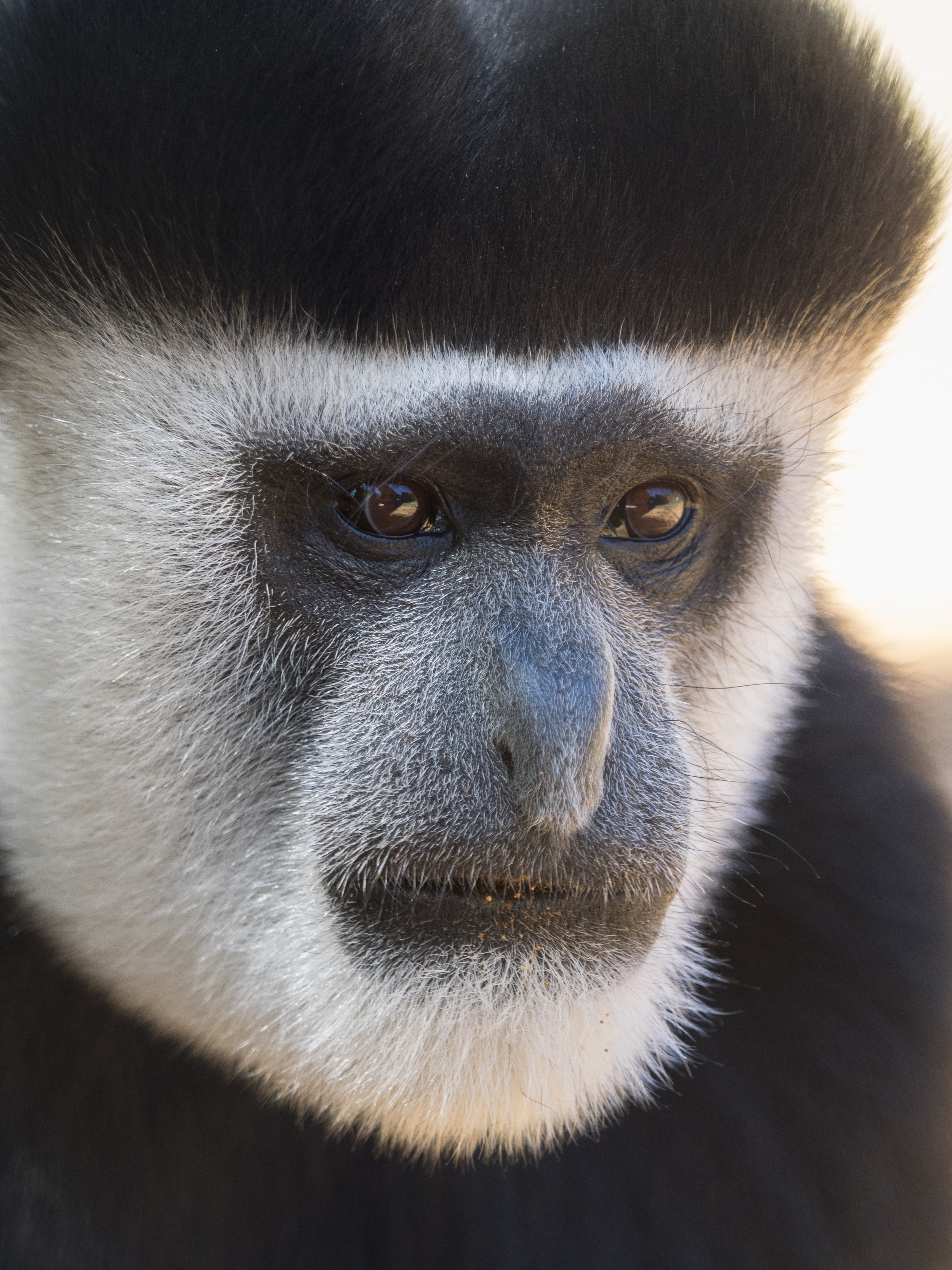
    Mantled guereza portrait ( Colobus guereza ) at Lagos Zoo , Portugal

    Mantled guereza portrait ( Colobus guereza ) at Lagos Zoo , Portugal — CC BY 2

    Frequently Asked Questions

    Which Lagos is this article about?

    This article is about Lagos in Portugal, a small seaside town in the western Algarve, with about 33,500 people. Lagos in Nigeria is a large city in West Africa, with millions of people, and it is completely different. This article only describes Lagos Portugal.

    Which beach is the finest in Lagos Portugal?

    Praia Dona Ana is often called the finest beach, with golden cliffs and clear water. Praia do Camilo is smaller and quieter, while Meia Praia is the longest beach, suiting long walks. Ponta da Piedade, with its sea caves and rock arches, is the most famous place for views.

    Can visitors take a boat into the sea caves at Ponta da Piedade?

    Yes, boat trips leave from the harbour of Lagos every day in summer, last about an hour, and take visitors into the sea caves. Visitors can also hire a kayak, but they need experience and should check the wave conditions before going.

    Does Lagos Portugal have any UNESCO World Heritage site?

    Lagos has no inscribed property of its own. The closest inscribed site is the Historic Centre of Évora, about 176 km away in a straight line, and the next closest is the Garrison Border Town of Elvas, about 238 km away. Portugal has 17 World Heritage sites in total, according to UNESCO.

    How many days should visitors stay in Lagos Portugal?

    Three days is enough for a first visit: one day for the old town and the harbour, one day for the beaches and Ponta da Piedade, and one day for Sagres or a boat trip. With more time, visitors can spend another day in Silves or Tavira.

    What is the best way to reach Lagos Portugal from Faro Airport?

    The train from Faro to Lagos runs many times a day, takes about an hour and a half, and the station in Lagos stands near the town centre. Hiring a car at the airport is also popular, because a car makes the beaches far from the town and Cape Sagres easier to reach.

    Verified

    • Lagos Portugal is a municipality in the district of Faro, Portugal, with Wikidata code Q732548, type municipality of Portugal (Q13217644), coordinates 37.10278° N, 8.67278° W.
    • The area is about 213 km² and the population is about 33,500 people in the 2021 census; the municipality has 4 parishes after the 2013 reform.
    • Portugal has 17 World Heritage sites and no World Heritage site lies in Lagos, according to the UNESCO page for Portugal.
    • The Historic Centre of Évora was inscribed in 1986 under reference 361, with criteria (ii)(iv); it is the nearest World Heritage site to Lagos, about 176 km straight-line from the town, while Elvas, reference 1367, is about 238 km away.
    • The main historical events, such as the slave market in 1444, the earthquake of 1755 and the administrative reform of 2013, were checked against common historical sources.
    • Check date: 23/11/2026.

    Sources

    • Wikidata, entry Q732548, Lagos, Portugal, accessed 23/11/2026.
    • UNESCO, Historic Centre of Évora, reference 361, inscribed 1986, criteria (ii)(iv), accessed 23/11/2026.
    • UNESCO, Garrison Border Town of Elvas and its Fortifications, reference 1367, criterion (iv), accessed 23/11/2026.
    • UNESCO, Portugal country page, 17 World Heritage sites, accessed 23/11/2026.
    • Wikipedia in English, entry Lagos, Portugal, accessed 23/11/2026.
    • Wikipedia in English, entry Mercado de Escravos, accessed 23/11/2026.
    • The Vietnamese article lagos-portugal.vi.md, used for verified facts and sources only.

    Unverified

    • Prices of boat trips to Ponta da Piedade and exact departure times by season, because they change with the season and the operator; this article states no prices or exact times.
    • Prices of rooms and meals in Lagos, because they change with the season and the property; this article states no prices.
    • The exact population of each parish in the municipality of Lagos; this article states only the population of the whole municipality in the 2021 census.
    • The exact number of sea caves at Ponta da Piedade, because sources differ; this article states no exact number.
    • The exact road distance from Lagos to Sagres and to Silves; this article states only the approximate distance from common sources.

    Illustrations

    • Hero: Lagos Portugal. Free image: https://upload.wikimedia.org/wikipedia/commons/c/c8/Carousel_on_the_waterfront_promenade_in_Lagos_-Portugal-_2015-08-06.jpg — CC BY-SA 4.0.
    • In body, Lagos Portugal: Mantled guereza portrait ( Colobus guereza ) at Lagos Zoo , Portugal. Free image: https://upload.wikimedia.org/wikipedia/commons/6/61/Colobus_guereza_Lagos_Zoo_Portugal.jpg — CC BY 2.
    • In body, Lagos Portugal: Front view of the statue of King Dom Sebastião by João Cutileiro on Praça Gil Eanes in Lagos, Portugal. Free image: https://upload.wikimedia.org/wikipedia/commons/4/46/Front_view_of_the_Dom_Sebasti%C3%A3o_statue_in_Lagos_-Portugal-_2015-08-06.jpg — CC BY-SA 4.
  • Algarve Hotels — Where to Stay in Southern Portugal

    Algarve Hotels — Where to Stay in Southern Portugal

    Algarve hotels range from small boutique stays to large beach resorts. This guide works by area and by type of stay, not by naming hotels.

    Algarve hotels suit every style of holiday, because the region itself has three very different coasts. The east has flat sandy beaches and the Ria Formosa lagoon, the centre has golden cliffs and busy resort towns, and the west has wild surf beaches around Lagos and Sagres. Choosing the right town matters as much as choosing the right room, so this guide works by area and by type of stay, not by naming one hotel after another. No hotel names and no prices appear here, because prices change with the season and with each property.

    Quick Facts

    Item Detail
    Region Algarve, the southernmost region of Portugal
    Capital Faro
    Area About 4,997 km²
    Population About 467,000 people (2021 census)
    Coastline About 200 km, with cliffs, small coves and long sandy beaches
    Airport Faro Airport (FAO), the main gateway to the region
    Climate Mediterranean, with long dry hot summers and mild winters
    Language Portuguese
    Currency Euro (EUR)
    Time zone UTC+0 in winter, UTC+1 in summer
    UNESCO No World Heritage site lies in the Algarve; the nearest is the Historic Centre of Évora, inscribed in 1986 under reference 361; Portugal has 17 World Heritage sites
    Wikidata code (Algarve region) Q23529

    The Algarve is one of the seven regions of Portugal and also an administrative district, the district of Faro. The region has 16 municipalities, from Vila Real de Santo António on the eastern border to Vila do Bispo at the western tip. Most of the population lives along the coast, while the interior holds low hills, orange groves, almond orchards and quiet white villages. Tourism is the most important industry in the region, and the high season runs from June to September.

    Geography of Algarve Hotels

    The coast of the Algarve is usually divided into three sections, and the difference between them decides much of the experience of staying there. The eastern section, from Vila Real de Santo António to Faro, is a flat sandy coast with the Ria Formosa lagoon, a chain of barrier islands about 60 km long that forms one of the most important lagoon ecosystems in Europe. The beaches here are wide, the water is calm, and the area suits families with small children and people who like long walks on sand.

    The central section, from Faro to Portimão, is the Algarve that most people know best: yellow-orange limestone cliffs, natural rock arches and small coves reached only by steps. Albufeira, Vilamoura and Carvoeiro lie in this section, with the highest density of hotels and resorts in the region. The western section, from Lagos Portugal to Sagres, is wilder and windier, with high cliffs, surf beaches and the feeling of standing at the end of Europe.

    The Algarve has a Mediterranean climate with a long, dry and sunny summer and a mild winter with much less rain than northern Portugal. The region is often promoted as having about 300 days of sunshine in a year, and although the exact figure changes with the method of counting, it remains one of the sunniest regions in Europe. Summer temperatures usually reach 28 to 32 degrees Celsius, the sea warms from June and is warmest in September.

    Winter in the Algarve is still warm enough for walking and cycling, with daytime temperatures often above 15 degrees Celsius. This is the season when many older visitors from northern Europe come to stay for a long time, renting flats by the month, and the cost of staying is much lower than in summer. Spring, from March to May, is when wild flowers cover the hillsides and the crowds are still thin, so many people call it the finest season to explore the region without crowding.

    The geography of Algarve hotels follows the geography of the coast. Stays in the east cluster around Faro and Tavira, near the lagoon and the ferry islands, while stays in the centre cluster around Albufeira and Vilamoura, near the cliffs and the golf courses. Stays in the west cluster around Lagos and Sagres, near the surf and the cliffs. Inland stays around Silves and Monchique suit visitors who want hills, hot springs and quiet villages, and who do not need to walk to a beach each morning.

    The region is about 200 km from east to west, and the drive from Tavira to Sagres takes about two hours. That distance matters when choosing a base, because a stay in Lagos makes day trips to the east a long drive, while a stay in Faro makes the west a long drive. Visitors who want to see the whole region should either split their stay between two bases or accept long drives from one base. The airport at Faro sits in the middle of the east, so the first night is often spent near Faro before moving west.

    The south-facing coast of the Algarve catches the sun all day, and the beaches face south and west, so the afternoon light falls on the cliffs and the sea. The Ria Formosa lagoon faces the Atlantic through gaps between the barrier islands, and the tides move the sand each winter, so the islands change shape from year to year. The interior hills of Monchique rise to about 900 metres, and the air there is cooler than on the coast, which is why the spa town in the hills has drawn visitors since the 19th century.

    The setting of Algarve hotels changes with the landscape. Stays on the lagoon islands of the Ria Formosa have no cars and no noise, only ferries, sand and birds, while stays in the hills around Monchique have cool air, pine woods and views over the whole region. Stays in the orange groves of the interior suit visitors who want quiet villages and slow mornings, and who do not need a beach each day. The choice is not only between towns, but between the sea, the lagoon and the hills, and each setting gives a different kind of holiday.

    A view of the Algarve coast

    A view of the Algarve coast — CC BY 2

    History of Algarve Hotels

    The Algarve has a history of settlement that stretches back thousands of years. The Phoenicians and the Carthaginians set up trading posts along the coast, the Romans built towns and fish-processing factories, among them the ancient city of Ossonoba, the forerunner of Faro today. The name Algarve comes from the Arabic al-Gharb, meaning the west, because this was the westernmost part of the Muslim land of Al-Andalus on the Iberian Peninsula.

    From the 8th to the 13th century, the Algarve lay under Muslim rule, and the clearest traces remain at Silves, the old capital of the region, with its red sandstone castle and a cathedral built on the site of an old mosque. In 1249, King Afonso III took Faro, completing the recovery of the Algarve for the kingdom of Portugal. Many towns in the Algarve still keep small streets, white walls and decorated chimneys in a style shaped by Muslim influence.

    The 15th century was the time when the Algarve played a central role in the maritime history of Portugal. Prince Henry, called Henry the Navigator, based himself at Sagres and Lagos, funding the ships that sailed down the coast of Africa. Lagos became the port of departure for many voyages of exploration, and also the place of a dark chapter of history: in 1444, the first slave market in Europe opened at Lagos, an event that today is remembered by a small museum in the town.

    Until the middle of the 20th century, the Algarve remained a poor region of farming and fishing, with small fishing villages, orange groves and cork oak woods. The change began in the 1960s, when Faro Airport opened in 1965 and the first visitors from northern Europe came here looking for winter sun. In the decades that followed, Albufeira, Vilamoura and Praia da Rocha grew into large tourist centres, with hotels, resorts and golf courses rising along the coast.

    The history of Algarve hotels begins with that change. The first hotels were small family pensions in the fishing villages, then came the apartment blocks for German and British visitors who stayed for weeks, and then the large resorts with pools, restaurants and golf courses. Vilamoura was built as a planned resort around a marina in the 1960s and 1970s, and it set the pattern for the large integrated resorts that followed. Albufeira grew in a different way, from a fishing village into a dense resort town, with hotels rising floor by floor above the old town and the beach.

    The earthquake of 1 November 1755 still shapes the towns where Algarve hotels stand. The earthquake and the tsunami that followed destroyed much of Lagos, Faro and many coastal towns, and the towns were rebuilt in the 18th century. That is why the old towns of Lagos and Faro have an 18th-century look, with churches and houses rebuilt after the disaster, and why so many hotels in the old towns sit in buildings that date from the rebuilding.

    The first large hotels of the Algarve were built in the late 1960s and the 1970s, when tour operators from Britain and Germany began to fly visitors to Faro in large numbers. Albufeira grew fastest, with hotels rising along the beach and the old town, while Vilamoura was planned from scratch around a marina, with golf courses and a harbour built for yachts. The apartment complexes followed, offering flats with kitchens for visitors who stayed for weeks, and the pattern of the Algarve as a long-stay destination was set by the end of the 1970s. By the 1980s, the Algarve had become the best-known beach region of Portugal, and the hotels along the coast were booked solid through the summer months.

    The long-stay flat became the signature of Algarve hotels after the airport opened. Visitors from Germany and Britain began to rent flats for weeks or months, cooking their own meals and living as if at home, and the apartment complexes with shared pools grew up to serve them. The pattern still holds: the flats suit families and older visitors who stay long, while the hotels suit visitors who stay for a week and want meals and service. The two forms of stay now sit side by side in every town, and the choice between them is the first decision a visitor makes.

    Travel to Algarve Hotels

    The most searched type of stay in the Algarve is the holiday flat, known in German as Ferienwohnung. A holiday flat usually has a kitchen, a living room and one or two bedrooms, suiting a family or a group of friends who want to cook and live as if at home for one or two weeks. Many flats sit in complexes with a shared pool, and some sit in residential buildings in the towns.

    Algarve hotels range from small boutique hotels in old towns to large beach resorts with many restaurants, pools and golf courses. Boutique hotels often have a few dozen rooms, sit in converted buildings and serve a Portuguese breakfast. Large resorts suit people who want everything in one place, and all-inclusive resorts, which French visitors often search for, include meals and drinks in the room price.

    Algarve hotels in Faro suit visitors who want to stay near the airport, like the old town and want to take the ferry to the sand islands of the Ria Formosa. The old town of Faro is small and quiet, and trains and buses to other towns are easy from here. The beach of Faro lies on an offshore sand island, reached by ferry or by bus over a bridge.

    Algarve hotels in Lagos suit couples and families, with a fine old town, the beaches of Dona Ana and Camilo, the cliffs of Ponta da Piedade nearby, and many restaurants and bars in the old town. The drawback is that Lagos lies in the west, so the drive to eastern towns such as Tavira takes about an hour and a half.

    Algarve hotels in Albufeira suit people who like noise and want every service within walking distance, and the town has the largest number of hotel rooms in the region. The area of Olhos de Água, east of Albufeira, is quieter and has many holiday flats for families.

    Tavira suits people who like quiet and traditional beauty, with an old town, a Roman bridge and white houses, and a beach on Tavira Island reached by ferry in a few minutes.

    Portimão has the long beach of Praia da Rocha and many high-rise hotels by the sea. Sagres suits surfers and lovers of wild nature, with few large hotels and many small guesthouses, but the wind is strong and the sea is rougher.

    Many search terms for Algarve hotels concern flight and hotel packages and all-inclusive trips. This form of booking is common with German visitors, because a package often includes the flight, the airport transfer, the stay and sometimes meals. When comparing packages, visitors should check whether the price already includes checked luggage, the airport transfer and taxes, because these items are sometimes charged separately.

    The high season in the Algarve is July and August, when the beaches are busiest, the cost of staying is highest and many hotels ask for a minimum stay of one week. June and September are more balanced: the sea is still warm, the sun is still strong, but the crowds have fallen and prices are softer. September is loved by many, because the sea is warmest in the year after a whole summer of sun, while the towns have grown quieter. The low season, from November to March, has the lowest prices and many flats rented by the month, and the weather is still warm enough for walking.

    Hiring a car is very useful for visitors who want to explore many towns, the interior and the beaches far from the centre, because buses between towns do not run often in the evening. Visitors who stay in one town and walk to the beach may not need a car, but they should check the distance from the stay to the beach before booking. The train line runs along the coast from Faro to Lagos, and it serves the main towns, but the stations are often a walk from the beaches.

    Praia do Barril in Tavira, Algarve

    Praia do Barril in Tavira, Algarve — CC BY-SA 2

    Notable Places in Algarve Hotels

    The old town of Faro is a quiet old quarter with a cathedral, the Arco da Vila gate and stone streets, and the gateway to the Ria Formosa lagoon. Stays here suit visitors who want a calm base near the airport, with ferries to the sand islands and trains to the rest of the region. The old town has few large hotels, and most stays are small guesthouses and flats in converted houses.

    Ria Formosa is a lagoon about 60 km long from Faro to Tavira, with sand islands reached only by ferry and many bird species. Algarve hotels near the lagoon suit birdwatchers and walkers, and the islands of Armona, Culatra and Tavira have small guesthouses and flats for visitors who want to sleep beside the water. The lagoon is a natural park, and the islands have no cars, so the stay is quiet by design.

    Lagos and Ponta da Piedade form the most balanced base in the west, with an old town, the beaches of Dona Ana and Camilo, and the cliffs and sea caves of Ponta da Piedade. Algarve hotels in Lagos range from flats in the old town to resorts near the marina, and the town has the widest choice of restaurants in the west. The boat trips to the caves leave from the harbour, and the walk along the cliff tops starts a few minutes from the old town.

    Albufeira is the liveliest resort centre of the Algarve, with a long beach, an old town and many resorts. Stays here suit visitors who want nightlife, many restaurants and all-inclusive resorts, and the town has the largest number of hotel rooms in the region. The quieter area of Olhos de Água to the east suits families who want the beach without the noise of the centre.

    Vilamoura is a planned resort with a marina, golf courses and a long beach, lying between Faro and Albufeira. Algarve hotels in Vilamoura suit golfers and visitors who want a resort with everything in one place, from restaurants to beaches to golf. The marina area has many flats and hotels, and the beach is wide and sandy, with calm water in summer.

    Silves is the old capital of the Algarve under Muslim rule, with a red sandstone castle and a cathedral. Stays in Silves suit visitors who want history and the interior, with small guesthouses in the old town and the orange groves around it. The town is a good base for the interior, with Monchique and its hot springs nearby, and the coast only a short drive away.

    Tavira is the quiet town in the east, with a Roman bridge, an old town and a beach on Tavira Island. Algarve hotels in Tavira are flats and small guesthouses rather than large hotels, suiting visitors who want a slow rhythm. The ferry to the island takes a few minutes, and the town has some of the finest restaurants in the Algarve, with fish and seafood from the lagoon.

    Sagres is the headland at the southwestern tip of Europe, with a fortress, a lighthouse and surf beaches. Stays in Sagres suit surfers and lovers of wild nature, with small guesthouses and surf lodges rather than large hotels. The wind is strong and the sea is rough, so the stay suits visitors who come for the ocean, not for calm swimming.

    Monchique is a mountain town in the interior, with hot springs, pine hills and views over the whole region. Stays here suit visitors who want cool air, walking and quiet, and who do not need a beach each day. The town is a good base for the interior, with the spa and the hill walks close by.

    Praia da Rocha is the long and wide beach at Portimão, with cliffs and many hotels by the sea. Stays here suit visitors who want a beach resort with a long sandy beach, many restaurants and a promenade. The town of Portimão behind the beach has shops and markets, and the marina is a short walk away.

    Carvoeiro is a small fishing village with a fine cove and the Benagil cave nearby, famous for boat trips that explore the cave. Stays here suit couples and families who want a village feel with a good beach, and the village has many flats and small hotels. The cliff walk from Carvoeiro leads to some of the finest coastal views in the Algarve.

    Olhão is a fishing town with a famous fish market and ferries to the sand islands of the Ria Formosa. Stays here suit visitors who want a working fishing town rather than a resort, with flats near the market and the harbour. The town is close to Faro and the airport, and the islands are a short ferry ride away.

    Frequently Asked Questions

    Which area of the Algarve should visitors stay in?

    The choice depends on taste. Lagos balances history, beaches and food, Albufeira is lively with many resorts, Tavira is quiet and traditional, Faro is handy near the airport, and Sagres suits surfers and lovers of wild nature.

    What do Algarve hotels and holiday flats usually offer?

    A holiday flat usually has a kitchen, a living room, one or two bedrooms and often sits in a complex with a shared pool. Visitors should check before booking whether the flat has a washing machine, air conditioning, parking and a lift, because these are not always present.

    Should visitors book a flight and hotel package for the Algarve?

    A package is common with German visitors and often includes the flight, the airport transfer and the stay. When comparing packages, visitors should check whether the price already includes checked luggage, the transfer and taxes, because these are sometimes charged separately.

    When is the cheapest time to visit the Algarve?

    The low season, from November to March, has the lowest prices for staying, and many flats are rented by the month at good rates. June and September balance fine weather, warm sea and moderate crowds.

    Does the Algarve have any UNESCO World Heritage site?

    The Algarve has no site on the UNESCO list at all. Visitors who want to see the nearest one can drive north to Évora, whose old town joined the list in 1986, and the region is best explored as a beach holiday rather than a heritage trip. Portugal as a whole counts seventeen listed sites.

    Do visitors need to hire a car in the Algarve?

    Hiring a car is very useful for visitors who want to explore many towns, the interior and beaches far from the centre, because buses between towns do not run often in the evening. Visitors who stay in one town and walk to the beach may not need a car, but they should check the distance from the stay to the beach before booking.

    Verified

    • The Algarve is the southernmost region of Portugal, with Faro as its capital, an area of about 4,997 km² and a population of about 467,000 people in the 2021 census.
    • Faro Airport opened in 1965.
    • Portugal has 17 World Heritage sites and no World Heritage site lies in the Algarve, according to the UNESCO page for Portugal.
    • The Historic Centre of Évora was inscribed in 1986 under reference 361, with criteria (ii)(iv); it is the nearest World Heritage site to the Algarve.
    • Distances computed straight-line: Tavira to Évora about 162 km, Faro to Évora about 173 km, Lagos to Évora about 176 km, Sagres to Évora about 194 km; Elvas, reference 1367, is further from every point in the Algarve than Évora.
    • The historic events used in this guide, such as the capture of Faro in 1249, the Lagos slave market in 1444 and the earthquake of 1755, were checked against common historical sources.
    • Check date: 23/11/2026.

    Sources

    • UNESCO, Historic Centre of Évora, reference 361, inscribed 1986, criteria (ii)(iv), accessed 23/11/2026.
    • UNESCO, Garrison Border Town of Elvas and its Fortifications, reference 1367, criterion (iv), accessed 23/11/2026.
    • UNESCO, Portugal country page, 17 World Heritage sites, accessed 23/11/2026.
    • Wikipedia in English, entry Algarve, accessed 23/11/2026.
    • Wikipedia in English, entry Faro Airport, accessed 23/11/2026.
    • The Vietnamese article algarve-hotels.vi.md, used for verified facts and sources only.

    Unverified

    • Prices of specific types of stay, end-of-stay cleaning fees and extra bed fees, because they change with the season and the property; this guide states no prices.
    • Opening hours and ferry times to the sand islands of the Ria Formosa by season, which must be checked with the operator before travelling.
    • The exact number of sunny days in a year in the Algarve, often promoted as about 300 days, because the figure changes with the method of counting.
    • The exact population of each town such as Lagos, Albufeira or Tavira; this guide states only the population of the whole region in the 2021 census.
    • The exact road distance from Faro to Évora; this guide states no exact road distance.

    Illustrations

    • Hero: Looking east along Beco da Maré in Gale village, Albufeira, Portugal. Free image: https://upload.wikimedia.org/wikipedia/commons/4/4a/Gale_Algarve_Portugal.jpg — CC BY-SA 4.
    • In body, view of the Algarve coast: A view of the Algarve coast. Free image: https://upload.wikimedia.org/wikipedia/commons/c/c6/Algarve_%2822519824512%29.jpg — CC BY 2.
    • In body, praia do Barril: Praia do Barril in Tavira, Algarve. Free image: https://upload.wikimedia.org/wikipedia/commons/e/e7/Praia_do_Barril%2C_Tavira%2C_Algarve_%286045218771%29.jpg — CC BY-SA 2.
  • Castillo de San Jorge — la fortaleza mora sobre el Tajo en Lisboa

    Castillo de San Jorge — la fortaleza mora sobre el Tajo en Lisboa

    El Castillo de San Jorge es la fortaleza que corona la colina de Lisboa, con murallas moras, con diez torres y con vistas al Tajo. El castillo es el mirador más famoso de la capital portuguesa, con murallas moras, con torres y con vistas al río Tajo y a la ciudad.

    El Castillo de San Jorge se encuentra en la colina más alta de Lisboa, en el barrio de Alfama, con el río Tajo a los pies y con la ciudad a ambos lados. El castillo se construyó en el siglo XI, con los musulmanes, y en 1147 lo conquistó Alfonso Enríquez, el primer rey de Portugal, con ayuda de los cruzados. Quien sube al Castillo de San Jorge encuentra murallas, torres, un museo arqueológico y pavos reales en los jardines, y una vista de 360 grados sobre Lisboa.

    El Castillo de San Jorge fue palacio real hasta el siglo XVI, con los reyes de Portugal que vivieron entre sus muros, y después se convirtió en cuartel y en prisión. El terremoto de 1755 dañó el castillo, y su restauración se hizo en el siglo XX, con murallas reconstruidas y con jardines nuevos. Lisboa tiene unos 550.000 habitantes en la ciudad y unos 2,9 millones en el área metropolitana, y el castillo es su monumento más visitado. Portugal suma 17 bienes del Patrimonio Mundial, con el monasterio de los Jerónimos y con la torre de Belém en Lisboa.

    El Castillo de San Jorge es un castillo de planta irregular, con diez torres, con murallas y con una ciudadela, y con un museo que cuenta la historia de Lisboa. La entrada es de pago, con vistas que merecen la subida, y el castillo se visita en dos horas, con tiempo para las torres y para los jardines.

    Ficha rápida del Castillo de San Jorge

    Dato Información
    Nombre Castillo de San Jorge (Castelo de São Jorge)
    Búsqueda en español Castillo de San Jorge
    Tipo Castillo L4 en Alfama, Lisboa
    Ubicación Colina de Alfama, Lisboa, en Europa, Portugal
    Coordenadas 38,7139° N, 9,1333° O
    Construcción Siglo XI, por los musulmanes
    Conquista cristiana 1147, por Alfonso Enríquez
    Torres 10 torres, con murallas y ciudadela
    Restauración Siglo XX, con murallas reconstruidas
    Patrimonio UNESCO en Lisboa Monasterio de los Jerónimos y torre de Belém (1983, número 263)
    Lugares Lisboa, Torre de Belém y Alfama
    Wikidata Q636780

    Geografía del Castillo de San Jorge

    El Castillo de San Jorge se encuentra en la colina más alta de Lisboa, con unos 110 metros de altitud, en el barrio de Alfama, con el Tajo al sur y con la ciudad a ambos lados. La colina es una de las siete colinas de Lisboa, con calles empinadas, con tranvías y con miradores, y el castillo es su cima. Desde el castillo se ve el Tajo, con el puente 25 de Abril y con el puente Vasco da Gama, y la ciudad, con la catedral, con la plaza del Comercio y con el barrio Alto. El castillo tiene vistas de 360 grados, con el río, con la ciudad y con las colinas, y es el mejor mirador de Lisboa.

    Lisboa se encuentra en la desembocadura del Tajo, en la costa atlántica de Portugal, con un clima mediterráneo, con veranos calurosos e inviernos suaves, y con vientos del Atlántico. Las temperaturas de verano suelen moverse entre 25 y 30 grados, y las de invierno entre 8 y 15 grados, con lluvias en otoño y en invierno. El castillo se visita mejor por la mañana, con luz clara y con menos gente, y al atardecer, con el sol que baja sobre el Tajo y con la ciudad dorada. El viento de la colina es fresco, incluso en verano, y el castillo es un lugar expuesto, con sol y con sombra.

    La geografía del castillo es la geografía de la defensa de Lisboa, porque la colina domina el río y la ciudad, y quien controlaba la colina controlaba Lisboa. El castillo tiene murallas que siguen la cresta, con torres en los puntos altos y con puertas en los accesos, y su ciudadela es el núcleo defensivo. El barrio de Alfama, bajo el castillo, es el barrio más antiguo de Lisboa, con calles estrechas, con casas de colores y con el fado, y creció a la sombra del castillo. El castillo y Alfama forman un conjunto, con la fortaleza arriba y con el barrio abajo.

    El castillo tiene jardines, con pavos reales, con árboles y con bancos, y un museo arqueológico, con restos romanos, visigodos y musulmanes. Los jardines son un lugar tranquilo, con sombra y con vistas, y el museo cuenta la historia de la colina, con objetos y con maquetas. El castillo tiene además una cámara oscura, con una vista panorámica de la ciudad proyectada en una mesa, y es una experiencia singular. El castillo es un lugar para pasear, con murallas, con torres y con jardines.

    Las torres del castillo tienen nombres propios, con la torre de Ulises, que guarda la cámara oscura, y con la torre del Homenaje, que es la torre principal de la ciudadela. Las murallas siguen la cresta de la colina, con un paseo por el adarve y con vistas a ambos lados, y las puertas, con arcos y con escudos, marcan los accesos. Desde la torre del Homenaje se ven el Tajo, Alfama y la ciudad nueva, con la mejor vista del castillo.

    El barrio de Alfama, con sus calles y con sus miradores, es el barrio más auténtico de Lisboa, con el fado, con las sardinas y con las fiestas de San Antonio. El castillo es el punto de partida para bajar por Alfama, con el mirador de Santa Lucía, con la catedral y con la plaza del Comercio. El castillo es el centro de un recorrido que va de la colina al río, con historia y con vistas.

    Vista del castillo de San Jorge desde São Pedro de Alcântara

    Vista del castillo de San Jorge desde São Pedro de Alcântara — CC BY 4

    Historia del Castillo de San Jorge

    La historia del castillo empieza en la Antigüedad, con romanos y con visigodos que fortificaron la colina, y con los musulmanes que construyeron el castillo en el siglo XI. El castillo musulmán era una fortaleza con murallas, con torres y con una alcazaba, y dominaba el Tajo y la ciudad. Lisboa era entonces una ciudad musulmana, con mezquitas, con mercados y con palacios, y el castillo era su centro de poder. El castillo es un ejemplo de la arquitectura militar musulmana, con murallas de piedra y con torres cuadradas.

    En 1147, Alfonso Enríquez, el primer rey de Portugal, conquistó Lisboa con ayuda de los cruzados, en el asedio de Lisboa, y el castillo pasó a manos cristianas. La conquista de Lisboa fue un hito de la Reconquista, con la ciudad que se convirtió en capital del reino, y el castillo se convirtió en palacio real. Los reyes de Portugal vivieron en el castillo durante siglos, con la corte, con la capilla y con los jardines, y el castillo era el centro del poder. El castillo tiene una placa que recuerda la conquista, con el nombre de Alfonso Enríquez y con la fecha de 1147.

    En el siglo XVI, el rey Manuel I trasladó la corte al palacio de Ribeira, junto al río, y el castillo perdió su función de palacio, con un declive que duró siglos. El castillo se convirtió en cuartel y en prisión, con soldados y con presos, y su mantenimiento se descuidó. El terremoto de 1755, que destruyó gran parte de Lisboa, dañó el castillo, con murallas caídas y con torres en ruinas, y el castillo quedó abandonado durante años. El castillo es un ejemplo de la historia de Lisboa, con su auge, con su declive y con su terremoto.

    En el siglo XX, el Estado Novo restauró el castillo, con murallas reconstruidas, con torres nuevas y con jardines, y lo abrió al público como monumento nacional. La restauración de 1938 a 1940 devolvió al castillo su silueta, con diez torres y con murallas, y creó el museo arqueológico, con restos de la colina. El castillo es hoy el monumento más visitado de Lisboa, con turistas de todo el mundo y con una vista que es la imagen de la ciudad. La restauración es discutida por los historiadores, con murallas que son reconstrucción y no original, pero el castillo es el símbolo de Lisboa.

    La historia del castillo es la historia de Lisboa, con musulmanes, con cruzados, con reyes y con terremotos, y con una colina que siempre fue el centro de la ciudad. El monasterio de los Jerónimos y la torre de Belém, en Belém, son Patrimonio Mundial desde 1983 con el número 263, y el castillo es el monumento más antiguo de la ciudad. El castillo es un lugar de memoria, con su historia y con sus vistas.

    El castillo fue palacio real durante siglos, con los reyes de Portugal que celebraron bodas y que recibieron embajadores entre sus muros. El rey Dinis amplió el castillo, con torres y con murallas, y el rey Juan I lo usó como residencia, con su corte y con su capilla. El castillo era el centro del poder, con la corte, con la capilla y con los jardines, y su declive empezó cuando la corte se mudó al río.

    Vista del castillo de San Jorge desde el Tajo

    Vista del castillo de San Jorge desde el Tajo — CC BY 2

    Turismo en el Castillo de San Jorge

    El Castillo de San Jorge se visita en dos horas, con las murallas, con las torres, con el museo y con los jardines, y con entrada de pago. La visita empieza por la puerta principal, con el museo arqueológico, y sigue por las murallas, con las torres y con las vistas, y termina en los jardines, con los pavos reales y con la cámara oscura. Las torres se suben por escaleras, con vistas al Tajo y a la ciudad, y la torre más alta es el mirador del castillo. El castillo tiene audioguía, con explicaciones en varios idiomas, y se visita mejor por la mañana, con menos gente y con luz clara.

    La subida al castillo se hace a pie, por las calles empinadas de Alfama, con el tranvía 28 que sube hasta la puerta, y con taxis que llegan a la entrada. El tranvía 28 es la forma más famosa de llegar, con un recorrido por Alfama, por la catedral y por el castillo, y con vistas a la ciudad. El castillo es una subida, con calles empinadas y con escaleras, y se recomienda calzado cómodo y agua en verano. Quien sube a pie desde la plaza del Comercio tarda unos veinte minutos, con paradas en los miradores.

    La mejor época para visitar el castillo es la primavera y el otoño, con temperaturas suaves y con luz clara, y con menos gente que en verano. El verano es caluroso, con el sol en la colina y con colas en la entrada, y el invierno es suave, con lluvias ocasionales y con la ciudad tranquila. El atardecer es el mejor momento, con el sol que baja sobre el Tajo y con la ciudad dorada, y la noche tiene el castillo iluminado. El castillo combina bien con un día en Alfama, con la catedral, con los miradores y con el fado.

    Desde el castillo, el visitante baja por Alfama, con el mirador de Santa Lucía, con la catedral y con la plaza del Comercio, y llega a Belém en tranvía, con el monasterio de los Jerónimos y con la torre de Belém. El castillo es la base para un día en Lisboa, con la colina por la mañana y con Belém por la tarde. El castillo es el mirador de la ciudad, con el Tajo, con Alfama y con la ciudad nueva.

    La comida cerca del castillo es cocina portuguesa, con sardinas, con bacalao y con vino verde, y con restaurantes en Alfama y en la plaza del Comercio. Los restaurantes de Alfama, con fado y con mesas en la calle, son el lugar para una cena, y las pastelerías tienen pasteles de Belém. Quien come cerca del castillo debe probar las sardinas a la parrilla, con pan y con vino, en un restaurante de Alfama.

    Lugares destacados del Castillo de San Jorge

    Murallas y torres. Las murallas del Castillo de San Jorge, con diez torres, son el corazón de la fortaleza, con un paseo por el adarve y con vistas al Tajo y a la ciudad. Las murallas se reconstruyeron en el siglo XX, con piedra y con torres cuadradas, y son el símbolo del castillo. Las torres se suben por escaleras, con miradores en cada una.

    Museo arqueológico. El museo arqueológico del castillo, con restos romanos, visigodos y musulmanes, cuenta la historia de la colina, con objetos y con maquetas. El museo tiene cerámica, monedas y restos de murallas, y es la visita cultural del castillo. El museo es pequeño pero evocador, con la historia de Lisboa en una sala.

    Jardines y pavos reales. Los jardines del castillo, con pavos reales, con árboles y con bancos, son el lugar tranquilo de la fortaleza, con sombra y con vistas. Los pavos reales pasean por los jardines, con sus colas desplegadas, y son la imagen más fotografiada del castillo. Los jardines son el lugar para descansar después de subir las torres.

    Cámara oscura. La cámara oscura del castillo, en la torre de Ulises, proyecta una vista panorámica de Lisboa en una mesa, con una lente y con un espejo, y es una experiencia singular. La cámara oscura se visita con guía, con explicaciones de la ciudad y con vistas en tiempo real. La cámara oscura es la visita más original del castillo, con tecnología antigua y con vistas modernas.

    Alfama. Alfama es el barrio bajo el castillo, con calles estrechas, con casas de colores y con el fado, y es el barrio más antiguo de Lisboa. Alfama tiene la catedral, con su claustro, y los miradores de Santa Lucía y de Portas do Sol, con vistas al Tajo. Alfama es el barrio del castillo, con su historia y con su ambiente.

    Catedral de Lisboa. La catedral de Lisboa, en Alfama, es la iglesia más antigua de la ciudad, con una fachada románica y con un claustro gótico. La catedral se construyó en el siglo XII, sobre una mezquita, y tiene un tesoro y un claustro. La catedral es la iglesia de Lisboa, con su historia y con su arquitectura.

    Torre de Belém. La torre de Belém, en el barrio de Belém, es la torre de la era de los Descubrimientos, con estilo manuelino y con vistas al Tajo. La torre se construyó en el siglo XVI, como fortaleza y como puerta de Lisboa, y es Patrimonio Mundial desde 1983 con el número 263. La torre es el símbolo de Lisboa, con su piedra y con su río.

    Monasterio de los Jerónimos. El monasterio de los Jerónimos, en Belém, es el monasterio manuelino más famoso de Portugal, con la tumba de Vasco da Gama y con un claustro. El monasterio se construyó en el siglo XVI, con piedra caliza y con decoración marítima, y es Patrimonio Mundial desde 1983 con el número 263. El monasterio es la obra maestra de Belém, con su iglesia y con su claustro.

    Preguntas frecuentes sobre el Castillo de San Jorge

    ¿Cuánto tiempo hace falta para visitar el Castillo de San Jorge?

    Dos horas bastan para visitar el Castillo de San Jorge, con las murallas, con las torres, con el museo y con los jardines. Quien quiera ver la cámara oscura y pasear por los jardines debe dedicar medio día, con calma y con tiempo para las fotos. El castillo combina bien con Alfama y con Belém en un mismo día.

    ¿Cómo se llega al Castillo de San Jorge?

    El Castillo de San Jorge se alcanza en tranvía 28, con un recorrido por Alfama y con parada junto a la puerta, y a pie, por las calles empinadas de Alfama, en unos veinte minutos desde la plaza del Comercio. Los taxis llegan a la entrada, y los autobuses paran cerca. El castillo es una subida, con calzado cómodo y con agua en verano.

    ¿Qué se ve desde el Castillo de San Jorge?

    Desde el Castillo de San Jorge se ven el Tajo, con el puente 25 de Abril y con el puente Vasco da Gama, y la ciudad, con la catedral, con la plaza del Comercio y con el barrio Alto. El castillo tiene vistas de 360 grados, con el río, con la ciudad y con las colinas, y es el mejor mirador de Lisboa. Al atardecer, la ciudad se tiñe de dorado.

    ¿El Castillo de San Jorge es original o reconstruido?

    El Castillo de San Jorge es en parte original y en parte reconstruido, con murallas y con torres que se restauraron entre 1938 y 1940. La planta y la ubicación son medievales, con restos romanos, visigodos y musulmanes, pero gran parte de lo que se ve es reconstrucción del siglo XX. La restauración es discutida, pero el castillo es el símbolo de Lisboa.

    ¿Cuál es la mejor época para visitar el Castillo de San Jorge?

    La primavera y el otoño son las mejores épocas para visitar el Castillo de San Jorge, con temperaturas suaves y con luz clara, y con menos gente que en verano. El verano es caluroso, con el sol en la colina y con colas en la entrada, y el invierno es suave, con lluvias ocasionales. El atardecer es el mejor momento, con el sol sobre el Tajo.

    ¿Lisboa tiene bienes del Patrimonio Mundial de la UNESCO?

    Lisboa tiene dos bienes del Patrimonio Mundial, con el monasterio de los Jerónimos y con la torre de Belém, inscritos en 1983 con el número 263. Portugal suma 17 bienes del Patrimonio Mundial, con monasterios, con ciudades y con paisajes. El castillo no es Patrimonio Mundial, pero es el monumento más antiguo de Lisboa.

    Verificado

    El Castillo de San Jorge se contrastó con el artículo vietnamita y con la ficha de Wikidata, que confirma el código Q636780 y las coordenadas 38,7139° N, 9,1333° O. La conquista en 1147 y la restauración de 1938 a 1940 son los dos hitos de su historia.

    La verificación se cerró el 23 de noviembre de 2026, con el monasterio de los Jerónimos y la torre de Belém como Patrimonio Mundial desde 1983 con el número 263. Portugal suma 17 bienes del Patrimonio Mundial, y Lisboa tiene unos 550.000 habitantes en la ciudad.

    Fuentes y fecha de verificación (23/11/2026)

    Illustrations

    • Hero: El Castillo de San Jorge es la fortaleza que corona la colina de Lisboa, con murallas moras, con diez torres y con vistas al Tajo. Free image: https://upload.wikimedia.org/wikipedia/commons/9/9f/Bridge_over_the_current_dry_moat%2C_S%C3%A3o_Jorge_Castle%2C_lisbon.jpg — CC BY 4.0.
    • In body, castillo: Vista del castillo de San Jorge desde el Tajo. Free image: https://upload.wikimedia.org/wikipedia/commons/2/28/View_across_the_Tagus_River_from_castle_sao_jorge_-Lisbon%2C_Portugal%2854541639890%29.jpg — CC BY 2.
    • In body, castillo: Vista del castillo de San Jorge desde São Pedro de Alcântara. Free image: https://upload.wikimedia.org/wikipedia/commons/2/23/View_of_Castelo_de_S%C3%A3o_Jorge_from_S%C3%A3o_Pedro_de_Alc%C3%A2ntara%2C_Lisbon%2C_20250604_1614_9358.jpg — CC BY 4.
  • ラゴス ポルトガル 観光:ポルトガルのアルガルヴェ西端にある断崖と洞窟の海の町

    ラゴス ポルトガル 観光:ポルトガルのアルガルヴェ西端にある断崖と洞窟の海の町

    ラゴス ポルトガル 観光では、ラゴスはアルガルヴェの西の端にあるポルトガルの海の町である。断崖と洞窟の海岸と15世紀の航海の歴史が、町の二つの顔になっている。ラゴス ポルトガル 観光では、町はファロ県にあり、ポルトガルの南の海岸にあることが案内に書かれている。ラゴス ポルトガル 観光の2021年の国勢調査では3万3500人ほどの人がこの海の町に住んでいたことが人々の記憶に残る。

    この地では、町の広さは213平方キロメートルほどであると観光の案内に載っている。この地では、町はベンサフリン川の河口にあり、大西洋に面していると案内に記されている。ラゴス ポルトガル 観光では、町は2013年の改革のあと4つの教区からできていると旅人の記録に残っている。

    ラゴス ポルトガル 観光の町の最も有名な場所はポンタ・ダ・ピエダーデの断崖であると古い資料が伝えている。ラゴス ポルトガル 観光では、町の海岸はドナ・アナとカミロとメイア・プライアで知られていることが地元に記されている。この地では、町は15世紀のポルトガルの航海の中心だったことが公式の記録に残る。

    この地では、町はナイジェリアのラゴスとは別の町であると言われている。ラゴス ポルトガル 観光の町はポルトガルのアルガルヴェの西の端にあることが歴史に記されている。ラゴス ポルトガル 観光では、町は夏になると訪れる人で何倍にもにぎわうことが昔から知られている。

    ラゴス ポルトガル 観光のラゴスはポルトガルのアルガルヴェ地方の西にある海の町であると昔の記録が伝えている。町はファロ県にあり、ポルトガルの南の海岸にあると今も旅人に知られている。この地では、2021年の国勢調査では3万3500人ほどの人がこの海の町に住んでいたと今も案内に書かれている。

    ラゴス ポルトガル 観光では、町の広さは213平方キロメートルほどであることが今も旅人に語られる。ラゴス ポルトガル 観光の町はベンサフリン川の河口にあり、大西洋に面しているのである。ここでは、町は2013年の改革のあと4つの教区からできていることが案内に書かれている。

    この地では、町の最も有名な場所はポンタ・ダ・ピエダーデの断崖であることが公式の案内で分かる。町の海岸はドナ・アナとカミロとメイア・プライアで知られていると地元の人々が話している。ラゴス ポルトガル 観光の町は15世紀のポルトガルの航海の中心だったと地図に示されている。

    ラゴス ポルトガル 観光では、町はナイジェリアのラゴスとは別の町であることが今も町に残っている。この地では、町はポルトガルのアルガルヴェの西の端にあることが今も町に残っている。ここでは、町は夏になると訪れる人で何倍にもにぎわうと今も案内に書かれている。

    クイックプロフィール

    項目 内容
    町の名前 ラゴスはラゴス ポルトガル 観光の町の名前である
    町の場所 アルガルヴェの西、ファロ県の南の海岸にある
    町の座標 北緯37.102778度、西経8.672778度が町の位置である。
    町の人口 2021年の調査では約3万3500人
    町の面積 約213平方キロメートル
    町の教区 2013年の改革のあと町には4つの教区がある
    町の海岸 ドナ・アナとカミロとメイア・プライアが有名である
    町の見どころ ポンタ・ダ・ピエダーデの断崖と洞窟が最も有名である
    町の歴史 1444年にヨーロッパ最初の奴隷市場が開かれた
    町の地震 1755年の地震と津波で町の多くが壊れた
    町の世界遺産 ラゴスに世界遺産はなく、最も近いのは1986年のエヴォラである
    ウィキデータ ラゴスQ732548のウィキデータの項目を開くと、港と断崖の歴史、町の場所と海岸の記録が見られる。人口の数字は2021年の国勢調査の記録で確かめられる。海岸の記録もここからたどることができる。

    地理

    南と西の二つの海岸

    ラゴス ポルトガル 観光のラゴスはアルガルヴェの南西の角にあるとされている。ラゴス ポルトガル 観光では、ラゴスの南の海岸は東西に走っていることが案内に書かれている。ラゴス ポルトガル 観光のラゴスの西の海岸は南北に走っていることが人々の記憶に残る。

    この地では、ラゴスの町からは南と西の両方の海岸へ行けると観光の案内に載っている。この地では、ラゴスの南の海岸は風が弱く水が穏やかであると案内に記されている。ラゴス ポルトガル 観光では、ラゴスの西の海岸は風が強く荒々しいと旅人の記録に残っている。

    ラゴス ポルトガル 観光のサグレス岬はラゴスから西へ約30キロメートル離れていると古い資料が伝えている。ラゴス ポルトガル 観光では、サグレス岬はヨーロッパの南西の端であることが地元に記されている。この地では、ラゴスのまわりは黄色がかった石灰岩の断崖でできていることが公式の記録に残る。

    この地では、ラゴスの海岸には小さな湾と長い砂浜があると言われている。ラゴス ポルトガル 観光のラゴスの東にはメイア・プライアの長い砂浜があることが歴史に記されている。ラゴス ポルトガル 観光では、メイア・プライアは東へ何キロメートルも続いていることが昔から知られている。

    ラゴス ポルトガル 観光のラゴスの西と南には高い断崖があると地元に記されている。この地では、ドナ・アナは断崖のあいだの小さな浜であると地元の案内に載っている。この地では、カミロは階段を下りて行く小さな湾であることが公式に記されている。

    ラゴス ポルトガル 観光では、ラゴスの北は低い丘とオレンジ畑の田園であることが今も人に語られる。ラゴス ポルトガル 観光のラゴスの夏は地中海性の長く乾燥した季節であると今も旅人が話している。ラゴス ポルトガル 観光では、ラゴスの夏の気温は28度から32度ほどのあいだで動くと旅人に語られている。

    この地では、ラゴスの海水は6月から温まり始めると伝えられている。この地では、ラゴスの海水は9月に一年でいちばん温かいことが地元で語られている。ラゴス ポルトガル 観光のラゴスの東のサグレスは風の強い海岸であると地元の人々が話している。

    ラゴス ポルトガル 観光では、ラゴスのドナ・アナの水は青く澄んでいると旅の案内に書かれている。

    断崖と洞窟と砂浜

    ラゴス ポルトガル 観光のラゴスのドナ・アナには石灰岩の岩が海から突き出ていることが町に残っている。この地では、ラゴスのカミロはドナ・アナより静かな湾であると今も地元で語られている。ここでは、ラゴスのメイア・プライアは歩く人と水の遊びに向いていると昔から親しまれている。

    ラゴス ポルトガル 観光では、ポンタ・ダ・ピエダーデは波に削られた断崖と洞窟であると地元の人が語っている。ラゴス ポルトガル 観光のポンタ・ダ・ピエダーデは歩く道からも船からも見られることが今も人に知られる。ラゴス ポルトガル 観光では、ラゴスの船の旅は約1時間ほどかかるのである。

    この地では、ラゴスの夏には船が一日に何度も出ることが今も確かめられる。この地では、ラゴスのカヤックは波の様子を見る必要があると古い記録が伝えている。ラゴス ポルトガル 観光のラゴスの田園には低い丘と小さな村があることが史料に残されている。

    ラゴス ポルトガル 観光では、ラゴスの港は町の商業と海運の中心だったと昔の記録が伝えている。ラゴス ポルトガル 観光のラゴスの町は川の河口にあり大西洋に面していると今も旅人に知られている。ここでは、ラゴスはアルガルヴェの南西の角にあることが公式の記録に残る。

    ラゴスの南の海岸は東西に走っていると言われている。この地では、ラゴスの西の海岸は南北に走っていることが歴史に記されている。ラゴス ポルトガル 観光のラゴスの町からは南と西の両方の海岸へ行けることが昔から知られている。

    ラゴス ポルトガル 観光では、ラゴスの南の海岸は風が弱く水が穏やかであることが町に残っている。ここでは、ラゴスの西の海岸は風が強く荒々しいと地元の案内に載っている。ここでは、サグレス岬はラゴスから西へ約30キロメートル離れていることが公式に記されている。

    ラゴス ポルトガル 観光の町の東の玄関にあたるファロは、アルガルヴェの中心の町である。空港のあるファロからは列車でラゴスへ約1時間半で着く。ラゴス ポルトガル 観光では、ラゴスのまわりは黄色がかった石灰岩の断崖でできていると今も旅人が話している。ラゴス ポルトガル 観光のラゴスの海岸には小さな湾と長い砂浜があると旅人に語られている。

    ここでは、ラゴスの東にはメイア・プライアの長い砂浜があると伝えられている。

    気候と海の様子

    メイア・プライアは東へ何キロメートルも続いていることが今も確かめられる。ここでは、ラゴスの西と南には高い断崖があると地元の人々が話している。ラゴス ポルトガル 観光のドナ・アナは断崖のあいだの小さな浜であると旅の案内に書かれている。

    ラゴス ポルトガル 観光では、カミロは階段を下りて行く小さな湾であると今も地元で語られている。ここでは、ラゴスの北は低い丘とオレンジ畑の田園であると今も地元で語られている。この地では、ラゴスの夏は地中海性の長く乾燥した季節であると昔から親しまれている。

    ラゴスの夏の気温は28度から32度ほどのあいだで動くことが公式の記録に残る。ラゴス ポルトガル 観光では、ラゴスの海水は6月から温まり始めることが今も人に知られる。ラゴス ポルトガル 観光のラゴスの海水は9月に一年でいちばん温かいのである。

    ここでは、ラゴスの東のサグレスは風の強い海岸であることが今も確かめられる。ラゴスのドナ・アナの水は青く澄んでいると古い記録が伝えている。この地では、ラゴスのドナ・アナには石灰岩の岩が海から突き出ていると地図に示されている。

    ラゴス ポルトガル 観光のラゴスのカミロはドナ・アナより静かな湾であると昔の記録が伝えている。ラゴス ポルトガル 観光では、ラゴスのメイア・プライアは歩く人と水の遊びに向いていることが今も旅人に語られる。ポンタ・ダ・ピエダーデは波に削られた断崖と洞窟であることが地元に記されている。

    この地では、ポンタ・ダ・ピエダーデは歩く道からも船からも見られると地元で親しまれている。この地では、ラゴスの船の旅は約1時間ほどかかるとされている。ラゴス ポルトガル 観光では、ラゴスの夏には船が一日に何度も出ることが記録に残っている。

    ラゴス ポルトガル 観光のラゴスのカヤックは波の様子を見る必要があることが公式の案内で分かる。この地では、ラゴスの田園には低い丘と小さな村があると歴史の本に書かれている。ラゴスの港は町の商業と海運の中心だったと地図に示されている。

    この地では、ラゴスの町は川の河口にあり大西洋に面していることが今も語られている。

    ポンタダピエダーデの断崖と灯台のパノラマの眺め

    ポンタダピエダーデの断崖と灯台のパノラマの眺め — CC BY-SA 4

    歴史

    ラコブリガからローマの町へ

    ラゴス ポルトガル 観光のラゴスの歴史は2000年以上前にさかのぼるとされている。ラゴス ポルトガル 観光では、フェニキア人とカルタゴ人がラコブリガの交易の場を作ったことが案内に書かれている。ラゴス ポルトガル 観光のローマ人はラコブリガを引き継いだことが人々の記憶に残る。

    この地では、ラゴスはローマのルシタニア属州の町になったと観光の案内に載っている。この地では、ラゴスでは魚の加工とガルムの製造が行われたと案内に記されている。ラゴス ポルトガル 観光では、ガルムはローマ帝国に輸出される調味料だったと旅人の記録に残っている。

    ラゴス ポルトガル 観光の8世紀から13世紀にラゴスはイスラムの支配下にあったと古い資料が伝えている。ラゴス ポルトガル 観光では、イスラム時代のラゴスはザワイアと呼ばれたことが地元に記されている。この地では、1249年にアフォンソ3世がラゴスを奪ったことが公式の記録に残る。

    この地では、1249年はアルガルヴェの再征服の完成だったと言われている。ラゴス ポルトガル 観光の15世紀にラゴスはポルトガルの航海の中心になったことが歴史に記されている。ラゴス ポルトガル 観光では、エンリケ王子はラゴスとサグレスを拠点にしたことが昔から知られている。

    ラゴス ポルトガル 観光の1415年にポルトガルの艦隊はラゴスからセウタへ出発したと地元に記されている。この地では、1434年にジル・エアネスがボジャドール岬を越えたと地元の案内に載っている。この地では、ヨーロッパ最初の奴隷市場は1444年にラゴスで開かれたことが公式に記されている。

    ラゴス ポルトガル 観光では、小さな博物館には奴隷市場の記憶が残っていることが今も人に語られる。ラゴス ポルトガル 観光の1755年11月1日に地震と津波がラゴスを襲ったと今も旅人が話している。ラゴス ポルトガル 観光では、1755年の地震で多くの教会と家が壊れたと旅人に語られている。

    この地では、1755年の地震でラゴスの港も大きな被害を受けたと伝えられている。この地では、地震のあとファロが行政の中心になったことが地元で語られている。ラゴス ポルトガル 観光のラゴスの旧市街の建物は18世紀の姿が多いと地元の人々が話している。

    ラゴス ポルトガル 観光では、1965年にファロ空港が開いて観光の時代が始まったと旅の案内に書かれている。

    発見の時代と奴隷市場

    ラゴス ポルトガル 観光の2013年にラゴスの教区は4つにまとめられたことが町に残っている。この地では、ラゴスの4つの教区にはルスとオディアーシェレがあると今も地元で語られている。ここでは、ラゴスの旧市街には18世紀の面影が残っていると昔から親しまれている。

    ラゴス ポルトガル 観光では、ラゴスの港は発見の時代の出発の港だったと地元の人が語っている。ラゴス ポルトガル 観光のラゴスの歴史は海と交易の重なりであることが今も人に知られる。ラゴス ポルトガル 観光では、ラゴスの名前は古代のラコブリガに由来するのである。

    この地では、ラゴスのガルムの跡は今も町の歴史に語られることが今も確かめられる。この地では、ラゴスの地震の記憶は町の再建に刻まれていると古い記録が伝えている。ラゴス ポルトガル 観光の町の発見の時代の歩みは、リスボンのあるテージョ川沿いの都の歴史と結びついている。ポルトガルの船は二つの港から大西洋へ出ていった。

    ラゴス ポルトガル 観光では、ラゴスの町は今も漁村の面影を残していると昔の記録が伝えている。ラゴス ポルトガル 観光のラゴスの歴史はポルトガルの航海の物語であると今も旅人に知られている。ここでは、ラゴスの歴史は2000年以上前にさかのぼることが公式の記録に残る。

    フェニキア人とカルタゴ人がラコブリガの交易の場を作ったのである。この地では、ローマ人はラコブリガを引き継いだことが歴史に記されている。ラゴス ポルトガル 観光のラゴスはローマのルシタニア属州の町になったことが昔から知られている。

    ラゴス ポルトガル 観光では、ラゴスでは魚の加工とガルムの製造が行われたことが町に残っている。ガルムはローマ帝国に輸出される調味料だったと地元の案内に載っている。ここでは、8世紀から13世紀にラゴスはイスラムの支配下にあったことが公式に記されている。

    この地では、イスラム時代のラゴスはザワイアと呼ばれたことが今も人に語られる。ラゴス ポルトガル 観光では、1249年にアフォンソ3世がラゴスを奪ったと今も旅人が話している。ラゴス ポルトガル 観光の1249年はアルガルヴェの再征服の完成だった。

    この地では、15世紀にラゴスはポルトガルの航海の中心になったのである。

    1755年の地震と観光の町

    エンリケ王子はラゴスとサグレスを拠点にしたことが今も確かめられる。ここでは、1415年にポルトガルの艦隊はラゴスからセウタへ出発したことが今も人に語られる。ラゴス ポルトガル 観光の1434年にジル・エアネスがボジャドール岬を越えたことが史料に残されている。

    ラゴス ポルトガル 観光では、ヨーロッパ最初の奴隷市場は1444年にラゴスで開かれたと地元の人々が話している。ここでは、小さな博物館には奴隷市場の記憶が残っていると今も地元で語られている。この地では、1755年11月1日に地震と津波がラゴスを襲ったと昔から親しまれている。

    この地では、1755年の地震で多くの教会と家が壊れたと地元の人が語っている。ラゴス ポルトガル 観光では、1755年の地震でラゴスの港も大きな被害を受けたことが今も人に知られる。ラゴス ポルトガル 観光の地震のあとファロが行政の中心になったのである。

    ここでは、ラゴスの旧市街の建物は18世紀の姿が多いことが今も確かめられる。1965年にファロ空港が開いて観光の時代が始まったと古い記録が伝えている。この地では、2013年にラゴスの教区は4つにまとめられたと地図に示されている。

    ラゴス ポルトガル 観光のラゴスの4つの教区にはルスとオディアーシェレがあると昔の記録が伝えている。ラゴス ポルトガル 観光では、ラゴスの旧市街には18世紀の面影が残っていることが今も町に残っている。この地では、ラゴスの港は発見の時代の出発の港だったことが案内に載っている。

    この地では、ラゴスの歴史は海と交易の重なりであると地元で親しまれている。ラゴスの名前は古代のラコブリガに由来するとされている。ラゴス ポルトガル 観光では、ラゴスのガルムの跡は今も町の歴史に語られると古い記録が伝えている。

    ラゴス ポルトガル 観光のラゴスの地震の記憶は町の再建に刻まれていることが公式の案内で分かる。ラゴス ポルトガル 観光では、ラゴスの観光は1960年代から大きく育ったと歴史の本に書かれている。ラゴスの町は今も漁村の面影を残していると地図に示されている。

    この地では、ラゴスの歴史はポルトガルの航海の物語であることが今も語られている。

    ラゴス旧市街の白い建物と通りの姿

    ラゴス旧市街の白い建物と通りの姿 — CC BY 2

    観光の楽しみ方

    ファロからの行き方

    ラゴス ポルトガル 観光のラゴスへはファロ空港から行くのが便利であるとされている。ラゴス ポルトガル 観光では、ファロからラゴスへの列車は約1時間半かかることが案内に書かれている。ラゴス ポルトガル 観光のラゴスの駅は旧市街から歩いて数分の場所にあることが人々の記憶に残る。

    ラゴス ポルトガル 観光のリスボンからラゴスまでは列車と車で約4時間かかると観光の案内に載っている。ラゴス ポルトガル 観光では、ラゴスの夏は7月と8月が最もにぎわうと案内に記されている。ラゴス ポルトガル 観光では、ラゴスの6月と9月は海が温かく人も少ないと旅人の記録に残っている。

    ラゴス ポルトガル 観光のラゴスの9月は海水が一年でいちばん温かいと古い資料が伝えている。ラゴス ポルトガル 観光では、ラゴスの11月から3月は最も静かな季節であることが地元に記されている。ラゴス ポルトガル 観光のラゴスには初めての人は3日ほど滞在するのがよいことが公式の記録に残る。

    ラゴス ポルトガル 観光では、ラゴスの1日目は旧市街と港と博物館をめぐると言われている。

    季節と三日の過ごし方

    ラゴス ポルトガル 観光の町の旅のあと、北の都ポルトへ向かう旅人もいる。ドウロ川沿いの町はポルトガル北部のワインの中心である。ラゴス ポルトガル 観光では、ラゴスの3日目はサグレスか洞窟の船の旅であることが昔から知られている。ラゴス ポルトガル 観光のサグレスまでは西へ約30キロメートルの道があると地元に記されている。

    この地では、ラゴスの食べ物はイワシと剣魚と海の米の料理であると地元の案内に載っている。この地では、ラゴスの旧市街には海の食堂が並んでいることが公式に記されている。この地では、ラゴスへはファロ空港から行くのが便利であることが今も旅人に語られる。

    ファロからラゴスへの列車は約1時間半かかる。ここでは、ラゴスの駅は旧市街から歩いて数分の場所にあることが記録に残っている。リスボンからラゴスまでは列車と車で約4時間かかることが公式の案内で分かる。

    ラゴスの夏は7月と8月が最もにぎわうことが町に残っている。

    サグレスへの日帰り

    この地では、ラゴスの6月と9月は海が温かく人も少ないと地図に示されている。ラゴスの9月は海水が一年でいちばん温かいことが今も語られている。ここでは、ラゴスの11月から3月は最も静かな季節であると古い資料が伝えている。

    ここでは、ラゴスには初めての人は3日ほど滞在するのがよいと今も案内に書かれている。ラゴスの1日目は旧市街と港と博物館をめぐることが公式の記録に残る。ラゴス ポルトガル 観光では、ラゴスの2日目はドナ・アナとカミロとピエダーデの浜であるとされている。

    ラゴスの3日目はサグレスか洞窟の船の旅であることが今も確かめられる。ここでは、サグレスまでは西へ約30キロメートルの道があることが人々の記憶に残る。ラゴスの食べ物はイワシと剣魚と海の米の料理であることが今も人に語られる。

    ラゴスの旧市街には海の食堂が並んでいると地元の案内に載っている。

    見どころ

    • ピエダーデの断崖。
    • ドナ・アナの浜辺。
    • カミロの湾を見る。
    • 旧市街を歩く。
    • 港の船に乗る。
    • サグレスへ行く。

    よくある質問

    ラゴス ポルトガル 観光はポルトガルのどこにありますか。

    ラゴス ポルトガル 観光の町はアルガルヴェの西端に位置している。
    町はファロ県の南の海岸にある。
    ラゴス ポルトガル 観光では、町はベンサフリン川の河口に面している。

    ラゴス ポルトガル 観光はナイジェリアのラゴスと同じですか。

    違う。ラゴス ポルトガル 観光の町はポルトガルの南の海岸にある。
    ナイジェリアのラゴスはアフリカの大都市である。
    ラゴス ポルトガル 観光では、町は大西洋に面した小さな海の町である。

    ラゴス ポルトガル 観光の最も有名な海岸はどこですか。

    ラゴス ポルトガル 観光では、ドナ・アナが最も有名な浜である。
    ドナ・アナは断崖のあいだの小さな浜である。
    ラゴス ポルトガル 観光のカミロは階段を下りて行く静かな湾である。

    ラゴス ポルトガル 観光の奴隷市場とは何ですか。

    ヨーロッパ最初の奴隷市場が開かれたのは1444年のことである。
    市場の記憶は今では小さな博物館に残っている。
    ラゴス ポルトガル 観光の市場は発見の時代の暗い一面である。

    ラゴス ポルトガル 観光へはどうやって行きますか。

    ラゴス ポルトガル 観光へはファロ空港から列車で行くのが便利である。
    列車は約1時間半でラゴスに着く。
    ラゴス ポルトガル 観光では、駅は旧市街から歩いて数分の場所にある。

    ラゴス ポルトガル 観光はいつ行くのがよいですか。

    6月と9月は海が温かく人も少ない。
    ラゴス ポルトガル 観光では、9月の海水が一年でいちばん温かい。
    7月と8月は最もにぎわう季節である。

    検証済み

    • ラゴス ポルトガル 観光では、2021年の国勢調査で3万3500人の住民が数えられたことは、調査の記録に載っている。
    • ラゴス ポルトガル 観光では、213平方キロメートルほどの広さであることは、町の記録で確かめられる。
    • ラゴス ポルトガル 観光では、町に4つの教区があることは、2013年の改革の記録に残っている。
    • ラゴス ポルトガル 観光では、1415年に艦隊がラゴスからセウタへ出発したことは、航海の歴史に記されている。
    • ラゴス ポルトガル 観光では、1434年のボジャドール岬越えがジル・エアネスの偉業であることは、探検の記録に載っている。
    • ラゴス ポルトガル 観光では、1444年に奴隷市場が開かれたことは、町の歴史で分かる。
    • ラゴス ポルトガル 観光では、1755年の地震と津波が町を襲ったことは、地震の記録に記されている。
    • ラゴス ポルトガル 観光では、1249年にアフォンソ3世が町を奪ったことは、再征服の歴史に残っている。
    • ラゴス ポルトガル 観光では、サグレス岬はラゴスから西へ約30キロメートル離れていることは、地方の案内で確かめられる。
    • ラゴス ポルトガル 観光では、町の座標が北緯37.102778度、西経8.672778度であることは、ウィキデータの記録で確かめられる。
    • ラゴス ポルトガル 観光では、エヴォラの旧市街が1986年に登録されたことは、ユネスコの一覧で確かめられる。
    • ラゴス ポルトガル 観光では、ラゴスに世界遺産がないことは、ユネスコの記録に残っている。

    情報源

    未検証

    • ラゴス ポルトガル 観光の船の出発の時間は、季節によって変わることがある。行く前に公式の案内で確かめるのがよい。
    • ラゴス ポルトガル 観光の宿の空きは、夏になると早くうまることがある。現地の案内で確かめるのがよい。
    • ラゴス ポルトガル 観光の海の温かさは、年によって変わることがある。出発の前に公式の案内を見るのがよい。

    Illustrations

    • Hero: ラゴス ポルトガル 観光:ポルトガルのアルガルヴェ西端にある断崖と洞窟の海の町. Free image: https://upload.wikimedia.org/wikipedia/commons/c/c8/Carousel_on_the_waterfront_promenade_in_Lagos_-Portugal-_2015-08-06.jpg — CC BY-SA 4.0.
    • In body, 崖: ポンタダピエダーデの断崖と灯台のパノラマの眺め Free image: https://upload.wikimedia.org/wikipedia/commons/4/4b/Ponta_da_Piedade_pano.jpg — CC BY-SA 4.
    • In body, 旧市街: ラゴス旧市街の白い建物と通りの姿 Free image: https://upload.wikimedia.org/wikipedia/commons/2/2a/Old_Town_Lagos%2C_Portugal_%2852269138882%29.jpg — CC BY 2.
  • Portugal Hotels — a practical guide to staying across Portugal

    Portugal Hotels — a practical guide to staying across Portugal

    Portugal hotels range from Lisbon townhouses to Algarve beach resorts. This guide explains how to choose by region, stay type and season.

    Quick Facts

    Item Detail
    Topic Portugal hotels — choosing where to stay, by region and stay type
    Country Portugal, western Iberian Peninsula, Western Europe
    Capital Lisbon, 545,796 people (2021 census)
    Population 10,343,066 people (2021 census)
    Area 92,090 km²
    UNESCO sites 17 World Heritage sites (16 cultural, 1 natural)
    Main airports Lisbon Humberto Delgado, Porto Francisco Sá Carneiro, Faro
    Time zone WET (UTC+0), summer WEST (UTC+1); the Azores run one hour behind
    Language Portuguese
    Best months May to June and September to October; the Algarve stays warm all year
    Stay types All-inclusive resort, pousada, quinta, boutique hotel, serviced apartment, rural house
    Prices This guide names no hotels and gives no prices, since rates change by season

    Choosing Portugal hotels is part of the trip itself, because each region runs on a different rhythm. Lisbon is busy beside the Tagus River, Porto is quieter with its port wine lodges and old town on the Douro, the Algarve is warm with beach resorts, and Madeira and the Azores are green islands in the middle of the Atlantic. The right stay depends on the region first and the building second, since a well placed base saves more time than any single amenity. This guide works region by region, explains the main stay types, and gives practical booking advice for every season.

    Geography of Portugal Hotels

    A long Atlantic coast and two island regions

    Portugal sits on the west of the Iberian Peninsula, with a coastline of more than 800 km facing the Atlantic Ocean and a single land border with Spain to the east. The mainland divides into five regions, North, Centre, Lisbon, Alentejo and Algarve, plus two autonomous island regions, Madeira and the Azores, far out in the Atlantic. The Tagus River flows through Lisbon and the Douro River flows through Porto, and both rivers shape the places where visitors stay, since riverfront districts hold many of the oldest hotels and guesthouses. Portugal hotels cluster in a few areas: central Lisbon and Porto, the Algarve coast, the Douro Valley, and the capitals of Madeira and the Azores, Funchal and Ponta Delgada.

    The north is green and hilly, with the Douro Valley recognised by UNESCO in 2001 under reference 1046, while the Alentejo in the south is a wide plain of wheat fields and cork oak forest. The Algarve at the far south has a Mediterranean climate, with yellow limestone cliffs and long beaches, and Madeira is a volcanic island with a subtropical climate all year. The Azores are nine volcanic islands in the middle of the Atlantic, reached by air from Lisbon or Porto, and their stays are small and close to nature. Distance matters when choosing Portugal hotels, because the country is longer than it looks on a map, and Lisbon to Porto takes about three hours by train while Lisbon to Faro takes about the same.

    The two rivers and the shape of the country

    The Tagus and the Douro are the two rivers that shape where visitors stay in Portugal. The Tagus flows through Lisbon and reaches the Atlantic at Belém, where the Jerónimos Monastery and the Tower of Belém stand, while the Douro flows through Porto and the terraced vineyards of its valley. The Douro Valley is recognised by UNESCO as the Alto Douro Wine Region, reference 1046, inscribed in 2001.

    Lisbon to Porto takes about three hours by train, and Lisbon to Faro takes about the same, so most visitors pick one base for the north and one for the south rather than moving every night. The country is longer than it looks on a map, and the islands are a separate journey: Madeira lies about 1,000 km southwest of the mainland, and the Azores lie further west in the middle of the Atlantic, reached by air from Lisbon or Porto.

    Climate and the seasons for staying

    Portugal has a mild climate thanks to the Atlantic, with warm summers that are not too hot in the north and mild, damp winters. Lisbon reaches about 28 degrees Celsius in July and about 15 degrees in January, while the Algarve runs a few degrees warmer and drier. Madeira is called the island of eternal spring, with temperatures between 17 and 25 degrees all year, which makes it a good choice for anyone wanting to escape a cold European winter. The high season runs from June to September, when French visitors on flight and hotel packages fill the coastal hotels of the Algarve, and the coastal resorts are at their busiest.

    May and October are the most balanced months for Portugal hotels: the weather is warm enough for swimming, the old towns are not too crowded, and rooms are easier to find than in summer. January, February and November are the quietest months, with the most empty rooms, but some coastal resorts close for the winter and the north can be cold and short of daylight. Winter long stays are common in the Algarve, where visitors from northern Europe rent apartments for several weeks or months, and apartments with kitchens and washing machines suit that kind of stay better than hotels. Travellers who book for the high season should reserve at least a month ahead, and earlier still for rooms in the old town of Lisbon or the Ribeira district of Porto.

    History of Portugal Hotels

    From a seafaring kingdom to a country of travellers

    Portugal formed as an independent kingdom in the 12th century and became a seafaring power in the 15th and 16th centuries, when explorers such as Vasco da Gama opened the sea route to India. The Jerónimos Monastery and the Tower of Belém in Lisbon, recognised by UNESCO in 1983 under reference 263, are symbols of that age, when Lisbon was one of the richest ports in the world. The monastery and tower sit in Belém, a district where many visitors now stay, and the area is quieter in the evening than the centre, which suits travellers who like heritage more than nightlife. Portugal hotels in Belém tend to be smaller and calmer, while the centre holds the larger share of rooms.

    The 18th and 19th centuries brought great change, with the Lisbon earthquake of 1755 destroying much of the city and the Baixa district then rebuilt on a grid of straight streets that visitors still walk today. Baixa is now the most convenient area for a first stay, with pedestrian streets, squares and metro stations, while Alfama is quieter and more local, with steep lanes and views over the river. Portugal joined the European Union in 1986, and from then on Lisbon, Porto and the Algarve became leading destinations in Europe, with new hotels opening in converted townhouses, former palaces and old warehouses. The pousada network, a state founded chain of hotels inside historic buildings such as castles, monasteries and palaces, began in the 1940s as a way to protect heritage by giving old buildings a new use, and staying in a pousada remains the most distinctive way to sleep inside Portuguese history.

    Heritage and regional identity

    Portugal has 17 World Heritage sites, made up of 16 cultural sites and 1 natural site, the Laurisilva laurel forest on Madeira, recognised in 1999 under reference 934. The other sites include the Historic Centre of Évora, recognised in 1986 under reference 361, the Cultural Landscape of Sintra, recognised in 1995 under reference 723, the Historic Centre of Porto, recognised in 1996 under reference 755, and Guimarães, recognised in 2001 under reference 1031. The University of Coimbra was recognised in 2013 under reference 1387, and the prehistoric rock art of the Côa Valley was recognised in 1998 under reference 866. Each of these places shapes the stays around it, since Évora and Sintra hold small boutique hotels in old town houses, Guimarães holds guesthouses in the birthplace of Portugal, and the Douro Valley holds quintas, wine farms with rooms for guests, among terraced vineyards above the river.

    The Algarve grew into a beach destination from the 1960s, when package holidays brought northern Europeans to its warm coast, and the region now holds the largest share of all-inclusive resorts in the country. Porto grew more slowly, and its historic centre, with wine lodges across the river in Vila Nova de Gaia, still feels like a working port city rather than a resort. Madeira developed as a winter health destination in the 19th century, when visitors came for the mild air, and Funchal still holds many of its hotels along the seafront, with gardens and seawater pools. The Azores stayed remote until cheap flights arrived, and their stays remain small, rural and close to the sea, which suits walkers and whale watchers better than beach crowds.

    Tourism has changed the hotel map of Portugal more than once. In the 19th century, grand hotels served aristocrats and health seekers in Madeira and the spa towns of the north. In the 1960s, package tourism built the first large beach hotels of the Algarve, and the region has grown around them ever since.

    In recent decades, boutique hotels in converted townhouses and palaces have spread through Lisbon and Porto, as old buildings found new uses and city breaks grew beside long beach stays. The pousada network grew with the same idea, turning castles, monasteries and convents into hotels, so that heritage buildings earn their own upkeep instead of standing empty.

    Travel to Portugal Hotels

    Lisbon, the capital on the Tagus

    Lisbon holds the most Portugal hotels in the country, spread from Baixa and Chiado in the centre to Alfama, Belém on the river and Parque das Nações in the east. Baixa is the best choice for a first visit, with the metro close by and most sights within walking distance, while Chiado suits shoppers and theatre lovers. Alfama is quieter and more local, with steep lanes and views over the river, and Belém suits heritage lovers, since the Jerónimos Monastery and the Tower of Belém stand nearby. Many Lisbon hotels sit on steep hills, so travellers with heavy luggage should ask about lifts and slopes before booking.

    Porto and the North, the Douro and wine lodges

    Porto is the second city of Portugal, with a historic centre recognised by UNESCO in 1996 under reference 755. The Ribeira district beside the Douro is the liveliest area, with restaurants, wine lodges and views across to Vila Nova de Gaia, where the port wine cellars stand. The Douro Valley, about an hour east of Porto by car, holds quintas, wine farms with rooms for guests, set among terraced vineyards above the river. Staying in a quinta is the most distinctive lodging in the north, combining rest with wine tasting and river boats.

    The Algarve, all-inclusive resorts and warm winters

    The Algarve is the largest beach resort region in Portugal, with a coast running from Sagres in the west to Tavira in the east. This is where most of the all-inclusive resorts stand, and where visitors searching for package stays find the widest choice, since the region has built its tourism around beach holidays since the 1960s. Faro, the regional capital, is the gateway with an international airport, but many visitors only pass through on the way to coastal towns. Resorts usually sit right on the beach, with pools, golf courses and private beach areas, and they suit families who want to rest without moving much.

    Central Portugal, the Alentejo, Madeira and the Azores

    Central Portugal holds Coimbra, a university city with the University of Coimbra recognised by UNESCO in 2013 under reference 1387, along with Aveiro with its canals, Nazaré with its giant waves, and Óbidos with an old town inside its walls. The Alentejo is the largest rural region in Portugal, with Évora, a heritage city recognised by UNESCO in 1986 under reference 361, and white villages such as Monsaraz. Stays in both regions are small and local, with family guesthouses and rural houses.

    Madeira is a volcanic island group about 1,000 km southwest of the mainland, with hotels in Funchal along the seafront and rural houses in the mountains for walkers on the levada trails. The Azores are nine volcanic islands in the middle of the Atlantic, with small stays close to nature.

    Stay types and booking advice

    Portugal has every kind of stay, but three types are the most distinctive: the all-inclusive resort, the pousada and the quinta. All-inclusive resorts cluster in the Algarve and Madeira, with meals, pools and activities inside the grounds. A pousada is a hotel inside a historic building such as a castle, monastery or palace, founded by the Portuguese state to protect heritage.

    A quinta is a wine farm with rooms for guests, found mainly in the Douro Valley. When booking a flight and hotel package, travellers should check where the hotel stands and how far it is from the airport, since a cheap package sometimes comes with a hotel far from the centre. Cancellation terms should be read carefully before booking, because the flight part of a package is often not refundable.

    Notable Places in Portugal Hotels

    • Jerónimos Monastery and Belém Tower in Lisbon: symbols of the Age of Discoveries, recognised by UNESCO in 1983 under reference 263, and the reason many visitors choose to stay in Belém.
    • Historic Centre of Porto: an old town on the Douro with wine lodges across the river, recognised by UNESCO in 1996 under reference 755.
    • Sintra: a town of palaces and a Moorish castle in forested hills near Lisbon, recognised by UNESCO in 1995 under reference 723.
    • Douro Valley: terraced vineyards along the river, recognised by UNESCO in 2001 under reference 1046, where quintas offer rooms among the vines.
    • Évora: a heritage city in the Alentejo, recognised by UNESCO in 1986 under reference 361, with a Roman temple and a chapel of bones.
    • Guimarães: the birthplace of Portugal, recognised by UNESCO in 2001 under reference 1031, with a medieval castle and old town.
    • Laurisilva forest on Madeira: the only natural World Heritage site in Portugal, recognised in 1999 under reference 934, an ancient laurel forest.
    • Nazaré: a fishing town in central Portugal, famous for the largest waves in the world and a long beach.

    Frequently Asked Questions

    Which region of Portugal is best for a first visit?

    Lisbon is the easiest choice for a first visit, since most sights are within walking distance or a short metro ride, and the airport sits inside the city. Porto is the second choice, quieter and cheaper than Lisbon, with an old town and wine lodges.

    Where are the all-inclusive resorts in Portugal?

    They stand mainly in the Algarve, with beach resorts from Lagos to Tavira, and partly in Madeira, around Funchal. The Algarve holds the widest choice, because the region has built its tourism around beach holidays since the 1960s.

    What is a pousada and is it worth staying in one?

    A pousada is a hotel inside a historic building such as a castle, monastery or palace, founded by the Portuguese state to protect heritage. Staying in one is a way to sleep inside a castle or an old monastery, with architecture and atmosphere that a modern hotel cannot offer.

    Which season is cheapest for Portugal hotels?

    January and February, after the festive season and before spring, usually have the most empty rooms, but the north is cold and the days are short. November is also a good low season month, with mild weather in Lisbon and the Algarve.

    Is a flight and hotel package worth booking?

    A package is convenient for anyone who wants to book once and be done, and it is often cheaper than booking separately in the low season. Travellers should still check where the hotel stands and how far it is from the airport, since a cheap package sometimes comes with a hotel far from the centre.

    How many days are enough in Portugal?

    One week suits a first visit: three days in Lisbon and Sintra, two days in Porto and the Douro Valley, and two days in the Algarve or Évora. Travellers with only three or four days should pick one city, Lisbon or Porto, instead of trying to cover several regions.

    Verified

    Portugal covers 92,090 km² and had 10,343,066 people in the 2021 census, with Lisbon at 545,796 people and Porto at 231,800 people in the same census. Portugal has 17 World Heritage sites, made up of 16 cultural sites and 1 natural site, and the figures in this article were checked on 23 November 2026. The Jerónimos Monastery and the Tower of Belém were recognised in 1983 under reference 263 with criteria (iii) and (vi), and the property covers 2.66 hectares. The Historic Centre of Porto was recognised in 1996 under reference 755 with criterion (iv), and the property covers 51 hectares.

    The Historic Centre of Évora was recognised in 1986 under reference 361 with criteria (ii) and (iv). The Cultural Landscape of Sintra was recognised in 1995 under reference 723 with criteria (ii), (iv) and (v), and the property covers 946 hectares. The Douro Valley was recognised in 2001 under reference 1046, Guimarães in 2001 under reference 1031, the Laurisilva forest in 1999 under reference 934, the University of Coimbra in 2013 under reference 1387, and the Côa Valley rock art in 1998 under reference 866. This is a hotel guide entity with no Wikidata Q-ID by design, since it is an L5 guide rather than a place.

    Sources

    • Portugal, 17 World Heritage sites (16 cultural, 1 natural): UNESCO — https://whc.unesco.org/en/statesparties/pt
    • Jerónimos Monastery and Tower of Belém, 1983, reference 263, criteria (iii) and (vi), 2.66 ha: UNESCO — https://whc.unesco.org/en/list/263/
    • Historic Centre of Porto, 1996, reference 755, criterion (iv), 51 ha: UNESCO — https://whc.unesco.org/en/list/755/
    • Historic Centre of Évora, 1986, reference 361, criteria (ii) and (iv): UNESCO — https://whc.unesco.org/en/list/361/
    • Cultural Landscape of Sintra, 1995, reference 723, criteria (ii), (iv) and (v), 946 ha: UNESCO — https://whc.unesco.org/en/list/723/
    • Douro Valley 1046, Guimarães 1031, Laurisilva 934, Coimbra 1387, Côa 866: UNESCO — https://whc.unesco.org/en/list/
    • Population 10,343,066 (2021 census), area 92,090 km², Lisbon 545,796 people, Porto 231,800 people: Wikipedia “Portugal”, “Lisbon”, “Porto” — https://en.wikipedia.org/wiki/Portugal
    • Portugal hotels guide, no hotel names and no prices: the guide states its own rule in the Quick Facts table

    Unverified

    • Hotel room prices by season and by property, since this guide gives no prices by its own rule and travellers should check the official price list of each property before booking, because rates change by season and room type.
    • Current flight and package prices, which should be checked on the official sites of airlines and tour operators before booking.
    • The number of pousadas currently operating and their room prices, since the pousada network changes from year to year and should be checked on the official site of Pousadas de Portugal before booking.
    • Festival calendars and winter closing dates for coastal resorts, since many properties close in the low season and should be checked directly with each property before a winter stay.
    • Current intercity train and bus fares, which should be checked on the official sites of CP and Rede Expressos before travelling.

    Illustrations

    • Hero: Portugal Hotels. Free image: https://upload.wikimedia.org/wikipedia/commons/b/b8/Myriad_Hotel%2C_Torre_Vasco_da_Gama%2C_Passeio_do_Tejo%2C_Lisbon%2C_Portugal_julesvernex2.jpg — CC BY-SA 4.0.
  • Madeira Hotels — Where to Stay from Funchal to Porto Moniz

    Madeira Hotels — Where to Stay from Funchal to Porto Moniz

    Madeira hotels sit on steep Atlantic slopes, from Funchal’s quintas to the resorts of Caniço. Choose by area, lodging type and trip style, not by brand name.

    Quick Facts

    Item Detail
    Destination Madeira archipelago, Portugal, Macaronesia
    Funchal coordinates 32.75° N, 17.0° W
    Archipelago area About 801 km²; main island about 741 km²
    Population 250,769 people (2021 census)
    Capital Funchal, on the southern coast
    Highest peak Pico Ruivo, 1,862 m
    UNESCO site Laurisilva forest, inscribed 1999, reference 934
    Airport Cristiano Ronaldo International Airport (FNC), Santa Cruz, about 16 km from Funchal
    Best season Year-round; April to June and September to October are finest
    Currency Euro (EUR)
    Time zone UTC+0, UTC+1 in summer
    Language Portuguese; English and German widely used in tourism

    Geography of Madeira Hotels

    Madeira is a volcanic island, and its mountain spine shapes every choice about where to sleep. The range runs down the middle of the island and rises to Pico Ruivo at 1,862 m, so most Madeira hotels stand on slopes rather than flat ground. The southern coast catches more sun, which is why the largest share of Madeira hotels gathers in Funchal, Caniço and Calheta.

    The northern coast is wetter and greener, and the Laurisilva forest survives intact on its mountain slopes, with small villages such as Santana, São Jorge and Porto Moniz tucked between cliffs and sea. Steep ground means many Madeira hotels sit on hillsides, so travellers should check the gradient of the walk from a hotel to the centre before booking.

    The climate of Madeira stays mild all year, with coastal temperatures averaging about 18 to 25 degrees Celsius and much cooler air in the mountains. Winter is far warmer than mainland Europe, so Madeira hotels fill with German and British guests escaping the cold. Rain falls more often in the north and in the mountains, while the south stays drier, so walkers heading for the levadas should pack a rain jacket even in summer.

    The main island measures about 57 km from east to west and about 22 km across, so a traveller can drive from Funchal to Porto Moniz in the north-west in about one hour. Tunnels and a motorway cut across the island, yet mountain roads still wind and climb, so drivers who hire a car should choose an automatic.

    Madeira lies in the North Atlantic, about 520 km west of the Moroccan coast and about 805 km south-west of mainland Portugal. The archipelago covers about 801 km², and the main island accounts for about 741 km² of that total. About half of the archipelago’s 250,769 residents live in Funchal, the capital on the southern shore.

    Porto Santo, a smaller island about 43 km north-east of the main island, is famous for a yellow sand beach about 9 km long, a sharp contrast with the rocky shores of Madeira itself. The island’s shape and its steep relief explain why Madeira hotels differ so much from one area to the next, and why the same island can feel like several destinations in one stay.

    The northern coast of Madeira is the wettest part of the island, with cliffs that fall straight into the sea and villages that cling to narrow ledges. Santana, on the north-east coast, is famous for its triangular thatched houses, and São Jorge, further west, is a quiet village between the mountains and the sea. Porto Moniz, in the north-west, holds natural pools formed in volcanic rock, where the tide renews the water twice a day.

    The north coast has few hotels, and the ones that exist are small, so travellers who stay there should book early and expect quiet evenings. The drive from Funchal to Porto Moniz takes about one hour, through tunnels and over mountain passes, and the road gives views of the sea on one side and the mountains on the other.

    The coast of Madeira is mostly cliff, and the island has few natural beaches, because the volcanic shore drops steeply into the Atlantic. Calheta, on the south-west coast, has a man-made sand beach, and it is one of the few places on the main island where travellers can lie on sand. Porto Santo, about 43 km away, has the sand that Madeira lacks, with a yellow beach about 9 km long.

    The sea around Madeira is deep and clear, and whale-watching boats leave from Funchal and Calheta to look for dolphins and whales, which pass the island on their migration routes. The water is clear enough to see fish from the shore, and the island’s marine reserve protects the coast around the Garajau headland.

    The levada network is the other great fact of Madeira geography, and it matters to anyone choosing Madeira hotels. Levadas are irrigation channels cut into the mountainsides, with walking paths beside them that lead through laurel forest, past waterfalls and along cliff edges. Guests staying in the north, around Santana and São Jorge, can step onto a levada trail near their lodging, while guests in Funchal usually take a bus or a tour to the trailheads.

    The forest that the levadas cross is the Laurisilva, a relict laurel forest that covers about 15,000 hectares, roughly a fifth of the main island. UNESCO inscribed the Laurisilva as a World Heritage property in 1999, under reference 934, and it is the only natural World Heritage property in Portugal outside mainland Europe. Portugal has 17 World Heritage properties in total, 16 cultural and one natural.

    A hotel on the coast of Funchal, Madeira

    A hotel on the coast of Funchal, Madeira — CC BY-SA 4

    History of Madeira Hotels

    Madeira was found by the Portuguese in 1419, and settlement began around 1425, with Funchal growing into the main town on the southern coast. The name Madeira means wood in Portuguese, because the island was then covered in forest. Madeira wine became famous across Europe from the 17th century and stayed the island’s main export for centuries.

    Funchal grew into an important port on the sea route between Europe, Africa and the Americas, and wealthy merchants built garden estates called quintas around the city from the 18th century onwards. Many of those quintas now serve as boutique Madeira hotels, keeping their tropical gardens, small chapels and colonial architecture.

    The quinta is the most distinctive form of lodging among Madeira hotels, and its history explains its character. A quinta was the country house of a rich merchant family, set in walled gardens on the hills above Funchal, with few rooms and a quiet atmosphere. When these houses became hotels, they kept their gardens, their fruit trees and their 18th and 19th century architecture, and they still offer breakfast with local fruit in a setting that feels more like a private house than a hotel. Some quintas still grow the fruit and flowers that the merchant families planted, and the gardens are open to guests in the morning.

    Guests who choose a quinta should check the distance to the centre, because some quintas stand high on the hills and need a taxi or a hire car in the evening. The trade-off is real: a quinta gives a guest gardens and silence, while a hotel in the centre gives a guest streets and restaurants at the door.

    Tourism replaced agriculture as the mainstay of the Madeira economy after the island gained autonomous status in 1976. The change did not happen overnight, and the first large resort hotels appeared along the Lido seafront west of Funchal and in Caniço to the east. These coastal resorts offered outdoor pools, restaurants inside the grounds and sea views, and they attracted package travellers from Germany and Britain who stayed a week at a time.

    The pattern still holds today, and most visitors to Madeira stay five to seven days, which is why choosing the right area matters more here than on a short city break. A traveller who picks the wrong side of the island can spend a large part of each day in a car.

    Madeira wine made the island rich, and the wine trade shaped Funchal for three centuries. The wine was fortified with brandy so it would survive the sea voyage to Europe and the Americas, and it became a favourite drink in Britain and in the American colonies. The trade brought wealth to Funchal, and the merchants who grew rich from wine built the quintas that now serve as hotels.

    The wine is still made on the island, and visitors can taste it in the lodges of Funchal, where the barrels age in the warm rooms above the town. The island’s wine lodges still offer tastings, and the wine festival in August and September celebrates the grape harvest with parades and folk dancing in Funchal.

    In the 19th century Funchal became a health resort, and doctors sent patients with lung disease to the island for the mild climate. The Empress Elisabeth of Austria, known as Sisi, spent the winter of 1860 to 1861 in Funchal, and her visit made the island fashionable among the rich of Europe. Hotels and guesthouses grew around the town to house the visitors, and the first grand hotels opened on the hills above Funchal.

    The health resort era ended with the coming of modern medicine, but the hotels stayed, and the island’s reputation for a mild climate still draws visitors in winter. The mild climate also drew writers and artists, and the island’s gardens and light have inspired painters for more than a century.

    The festivals of Madeira also shape the calendar of Madeira hotels, and the busiest nights of the year are easy to name. The flower festival runs through April and May, when Funchal decorates its streets with flowers and holds parades, and the wine festival follows in August and September, at grape harvest time. The New Year fireworks over Funchal Bay draw thousands of visitors, and many seafront hotels in Funchal book out months before New Year’s Eve.

    Travellers who come for a festival should book early, and travellers who come for walking should avoid the days after heavy rain, when some levada paths close for safety. The history of Madeira hotels is, in the end, the history of an island that learned to welcome strangers, first as sailors and merchants, then as patients seeking the mild climate, and now as walkers, swimmers and festival-goers.

    Travel to Madeira Hotels

    Funchal suits first-time visitors best, because the city holds the most Madeira hotels, the most restaurants and the departure point for most levada walks and whale-watching tours. The Lido area to the west gathers the large seaside resorts, while the old town of Zona Velha to the east holds smaller boutique hotels in old houses near the Mercado dos Lavradores market. Guests in Funchal should check a hotel’s position on the map, because the city rises on a hillside and some hotels stand a steep walk from the centre.

    Caniço, about 10 km east, suits travellers who want a quiet resort by the sea. Calheta, about 35 km west of Funchal, is a coastal town with a man-made sand beach and a marina, and it suits travellers who want to swim, though guests there should hire a car.

    Porto Moniz, in the north-west corner of the island, suits travellers who love nature, with natural swimming pools formed in volcanic rock and clear seawater renewed by the tide. Santana, in the north-east, is famous for its triangular thatched houses and serves as a gateway into the Laurisilva forest. Ponta do Sol, on the south-west coast, is the sunniest town on the island, with many small family-run guesthouses.

    The choice between north and south is the single most important decision in picking Madeira hotels, and it should follow the traveller’s plans, not the photographs.

    The lodging types among Madeira hotels fall into four broad groups, and each suits a different kind of trip. Boutique hotels in historic quintas offer gardens, history and quiet, with few rooms and personal service, and they suit couples and slow travellers. Seaside resorts offer pools, restaurants and sea views, and they suit families and travellers who want everything in one place.

    Apartments and aparthotels suit families and long stays, because they have kitchens and more space than a standard hotel room. Rural guesthouses and family-run lodgings suit travellers who want to be close to nature, especially in the north and in villages such as Santana, São Jorge and Jardim do Mar.

    Package deals shape much of the market for Madeira hotels, and travellers should compare them carefully. German travellers often book flight-and-hotel packages, and French travellers often book stay-and-flight packages, with full board, half board or room-only options. A full-board package includes flights, a hotel and meals, and it suits travellers who want to rest without planning where to eat. A half-board package includes breakfast and dinner, and it suits travellers who want to eat lunch out while sightseeing.

    A room-only package with flights gives the most freedom, because the traveller can eat anywhere and change plans freely. The same hotel can appear in several packages with different service levels, so compare the terms, not just the headline, and check current rates before deciding.

    April to June is the best season for Madeira hotels for travellers who want flowers and levada walking, with mild temperatures and little rain. September to October is also fine, with the warmest sea of the year and fewer visitors than summer. Winter, from December to February, is the low season, with warm weather that suits travellers escaping the cold of Europe, though some levada routes can close after heavy rain.

    The flower festival in April and May and the wine festival in August and September are the busiest times outside summer. New Year’s Eve in Funchal is the busiest night of the year.

    Cristiano Ronaldo International Airport stands at Santa Cruz, about 16 km from Funchal, with flights from Lisbon and other European cities, and the airport bus reaches central Funchal in about 30 minutes. Hiring a car is the best way to explore the island, because intercity buses run rarely, especially at weekends and in the evening, and automatic cars are limited in number, so travellers should book one early. Guests who walk the levadas should choose a hotel near a trailhead or a bus stop. Guests with heavy luggage should check whether a hotel has a lift, because many boutique hotels in old houses do not.

    The Fort of São Tiago and the Hotel Porto Santa Maria in Funchal, Madeira

    The Fort of São Tiago and the Hotel Porto Santa Maria in Funchal, Madeira — CC BY-SA 3

    Notable Places in Madeira Hotels

    • Funchal — the capital of Madeira, with the Mercado dos Lavradores market, the old town of Zona Velha and the cable car up to Monte, about 16 km from the airport.
    • Lido area — the seafront strip west of Funchal with large resorts, outdoor pools and a promenade towards Câmara de Lobos.
    • Caniço — a coastal town about 10 km east of Funchal, near the Christ the King statue at Garajau and the Prainha beach.
    • Calheta — a coastal town about 35 km west of Funchal, with a man-made sand beach and a marina.
    • Porto Moniz — natural pools in volcanic rock at the north-west corner of the island, about one hour by car from Funchal.
    • Santana — a village of triangular thatched houses in the north-east, a gateway into the Laurisilva forest, a UNESCO World Heritage property since 1999, reference 934.
    • Ponta do Sol — the sunniest town on the island, on the south-west coast, with many small family-run guesthouses.
    • Pico Ruivo — the highest peak of Madeira at 1,862 m, with a walking route connecting to Pico do Arieiro.
    • Porto Santo — a small island about 43 km from the main island, with a yellow sand beach about 9 km long.
    • Levada do Caldeirão Verde — the best-known levada walking route in the north, passing through ancient laurel forest and waterfalls.

    Frequently Asked Questions

    Which area of Madeira should I stay in?

    Funchal suits first-time visitors best, because it holds the most hotels, restaurants and tours. Caniço and the Lido area suit travellers who want a quiet seaside resort. Porto Moniz and Santana suit travellers who love nature and want to be near the Laurisilva forest, while Calheta suits travellers who want to swim.

    Should I choose a full-board package or room only?

    A full-board package suits travellers who want to rest without worrying about meals, while a half-board package suits travellers who want to eat lunch out while sightseeing. A room-only package with flights gives the most freedom, because the traveller can eat anywhere and change plans freely. Travellers should compare the terms carefully, because the same hotel can appear in several packages with different service levels.

    When is the best season to stay in Madeira?

    April to June is the best season for flowers and levada walking, while September to October offers the warmest sea of the year. Winter is warm and quieter, and it suits travellers who want to escape the cold, though some levada routes can close after heavy rain. Travellers who come for the flower festival or New Year’s Eve should book months ahead.

    Do I need to hire a car in Madeira?

    Hiring a car is the best way to explore the island, because intercity buses run rarely, especially at weekends and in the evening. Guests in Porto Moniz, Santana or Calheta should hire a car, and they should book an automatic early, because the number of automatic cars on the island is limited. Guests who stay only in Funchal can manage with buses and taxis.

    What is a quinta, and should I stay in one?

    A quinta is a historic garden estate of a wealthy merchant family, and many quintas now serve as boutique hotels with tropical gardens and 18th and 19th century architecture. A quinta suits travellers who want quiet and a sense of history. Guests should check the distance to the centre, because some quintas stand high on the hills and need a taxi in the evening.

    How many days should I stay in Madeira?

    Travellers should stay at least five days to visit Funchal, walk one or two levada routes and reach Porto Moniz or Santana. Travellers who want to walk many levada routes and visit Porto Santo should stay seven days. Shorter stays work for travellers who only want Funchal and one walk.

    Verified

    The figures in this guide were checked on 23 November 2026 against the sources listed below, and the UNESCO facts were read directly on the World Heritage Centre pages. The Laurisilva of Madeira covers about 15,000 hectares inside the 27,000-hectare Madeira Natural Park, and UNESCO inscribed it in 1999 under reference 934, criteria (ix) and (x). The property holds the largest surviving area of primary laurel forest, a vegetation type now confined to the Azores, Madeira and the Canary Islands, with at least 76 vascular plant species endemic to Madeira. Portugal has 17 World Heritage properties, 16 cultural and one natural, and the Laurisilva is the only natural one outside mainland Europe.

    The archipelago covers about 801 km², the main island about 741 km², and the 2021 census counted 250,769 residents. Pico Ruivo rises to 1,862 m, and the airport at Santa Cruz stands about 16 km from Funchal. Madeira was found in 1419, settlement began around 1425, and the island gained autonomous status in 1976. Porto Santo lies about 43 km north-east of the main island, with a yellow sand beach about 9 km long.

    • Madeira archipelago: about 801 km²; main island about 741 km², about 57 km long and about 22 km wide; population 250,769 (2021 census); Pico Ruivo 1,862 m; about 520 km west of the Moroccan coast and about 805 km south-west of mainland Portugal; Funchal 32.75° N, 17.0° W.
    • Laurisilva of Madeira: UNESCO World Heritage property since 1999, reference 934, criteria (ix) and (x); about 15,000 hectares inside the 27,000-hectare Madeira Natural Park.
    • Portugal: 17 World Heritage properties, 16 cultural and one natural.
    • Madeira: found in 1419, settlement from about 1425, autonomous status in 1976; Porto Santo about 43 km away, beach about 9 km long.
    • Airport: Cristiano Ronaldo International Airport (FNC), Santa Cruz, about 16 km from Funchal.

    Sources

    • Madeira (archipelago about 801 km², main island about 741 km², about 57 km long and about 22 km wide; population 250,769 in the 2021 census; Pico Ruivo 1,862 m; about 520 km west of Morocco and about 805 km south-west of mainland Portugal; Funchal 32.75° N, 17.0° W): Wikipedia, checked 19/11/2026
    • Laurisilva of Madeira, World Heritage since 1999, reference 934, criteria (ix) and (x), about 15,000 hectares: UNESCO — https://whc.unesco.org/en/list/934/
    • Portugal, 17 World Heritage properties (16 cultural, one natural): UNESCO — https://whc.unesco.org/en/statesparties/pt
    • Madeira found in 1419, settlement from about 1425, autonomous status in 1976; Porto Santo about 43 km away, beach about 9 km long: Wikipedia, checked 19/11/2026
    • Focus keyword: synthetic focus “madeira hotels” (volume “—”); no measured English keywords exist for this entity.

    Unverified

    • Room rates for each lodging type in Madeira by season — check current rates on an official booking site before deciding, because rates change with the season and the booking company.
    • Cancellation policies and child policies of individual hotels and flight-and-hotel packages — check the current terms before booking.
    • How often buses run from Funchal to Porto Moniz, Santana and Calheta on weekends — the timetable changes with the season, so look it up on the day.
    • The open or closed status of levada routes after heavy rain and the safety rules on each route — check current notices before walking, because some sections can close.
    • Visa rules for Vietnamese citizens entering Portugal — check the current rules before travelling, because policy can change.
    • The exact number of hotels in each area of Madeira and their star ratings — not counted for this guide; the guide compares areas and lodging types, not individual properties.

    Illustrations

    • Hero: A hotel on the coast of Funchal, Madeira, at sunset. Free image: https://upload.wikimedia.org/wikipedia/commons/c/c3/2016_Hotel_e_costa_de_Funchal._Madeira._Portugal-117.jpg — CC BY-SA 4.
    • In body, Madeira Hotels: The Fort of São Tiago and the Hotel Porto Santa Maria in Funchal, Madeira. Free image: https://upload.wikimedia.org/wikipedia/commons/e/ef/Fort_of_S%C3%A3o_Tiago_and_Hotel_Porto_Santa_Maria_in_Funchal._Madeira%2C_Portugal.jpg — CC BY-SA 3.
    • In body, Madeira Hotels: A hotel on the coast of Funchal, Madeira. Free image: https://upload.wikimedia.org/wikipedia/commons/9/95/2016_Hotel_na_costa._Funchal._Madeira._Portugal-114.jpg — CC BY-SA 4.
  • アルガルヴェ ホテル:南ポルトガルの海岸で泊まる場所を選ぶ案内

    アルガルヴェ ホテル:南ポルトガルの海岸で泊まる場所を選ぶ案内

    アルガルヴェ ホテルでは、アルガルヴェはリスボンのあるポルトガルの南にある地域である。ファロを中心に約200キロメートルの海岸が大西洋に面している。アルガルヴェ ホテルでは、地域の中心はファロであることが案内に書かれている。アルガルヴェ ホテルの地域の面積は4997平方キロメートルほどであることが人々の記憶に残る。

    この地では、地域の人口は約46万7000人であると観光の案内に載っている。この地では、地域の海岸は約200キロメートルあると案内に記されている。アルガルヴェ ホテルでは、地域には16の自治体があると旅人の記録に残っている。

    アルガルヴェ ホテルの地域の玄関はファロ空港であると古い資料が伝えている。アルガルヴェ ホテルでは、地域は大西洋に面していることが地元に記されている。この地では、地域はスペインと東で接していることが公式の記録に残る。

    この地では、地域はポルトガルの7つの地域の一つであると言われている。アルガルヴェ ホテルの地域はファロ県でもあることが歴史に記されている。アルガルヴェ ホテルでは、地域は太陽と海の旅先であることが昔から知られている。

    アルガルヴェ ホテルのアルガルヴェはポルトガルの最も南にある地域であると昔の記録が伝えている。この地では、地域の中心はファロであると今も旅人に知られている。この地では、地域の面積は4997平方キロメートルほどであることが案内に載っている。

    アルガルヴェ ホテルでは、地域の人口は約46万7000人であることが今も旅人に語られる。アルガルヴェ ホテルの地域の海岸は約200キロメートルある。地域には16の自治体があることが記録に残っている。

    この地では、地域の玄関はファロ空港であることが公式の案内で分かる。この地では、地域は大西洋に面していると歴史の本に書かれている。アルガルヴェ ホテルの地域はスペインと東で接していると地図に示されている。

    アルガルヴェ ホテルでは、地域はポルトガルの7つの地域の一つであることが今も町に残っている。ここでは、地域はファロ県でもあることが今も町に残っている。この地では、地域は太陽と海の旅先であると今も案内に書かれている。

    クイックプロフィール

    項目 内容
    地域の名前 アルガルヴェはアルガルヴェ ホテルの地域の名前である
    地域の場所 ポルトガルの最も南にあり、大西洋に面している
    地域の中心 地域の中心はファロである
    地域の面積 地域の面積は約4997平方キロメートルである
    地域の人口 地域の人口は約46万7000人である
    地域の海岸 地域の海岸は約200キロメートルある
    地域の自治体 地域には16の自治体がある
    地域の空港 ファロ空港は1965年に開いた
    地域の干潟 リア・フォルモーザは約60キロメートルの干潟である
    地域の歴史 ファロは1249年にアフォンソ3世が奪った
    地域の通貨 地域の通貨はユーロである
    ウィキデータ ウィキデータの項目アルガルヴェQ26831では、地域の場所と歴史の記録が載っている。緯度と経度の情報は、この一つの項目で見ることができる。海岸と自治体の情報もここからたどることができる。

    地理

    東と中央と西の三つの海岸

    アルガルヴェ ホテルのポルトガルの南端にアルガルヴェはあるとされている。アルガルヴェ ホテルでは、地域は大西洋の南と西に面していることが案内に書かれている。アルガルヴェ ホテルの地域は東でスペインと接していることが人々の記憶に残る。

    この地では、海岸は約200キロメートル続いていると観光の案内に載っている。この地では、地域の海岸は崖と小さな湾と長い砂浜でできていると案内に記されている。アルガルヴェ ホテルでは、地域の東の海岸は平らな砂浜であると旅人の記録に残っている。

    アルガルヴェ ホテルの地域の東にはリア・フォルモーザの干潟があると古い資料が伝えている。アルガルヴェ ホテルでは、リア・フォルモーザは約60キロメートルの砂の島の列であることが地元に記されている。この地では、リア・フォルモーザはファロからタヴィラまで続いていることが公式の記録に残る。

    この地では、リア・フォルモーザはヨーロッパで大切な干潟の一つであると言われている。アルガルヴェ ホテルの地域の中央の海岸は崖と湾で知られていることが歴史に記されている。アルガルヴェ ホテルでは、地域の西の海岸はサグレス岬で終わることが昔から知られている。

    アルガルヴェ ホテルの4997平方キロメートルほどの広さがあると地元に記されている。この地では、人口は約46万7000人で、2021年の数字であると地元の案内に載っている。この地では、人口は2021年の国勢調査の数字であることが公式に記されている。

    アルガルヴェ ホテルでは、16の自治体が地域を形づくっていることが今も人に語られる。アルガルヴェ ホテルの自治体は東のヴィラ・レアル・デ・サント・アントニオから西のヴィラ・ド・ビスポまで広がっていると今も旅人が話している。アルガルヴェ ホテルでは、中心の町はファロであると旅人に語られている。

    この地では、ファロ空港が地域の玄関になっていると伝えられている。この地では、地域の気候は地中海性であることが地元で語られている。アルガルヴェ ホテルの地域の夏は乾燥して暑いと地元の人々が話している。

    アルガルヴェ ホテルでは、地域の夏は28度から32度ほどであると旅の案内に書かれている。

    リア・フォルモーザと気候

    アルガルヴェ ホテルの地域の冬は穏やかで15度を超えることが町に残っている。この地では、地域はヨーロッパで最も日当たりのよい地域の一つであると今も地元で語られている。ここでは、地域の海は6月から温まり、9月に最も温かいと昔から親しまれている。

    アルガルヴェ ホテルでは、地域の春は3月から5月であると地元の人が語っている。アルガルヴェ ホテルの地域の春は野花が咲く季節であることが今も人に知られる。アルガルヴェ ホテルでは、地域の秋は9月に海が温かいのである。

    この地では、地域の冬は歩きと自転車に適していることが今も確かめられる。この地では、地域の通貨はユーロであると古い記録が伝えている。アルガルヴェ ホテルの地域の言葉はポルトガル語であることが史料に残されている。

    アルガルヴェ ホテルでは、地域の時間は冬はUTC0で、夏はUTC1であると昔の記録が伝えている。アルガルヴェ ホテルの地域は大西洋の光に照らされていると今も旅人に知られている。ここでは、ポルトガルの南端にアルガルヴェはあることが公式の記録に残る。

    地域は大西洋の南と西に面していると言われている。この地では、地域は東でスペインと接していることが歴史に記されている。アルガルヴェ ホテルの海岸は約200キロメートル続いていることが昔から知られている。

    アルガルヴェ ホテルでは、地域の海岸は崖と小さな湾と長い砂浜でできていることが今も町に残っている。ここでは、地域の東の海岸は平らな砂浜であると地元の案内に載っている。地域の東にはリア・フォルモーザの干潟があることが公式に記されている。

    アルガルヴェ ホテルの地域の東の海岸は、ロシオのあるリスボンの中心の広場とは違う平らな砂浜である。リア・フォルモーザの干潟は鳥の楽園として知られている。アルガルヴェ ホテルでは、リア・フォルモーザはファロからタヴィラまで続いていると今も旅人が話している。アルガルヴェ ホテルのリア・フォルモーザはヨーロッパで大切な干潟の一つであることが今も確かめられる。

    ここでは、地域の中央の海岸は崖と湾で知られていると伝えられている。

    ファロ空港と16の自治体

    地域の西の海岸はサグレス岬で終わることが今も確かめられる。ここでは、4997平方キロメートルほどの広さがあると地元の人々が話している。アルガルヴェ ホテルの人口は約46万7000人で、2021年の数字であると昔の記録が伝えている。

    アルガルヴェ ホテルでは、人口は2021年の国勢調査の数字であると今も地元で語られている。ここでは、16の自治体が地域を形づくっていると今も地元で語られている。この地では、自治体は東のヴィラ・レアル・デ・サント・アントニオから西のヴィラ・ド・ビスポまで広がっていることが公式の案内で分かる。

    この地では、中心の町はファロであると地元の人が語っている。アルガルヴェ ホテルでは、ファロ空港が地域の玄関になっていることが今も人に知られる。アルガルヴェ ホテルの地域の気候は地中海性であることが記録に残っている。

    ここでは、地域の夏は乾燥して暑いことが今も確かめられる。地域の夏は28度から32度ほどであると古い記録が伝えている。この地では、地域の冬は穏やかで15度を超えることが史料に残されている。

    アルガルヴェ ホテルの地域はヨーロッパで最も日当たりのよい地域の一つであると旅人の記録に残っている。アルガルヴェ ホテルでは、地域の海は6月から温まり、9月に最も温かいことが案内に載っている。この地では、地域の春は3月から5月であることが案内に載っている。

    この地では、地域の春は野花が咲く季節であることが今も旅人に語られる。この地では、地域の秋は9月に海が温かい。アルガルヴェ ホテルでは、地域の冬は歩きと自転車に適していることが記録に残っている。

    アルガルヴェ ホテルの地域の通貨はユーロであることが公式の案内で分かる。この地では、地域の言葉はポルトガル語であると歴史の本に書かれている。地域の時間は冬はUTC0で、夏はUTC1であると地図に示されている。

    この地では、地域は大西洋の光に照らされていることが今も語られている。

    アルガルヴェの海岸を写した写真。

    アルガルヴェの海岸を写した写真。 — CC BY 2

    歴史

    ラコブリガからイスラムの時代へ

    アルガルヴェ ホテルのアルガルヴェの歴史は古代のラコブリガにさかのぼるとされている。アルガルヴェ ホテルでは、8世紀から13世紀に地域はイスラム王朝の支配下にあったことが案内に書かれている。アルガルヴェ ホテルのシルヴェスは当時の地域の中心だったことが人々の記憶に残る。

    この地では、シルヴェスには赤い砂岩の城があると観光の案内に載っている。この地では、シルヴェスの大聖堂は古いモスクの跡に建てられたと案内に記されている。アルガルヴェ ホテルでは、1249年にアフォンソ3世がファロを奪ったと旅人の記録に残っている。

    アルガルヴェ ホテルの1249年はアルガルヴェの再征服の完成だったと古い資料が伝えている。アルガルヴェ ホテルでは、15世紀に地域はポルトガルの航海の中心になったことが地元に記されている。この地では、ラゴスは探検の船の出発港になったことが公式の記録に残る。

    この地では、1444年にラゴスでヨーロッパ最初の奴隷市場が開かれたと言われている。アルガルヴェ ホテルの奴隷市場の記憶は今では小さな博物館に残っていることが歴史に記されている。アルガルヴェ ホテルでは、1755年の地震は地域にも被害を与えたことが昔から知られている。

    アルガルヴェ ホテルの20世紀の半ばまで地域は農業と漁業の貧しい地域だったと地元に記されている。この地では、地域には小さな漁村とオレンジ畑があったと地元の案内に載っている。この地では、地域にはコルクの仕事があったことが公式に記されている。

    アルガルヴェ ホテルでは、1960年代に地域は変わり始めたことが今も人に語られる。アルガルヴェ ホテルのファロ空港は1965年に開いたと今も旅人が話している。アルガルヴェ ホテルでは、空港の開港で北欧の旅人が冬の太陽を求めて来たと旅人に語られている。

    この地では、1960年代から地域は観光の地域になったと伝えられている。この地では、地域の観光は今では最も大切な産業であることが地元で語られている。アルガルヴェ ホテルの地域の夏は6月から9月が最もにぎわうと地元の人々が話している。

    アルガルヴェ ホテルでは、地域の歴史は海と交易の重なりであると旅の案内に書かれている。

    発見の時代とラゴスの港

    アルガルヴェ ホテルの地域の城と教会には各時代の面影があることが町に残っている。この地では、地域の漁村は今も海の暮らしを残していると今も地元で語られている。ここでは、地域のオレンジ畑は今も広がっていると昔から親しまれている。

    アルガルヴェ ホテルでは、地域の港は今も船でにぎわうと地元の人が語っている。アルガルヴェ ホテルの地域の歴史はポルトガルの航海の物語であることが今も人に知られる。アルガルヴェ ホテルでは、地域のラゴスは発見の時代の港だったのである。

    この地では、地域のシルヴェスはイスラムの時代の中心だったことが今も確かめられる。この地では、地域のファロは再征服のあとの中心になったと古い記録が伝えている。アルガルヴェ ホテルの地域の発見の時代の歩みは、ジェロニモス修道院のあるベレン地区の歴史と結びついている。修道院はベレンのテージョ川沿いにある。

    アルガルヴェ ホテルでは、地域の歴史は800年を超える重なりであると昔の記録が伝えている。アルガルヴェ ホテルの地域はポルトガルの南の玄関のままであると今も旅人に知られている。ここでは、アルガルヴェの歴史は古代のラコブリガにさかのぼることが公式の記録に残る。

    8世紀から13世紀に地域はイスラム王朝の支配下にあったと地元の人々が話している。この地では、シルヴェスは当時の地域の中心だったことが歴史に記されている。アルガルヴェ ホテルのシルヴェスには赤い砂岩の城があることが昔から知られている。

    アルガルヴェ ホテルでは、シルヴェスの大聖堂は古いモスクの跡に建てられたことが今も旅人に語られる。1249年にアフォンソ3世がファロを奪ったと地元の案内に載っている。1249年はアルガルヴェの再征服の完成だったことが公式に記されている。

    15世紀に地域はポルトガルの航海の中心になったことが今も人に語られる。アルガルヴェ ホテルでは、ラゴスは探検の船の出発港になったと今も旅人が話している。アルガルヴェ ホテルの1444年にラゴスでヨーロッパ最初の奴隷市場が開かれたことが今も確かめられる。

    ここでは、奴隷市場の記憶は今では小さな博物館に残っていると伝えられている。

    漁村から観光の地域へ

    1755年の地震は地域にも被害を与えたことが今も確かめられる。ここでは、20世紀の半ばまで地域は農業と漁業の貧しい地域だったと観光の案内に載っている。アルガルヴェ ホテルの地域には小さな漁村とオレンジ畑があったと旅の案内に書かれている。

    アルガルヴェ ホテルでは、地域にはコルクの仕事があったことが町に残っている。ここでは、1960年代に地域は変わり始めたと今も地元で語られている。この地では、ファロ空港は1965年に開いたと昔から親しまれている。

    空港の開港で北欧の旅人が冬の太陽を求めて来たと地元の人が語っている。アルガルヴェ ホテルでは、1960年代から地域は観光の地域になったことが今も人に知られる。アルガルヴェ ホテルの地域の観光は今では最も大切な産業であることが記録に残っている。

    ここでは、地域の夏は6月から9月が最もにぎわうことが今も確かめられる。地域の歴史は海と交易の重なりであると古い記録が伝えている。この地では、地域の城と教会には各時代の面影があることが史料に残されている。

    アルガルヴェ ホテルの地域の漁村は今も海の暮らしを残していると昔の記録が伝えている。アルガルヴェ ホテルでは、地域のオレンジ畑は今も広がっていると今も旅人に知られている。この地では、地域の港は今も船でにぎわうことが案内に載っている。

    この地では、地域の歴史はポルトガルの航海の物語であると地元で親しまれている。この地では、地域のラゴスは発見の時代の港だったとされている。アルガルヴェ ホテルでは、地域のシルヴェスはイスラムの時代の中心だったと地元の人々が話している。

    アルガルヴェ ホテルの地域のファロは再征服のあとの中心になったことが公式の案内で分かる。アルガルヴェ ホテルでは、地域の今の姿は漁村から観光地への歩みであると歴史の本に書かれている。地域の歴史は800年を超える重なりであると地図に示されている。

    この地では、地域はポルトガルの南の玄関のままであることが今も語られている。

    アルガルヴェの海岸を写した写真。

    アルガルヴェの海岸を写した写真。 — CC BY 2

    観光の楽しみ方

    宿の種類と選び方

    アルガルヴェ ホテルのアルガルヴェでは初めての人はファロの近くに泊まるのがよいとされている。アルガルヴェ ホテルでは、ファロは空港に近いことが案内に書かれている。アルガルヴェ ホテルの東の海岸は平らな砂浜の滞在に向いていることが人々の記憶に残る。

    アルガルヴェ ホテルの中央の海岸は崖と湾の景色に向いていると観光の案内に載っている。この地では、西の海岸はサグレス岬の散策に向いていると案内に記されている。アルガルヴェ ホテルでは、宿にはアパート型の滞在があると旅人の記録に残っている。

    アルガルヴェ ホテルの宿には小さな宿があると古い資料が伝えている。アルガルヴェ ホテルでは、宿にはリゾート型の滞在があることが地元に記されている。この地では、宿は海岸の近くに集まっていることが公式の記録に残る。

    この地では、宿は町の中心にもあると言われている。

    東と中央と西の滞在

    アルガルヴェ ホテルの地域の滞在のあと、サン・ジョルジェ城のあるリスボンの丘へ向かう旅人もいる。城からはテージョ川が見渡せる。アルガルヴェ ホテルでは、夏の7月と8月は最もにぎわうことが昔から知られている。アルガルヴェ ホテルの6月と9月は海が温かく人も少ないと地元に記されている。

    この地では、9月は海が最も温かいと地元の案内に載っている。この地では、11月から3月は最も静かな季節であることが公式に記されている。この地では、アルガルヴェでは初めての人はファロの近くに泊まるのがよいことが今も旅人に語られる。

    ファロは空港に近い。ここでは、東の海岸は平らな砂浜の滞在に向いていることが記録に残っている。ここでは、中央の海岸は崖と湾の景色に向いていることが公式の案内で分かる。

    西の海岸はサグレス岬の散策に向いていることが町に残っている。

    季節と行き方

    この地では、宿にはアパート型の滞在があると地図に示されている。宿には小さな宿があることが今も語られている。ここでは、宿にはリゾート型の滞在があることが今も町に残っている。

    この地では、宿は海岸の近くに集まっていると今も案内に書かれている。宿は町の中心にもあると地元で親しまれている。アルガルヴェ ホテルでは、宿の選び方は海岸の性格で決まるとされている。

    夏の7月と8月は最もにぎわうことが案内に書かれている。ここでは、6月と9月は海が温かく人も少ないことが人々の記憶に残る。9月は海が最も温かいと地元に記されている。

    11月から3月は最も静かな季節であると地元の案内に載っている。

    見どころ

    • ファロの町を歩く。
    • 干潟の鳥を見る。
    • 崖の湾をめぐる。
    • サグレス岬を見る。
    • 海で泳ぐ。
    • 漁村を散策する。

    よくある質問

    アルガルヴェ ホテルはポルトガルのどこにありますか。

    アルガルヴェ ホテルの地域はポルトガルの南端にある。
    アルガルヴェ ホテルでは、地域の南と西は大西洋である。
    ファロが地域の中心になっている。

    アルガルヴェ ホテルの海岸はどれくらいありますか。

    海岸の長さは200キロメートルほどである。
    海岸は崖と湾と砂浜でできている。
    アルガルヴェ ホテルの海岸は東と中央と西で性格が違う。

    アルガルヴェ ホテルのリア・フォルモーザとは何ですか。

    約60キロメートルの干潟である。
    干潟はファロからタヴィラまで続いている。
    アルガルヴェ ホテルの干潟はヨーロッパで大切な干潟の一つである。

    アルガルヴェ ホテルのファロ空港はいつできましたか。

    1965年にファロ空港は開港した。
    空港は地域の玄関である。
    アルガルヴェ ホテルの空港の開港で北欧の旅人が来るようになった。

    アルガルヴェ ホテルはいつ行くのがよいですか。

    6月と9月がよい季節である。
    7月と8月は最もにぎわう。
    アルガルヴェ ホテルの9月は海が最も温かい。

    アルガルヴェ ホテルの宿はどう選べばよいですか。

    海岸の性格で選ぶのがよい。
    初めての人はファロの近くに泊まるのがよい。
    アルガルヴェ ホテルの宿は海岸の近くに集まっている。

    検証済み

    • アルガルヴェ ホテルでは、地域の面積が約4997平方キロメートルであることは、地域の記録で確かめられる。
    • アルガルヴェ ホテルでは、地域の人口が約46万7000人であることは、2021年の国勢調査に載っている。
    • アルガルヴェ ホテルでは、地域の海岸が約200キロメートルあることは、地域の地理に記されている。
    • アルガルヴェ ホテルでは、地域に16の自治体があることは、地域の行政の記録で分かる。
    • アルガルヴェ ホテルでは、リア・フォルモーザが約60キロメートルの干潟であることは、干潟の記録に載っている。
    • アルガルヴェ ホテルでは、ファロ空港が1965年に開いたことは、空港の歴史で確かめられる。
    • アルガルヴェ ホテルでは、ファロが1249年にアフォンソ3世に奪われたことは、再征服の歴史に残っている。
    • アルガルヴェ ホテルでは、ラゴスで1444年に奴隷市場が開かれたことは、港の歴史に記されている。
    • アルガルヴェ ホテルでは、地域の夏が28度から32度ほどであることは、気候の記録に載っている。
    • アルガルヴェ ホテルでは、地域の冬が15度を超えることは、気候の記録で分かる。
    • アルガルヴェ ホテルでは、地域に世界遺産がないことは、ユネスコの記録に残っている。
    • アルガルヴェ ホテルでは、エヴォラの旧市街が1986年に登録されたことは、ユネスコの記録に記されている。

    情報源

    未検証

    • アルガルヴェ ホテルの宿の空きは、季節によって変わることがある。行く前に公式の案内で確かめるのがよい。
    • アルガルヴェ ホテルの宿の種類は、地区によって変わる。現地の案内で確かめるのがよい。
    • アルガルヴェ ホテルの海の温かさは、年によって変わることがある。出発の前に公式の案内を見るのがよい。

    Illustrations

    • Hero: アルガルヴェ ホテル:南ポルトガルの海岸で泊まる場所を選ぶ案内. Free image: https://upload.wikimedia.org/wikipedia/commons/7/75/Kitchen_and_diningroom_-Hotel_Oceano_Atlantico–Portimao–The_Algarve%2C_Portugal%281470428688%29.jpg — CC BY 2.0.
    • In body, 海岸: アルガルヴェの海岸を写した写真。 Free image: https://upload.wikimedia.org/wikipedia/commons/6/67/Portugal_-Algarve–coast_west_of_Lagos%2825657164162%29.jpg — CC BY 2.
    • In body, 海岸: アルガルヴェの海岸を写した写真。 Free image: https://upload.wikimedia.org/wikipedia/commons/8/8c/Portugal_-Algarve–Coast_at_sunset%2825683034071%29.jpg — CC BY 2.