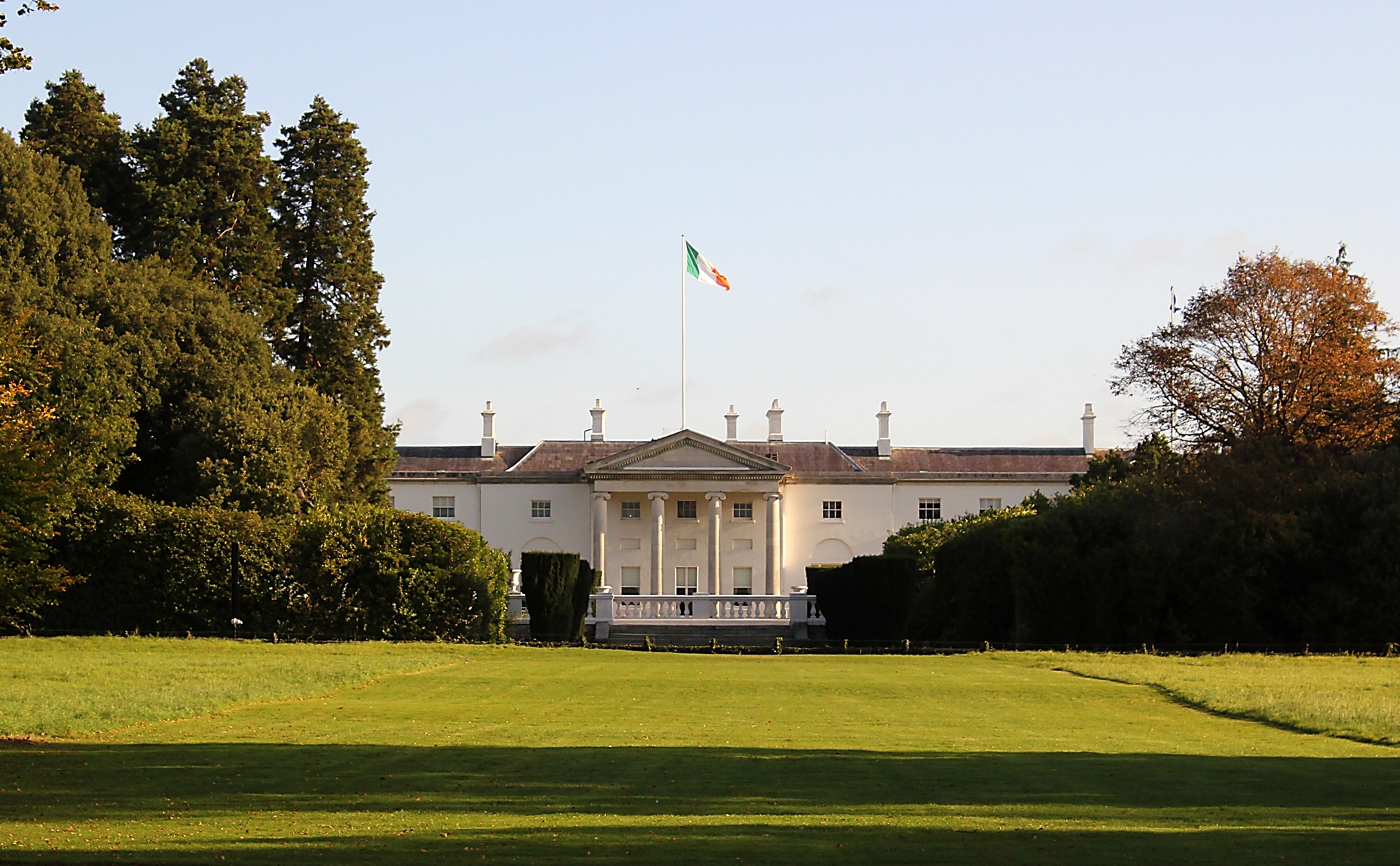
Kadriorg Palace
Kadriorg Palace is a Baroque palace built for Peter the Great on the Baltic shore at Tallinn. Its yellow facade, French garden and art museum repay a half day.
Kadriorg Palace stands in a quiet park about 2 kilometres east of the Old Town of Tallinn, and it is one of the finest Baroque palaces in the Baltic region. Peter the Great ordered it built for his wife, Catherine the First, after Russia took Estonia in the Great Northern War, and the palace still carries her name, because Kadriorg comes from the German Katharinenthal, the valley of Catherine. Today Kadriorg Palace is the home of the Kadriorg Art Museum, which shows the foreign art collection of the Art Museum of Estonia, and the park around it is one of the largest and most loved green spaces in the city.
Visitors come to Kadriorg Palace for three things at once, and they are all within walking distance of each other. The palace itself holds the royal rooms and the art collection, the park holds fountains, statues, flower gardens and a Japanese garden, and the Kumu Art Museum on the hill at the eastern edge of the park holds the art of Estonia from the eighteenth century to the present day. A traveller who gives Kadriorg Palace a morning or an afternoon will see the imperial past of Tallinn, the green heart of the modern city, and the best of Estonian art, all in one place.
Quick Facts
| Item | Detail |
|---|---|
| Palace | Kadriorg Palace, Baroque palace and art museum |
| Focus keyword | kadriorg palace |
| Location | Kadriorg district, Tallinn, Estonia |
| Coordinates | 59.43852° N, 24.791° E |
| Country | Estonia, Harju County, northern Baltic coast |
| Language | Estonian; English and Russian are widely used in tourism |
| Currency | Euro (EUR) |
| Transport | Trams 1 and 3 from the centre of Tallinn, buses, walking |
| Highlights | Kadriorg Palace, Kadriorg Art Museum, Kadriorg Park, Kumu Art Museum, Japanese Garden |
| UNESCO nearby | Historic Centre (Old Town) of Tallinn, inscribed 1997, reference 822; Estonia holds 2 World Heritage properties |
| Wikidata ID | Q7722735 |
Geography of Kadriorg Palace
Kadriorg Palace stands in the Kadriorg district, about 2 kilometres east of the Old Town of Tallinn, near the shore of the Baltic Sea. The district is a quiet residential area of wooden villas, parks and museums, very different from the medieval Old Town and from the modern centre of the city. From the Old Town, the tram to Kadriorg Palace takes about 15 minutes, and the walk takes about 30 minutes, through the Rotermann quarter and along the coast. The palace stands inside Kadriorg Park, with its main facade facing the French garden and the park, and its far side facing the sea.
The French garden lies directly in front of Kadriorg Palace, with symmetrical flower beds, fountains and statues, and the great park stretches to the east and south, with walking paths, ponds and woodland. The Japanese Garden lies inside the park, a quiet garden with a pond, a stone bridge and trees, given to Tallinn by the city of Kyoto in Japan. Kadriorg Park covers about 70 hectares and is one of the largest parks in Tallinn, and its straight avenues and its views to the Baltic Sea were laid out at the same time as the palace itself. A visitor who walks from Kadriorg Palace through the park to the sea can feel the whole design of the place, because the palace, the garden and the park were made as one composition.
The Kumu Art Museum stands at the eastern edge of Kadriorg Park, on a hill, in a modern building of limestone and glass, and it is one of the most important art museums in the Baltic region. From Kumu, the view reaches across Kadriorg Park to the Baltic Sea, and the museum shows Estonian art from the eighteenth century to the present day, with temporary exhibitions from abroad. The Kumu building won the title of European Museum of the Year in 2008, and it is the second great museum of the Kadriorg area, after the palace itself. Together, Kadriorg Palace and Kumu give the district two very different kinds of museum, one Baroque and one modern, within a single park.
Tallinn is the capital and the largest city of Estonia, with a population of about 450,000 people, on the northern coast of Estonia, across the Gulf of Finland from Helsinki in Finland. The Old Town of Tallinn, with its medieval walls, churches and squares, was inscribed on the World Heritage List in 1997 under reference 822, and it is one of the best preserved medieval old towns in Europe. The castle on Toompea hill, Toompea Castle, stands at the heart of that Old Town, and it is the natural first stop before the tram to Kadriorg.
Kadriorg Palace lies outside that inscribed area, about 2 kilometres to the east, in a district that grew up around the palace in the eighteenth century. The shore near Kadriorg Palace is a small beach with sand and a view across Tallinn Bay, and the walk along the coast leads east to Pirita, about 5 kilometres away, with its long beach, its monastery and its sailing centre, where the sailing events of the Olympic Games of 1980 were held.
The climate of Tallinn is temperate and oceanic, with cool summers of about 18 to 22 degrees Celsius and cold winters of about minus 5 to 0 degrees Celsius, with snow. The best time to visit Kadriorg Palace is from May to September, when the park is green, the fountains are running and the weather is warm. In winter, Kadriorg Park lies under snow and Kadriorg Palace still opens its doors, so the palace gives a different picture, with the yellow facade against white ground and the garden quiet under frost.
History of Kadriorg Palace
The history of Kadriorg Palace begins in 1710, when Peter the Great took Tallinn, then called Reval, in the Great Northern War, and Estonia became part of the Russian Empire. In 1718, Peter the Great began building a summer palace for his wife, Catherine the First, in a valley near the sea, under the name Katharinenthal, the valley of Catherine. The Italian architect Niccolo Michetti designed Kadriorg Palace in the Baroque style, with Peter himself supervising the work and taking an interest in every detail of the building. The palace was built from 1718 to 1725, with craftsmen from Russia, Italy and Germany, and it was one of the first Baroque palaces in the Baltic region.
Peter the Great died in 1725, in the very year Kadriorg Palace was finished, and Catherine the First, who followed him as ruler, lived in the palace for only a short time before her death in 1727. After that, the palace was little used by the later rulers of Russia, and it became a residence for Russian officials and for royal guests visiting Tallinn. In the nineteenth century, the rulers of Russia used Kadriorg Palace again as a summer residence when they visited Estonia, and the garden and the park were enlarged. The palace therefore spent most of its first two centuries as a quiet retreat rather than a busy court, and that calm still marks the place today.
In 1918, Estonia declared independence, and Kadriorg Palace became the property of the Estonian state. In the 1930s, the palace was the official residence of the president of Estonia, Konstantin Pats, who had the palace restored and enlarged.
During the Second World War and the Soviet period, Kadriorg Palace was used as an art museum, holding the foreign art collection of the Art Museum of Estonia. In 1991, Estonia restored its independence, and Kadriorg Palace remained an art museum, with great restoration work in the early years of the twenty-first century. In 2006, the Kumu Art Museum opened near the palace, and the Kadriorg Art Museum then focused on foreign art from the sixteenth to the twentieth centuries.
The Kadriorg Art Museum today shows the largest collection of foreign art in Estonia, with works by Dutch, German, Italian and Russian painters from the sixteenth to the twentieth centuries. The collection holds paintings, sculpture, ceramics and furniture, with works by Estonian artists as well, and the palace also hosts temporary exhibitions, concerts and cultural events. Kadriorg Palace is therefore one of the most important cultural centres of Tallinn, and its history runs from the Russian Empire through Estonian independence, war and Soviet rule, to the present day. The palace is a record of the city itself, because every change in Tallinn left a mark on its rooms and its garden.
Timeline
| Year | Event |
|---|---|
| 1710 | Peter the Great takes Tallinn in the Great Northern War |
| 1718 | Building of Kadriorg Palace begins for Catherine the First |
| 1725 | Kadriorg Palace is finished, and Peter the Great dies in the same year |
| 1930s | Kadriorg Palace is the official residence of President Konstantin Pats |
| 1991 | Estonia restores independence, and the palace remains an art museum |
| 2006 | The Kumu Art Museum opens near Kadriorg Palace |
| 2008 | The Kumu Art Museum is named European Museum of the Year |

Ceiling in the great hall of Kadriorg Palace in Tallinn , Estonia — CC BY-SA 4
Travel to Kadriorg Palace
Travellers reach Kadriorg Palace from the Old Town of Tallinn by tram 1 or tram 3, in about 15 minutes, or on foot in about 30 minutes through the Rotermann quarter and along the coast. The Kadriorg tram stop lies about 5 minutes on foot from the palace, through the park. Travellers can also take a bus to Kadriorg, or hire a bicycle and ride from the Old Town through the park. The walk from the Old Town is pleasant in summer, because the route runs past the harbour and the sea, and the park opens out as the traveller approaches the palace.
Inside Kadriorg Palace, visitors see the royal rooms, with furniture, paintings and sculpture from the eighteenth century, and the foreign art collection. Travellers should allow at least one hour for the palace, and another hour for the park and the garden. The Kumu Art Museum, near the palace, needs at least two hours, with its collection of Estonian art and its temporary exhibitions.
Kadriorg Park is one of the finest parks in Tallinn, with fountains, statues, flower gardens and woodland, and with paths for walking and cycling, and visitors can walk in the park, look at the fountains, visit the Japanese Garden and the rose garden, or sit on the grass looking towards the sea. In summer, the park hosts open-air concerts and cultural events.
The Japanese Garden lies inside Kadriorg Park, a quiet garden with a pond, a stone bridge and trees, given to Tallinn by the city of Kyoto, and it is a place to seek calm inside the park, with paths and stone benches and a view over the pond. The area around the palace also has cafes and restaurants, where visitors can rest after the visit. Travellers should combine Kadriorg Palace with the Old Town of Tallinn in the same trip, with the morning in the Old Town and the afternoon at the palace and the park. The best time to visit Kadriorg Palace is from May to September, when the park is green and the fountains are running, while in winter the palace still opens but the park lies under snow and the fountains stop.
Travellers with more time can continue to Tartu, the university city in the south of Estonia, and to Vilnius, the capital of Lithuania, for a longer journey through the Baltic states.
Notable Places in Kadriorg Palace
The places below all lie inside Kadriorg Park or just beyond it, and they can be visited in a single half day. Kadriorg Palace itself comes first, and the park and the museums follow in the order a traveller meets them on foot.
- Kadriorg Palace and the Kadriorg Art Museum — Kadriorg Palace is a Baroque palace with a pale yellow facade, built from 1718 to 1725 for Catherine the First. Inside the palace, visitors can see the great hall with its painted ceiling, the royal bedrooms and the galleries, with furniture and paintings from the eighteenth century. The Kadriorg Art Museum shows the largest collection of foreign art in Estonia, with works from the sixteenth to the twentieth centuries, and it is the heart of Kadriorg Palace as a place to visit.
- Kadriorg Park — Kadriorg Park covers about 70 hectares and is one of the largest parks in Tallinn, with fountains, statues, flower gardens and woodland. The park was laid out at the same time as the palace, with straight avenues and views to the Baltic Sea, and visitors can walk in the park, look at the fountains, visit the Japanese Garden and the rose garden, or ride a bicycle on the paths. The park is the green setting that makes Kadriorg Palace what it is.
- Kumu Art Museum — the Kumu Art Museum stands at the eastern edge of Kadriorg Park, on a hill, in a modern building of limestone and glass. The museum shows Estonian art from the eighteenth century to the present day, with temporary international exhibitions, and it was named European Museum of the Year in 2008. From Kumu, visitors can see the whole of Kadriorg Park and the Baltic Sea, and the museum needs at least two hours.
- Japanese Garden — the Japanese Garden lies inside Kadriorg Park, a quiet garden with a pond, a stone bridge and trees, given to Tallinn by the city of Kyoto. The garden is a place to seek calm inside the park, with paths, stone benches and a view over the pond, and it is one of the most loved corners of Kadriorg Park, especially in autumn when the leaves turn colour. A visit to Kadriorg Palace is not complete without a slow walk through the Japanese Garden.
- Kadriorg Shore and Pirita — the shore near Kadriorg Palace is a small beach with sand and a view across Tallinn Bay, where visitors can walk along the coast to the district of Pirita. Pirita lies about 5 kilometres east of Kadriorg Palace, with a long beach, the Pirita monastery and the sailing centre, where the sailing events of the Olympic Games of 1980 were held. Visitors can take a bus or ride a bicycle from Kadriorg Palace to Pirita in the same day, and the coast walk joins the palace to the sea.

Portrait de Catherine Dashkova – Ludwig Philipp Tishbeyn — Public domain
Frequently Asked Questions
Where is Kadriorg Palace?
Kadriorg Palace stands in the Kadriorg district, about 2 kilometres east of the centre of the Old Town of Tallinn, near the shore of the Baltic Sea. Visitors take tram 1 or tram 3 from the Old Town to Kadriorg in about 15 minutes, or walk in about 30 minutes. The palace stands inside Kadriorg Park.
When was Kadriorg Palace built?
Kadriorg Palace was built from 1718 to 1725 for Catherine the First, the wife of Peter the Great, to the design of the Italian architect Niccolo Michetti. The name Kadriorg comes from the German Katharinenthal, which means the valley of Catherine. Peter the Great died in 1725, the year the palace was finished.
What is inside Kadriorg Palace?
Inside Kadriorg Palace is the Kadriorg Art Museum, which shows the largest collection of foreign art in Estonia, with works from the sixteenth to the twentieth centuries. Visitors can see the royal rooms, with furniture and paintings from the eighteenth century. The palace also hosts temporary exhibitions, concerts and cultural events.
What is the Kumu Art Museum?
The Kumu Art Museum is the modern art museum of Estonia, near Kadriorg Palace, showing Estonian art from the eighteenth century to the present day. The museum was named European Museum of the Year in 2008 and is one of the most important art museums in the Baltic region. Kumu stands on a hill at the eastern edge of Kadriorg Park.
How much time should I allow for Kadriorg?
Visitors should allow at least half a day for Kadriorg, with one hour for the palace, one hour for the park and two hours for the Kumu Art Museum. Many visitors combine Kadriorg with the Old Town of Tallinn in the same day. A full day allows a slow walk through the park and along the shore to Pirita.
Which season is best for visiting Kadriorg?
May to September is the best time, when the park is green, the fountains are running and the weather is warm. In winter, the palace still opens, but the park lies under snow and the fountains stop. Autumn is also fine, especially in the Japanese Garden when the leaves turn colour.
Verified
The dates and figures below were confirmed against their sources on 22 November 2026. Kadriorg Palace was built from 1718 to 1725 for Catherine the First, to the design of the Italian architect Niccolo Michetti, and the name comes from the German Katharinenthal, the valley of Catherine. Peter the Great took Tallinn in 1710 in the Great Northern War, died in 1725, and Catherine the First died in 1727 after living in the palace for only a short time. In the 1930s the palace was the official residence of President Konstantin Pats, in 1991 Estonia restored its independence, and the Kumu Art Museum opened in 2006 and was named European Museum of the Year in 2008.
Kadriorg Park covers about 70 hectares, and the palace stands about 2 kilometres east of the Old Town of Tallinn. The Historic Centre, the Old Town, of Tallinn was inscribed on the World Heritage List in 1997 under reference 822 and criteria (ii) and (iv), with a property of 113 hectares and a buffer zone of 2,253 hectares, and Estonia holds two World Heritage properties, the Old Town of Tallinn and the Struve Geodetic Arc, reference 1187, inscribed in 2005. Kadriorg Palace itself is not inscribed, and it stands outside the inscribed area of the Old Town, so the article does not present it as a World Heritage property.
Sources
- UNESCO World Heritage Centre, Historic Centre (Old Town) of Tallinn, reference 822, inscribed 1997, criteria (ii) and (iv): https://whc.unesco.org/en/list/822/
- UNESCO World Heritage Centre, Estonia, 2 World Heritage properties: https://whc.unesco.org/en/statesparties/ee/
- UNESCO World Heritage Centre, decision of the twenty-first session, inscription of the Historic Centre (Old Town) of Tallinn, reference 822: https://whc.unesco.org/en/decisions/2876
- Art Museum of Estonia, official site, Kadriorg Art Museum and Kumu Art Museum: https://kunstimuuseum.ekm.ee/en/
- Visit Tallinn, official tourism site, Kadriorg Park and transport: https://www.visittallinn.ee/eng
- Wikidata, Kadriorg Palace, Q7722735, palace, coordinates 59.43852° N, 24.791° E, checked through the Wikidata API on 22 November 2026
- Focus keyword kadriorg palace, with related forms kadriorg palace tallinn, kadriorg tallinn, kadriorg castle and villa kadriorg: batch-eu30-en-keywords.json, from the Planner file gom-nhom-4279-dia-danh-uu-tien-DongAu-BacAu-EN-US.xlsx
Unverified
- Opening hours and ticket prices for Kadriorg Palace and the Kumu Art Museum, because they change with the season and the article states no hours or prices, so they should be checked on the official site of the Art Museum of Estonia before going.
- The area of Kadriorg Park, given as about 70 hectares, because it comes from compiled sources and has not been matched against an official figure of the city of Tallinn, so it should be checked before publication.
- The population of Tallinn, given as about 450,000 people, because it is a rounded figure from compiled sources and has not been matched against the latest census of Estonia, so it should be checked before publication.
- The timetable of trams 1 and 3 to Kadriorg, because the article gives the usual journey time of about 15 minutes and the service changes, so the timetable for the day of the visit should be checked before travelling.
- The year the Japanese Garden was given to Tallinn by the city of Kyoto, because it has not been matched against an official source, so it should be checked before publication.
Illustrations
- Hero: View of Kadriorg Palace. Free image: https://upload.wikimedia.org/wikipedia/commons/1/18/Tallinn_asv2022-04_img18_Kadriorg_Palace.jpg — FAL.
- In body, Kadriorg Palace: Portrait de Catherine Dashkova – Ludwig Philipp Tishbeyn. Free image: https://upload.wikimedia.org/wikipedia/commons/c/cb/Kadriorg_Palace%2C_Portrait_de_Catherine_Dashkova_-_Ludwig_Philipp_Tishbeyn.jpg — Public domain.
- In body, Kadriorg Palace: Ceiling in the great hall of Kadriorg Palace in Tallinn , Estonia. Free image: https://upload.wikimedia.org/wikipedia/commons/6/6a/Kadriorg_Palace_le_plafond_du_grand_hall.jpg — CC BY-SA 4.