Countries: luxembourg

  • ルクセンブルク 観光:ヨーロッパの中心の小さな大公国

    ルクセンブルク 観光:ヨーロッパの中心の小さな大公国

    その旅は、ベルギーとフランスとドイツに囲まれた小さな国から始まる。

    この国は、面積約2,586平方キロメートルの大公国である。

    その人口は、約67万人ほどである。

    この国は、世界で唯一の大公国として知られる。

    その元首は、大公である。

    この首都は、ルクセンブルク市である。

    その首都は、ヨーロッパの金融と政治の中心の一つである。

    この国は、欧州連合の創設国の一つである。

    その国は、北大西洋条約機構とベネルクスにも加盟している。

    この国では、ルクセンブルク語とフランス語とドイツ語が公用語である。

    その国は、国民一人当たりの所得が世界でも高い。

    この経済は、金融と鉄鋼とサービスで支えられている。

    その国の歴史は、963年の要塞の建設から始まる。

    この要塞は、「北のジブラルタル」と呼ばれた。

    首都の旧市街と要塞は、1994年にユネスコの世界遺産として認められた。

    この首都の旧市街は、要塞と古い街区で知られる。

    そのシェンゲン村は、1985年の協定の名前の由来である。

    このモーゼル川沿いは、ワインの産地である。

    そのミュラータールは、「小さなスイス」と呼ばれる渓谷である。

    このヴィアンデン城は、丘の上に立つ美しい城である。

    そのエヒタナハは、古い修道院の町である。

    この国は、小さいながら緑が多い。

    その国の森と渓谷は、ハイキングの旅人に人気である。

    この首都の渓谷は、深い谷と橋の風景で知られる。

    その国の交通は、公共交通が無料である。

    この国の公共交通の無料化は、2020年に始まった。

    その国の生活は、質が高いとされる。

    この国の旅は、小さな国の一日で回れる。

    その国の旅人は、首都と渓谷と城を組み合わせる。

    この国の春は、渓谷の花が咲く。

    その国の夏は、ワインの村がにぎわう。

    この国の秋は、森が色づく。

    その国の冬は、首都の市場が灯る。

    この国の旅は、ヨーロッパの小さな国の大きな魅力をくれる。

    クイックプロフィール

    項目 内容
    正式名 ルクセンブルク大公国
    面積 約2,586平方キロメートル
    人口 約67万人
    首都 ルクセンブルク市
    元首 大公
    公用語 ルクセンブルク語、フランス語、ドイツ語
    隣国 ベルギー、フランス、ドイツ
    建国 963年にジークフリート伯が要塞を築いた
    世界遺産 首都の旧市街と要塞が1994年に認められた
    座標 北緯49.77度、東経6.13度
    ウィキデータ ルクセンブルクQ32の項目に、この国の位置と国のかたちと首都の名が載っており、ベルギーとフランスとドイツに囲まれた大公国であることが確かめられる。親のヨーロッパはヨーロッパQ46で、座標は記されていない。

    地理

    三つの国に囲まれた小さな国

    その国は、西ヨーロッパの小さな内陸国である。

    この国の西は、ベルギーと接している。

    その国の南は、フランスと接している。

    この国の東は、ドイツと接している。

    その国の北は、ベルギーのアルデンヌ地方とつながる。

    この国の面積は、約2,586平方キロメートルである。

    その国の面積は、日本の神奈川県より少し小さいほどである。

    この国の南北の長さは、約82キロメートルほどである。

    その国の東西の幅は、約57キロメートルほどである。

    この国の人口は、約67万人である。

    その国の人口の半数近くが首都圏に暮らす。

    この国の地形は、北の丘陵と南の平野に分かれる。

    その国の北は、アルデンヌの丘陵と森が広がる。

    この国の南は、グートラントと呼ばれる平野である。

    その国の南の平野は、農業と都市の地域である。

    ルクセンブルク 観光の国の川は、モーゼル川とザウアー川とアルゼット川である。

    ルクセンブルク 観光のモーゼル川は、ドイツとの国境を流れる。

    ルクセンブルク 観光のモーゼル川沿いは、ワインの畑が続く。

    ルクセンブルク 観光のザウアー川は、北の渓谷を流れる。

    ルクセンブルク 観光のアルゼット川は、首都の谷を流れる。

    ルクセンブルク 観光の国の気候は、海洋性と大陸性の間にある。

    ルクセンブルク 観光の国の夏は、穏やかで過ごしやすい。

    ルクセンブルク 観光の国の冬は、冷え込み、雪が降ることもある。

    ルクセンブルク 観光の国の雨は、一年を通して降る。

    ルクセンブルク 観光の国の森は、国土の三分の一ほどを占める。

    ルクセンブルク 観光の国の森は、ハイキングと自転車の道が整備されている。

    首都の渓谷と要塞の町

    ルクセンブルク 観光の首都は、深い渓谷に囲まれた要塞の町である。

    ルクセンブルク 観光の首都の旧市街は、岩の上に建っている。

    ルクセンブルク 観光の首都の旧市街の下には、アルゼット川とペトリュス川が流れる。

    ルクセンブルク 観光の首都の渓谷の深さは、数十メートルに及ぶ。

    ルクセンブルク 観光の首都の渓谷には、大きな橋がかかっている。

    ルクセンブルク 観光の首都のアドルフ橋は、町の象徴の一つである。

    ルクセンブルク 観光の首都の要塞の地下道は、ボックの砲台として知られる。

    ルクセンブルク 観光の首都の地下道は、岩の中に掘られた長い通路である。

    ルクセンブルク 観光の首都の地下道は、見学ができる。

    この首都の旧市街は、1994年に世界遺産に名を連ねた。

    ルクセンブルク 観光の首都の旧市街の建物は、石造りの古い家が多い。

    ルクセンブルク 観光の首都の旧市街の広場は、憲法広場が中心である。

    ルクセンブルク 観光の首都の旧市街の市場は、土曜日に開かれる。

    ルクセンブルク 観光の首都の新市街は、駅の周辺に広がる。

    ルクセンブルク 観光の首都のキルヒベルク地区は、欧州連合の機関が集まる。

    ルクセンブルク 観光の首都のキルヒベルクには、欧州裁判所がある。

    キルヒベルクの地区には、欧州投資銀行の建物もある。

    ルクセンブルク 観光の首都のプファフェンタールには、展望エレベーターがある。

    ルクセンブルク 観光の首都のエレベーターは、渓谷の上と下を結ぶ。

    ルクセンブルク 観光の首都のエレベーターに乗ると、旧市街の眺めが眼下に広がるのが見える。

    ルクセンブルク 観光の首都の渓谷の公園は、市民の散歩の場である。

    ルクセンブルク 観光の首都の渓谷の道は、自転車の旅人にも人気である。

    ルクセンブルク 観光の首都の夜は、旧市街の灯りが渓谷に映る。

    ルクセンブルク 観光の首都の朝は、渓谷の霧が町を包むことがある。

    渓谷と城とワインの村

    ルクセンブルク 観光の国の北は、ミュラータールの渓谷で知られる。

    ルクセンブルク 観光のミュラータールは、岩と森の景色が続く。

    ルクセンブルク 観光のミュラータールの岩は、砂岩の奇岩である。

    ルクセンブルク 観光のミュラータールの道は、ハイキングのコースとして整備されている。

    ルクセンブルク 観光のミュラータールの村は、小さな宿とレストランがある。

    ルクセンブルク 観光の国の北には、ヴィアンデン城がある。

    ルクセンブルク 観光のヴィアンデン城は、丘の上に立つ大きな城である。

    ルクセンブルク 観光のヴィアンデン城は、11世紀から14世紀にかけて建てられた。

    ルクセンブルク 観光のヴィアンデン城は、修復され、見学ができる。

    ルクセンブルク 観光の国の東には、エヒタナハの町がある。

    ルクセンブルク 観光のエヒタナハは、7世紀の修道院に由来する町である。

    ルクセンブルク 観光のエヒタナハの修道院は、写本の文化で知られた。

    ルクセンブルク 観光の国の南東には、モーゼル川のワインの村がある。

    ルクセンブルク 観光のモーゼル川のワインは、白ワインが中心である。

    ルクセンブルク 観光のモーゼル川の畑は、川沿いの斜面に広がる。

    ルクセンブルク 観光のモーゼル川の村のシェンゲンは、1985年の協定の名前の由来である。

    ルクセンブルク 観光のシェンゲン協定は、国境の自由な往来を定めた。

    ルクセンブルク 観光のシェンゲンの村には、協定の記念館がある。

    ルクセンブルク 観光の国の南には、エシュ=シュル=アルゼットの町がある。

    ルクセンブルク 観光のエシュは、鉄鋼の歴史を持つ工業の町である。

    ルクセンブルク 観光のエシュは、2022年に欧州文化首都になった。

    ルクセンブルク 観光の国の村々は、城と修道院とワインの歴史を伝える。

    ルクセンブルク 観光の国の旅は、首都と渓谷と村を結ぶ道になる。

    ルクセンブルク 観光の国の自然は、小さい国の中に多様な顔を持つ。

    ルクセンブルク市の城壁から望む旧市街の眺望。

    ルクセンブルク市の城壁から望む旧市街の眺望。 — CC BY-SA 4

    歴史

    963年の要塞から伯国へ

    ルクセンブルク 観光の歴史は、963年に始まる。

    ルクセンブルク 観光の963年は、ジークフリート伯が岩の上に要塞を築いた年である。

    ルクセンブルク 観光の要塞は、アルゼット川の谷を見下ろす岩の上にあった。

    ルクセンブルク 観光の要塞の名は、古い言葉で小さな城を意味した。

    ルクセンブルク 観光の要塞の周りに、町が育っていった。

    ルクセンブルク 観光の町は、交易の道の交わる場所になった。

    ルクセンブルク 観光の伯国は、11世紀から13世紀にかけて力を伸ばした。

    ルクセンブルク 観光の伯国の君主は、神聖ローマ帝国の皇帝にもなった。

    ルクセンブルク 観光のルクセンブルク家は、14世紀にボヘミア王も兼ねた。

    ルクセンブルク 観光のルクセンブルク家の皇帝は、プラハを都とした。

    ルクセンブルク 観光の伯国は、1443年にブルゴーニュ公国に渡った。

    ルクセンブルク 観光の領土は、その後ハプスブルク家の手に渡った。

    ルクセンブルク 観光の要塞は、16世紀から17世紀にかけて強化された。

    ルクセンブルク 観光の要塞は、スペインとフランスの争いの舞台になった。

    ルクセンブルク 観光の要塞は、「北のジブラルタル」と呼ばれるようになった。

    ルクセンブルク 観光の要塞の地下道は、何キロメートルにも及んだ。

    ルクセンブルク 観光の要塞の地下道は、守備の兵の通路であった。

    ルクセンブルク 観光の要塞の歴史は、ヨーロッパの権力の歴史でもある。

    ルクセンブルク 観光の要塞の岩は、今も首都の旧市街に残る。

    ルクセンブルク 観光の963年という年は、国の歴史の出発点である。

    ルクセンブルク 観光の要塞の姿は、首都の景色の中心である。

    ルクセンブルク 観光の伯国の時代は、国の名の由来でもある。

    ルクセンブルク 観光の歴史は、要塞の岩の上から始まった。

    大公国への道と中立

    ルクセンブルク 観光の国は、1815年に大公国になった。

    ルクセンブルク 観光の1815年は、ウィーン会議で領土が定められた年である。

    ルクセンブルク 観光の大公国は、オランダ王が大公を兼ねた。

    ルクセンブルク 観光の国は、1839年に領土が縮小した。

    ルクセンブルク 観光の1839年の条約で、国の西側がベルギーに渡った。

    ルクセンブルク 観光の国は、1867年に中立国と定められた。

    ルクセンブルク 観光の1867年のロンドン条約で、要塞の解体が決まった。

    ルクセンブルク 観光の要塞の解体は、町の姿を大きく変えた。

    ルクセンブルク 観光の要塞の跡は、公園と散歩道になった。

    ルクセンブルク 観光の国は、1890年に独自の大公を持つようになった。

    ルクセンブルク 観光の1890年は、オランダとの同君連合が終わった年である。

    ルクセンブルク 観光の国は、第一次世界大戦のときにもドイツ軍が入り、占領された。

    ルクセンブルク 観光の国は、第二次世界大戦のとき、ドイツに占領され、多くの市民が苦しんだ。

    ルクセンブルク 観光の国の占領の記憶は、首都の記念碑に刻まれている。

    ルクセンブルク 観光の国は、戦後に中立を捨て、国際協力へ進んだ。

    ルクセンブルク 観光の国は、1949年に北大西洋条約機構に加盟した。

    ルクセンブルク 観光の国は、1951年に欧州石炭鉄鋼共同体に加わった。

    ルクセンブルク 観光の国は、1957年に欧州経済共同体の創設国になった。

    ルクセンブルク 観光の国は、1948年にベネルクス関税同盟を結んだ。

    ルクセンブルク 観光の国の中立の時代は、戦争の記憶とともに終わった。

    ルクセンブルク 観光の国の大公国の歴史は、独立と協力の両方を歩んできた。

    ルクセンブルク 観光の国の1815年と1867年は、国の姿を決めた年である。

    ルクセンブルク 観光の国の歴史は、小さな国が生き残る知恵の歴史でもある。

    鉄鋼から金融へ

    ルクセンブルク 観光の国の経済は、19世紀に鉄鋼で栄えた。

    ルクセンブルク 観光の国の南には、鉄鉱石の鉱山があった。

    ルクセンブルク 観光の国の鉄鋼業は、エシュの町を中心に発展した。

    ルクセンブルク 観光の国の鉄鋼の労働者は、イタリアやポルトガルからも来た。

    ルクセンブルク 観光の国の人口は、移民で増えていった。

    ルクセンブルク 観光の国の外国人の割合は、今も高い。

    ルクセンブルク 観光の国の鉄鋼業は、20世紀後半に縮小した。

    ルクセンブルク 観光の国は、金融の中心へと姿を変えた。

    ルクセンブルク 観光の国の金融は、銀行と投資ファンドが集まる。

    ルクセンブルク 観光の国の首都のキルヒベルクは、金融と欧州機関の地区になった。

    ルクセンブルク 観光の国の経済は、サービス業が中心になった。

    ルクセンブルク 観光の国の所得は、世界でも高い水準にある。

    ルクセンブルク 観光の国の生活は、緑と公共交通の充実で知られる。

    ルクセンブルク 観光の国の公共交通は、2020年に無料になった。

    ルクセンブルク 観光の国の無料の公共交通は、世界でも珍しい試みである。

    ルクセンブルク 観光の国の首都は、旧市街が1994年に世界遺産の一覧に加わったことで知られている。

    ルクセンブルク 観光の国の世界遺産の登録は、要塞の歴史の評価であった。

    ルクセンブルク 観光の国の文化は、三つの言語が交わる。

    ルクセンブルク 観光の国の学校では、三つの言語が教えられる。

    ルクセンブルク 観光の国の今は、金融と文化と緑の国である。

    ルクセンブルク 観光の国の未来も、小さな国の大きな役割で語られる。

    ルクセンブルク 観光の国の歴史は、鉄の町から金融の都への変化の歴史である。

    ルクセンブルク 観光の国の歩みは、ヨーロッパの統合の歩みでもある。

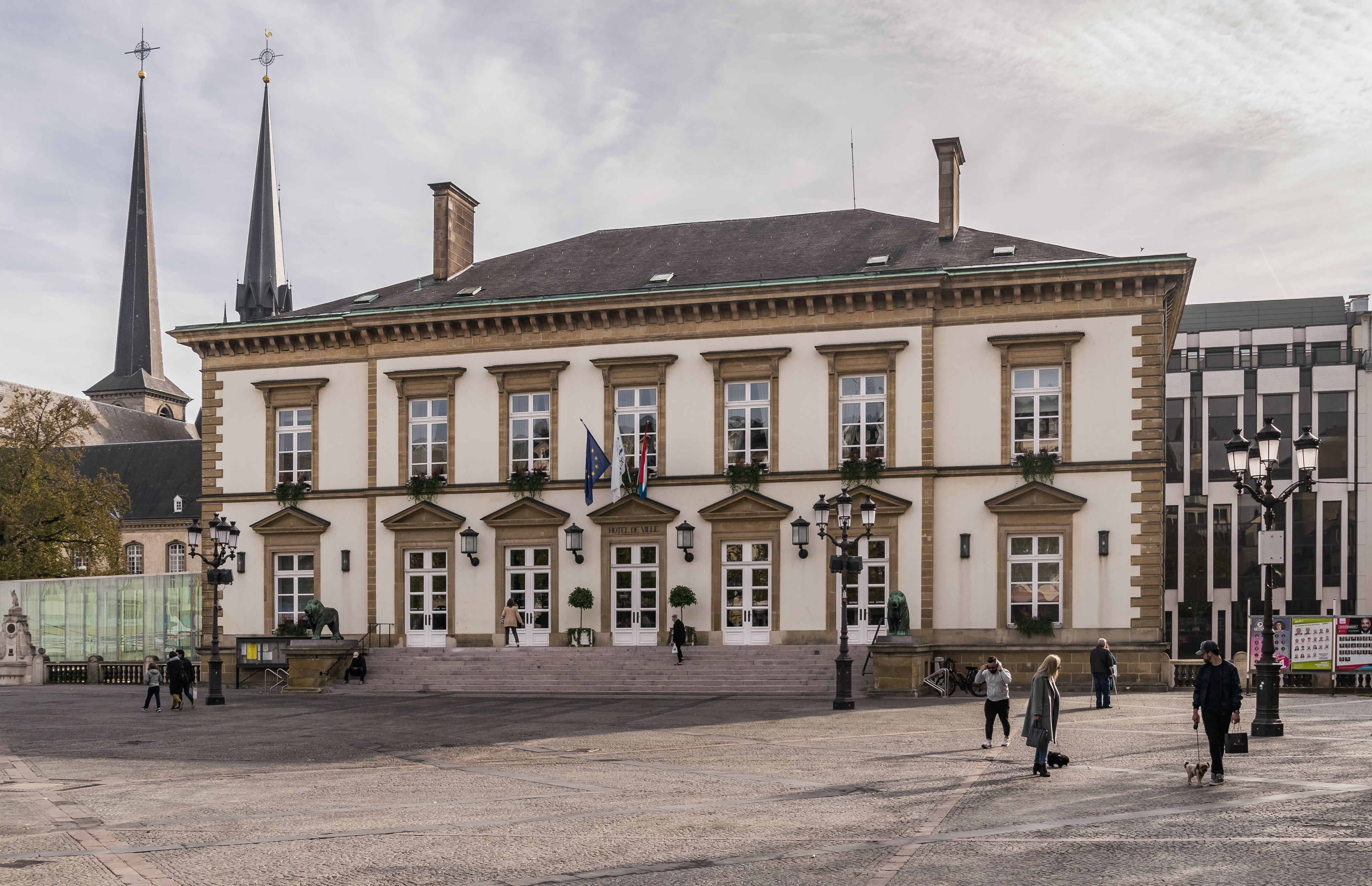
    ルクセンブルク市の市庁舎の建物の外観。

    ルクセンブルク市の市庁舎の建物の外観。 — CC BY-SA 4

    観光

    ルクセンブルク 観光の旅人は、まず首都の旧市街と要塞を歩く。

    ルクセンブルク 観光では、ボックの地下道の見学が人気である。

    ルクセンブルク 観光のプファフェンタールのエレベーターは、渓谷の眺めを楽しめる。

    ルクセンブルク 観光の憲法広場は、旧市街の散歩の出発点になる。

    ルクセンブルク 観光のミュラータールは、ハイキングの一日の行き先である。

    ルクセンブルク 観光のヴィアンデン城は、城の見学と町の散歩を楽しめる。

    ルクセンブルク 観光のモーゼル川沿いでは、ワインの試飲ができる村がある。

    ルクセンブルク 観光のシェンゲンでは、協定の記念館を訪れられる。

    ルクセンブルク 観光のエヒタナハは、修道院の町の静けさを楽しめる。

    ルクセンブルク 観光の国の公共交通は無料で、バスと電車と路面電車が使える。

    ルクセンブルク 観光の移動は、無料の交通で気軽にできる。

    ルクセンブルク 観光の宿泊は、首都のホテルが便利である。

    ルクセンブルク 観光の食事は、フランスとドイツの影響を受けた料理が楽しめる。

    ルクセンブルク 観光の土産は、モーゼルワインが人気である。

    ルクセンブルク 観光の旅は、二日あれば首都と渓谷と城を回れる。

    ルクセンブルク 観光の春は、渓谷のハイキングが気持ちよい。

    ルクセンブルク 観光の夏は、ワインの村がにぎわう。

    ルクセンブルク 観光の秋は、森の紅葉が見頃になる。

    ルクセンブルク 観光の冬は、首都のクリスマス市場が灯る。

    ルクセンブルク 観光の旅人は、三つの言語の看板にも出会う。

    シュマン・ド・ラ・コルニッシュは、ヨーロッパで最も美しいバルコニーと呼ばれる道である。

    コルニッシュの道からは、渓谷の眺めが広がる。

    プファフェンタールのエレベーターは、2016年に開通した。

    エレベーターの高さは、約71メートルである。

    ムダムは、現代美術の博物館である。

    ムダムの建物は、建築家イオ・ミン・ペイの設計である。

    フィルハーモニーは、コンサートホールである。

    フィルハーモニーの建物は、2005年に完成した。

    憲法広場の記念碑は、ゲレ・フラと呼ばれる。

    ゲレ・フラは、1923年に建てられた金の像である。

    アドルフ橋は、1903年に完成した橋である。

    アドルフ橋は、旧市街と駅を結ぶ。

    国立歴史美術博物館は、旧市街の中心にある。

    博物館では、ルクセンブルクの歴史が学べる。

    ドライ・エシェレン博物館は、要塞の歴史を伝える。

    博物館は、フォール・テュンゲンの跡にある。

    首都の広場のカフェは、観光客と地元の人でにぎわう。

    国の路面電車は、首都の中心を走る。

    首都の欧州裁判所の建物は、現代的なガラスの建物である。

    エシュの旧製鉄所は、文化施設に生まれ変わった。

    国のワインの村のレストランは、川沿いの席が人気である。

    国の森のハイキング道は、標識が整備されている。

    国の首都の駅の周辺は、商店とオフィスが並ぶ新しい地区である。

    北の森の道は、ハイキングと自転車のために整備されている。

    国の首都の公園は、市民の散歩の場である。

    国の秋の森は、紅葉が見頃になる。

    見どころ

    • 首都の旧市街と要塞は、岩の上の町と地下道の見学が楽しめる。
    • ボックの砲台は、岩に掘られた長い地下道で、要塞の歴史を伝える。
    • プファフェンタールの展望エレベーターは、渓谷と旧市街の眺めを結ぶ。
    • ミュラータールの渓谷は、砂岩の奇岩と森のハイキング道で知られる。
    • ヴィアンデン城は、丘の上に立つ大きな城で、見学ができる。
    • モーゼル川のワインの村は、白ワインと川沿いの畑の景色が楽しめる。

    よくある質問

    ルクセンブルクはどのくらいの大きさの国ですか

    ルクセンブルク 観光の国は、面積約2,586平方キロメートルで、人口は約67万人である。

    ルクセンブルク 観光の国は、車で一日で横断できる小さな国である。

    ルクセンブルクの公共交通は本当に無料ですか

    ルクセンブルク 観光の国では、2020年から公共交通が無料で利用できるようになり、旅人の移動が楽になった。

    ルクセンブルク 観光のバスと電車と路面電車は、切符なしで乗れる。

    ルクセンブルクの公用語は何ですか

    国では、ルクセンブルク語とフランス語とドイツ語の三つが公用語として使われている。

    ルクセンブルク 観光の観光の場では、英語もよく通じる。

    ルクセンブルク市の旧市街は世界遺産ですか

    ルクセンブルク 観光の首都の旧市街と要塞は、1994年に世界遺産に認められた。

    ルクセンブルク 観光の旧市街の見学は、要塞の地下道と一緒に楽しめる。

    ルクセンブルクへは何日あればよいですか

    この旅は、二日あれば首都と渓谷と城を回れる。

    ルクセンブルク 観光の一日の旅では、首都の旧市街を中心に歩くとよい。

    ルクセンブルクでワインは楽しめますか

    モーゼル川の村では、畑で造られたワインを味わうことができる。

    ルクセンブルク 観光のワインの村は、川沿いの畑の景色も楽しめる。

    検証済み

    • 面積約2,586平方キロメートルと人口約67万人は、国の公開資料に基づく数値である。
    • 963年にジークフリート伯が要塞を築いたことは、国の歴史資料で確かめられる。
    • 公共交通が2020年に無料になったことは、国の交通当局の記録で確かめられる。
    • 北緯49.77度、東経6.13度の座標は、ウィキデータの項目と一致する。
    • 首都の旧市街が1994年に世界遺産に認められたことは、ユネスコの記録で確かめられる。

    情報源

    • ウィキデータのルクセンブルクのデータには、Q32という番号と正式名称が記され、フランス語とドイツ語とルクセンブルク語の呼び名と国という分類を並べることで、ベルギーとフランスとドイツに囲まれた大公国の姿を思い描く手がかりが得られる。
    • ルクセンブルクの要塞と大公国の歩みは、ウィキペディア英語版の項目が、963年の築城から欧州連合の創設国への道のりを詳しく解説している(Luxembourg)。
    • ルクセンブルクの公式観光案内Visit Luxembourgでは、首都と渓谷と城の情報が紹介されている。
    • ルクセンブルク政府の公式サイトGovernment of Luxembourgでは、国の制度と歴史が確かめられる。
    • フランスのパリは、ルクセンブルクの南の隣国の首都で、芸術と歴史の都として知られている。
    • ドイツのベルリンは、ルクセンブルクの東の隣国の首都で、歴史と文化の都として知られている。

    オランダの首都アムステルダムは、運河の街として知られる西ヨーロッパの大都市で、ルクセンブルクの小さな都とは対照的ににぎわっている。

    未検証

    • 国の南北の長さと東西の幅の数値は、概算であり、公式の測定で確かめられていない。
    • ミュラータールのハイキング道の距離は、コースによって変わるため、現地で確かめるのがよい。
    • ヴィアンデン城の見学は、料金と時間が季節で変わるため、公式サイトの案内を確かめるとよい。

    Illustrations

    • Hero: アルゼット川沿いのプファッフェンタール地区の街並み。 Free image: https://upload.wikimedia.org/wikipedia/commons/2/2e/Luxembourg_Pfaffenthal_Alzette_B%C3%A9inchen_01.jpg — CC BY-SA 3.

    • In body, 市庁舎: ルクセンブルク市の市庁舎の建物の外観。 Free image: https://upload.wikimedia.org/wikipedia/commons/a/ad/City_Hall_of_Luxembourg_City_01.jpg — CC BY-SA 4.

    • In body, 旧市街: ルクセンブルク市の城壁から望む旧市街の眺望。 Free image: https://upload.wikimedia.org/wikipedia/commons/a/a8/Luxembourg_City_-_Sch%C3%A9ieschlach_depuis_Rempart.jpg — CC BY-SA 4.
  • Luxembourg

    Luxembourg

    Luxembourg is a small Grand Duchy wedged between Belgium, France and Germany. Its fortified capital, castles and vineyards fit inside 2,586 square kilometres.

    The Grand Duchy of Luxembourg is the only sovereign grand duchy left in the world, and it packs an unusual amount of history, wealth and green landscape into one of the smallest countries in Europe. Luxembourg City rises on a steep rock above two river valleys, and its old quarters and fortifications carry the UNESCO inscription that marks the country on the world map. Beyond the capital, the Mullerthal sandstone rocks, the wine villages of the Moselle and the castles of the Ardennes give the country a quieter, rural side that most visitors miss. Luxembourg also runs the first free public transport system in the world, so a traveller can cross the whole country by bus, tram and train without buying a ticket.

    Quick Facts

    Item Detail
    Name Luxembourg (Grand Duchy of Luxembourg)
    Type Country (L2), sovereign Grand Duchy
    Location Western Europe, between Belgium, France and Germany
    Coordinates 49.77° N, 6.13° E
    Capital Luxembourg City
    Population About 682,000 (1 January 2025, STATEC)
    Area 2,586 km²
    Languages Luxembourgish, French, German
    Currency Euro (EUR)
    Head of state Grand Duke Guillaume (since 3 October 2025)
    Government Constitutional monarchy, parliamentary democracy
    International Founding member of the European Union, NATO and Benelux
    UNESCO City of Luxembourg: its Old Quarters and Fortifications, inscribed 1994, reference 699
    Wikidata code Q32

    Luxembourg sits in Western Europe with Belgium to the west and north, France to the south and Germany to the east, and its capital stands in the south of the country on a high rock. The country is one of the smallest in Europe by area, yet it holds some of the busiest European institutions, including the Court of Justice of the European Union and the European Investment Bank. Luxembourg is also one of the richest countries in the world by income per person, with an economy built on finance, steel and services. Almost half of the people who live in Luxembourg were born in another country, which makes the Grand Duchy one of the most international places in Europe.

    Geography of Luxembourg

    The country covers 2,586 square kilometres, which makes it one of the smallest countries in Europe and smaller than many single regions of its neighbours. The country divides naturally into two landscapes that feel quite different from each other.

    The north, called the Oesling, is part of the Ardennes plateau, with high ground, deep forests, steep valleys and small villages. The south, called the Gutland, is lower and gentler, with farmland, gardens, towns and the vineyards that line the Moselle river. The highest point of the country is the Kneiff, at 560 metres, in the northern Ardennes, while the lowest point is the Moselle river at Wasserbillig, at 130 metres.

    Three rivers shape the geography of the country more than any other feature. The Moselle forms the eastern border with Germany for about 40 kilometres, and its sunny slopes carry the vineyards that produce the white wines of the region. The Sûre, known as the Sauer in German, flows through the north and east of the country and joins the Moselle at Wasserbillig. The Our forms the north-eastern border and winds through the Ardennes valleys around Vianden.

    The capital itself stands where the Alzette and the Pétrusse meet, on a rock that rises steeply above both valleys, and that natural position explains why a fortress grew there in the first place.

    The capital divides into quarters that sit on very different levels, and the contrast between them is one of the pleasures of visiting the city. The Upper Town holds the old quarters, the cathedral, the Grand Ducal Palace and the main squares, while the Grund and Pfaffenthal quarters lie far below in the valley, with old houses, churches and gardens along the Alzette. The Kirchberg plateau to the east holds the modern glass buildings of the European institutions, the Philharmonie concert hall and the Museum of Modern Art. Bridges and a glass lift connect the levels, and the views from the Corniche walkway, often called the most beautiful balcony in Europe, look across the valley to the fortifications and the green slopes beyond.

    The Mullerthal region in the east of Luxembourg is known as the Little Switzerland of Luxembourg, and the name fits its sandstone rocks, narrow gorges, streams and forests. The Mullerthal Trail runs for about 112 kilometres in three loops through this landscape, past rock formations, caves, waterfalls and small villages. The Moselle region in the south-east has a different character again, with a mild climate, vineyard terraces, wine villages and castles along the river. The Ardennes in the north stays quiet and wooded, with hiking and cycling routes through valleys that feel far from the busy capital.

    The walking season runs from late spring to early autumn, when the Mullerthal rocks are dry underfoot and the Moselle vineyards turn gold before the harvest. Summer days reach about 20 to 24 degrees Celsius, which suits the long trails and the vineyard walks, while winter brings cold air of about 0 to 5 degrees and occasional snow to the Ardennes. Rain falls through the year, and the green valleys of the country owe their colour to it. December suits a different kind of visit, with Christmas markets and winter concerts in the capital and the towns.

    Getting around the country is unusually easy, because it made all public transport free for everyone in 2020, the first country in the world to do so. Buses, trams and trains run across the whole country without tickets, and a traveller can ride from Luxembourg City to the Ardennes or the Moselle without paying a fare. Luxembourg Airport stands about 6 kilometres east of the capital, with flights to many European cities, and trains connect the capital with Brussels, Paris and Frankfurt in a few hours. The old Roman city of Trier lies just across the German border, about 50 kilometres from the capital.

    City Hall of Luxembourg City, Luxembourg

    City Hall of Luxembourg City, Luxembourg — CC BY-SA 4

    History of Luxembourg

    The history of Luxembourg begins in the year 963, when Count Sigfried, a Frankish nobleman, built a small fort on the rock that is now Luxembourg City. The fort grew into a town, and the town grew into a county that played a larger role in European politics than its size suggested. In the 14th century the counts of Luxembourg became dukes, and the House of Luxembourg produced several Holy Roman Emperors, including Charles the Fourth, who built Prague Castle and founded the university in Prague. The fortress on the rock kept growing, and by the early modern period it was one of the strongest fortresses in Europe, known as the Gibraltar of the North.

    The fortress passed from one great power to another over the centuries, and each owner strengthened it further. Burgundy took the city in 1443, and through inheritance it passed to the Habsburgs and then to Spain, which held it until 1684. The French king Louis the Fourteenth conquered the city and ordered Vauban, his great military engineer, to extend and reinforce the fortifications. The Austrians continued the work in the 18th century and created the fortress that earned the Gibraltar of the North name.

    After the Congress of Vienna, the Prussians built new military structures and held the fortress until the middle of the 19th century.

    The 19th century turned Luxembourg from a fortress town into an independent country. In 1839 the territory was partitioned, with the western part going to Belgium and the rest becoming an independent Grand Duchy under the Dutch king as Grand Duke. The Treaty of London in 1867 recognised the neutrality of Luxembourg and ordered the fortress to be dismantled, and most of the walls and bastions were pulled down, although the casemates and some gates survived. The dismantling opened the city to growth, and the old quarters kept their street plan while new districts spread beyond the former walls.

    The 20th century brought occupation and then a new role at the heart of Europe. Germany occupied Luxembourg in both world wars, in 1914 and again from 1940 to 1944, and the country suffered heavily, especially in the Ardennes during the Battle of the Bulge in the winter of 1944. After the Second World War, Luxembourg became a founding member of NATO in 1949, of the European Coal and Steel Community in 1951 and of the European Economic Community in 1957. The steel industry that had built the economy declined, and finance took its place, with banks and European institutions bringing wealth and an international population to the capital.

    The 21st century has kept Luxembourg at the centre of European politics and finance, with the Court of Justice of the European Union, the European Investment Bank and the European Court of Auditors all based in the Kirchberg district. The country has also become a popular destination for travellers who want a small, calm and green corner of Europe, with castles, valleys, forests and historic towns. On 3 October 2025 Grand Duke Henri abdicated after 25 years on the throne, and his eldest son Guillaume became Grand Duke, the first change of monarch in a quarter of a century.

    Timeline

    Year Event
    963 Count Sigfried builds a fort on the rock of Luxembourg
    14th century Luxembourg becomes a duchy; the House of Luxembourg produces Holy Roman Emperors
    1443 Burgundy takes the city; it passes to the Habsburgs and then to Spain
    1684 France conquers the city; Vauban extends the fortifications
    1839 Partition: the western part goes to Belgium; the rest becomes an independent Grand Duchy
    1867 Treaty of London recognises Luxembourg neutrality; the fortress is dismantled
    1914 Germany occupies Luxembourg in the First World War
    1940–1944 Germany occupies Luxembourg in the Second World War
    1949 Luxembourg becomes a founding member of NATO
    1957 Luxembourg becomes a founding member of the European Economic Community
    1994 Luxembourg City is inscribed by UNESCO, reference 699
    2020 Luxembourg makes all public transport free for everyone
    3 October 2025 Grand Duke Henri abdicates; Guillaume becomes Grand Duke

    Luxembourg City: Entrance of the so-called Schéieschlach as seen from the defensive wall - above boulevard Thorn - of the ancient fortress

    Luxembourg City: Entrance of the so-called Schéieschlach as seen from the defensive wall – above boulevard Thorn – of the ancient fortress — CC BY-SA 4

    Travel to Luxembourg

    Most travellers start in Luxembourg City, and the old quarters are the best place to begin. The Bock casemates, the underground passages and galleries of the old fortress, run for many kilometres under the rock and give the clearest sense of why the city was called the Gibraltar of the North. The Corniche walkway, the cathedral, the Grand Ducal Palace and the squares of the Upper Town sit within a short walk of each other, and the Grund and Pfaffenthal quarters below the rock offer quiet streets, gardens and restaurants along the Alzette. The city also holds several museums, including the National Museum of History and Art and the City History Museum.

    Vianden Castle in the north of the country is one of the finest castles in Europe, with Romanesque and Gothic architecture and a view across the valley of the Our river. The castle was built between the 11th and 14th centuries as the home of the counts of Vianden, and its rooms, towers and gardens are open to visitors. The town of Vianden below the castle has stone streets, shops and restaurants, and a chairlift runs up to a viewpoint above the valley. The Ardennes around Vianden offer hiking and cycling through forests and valleys, with castles and small villages along the way.

    The Mullerthal region in the east suits walkers, with the 112-kilometre trail split into three loops that can each be walked in two or three days. The routes pass sandstone rocks, narrow gorges, streams, waterfalls and villages, and the village of Berdorf sits in the middle of the rock formations. The Moselle region in the south-east suits wine lovers, with vineyard walks, wine cellars, river cruises and villages such as Remich and Grevenmacher. Echternach, the oldest town in Luxembourg, holds an abbey founded in the 7th century and the dancing procession, a UNESCO intangible heritage tradition held every year at Whitsun since 2010.

    The best time to visit Luxembourg is from May to September, when the weather is warm and the walking and cycling routes are at their best. December brings Christmas markets to the capital and the towns, with lights, food stalls and concerts. A stay of three or four days suits the country well, with one day in the capital, one day in Vianden and the Ardennes, one day in the Mullerthal and the Moselle, and one day for the smaller towns. Many travellers combine the Grand Duchy with Brussels, Paris or Frankfurt, since all three lie within a few hours by train.

    Notable Places in Luxembourg

    Luxembourg City

    Luxembourg City, the capital, is the heart of the country and its only UNESCO property. The old quarters and fortifications were inscribed in 1994 with reference 699, and the property covers the old town on the rock, the Bock casemates, the gates and bastions, and the quarters of Grund and Pfaffenthal below. Visitors can walk the Corniche, tour the casemates, visit the cathedral and the Grand Ducal Palace, and look across the valley from the viewpoints above the Alzette. The Kirchberg plateau adds a modern contrast, with the Philharmonie, the Museum of Modern Art and the glass buildings of the European institutions.

    Vianden Castle

    Vianden Castle stands above the town of Vianden in the north of the country, with a view across the valley of the Our river. The castle was built between the 11th and 14th centuries and restored in the 20th century, and its rooms, towers and gardens show how the counts of Vianden lived. The town below has stone streets, a chairlift to a viewpoint and restaurants along the river, and the Ardennes valleys around it offer hiking and cycling routes.

    The Mullerthal Region

    The Mullerthal region in the east is the best walking country in Luxembourg, with sandstone rocks, narrow gorges, streams and forests. The Mullerthal Trail runs for about 112 kilometres in three loops, and each loop can be walked in two or three days from a base in Echternach or Berdorf. The region is known as the Little Switzerland of Luxembourg, and its rock formations, caves and waterfalls make it the most popular natural destination in the country.

    The Moselle and Echternach

    The Moselle region in the south-east follows the river along the German border, with vineyards, wine villages and castles on the slopes above the water. Visitors can walk the vineyard trails, visit wine cellars, take a river cruise and eat in the villages of Remich and Grevenmacher. Echternach, the oldest town in Luxembourg, holds a 7th-century abbey and the dancing procession, a UNESCO intangible heritage tradition in which dancers step through the streets of the town at Whitsun.

    Beaufort Castle and the Ardennes

    Beaufort Castle in the east of the country dates from the 11th century and stands above a valley of forests and streams, with rooms, towers and gardens to explore. The Ardennes in the north offer a quieter landscape of high ground, deep forests and steep valleys, with castles, villages and long hiking and cycling routes. The region also holds the battlefields of the winter of 1944, when the Ardennes saw some of the hardest fighting of the Second World War.

    Frequently Asked Questions

    Where is Luxembourg?

    Luxembourg lies in Western Europe between Belgium to the west and north, France to the south and Germany to the east, with an area of 2,586 square kilometres. The capital is Luxembourg City, which stands in the south of the country on a high rock above the Alzette and Pétrusse valleys.

    What makes Luxembourg special?

    Luxembourg is the only sovereign grand duchy left in the world, and its capital fortress was known as the Gibraltar of the North. The country is also one of the richest in the world by income per person, a founding member of the European Union and NATO, and the first country to make all public transport free.

    Who is the head of state of Luxembourg?

    Grand Duke Guillaume has been head of state since 3 October 2025, when his father Grand Duke Henri abdicated after 25 years on the throne. Guillaume is the eldest son of Henri and Grand Duchess Maria Teresa, and his eldest son Charles is now the heir apparent.

    Is public transport really free in Luxembourg?

    Public transport has been free for everyone in Luxembourg since 2020, covering buses, trams and trains across the whole country. Travellers need no ticket at all, which makes it easy to reach the Ardennes, the Mullerthal and the Moselle from the capital by bus or train.

    How many UNESCO sites does Luxembourg have?

    Luxembourg has exactly one World Heritage property, the City of Luxembourg with its old quarters and fortifications, inscribed in 1994 with reference 699. The dancing procession of Echternach is also on the UNESCO intangible heritage list, inscribed in 2010, but it is not a World Heritage property.

    How long should I stay in Luxembourg?

    Three or four days suits Luxembourg well, with one day in the capital, one day in Vianden and the Ardennes, one day in the Mullerthal and the Moselle, and one day for the smaller towns. Many travellers combine Luxembourg with Brussels, Paris or Frankfurt, since all three lie within a few hours by train.

    Verified

    • Luxembourg is a sovereign Grand Duchy in Western Europe, between Belgium, France and Germany, with coordinates 49.77° N, 6.13° E and the Wikidata code Q32, a country with the instance-of values sovereign state and country.
    • The population of Luxembourg was 681,973 on 1 January 2025 according to STATEC, the national statistics office, and the area of the country is 2,586 square kilometres.
    • Count Sigfried built a fort on the rock of Luxembourg in the year 963, and the House of Luxembourg produced several Holy Roman Emperors in the 14th century, including Charles the Fourth.
    • The Treaty of London in 1867 recognised the neutrality of Luxembourg and ordered the fortress to be dismantled, and the partition of 1839 gave the western part of the territory to Belgium.
    • Grand Duke Henri abdicated on 3 October 2025 after 25 years on the throne, and his eldest son Guillaume became Grand Duke the same day, with the swearing-in at the Chamber of Deputies.
    • The City of Luxembourg with its old quarters and fortifications was inscribed by UNESCO in 1994 with reference 699 under criterion (iv), and it is the only World Heritage property in Luxembourg, confirmed on the UNESCO states parties page for Luxembourg, which lists 1 property and 0 tentative sites.
    • Luxembourg made all public transport free for everyone in 2020, the first country in the world to do so, covering buses, trams and trains.
    • The Mullerthal Trail runs for about 112 kilometres in three loops of 36.7, 39.7 and 37.7 kilometres, confirmed on the Visit Luxembourg portal.
    • The dancing procession of Echternach has been on the UNESCO intangible heritage list since 2010.

    Sources

    • Wikidata, item Q32 Luxembourg — country in Western Europe, coordinates 49.77° N, 6.13° E.
    • UNESCO World Heritage Centre, https://whc.unesco.org/en/list/699/ — City of Luxembourg: its Old Quarters and Fortifications, reference 699, criterion (iv).
    • UNESCO World Heritage Centre, https://whc.unesco.org/en/statesparties/lu — Luxembourg, 1 property inscribed, 0 tentative sites.
    • STATEC, https://statistiques.public.lu/en/publications/series/en-chiffres/2025/demographie-lux-en-chiffres-2025.html — population 681,973 on 1 January 2025.
    • Government of Luxembourg, https://gouvernement.lu/en/actualites/toutes_actualites/articles/2025/10-octobre/03-avenement-trone.html — abdication of Grand Duke Henri and accession of Grand Duke Guillaume, 3 October 2025.
    • Visit Luxembourg, https://www.visitluxembourg.com/tour/stage-trail-mullerthal-trail-route-3 — Mullerthal Trail, about 112 km in three loops.
    • The matching Vietnamese article luxembourg.vi.md — facts and sources, checked 19/11/2026.

    Unverified

    • The exact current population of Luxembourg City, which changes through the year and needs checking with the city or STATEC.
    • The construction dates of Vianden Castle, given as the 11th to 14th centuries in encyclopaedic sources and not checked directly against the castle archive.
    • Opening hours and ticket prices for the Bock casemates and Vianden Castle, which change by season and need checking on the official sites before a visit.
    • Wine production figures for the Moselle region, which need checking with the Luxembourg wine board.
    • Dates of the Christmas markets in Luxembourg City for the current year, which need checking with the city tourist office.

    Illustrations

    • Hero: View of Luxembourg. Free image: https://upload.wikimedia.org/wikipedia/commons/2/2e/Luxembourg_Pfaffenthal_Alzette_B%C3%A9inchen_01.jpg — CC BY-SA 3.
    • In body, Luxembourg: City Hall of Luxembourg City, Luxembourg. Free image: https://upload.wikimedia.org/wikipedia/commons/a/ad/City_Hall_of_Luxembourg_City_01.jpg — CC BY-SA 4.
    • In body, Luxembourg: Luxembourg City: Entrance of the so-called Schéieschlach as seen from the defensive wall – above boulevard Thorn – of the ancient fortress. Free image: https://upload.wikimedia.org/wikipedia/commons/a/a8/Luxembourg_City_-_Sch%C3%A9ieschlach_depuis_Rempart.jpg — CC BY-SA 4.
  • Luxembourg — Đại Công quốc nhỏ bé giữa lòng châu Âu

    Luxembourg — Đại Công quốc nhỏ bé giữa lòng châu Âu

    Luxembourg, tên chính thức là Đại Công quốc Luxembourg, là một quốc gia nhỏ ở Tây Âu, nằm giữa Bỉ, Pháp và Đức, với diện tích khoảng 2.586 km² và dân số khoảng 670.000 người. Đây là quốc gia duy nhất trên thế giới còn được cai trị bởi một Đại Công tước, với thủ đô là thành phố Luxembourg, một trong những trung tâm tài chính và chính trị quan trọng nhất châu Âu. Luxembourg là một trong những quốc gia giàu có nhất thế giới tính theo thu nhập bình quân đầu người, với nền kinh tế dựa trên tài chính, thép và các dịch vụ, cùng chất lượng sống cao và nhiều không gian xanh. Đất nước này là thành viên sáng lập của Liên minh châu Âu, NATO và Benelux, và là nơi đặt nhiều cơ quan của Liên minh châu Âu.

    Luxembourg có lịch sử lâu đời, bắt đầu từ năm 963, khi bá tước Sigfried xây dựng một pháo đài trên một vách đá, và khu vực này dần trở thành một trung tâm quyền lực của châu Âu, với pháo đài Luxembourg được mệnh danh là “Gibraltar của phương Bắc”. Đất nước này đã trải qua nhiều giai đoạn lịch sử, với các cuộc chiến tranh, các hiệp ước và các thay đổi biên giới, và trở thành một quốc gia độc lập vào thế kỷ 19. Ngày nay, Luxembourg là một điểm đến hấp dẫn cho du khách muốn khám phá một châu Âu thu nhỏ, với các lâu đài, các thung lũng, các khu rừng và các thành phố lịch sử. Bài viết này giới thiệu địa lý, lịch sử và các điểm đến đáng tham quan nhất của Luxembourg.

    Bài viết này đề cập tới từ khóa tìm kiếm “luxemburg urlaub” mà không đưa bất kỳ con số lượng tìm kiếm nào vào nội dung. Người đọc tìm kiếm cụm từ này thường muốn biết Luxembourg nằm ở đâu, có gì đặc biệt và nên đi vào thời gian nào, vì vậy bài viết trả lời cả ba câu hỏi đó dựa trên các nguồn đã kiểm chứng.

    Hồ sơ nhanh

    Mục Số liệu
    Tên Luxembourg (Đại Công quốc Luxembourg)
    Loại hình Quốc gia, Đại Công quốc
    Vị trí Tây Âu, giữa Bỉ, Pháp và Đức
    Tọa độ 49,77° N, 6,13° E
    Thủ đô Thành phố Luxembourg
    Dân số Khoảng 670.000 người
    Diện tích Khoảng 2.586 km²
    Ngôn ngữ Luxembourg, Pháp, Đức
    Tiền tệ Euro (EUR)
    Nguyên thủ Đại Công tước Henri
    Điểm nhấn Thành phố Luxembourg, lâu đài Vianden, thung lũng Mullerthal, vùng Moselle
    Di sản UNESCO Thành phố Luxembourg: khu phố cổ và pháo đài 1994 số tham chiếu 699, Di sản Thế giới duy nhất của Luxembourg
    Mã Wikidata Q32

    Luxembourg nằm ở Tây Âu, giữa Bỉ ở phía tây và phía bắc, Pháp ở phía nam và Đức ở phía đông, với diện tích khoảng 2.586 km², là một trong những quốc gia nhỏ nhất châu Âu. Đất nước này có địa hình đa dạng, với các cao nguyên, thung lũng, sông và rừng, cùng các thành phố và làng mạc. Thủ đô Luxembourg nằm ở phía nam đất nước, trên một vách đá cao, với các khu phố cổ, các pháo đài và các tòa nhà hiện đại. Du khách có thể tới Luxembourg bằng máy bay tới sân bay Luxembourg, hoặc bằng tàu hỏa và xe buýt từ các nước láng giềng, với nhiều tuyến nối tới Brussels, Paris và Frankfurt.

    Luxembourg là một trong những quốc gia giàu có nhất thế giới, với thu nhập bình quân đầu người cao nhất Liên minh châu Âu, nhờ nền kinh tế tài chính, thép và các dịch vụ. Đất nước này có ba ngôn ngữ chính thức là Luxembourg, Pháp và Đức, và là một trong những quốc gia đa ngôn ngữ nhất châu Âu, với nhiều người dân nói được cả ba ngôn ngữ và tiếng Anh. Luxembourg là thành viên sáng lập của Liên minh châu Âu, NATO và Benelux, và là nơi đặt Tòa án Công lý châu Âu, Ngân hàng Đầu tư châu Âu và nhiều cơ quan khác.

    Địa lý

    Luxembourg tọa lạc tại tọa độ 49,77° N, 6,13° E, ở Tây Âu, giữa Bỉ, Pháp và Đức, với địa hình đa dạng và nhiều không gian xanh. Phía bắc đất nước là vùng Ardennes, hay Oesling, với các cao nguyên, rừng và thung lũng, cùng các lâu đài và các làng mạc, trong khi phía nam là vùng Gutland, với các đồng bằng, các khu vườn và các thành phố, cùng các vùng trồng nho dọc sông Moselle. Sông Moselle chảy dọc biên giới phía đông của Luxembourg, với các vườn nho, các làng mạc và các lâu đài, và là một trong những vùng rượu vang nổi tiếng nhất châu Âu. Sông Sûre, hay Sauer, chảy qua phía bắc và phía đông đất nước, với các thung lũng và các khu vực thiên nhiên.

    Thành phố Luxembourg, thủ đô của đất nước, nằm ở phía nam, trên một vách đá cao, với các khu phố cổ, các pháo đài và các tòa nhà hiện đại, cùng các khu vực tài chính và chính trị. Thành phố này được chia thành nhiều quận, với khu phố cổ ở phía trên vách đá, khu vực Grund và Pfaffenthal ở phía dưới, cùng khu vực Kirchberg ở phía đông, nơi đặt nhiều cơ quan của Liên minh châu Âu. Từ thành phố, du khách có thể nhìn thấy các thung lũng, các cây cầu và các pháo đài, cùng các khu vườn và các công trình lịch sử.

    Thung lũng Mullerthal, ở phía đông Luxembourg, được mệnh danh là “Thụy Sĩ nhỏ của Luxembourg”, với các vách đá sa thạch, các khu rừng, các con suối và các con đường mòn đi bộ. Khu vực này là một trong những điểm đến thiên nhiên nổi tiếng nhất Luxembourg, với các tuyến đường đi bộ dài, các điểm ngắm cảnh và các làng mạc, cùng các lâu đài và các di tích lịch sử. Thung lũng Mullerthal còn có các hang động, các thác nước và các khu vực leo núi, với nhiều hoạt động ngoài trời cho du khách.

    Vùng Moselle, dọc sông Moselle ở phía đông nam Luxembourg, là một trong những vùng rượu vang nổi tiếng nhất châu Âu, với các vườn nho, các làng mạc và các lâu đài, cùng các con đường rượu vang và các hầm rượu. Khu vực này có khí hậu ôn hòa, với các vườn nho trên các sườn đồi dọc sông, và là nơi sản xuất các loại rượu vang trắng nổi tiếng, như Riesling và Pinot Blanc. Du khách có thể tham gia các tour rượu vang, thăm các hầm rượu và thưởng thức các món ăn địa phương ở vùng Moselle.

    Khí hậu Luxembourg là khí hậu đại dương ôn hòa, với mùa hè mát khoảng 20 tới 24 độ C và mùa đông lạnh khoảng 0 tới 5 độ C. Đất nước có nhiều mưa phân bố đều trong năm, với mùa hè có nhiều nắng hơn và mùa đông có nhiều mưa và tuyết. Tháng 5 tới tháng 9 là thời gian tốt nhất để thăm Luxembourg, với thời tiết ấm và nhiều hoạt động ngoài trời, trong khi tháng 12 có các chợ Giáng sinh và các sự kiện mùa đông, cùng các lễ hội và các buổi hòa nhạc.

    Từ sân bay Luxembourg, du khách tới trung tâm thành phố bằng xe buýt hoặc taxi trong khoảng 20 phút, với nhiều tuyến xe buýt nối tới các khu vực của thành phố. Luxembourg có hệ thống giao thông công cộng miễn phí cho tất cả mọi người từ năm 2020, với các tuyến xe buýt, xe điện và tàu hỏa, là quốc gia đầu tiên trên thế giới áp dụng chính sách này. Du khách cũng có thể đi tàu hỏa tới Luxembourg từ Brussels, Paris và Frankfurt, với nhiều tuyến nối tới các thành phố lớn của châu Âu.

    Toàn cảnh Luxembourg từ trên cao (góc nhìn khác)

    Toàn cảnh Luxembourg từ trên cao (góc nhìn khác) — CC BY 4

    Lịch sử

    Lịch sử Luxembourg bắt đầu vào năm 963, khi bá tước Sigfried, một quý tộc Frank, xây dựng một pháo đài trên một vách đá ở khu vực nay là thành phố Luxembourg, và khu vực này dần trở thành một trung tâm quyền lực của châu Âu. Vào thế kỷ 14, Luxembourg trở thành một công quốc, và gia đình Luxembourg đã sản sinh ra nhiều hoàng đế của Đế quốc La Mã Thần thánh, trong đó có Charles IV, người đã xây dựng thành phố Prague và nhiều công trình khác. Pháo đài Luxembourg, với vị trí chiến lược trên vách đá, được mệnh danh là “Gibraltar của phương Bắc”, và là một trong những pháo đài mạnh nhất châu Âu.

    Thế kỷ 19 chứng kiến Luxembourg trở thành một quốc gia độc lập, với các hiệp ước và các thay đổi biên giới. Vào năm 1839, Luxembourg bị chia cắt, với một phần lãnh thổ thuộc về Bỉ, và phần còn lại trở thành một Đại Công quốc độc lập, với Đại Công tước là người đứng đầu. Vào năm 1867, Hiệp ước London công nhận tính trung lập của Luxembourg, và các pháo đài của thành phố Luxembourg bị phá hủy, với chỉ một phần nhỏ được giữ lại. Hiệp ước này đã định hình Luxembourg như một quốc gia trung lập và độc lập, với các biên giới được công nhận quốc tế.

    Thế kỷ 20 chứng kiến Luxembourg bị chiếm đóng trong cả hai cuộc Chiến tranh Thế giới, với các cuộc xâm lược của Đức vào năm 1914 và năm 1940, và đất nước này đã trải qua nhiều khó khăn và mất mát. Sau Chiến tranh Thế giới thứ hai, Luxembourg trở thành một trong những thành viên sáng lập của Liên minh châu Âu, NATO và Benelux, và là một trong những quốc gia đi đầu trong quá trình hội nhập châu Âu. Đất nước này cũng phát triển nền kinh tế tài chính và thép, với các ngân hàng, các công ty và các cơ quan quốc tế, và trở thành một trong những quốc gia giàu có nhất thế giới.

    Thế kỷ 21 chứng kiến Luxembourg tiếp tục phát triển như một trung tâm tài chính và chính trị của châu Âu, với các cơ quan của Liên minh châu Âu, các ngân hàng và các công ty đa quốc gia, cùng chất lượng sống cao và nhiều không gian xanh. Đất nước này cũng là một điểm đến du lịch hấp dẫn, với các lâu đài, các thung lũng, các khu rừng và các thành phố lịch sử, cùng các lễ hội, các sự kiện văn hóa và các hoạt động ngoài trời. Ngày nay, Luxembourg là một trong những quốc gia đa văn hóa nhất châu Âu, với gần một nửa dân số là người nước ngoài, đến từ nhiều quốc gia khác nhau.

    Dòng thời gian

    • Năm 963: Bá tước Sigfried xây dựng pháo đài Luxembourg trên một vách đá.
    • Thế kỷ 14: Luxembourg trở thành một công quốc, với gia đình Luxembourg sản sinh ra nhiều hoàng đế.
    • Năm 1839: Luxembourg bị chia cắt, phần còn lại trở thành một Đại Công quốc độc lập.
    • Năm 1867: Hiệp ước London công nhận tính trung lập của Luxembourg, các pháo đài bị phá hủy.
    • Năm 1940–1944: Luxembourg bị Đức chiếm đóng trong Chiến tranh Thế giới thứ hai.
    • Năm 1957: Luxembourg là một trong những thành viên sáng lập của Cộng đồng Kinh tế châu Âu.
    • Năm 1994: Thành phố Luxembourg được UNESCO ghi danh, số tham chiếu 699.
    • Năm 2020: Luxembourg áp dụng giao thông công cộng miễn phí cho tất cả mọi người.
    • Ngày nay: Luxembourg là một trong những quốc gia giàu có và đa văn hóa nhất châu Âu.

    Toàn cảnh Luxembourg từ trên cao

    Toàn cảnh Luxembourg từ trên cao — CC BY 4

    Du lịch

    Du khách tới Luxembourg thường bắt đầu từ thành phố Luxembourg, với khu phố cổ, các pháo đài và các tòa nhà hiện đại, cùng các bảo tàng, nhà hàng và các khu vực mua sắm. Khu phố cổ của thành phố Luxembourg được UNESCO ghi danh năm 1994, số tham chiếu 699, với các pháo đài, các con đường lát đá và các tòa nhà lịch sử, cùng các khu vực Grund và Pfaffenthal ở phía dưới vách đá. Du khách có thể tham gia các tour pháo đài Bock, với các đường hầm và các phòng ngầm, cùng các điểm ngắm cảnh và các khu vườn.

    Lâu đài Vianden, ở phía bắc Luxembourg, là một trong những lâu đài đẹp nhất châu Âu, với kiến trúc Romanesque và Gothic, cùng tầm nhìn ra thung lũng sông Our. Lâu đài này được xây dựng từ thế kỷ 11 tới thế kỷ 14, và là nơi ở của các bá tước Vianden, với các phòng, các tháp và các khu vườn. Du khách có thể tham gia các tour lâu đài, thăm các phòng và các triển lãm, cùng các sự kiện và các lễ hội vào mùa hè. Khu vực quanh lâu đài còn có thị trấn Vianden, với các con đường lát đá, các cửa hàng và các nhà hàng.

    Thung lũng Mullerthal, ở phía đông Luxembourg, là một điểm đến thiên nhiên nổi tiếng nhất đất nước, với các vách đá sa thạch, các khu rừng, các con suối và các con đường mòn đi bộ. Du khách có thể đi bộ trên tuyến đường Mullerthal Trail, với tổng chiều dài khoảng 112 km, qua các vách đá, các hang động và các làng mạc, cùng các điểm ngắm cảnh và các khu vực picnic. Khu vực này còn có các thác nước, các khu vực leo núi và các hoạt động ngoài trời, với nhiều tuyến đường cho mọi cấp độ.

    Vùng Moselle, dọc sông Moselle ở phía đông nam Luxembourg, là một điểm đến rượu vang nổi tiếng, với các vườn nho, các làng mạc và các lâu đài, cùng các con đường rượu vang và các hầm rượu. Du khách có thể tham gia các tour rượu vang, thăm các hầm rượu và thưởng thức các món ăn địa phương, với các loại rượu vang trắng nổi tiếng, như Riesling và Pinot Blanc. Khu vực này còn có thị trấn Echternach, với tu viện và lễ hội rước nhảy, một di sản văn hóa phi vật thể của UNESCO từ năm 2010.

    Du khách nên dành ít nhất ba tới bốn ngày cho Luxembourg, với một ngày thăm thành phố Luxembourg, một ngày thăm lâu đài Vianden và vùng Ardennes, một ngày thăm thung lũng Mullerthal và vùng Moselle, cùng một ngày thăm các thị trấn và các khu vực khác. Nhiều du khách kết hợp Luxembourg với các điểm đến khác của châu Âu, như Brussels, Paris và Frankfurt, trong cùng một chuyến đi, với thời gian tốt nhất từ tháng 5 tới tháng 9.

    Địa danh nổi bật

    Thành phố Luxembourg

    Thành phố Luxembourg, thủ đô của đất nước, là một trong những thành phố đẹp nhất châu Âu, với khu phố cổ, các pháo đài và các tòa nhà hiện đại, cùng các bảo tàng, nhà hàng và các khu vực mua sắm. Khu phố cổ của thành phố được UNESCO ghi danh năm 1994, số tham chiếu 699, với các pháo đài Bock, các con đường lát đá và các tòa nhà lịch sử, cùng các khu vực Grund và Pfaffenthal ở phía dưới vách đá. Du khách có thể tham gia các tour pháo đài, thăm các bảo tàng và ngắm cảnh từ các điểm quan sát.

    Lâu đài Vianden

    Lâu đài Vianden, ở phía bắc Luxembourg, là một trong những lâu đài đẹp nhất châu Âu, với kiến trúc Romanesque và Gothic, cùng tầm nhìn ra thung lũng sông Our. Lâu đài này được xây dựng từ thế kỷ 11 tới thế kỷ 14, và là nơi ở của các bá tước Vianden, với các phòng, các tháp và các khu vườn. Du khách có thể tham gia các tour lâu đài, thăm các phòng và các triển lãm, cùng các sự kiện và các lễ hội vào mùa hè.

    Thung lũng Mullerthal

    Thung lũng Mullerthal, ở phía đông Luxembourg, được mệnh danh là “Thụy Sĩ nhỏ của Luxembourg”, với các vách đá sa thạch, các khu rừng, các con suối và các con đường mòn đi bộ. Khu vực này là một trong những điểm đến thiên nhiên nổi tiếng nhất Luxembourg, với tuyến đường Mullerthal Trail dài khoảng 112 km, qua các vách đá, các hang động và các làng mạc, cùng các điểm ngắm cảnh và các khu vực picnic.

    Vùng Moselle và thị trấn Echternach

    Vùng Moselle, dọc sông Moselle ở phía đông nam Luxembourg, là một trong những vùng rượu vang nổi tiếng nhất châu Âu, với các vườn nho, các làng mạc và các lâu đài, cùng các con đường rượu vang và các hầm rượu. Thị trấn Echternach, ở phía đông đất nước, có tu viện từ thế kỷ 7 và lễ hội rước nhảy, một di sản văn hóa phi vật thể của UNESCO từ năm 2010, với các vũ công nhảy múa qua các con đường của thị trấn.

    Lâu đài Beaufort và khu vực Ardennes

    Lâu đài Beaufort, ở phía đông Luxembourg, là một lâu đài từ thế kỷ 11, với các phòng, các tháp và các khu vườn, cùng tầm nhìn ra thung lũng và các khu rừng. Khu vực Ardennes, ở phía bắc đất nước, là một vùng cao nguyên với các rừng, thung lũng và các lâu đài, cùng các làng mạc và các hoạt động ngoài trời, với nhiều tuyến đường đi bộ và đạp xe cho du khách.

    Câu hỏi thường gặp

    Luxembourg nằm ở đâu?

    Luxembourg nằm ở Tây Âu, giữa Bỉ ở phía tây và phía bắc, Pháp ở phía nam và Đức ở phía đông, với diện tích khoảng 2.586 km², là một trong những quốc gia nhỏ nhất châu Âu. Thủ đô là thành phố Luxembourg, nằm ở phía nam đất nước, trên một vách đá cao, với các khu phố cổ và các pháo đài.

    Luxembourg có gì đặc biệt?

    Luxembourg nổi tiếng với thành phố Luxembourg, lâu đài Vianden, thung lũng Mullerthal và vùng Moselle, cùng lịch sử lâu đời từ năm 963 và pháo đài được mệnh danh là “Gibraltar của phương Bắc”. Đất nước này là quốc gia duy nhất trên thế giới còn được cai trị bởi một Đại Công tước, và là một trong những quốc gia giàu có nhất thế giới.

    Nên tới Luxembourg vào thời gian nào?

    Tháng 5 tới tháng 9 là thời gian tốt nhất để thăm Luxembourg, với thời tiết ấm và nhiều hoạt động ngoài trời, cùng các khu vườn, các thung lũng và các lễ hội. Tháng 12 có các chợ Giáng sinh và các sự kiện mùa đông, là thời gian sôi động khác của đất nước.

    Luxembourg có Di sản Thế giới nào?

    Luxembourg có 1 Di sản Thế giới, là thành phố Luxembourg với khu phố cổ và các pháo đài, được UNESCO ghi danh năm 1994, số tham chiếu 699. Lễ hội rước nhảy ở Echternach là một di sản văn hóa phi vật thể của UNESCO từ năm 2010.

    Giao thông công cộng ở Luxembourg có miễn phí không?

    Luxembourg có hệ thống giao thông công cộng miễn phí cho tất cả mọi người từ năm 2020, với các tuyến xe buýt, xe điện và tàu hỏa, là quốc gia đầu tiên trên thế giới áp dụng chính sách này. Du khách có thể đi lại miễn phí trong toàn bộ đất nước bằng giao thông công cộng.

    Nên ở Luxembourg bao lâu?

    Nên dành ít nhất ba tới bốn ngày cho Luxembourg, với một ngày thăm thành phố Luxembourg, một ngày thăm lâu đài Vianden và vùng Ardennes, một ngày thăm thung lũng Mullerthal và vùng Moselle, cùng một ngày thăm các thị trấn và các khu vực khác. Nhiều du khách kết hợp Luxembourg với các điểm đến khác của châu Âu, như Brussels, Paris và Frankfurt, trong cùng một chuyến đi.

    Đã kiểm chứng + ngày kiểm chứng (19/11/2026)

    • Luxembourg là một Đại Công quốc ở Tây Âu, giữa Bỉ, Pháp và Đức, với tọa độ 49,77° N, 6,13° E theo Wikidata Q32.
    • Pháo đài Luxembourg được xây dựng từ năm 963, khi bá tước Sigfried xây dựng một pháo đài trên một vách đá.
    • Hiệp ước London năm 1867 công nhận tính trung lập của Luxembourg, và các pháo đài của thành phố bị phá hủy.
    • Thành phố Luxembourg được UNESCO ghi danh năm 1994, số tham chiếu 699, là Di sản Thế giới duy nhất của Luxembourg.
    • Lễ hội rước nhảy ở Echternach là một di sản văn hóa phi vật thể của UNESCO từ năm 2010.
    • Luxembourg áp dụng giao thông công cộng miễn phí cho tất cả mọi người từ năm 2020.
    • Từ khóa của trang này đã được trích xuất đủ 1/1 từ các tệp gom nhóm, gồm “luxemburg urlaub”.

    Nguồn + ngày kiểm chứng (19/11/2026)

    • Wikidata — Q32 Luxembourg: quốc gia ở Tây Âu, tọa độ 49,77° N, 6,13° E.
    • whc.unesco.org — Thành phố Luxembourg: khu phố cổ và pháo đài, số tham chiếu 699, ghi danh 1994.
    • whc.unesco.org — Danh sách Di sản Thế giới của Luxembourg, 1 di sản.
    • UNESCO — Lễ hội rước nhảy ở Echternach, di sản văn hóa phi vật thể, 2010.
    • Các nguồn bách khoa — lịch sử Luxembourg, pháo đài Luxembourg, lâu đài Vianden và thung lũng Mullerthal.
    • Tệp gom nhóm theterraatlas-gom-nhom-de-europe-countries-l2-18733.xlsx — từ khóa của trang này.

    Chưa kiểm chứng

    • Dân số Luxembourg khoảng 670.000 người và diện tích khoảng 2.586 km² theo các nguồn bách khoa, chưa được đối chiếu trực tiếp với số liệu thống kê mới nhất của Luxembourg.
    • Chiều dài tuyến đường Mullerthal Trail khoảng 112 km theo các nguồn du lịch, chưa được đối chiếu trực tiếp với tài liệu của cơ quan du lịch Luxembourg.
    • Năm xây dựng lâu đài Vianden từ thế kỷ 11 tới thế kỷ 14 theo các nguồn bách khoa, chưa được đối chiếu trực tiếp với tài liệu lưu trữ của lâu đài.
    • Giờ mở cửa của các pháo đài Bock và lâu đài Vianden thay đổi theo từng ngày và theo mùa, chưa được kiểm chứng trực tiếp trên trang chính thức cho ngày cụ thể của chuyến đi.
    • Thời gian đi từ sân bay Luxembourg tới trung tâm thành phố khoảng 20 phút là ước lượng theo tuyến xe buýt, chưa được kiểm chứng cho ngày cụ thể của chuyến đi.

    Illustrations

    • Hero: Toàn cảnh Luxembourg. Free image: https://upload.wikimedia.org/wikipedia/commons/6/65/Aerial_views_of_European_Union_Capitals_-_Luxembourg%2C_Luxembourg_05.jpg — CC BY 4.
    • In body, Toàn cảnh Luxembourg từ trên cao: Toàn cảnh Luxembourg từ trên cao. Free image: https://upload.wikimedia.org/wikipedia/commons/c/c1/Aerial_views_of_European_Union_Capitals_-_Luxembourg%2C_Luxembourg_10.jpg — CC BY 4.
    • In body, Toàn cảnh Luxembourg từ trên cao (góc nhìn khác): Toàn cảnh Luxembourg từ trên cao (góc nhìn khác). Free image: https://upload.wikimedia.org/wikipedia/commons/c/cb/Aerial_views_of_European_Union_Capitals_-_Luxembourg%2C_Luxembourg_17.jpg — CC BY 4.