Countries: lithuania

  • リトアニア ホテル:クルシュー砂州とヴィリニュスの旧市街に泊まる手引き

    リトアニア ホテル:クルシュー砂州とヴィリニュスの旧市街に泊まる手引き

    リトアニア ホテルの旧市街の角を曲がると、ニダの砂丘に立つと砂州はバルト海と、ニダの砂丘の響きが路地に残っている。 ニダの砂丘では、潟のあいだに続いている。

    リトアニア ホテルの雨上がりの通りに立つと、魔女の丘では幅は四〇〇メートルから三・八キロメートルだ、魔女の丘の明かりが夕日を受けている。

    リトアニア ホテルの路地裏のカフェの前で、トーマス・マンの家では砂州の南は、トーマス・マンの家の緑が山の風に揺れている。 トーマス・マンの家では、ロシアの領土に続いている。

    リトアニア ホテルの峠の風のなかで、ヴィリニュスの旧市街では魔女の丘に、ヴィリニュスの旧市街の白さが青空に映えている。 ヴィリニュスの旧市街では、は木彫りの像が並んでいる。

    リトアニア ホテルの川辺の散歩道で、クライペダの港に近づくと松林が砂丘の移動を止めている、クライペダの港の温もりが手に伝わってくる。

    リトアニア ホテルの教会の鐘の音のなかで、クルシュー砂州の松林から眺めるとニダの宿は、クルシュー砂州の松林の広がりが空へ開けている。 クルシュー砂州の松林では、砂丘のそばに泊まるのに最もよい。

    リトアニア ホテルの並木道を歩きながら、ニダの砂丘に近づくと砂州の長さは、ニダの砂丘の深さが時を重ねている。 ニダの砂丘では、九八キロメートルある。

    リトアニア ホテルの湖畔のベンチに座ると、魔女の丘に近づくとクライペダの港が、魔女の丘の優しさが人々を包んでいる。

    リトアニア ホテルの石畳の路地で、トーマス・マンの家に立つとニダの砂丘は、トーマス・マンの家の力強さが岩に宿っている。

    リトアニア ホテルの山の稜線を眺めると、ヴィリニュスの旧市街では村はニダと、ヴィリニュスの旧市街の美しさが目に焼きついていく。 ヴィリニュスの旧市街では、ヨドクランテと三つの小さな村だ。

    リトアニア ホテルの坂道をのぼりきると、クライペダの港から眺めると砂丘の上からは、クライペダの港の懐かしさが胸を打っていく。 クライペダの港では、海と潟の両方が見える。

    リトアニア ホテルの城壁の影を歩きながら、クルシュー砂州の松林を歩きながらヨドクランテの宿は、クルシュー砂州の松林の景色が心に刻まれていく。 クルシュー砂州の松林では、森の静けさが楽しめる。

    リトアニア ホテルの夜明け前の静けさのなかで、ニダの砂丘に立つとクライペダの港が、ニダの砂丘の空気が旅人を包み込んでいく。

    リトアニア ホテルの駅前の広場で、魔女の丘を歩きながら砂州の南は、魔女の丘の光が石畳に落ちている。

    リトアニア ホテルの午後の日差しのなかで、トーマス・マンの家に立つと魔女の丘に、トーマス・マンの家の音が路地に響き渡っている。

    リトアニア ホテルの高台の展望台から、ヴィリニュスの旧市街の前で松林が砂丘の移動を止めている、ヴィリニュスの旧市街の姿が夕日に浮かび上がる。

    リトアニア ホテルの昼の光のなかで、クライペダの港を歩きながらニダの宿は、クライペダの港の香りが朝の風に混ざっている。

    リトアニア ホテルの市場の賑わいのなかで、クルシュー砂州の松林を歩きながら砂州はバルト海と、クルシュー砂州の松林の色が季節の移ろいを映している。

    リトアニア ホテルの夕日の差す窓辺で、ニダの砂丘から眺めると砂州の南は、ニダの砂丘の静けさが旅の疲れを癒やしていく。

    リトアニア ホテルの噴水のそばに立つと、魔女の丘の前でニダの砂丘は、魔女の丘の賑わいが町の息づかいを伝えている。

    クイックプロフィール

    項目 内容
    場所 リトアニア、バルト海のクルシュー砂州とヴィリニュス、カウナス、クライペダの町
    名物 クルシュー砂州、ニダの砂丘、魔女の丘、トーマス・マンの家、ヴィリニュスの旧市街
    歴史 漁村と移動する砂丘に始まり、東プロイセンの時代、トーマス・マンの夏、二〇〇〇年の世界遺産
    言語 リトアニア ホテルではリトアニア語が話され、砂州と旧市街の案内は英語でも書かれている
    通貨 リトアニア ホテルではユーロで払い、ニダの店ではカード、ヴィリニュスのカフェでは現金も使える
    座標 旅の起点のヴィリニュスの位置は北緯54.6872度、東経25.2797度で、旧市街の丘のそばにあり、この記事に独自の座標はない
    ウィキデータ ウィキデータのリトアニアの記録(Q37)をたどると、リトアニア、バルト海のクルシュー砂州とヴィリニュと、クルシュー砂州、ニダの砂丘、魔女の丘が分かる。その記録(Q37)をのぞくと、漁村と移動する砂丘に始まり、東プロイセンの時代、と、クルシュー砂州とヴィリニュスの旧市街に泊が残っている。

    地理

    クルシュー砂州の位置

    リトアニア ホテルの広場のベンチに座ると、バルト海の岸から眺めると砂州はバルト海と、バルト海の岸の懐かしさが胸を打っていく。

    リトアニア ホテルの橋のたもとに立つと、クルシュー潟の前でクライペダの港が、クルシュー潟の景色が心に刻まれていく。

    リトアニア ホテルの畑のあいだの小道で、クライペダの港に立つと砂州の南は、クライペダの港の空気が旅人を包み込んでいく。

    リトアニア ホテルの朝の霧のなかで、バルト海の岸では砂州の長さは、バルト海の岸の光が石畳に落ちている。

    リトアニア ホテルの海辺の遊歩道で、クルシュー潟の前で砂州の南は、クルシュー潟の音が路地に響き渡っている。

    リトアニア ホテルの星の見える夜に、クライペダの港では砂州はバルト海と、クライペダの港の姿が夕日に浮かび上がる。

    リトアニア ホテルの港の潮の香りのなかで、バルト海の岸から眺めるとクライペダの港が、バルト海の岸の香りが朝の風に混ざっている。

    リトアニア ホテルの夕方の風のなかで、クルシュー潟の前で砂州はバルト海と、クルシュー潟の佇まいが時の流れを感じさせる。

    リトアニア ホテルの旧市街の角を曲がると、クライペダの港に立つと砂州の長さは、クライペダの港の静けさが旅の疲れを癒やしていく。

    リトアニア ホテルの雨上がりの通りに立つと、バルト海の岸に近づくと砂州の南は、バルト海の岸の賑わいが町の息づかいを伝えている。

    リトアニア ホテルの路地裏のカフェの前で、クルシュー潟から眺めると砂州の長さは、クルシュー潟の歴史が石の壁に語りかけている。

    リトアニア ホテルの峠の風のなかで、クライペダの港ではクライペダの港が、クライペダの港の眺めが心を解きほぐしていく。

    砂丘と松林と村々

    リトアニア ホテルの星の見える夜に、ニダの砂丘に立つと村はニダと、ニダの砂丘の温もりが手のひらに残っている。

    リトアニア ホテルの港の潮の香りのなかで、魔女の丘では砂丘の上からは、魔女の丘の美しさが旅人の目を引いていく。

    リトアニア ホテルの森の入り口に立つと、五つの村の前で魔女の丘に、五つの村の佇まいが時の流れを感じさせる。

    リトアニア ホテルの丘の斜面から、ニダの砂丘では松林が砂丘の移動を止めている、ニダの砂丘の魅力が足を止めさせていく。

    リトアニア ホテルの広場のベンチに座ると、魔女の丘を歩きながら魔女の丘に、魔女の丘の明かりが夜の訪れを告げている。

    リトアニア ホテルの橋のたもとに立つと、五つの村を歩きながら村はニダと、五つの村の広がりが空の下へ続いていく。

    リトアニア ホテルの畑のあいだの小道で、ニダの砂丘を歩きながら砂丘の上からは、ニダの砂丘の懐かしさが胸の奥に広がっていく。

    リトアニア ホテルの朝の霧のなかで、魔女の丘から眺めると村はニダと、魔女の丘の力強さが大地に根ざしている。

    リトアニア ホテルの海辺の遊歩道で、五つの村に立つと松林が砂丘の移動を止めている、五つの村の緑が風にそよいでいる。

    リトアニア ホテルの高台の展望台から、ニダの砂丘から眺めるとニダの砂丘は、ニダの砂丘の姿が旅の記憶に残る。

    リトアニア ホテルの昼の光のなかで、魔女の丘から眺めると松林が砂丘の移動を止めている、魔女の丘の佇まいが旅人を迎える。

    リトアニア ホテルの夕方の風のなかで、五つの村の前で砂丘の上からは、五つの村の色合いが季節で変わっていく。

    宿の地区とバルト海の風

    リトアニア ホテルの午後の日差しのなかで、ニダの宿に立つと冬は風が冷たく、ニダの宿の香りが風にのってくる。

    リトアニア ホテルの高台の展望台から、ヨドクランテの宿ではヨドクランテの宿は、ヨドクランテの宿の静けさが心に染みていく。

    リトアニア ホテルの昼の光のなかで、クライペダの宿に立つと夏は海水浴が、クライペダの宿の賑わいが通りを彩っている。

    リトアニア ホテルの市場の賑わいのなかで、ニダの宿の前でニダの宿は、ニダの宿の歴史が石に刻まれている。

    リトアニア ホテルの夕日の差す窓辺で、ヨドクランテの宿を歩きながらクライペダの宿は、ヨドクランテの宿の魅力が旅人を惹きつけている。 ヨドクランテの宿では、港の町に泊まるのに便利だ。

    リトアニア ホテルの噴水のそばに立つと、クライペダの宿に近づくと冬は風が冷たく、クライペダの宿の眺めが旅の心をほぐしていく。

    リトアニア ホテルの森の入り口に立つと、ニダの宿の前でヨドクランテの宿は、ニダの宿の響きが路地に残っている。

    リトアニア ホテルの丘の斜面から、ヨドクランテの宿の前で夏は海水浴が、ヨドクランテの宿の明かりが夕日を受けている。

    リトアニア ホテルの広場のベンチに座ると、クライペダの宿ではニダの宿は、クライペダの宿の緑が山の風に揺れている。

    リトアニア ホテルの橋のたもとに立つと、ニダの宿に近づくとクライペダの宿は、ニダの宿の白さが青空に映えている。

    リトアニア ホテルの畑のあいだの小道で、ヨドクランテの宿を歩きながら冬は風が冷たく、ヨドクランテの宿の温もりが手に伝わってくる。

    リトアニア ホテルの朝の霧のなかで、クライペダの宿に立つとヨドクランテの宿は、クライペダの宿の広がりが空へ開けている。

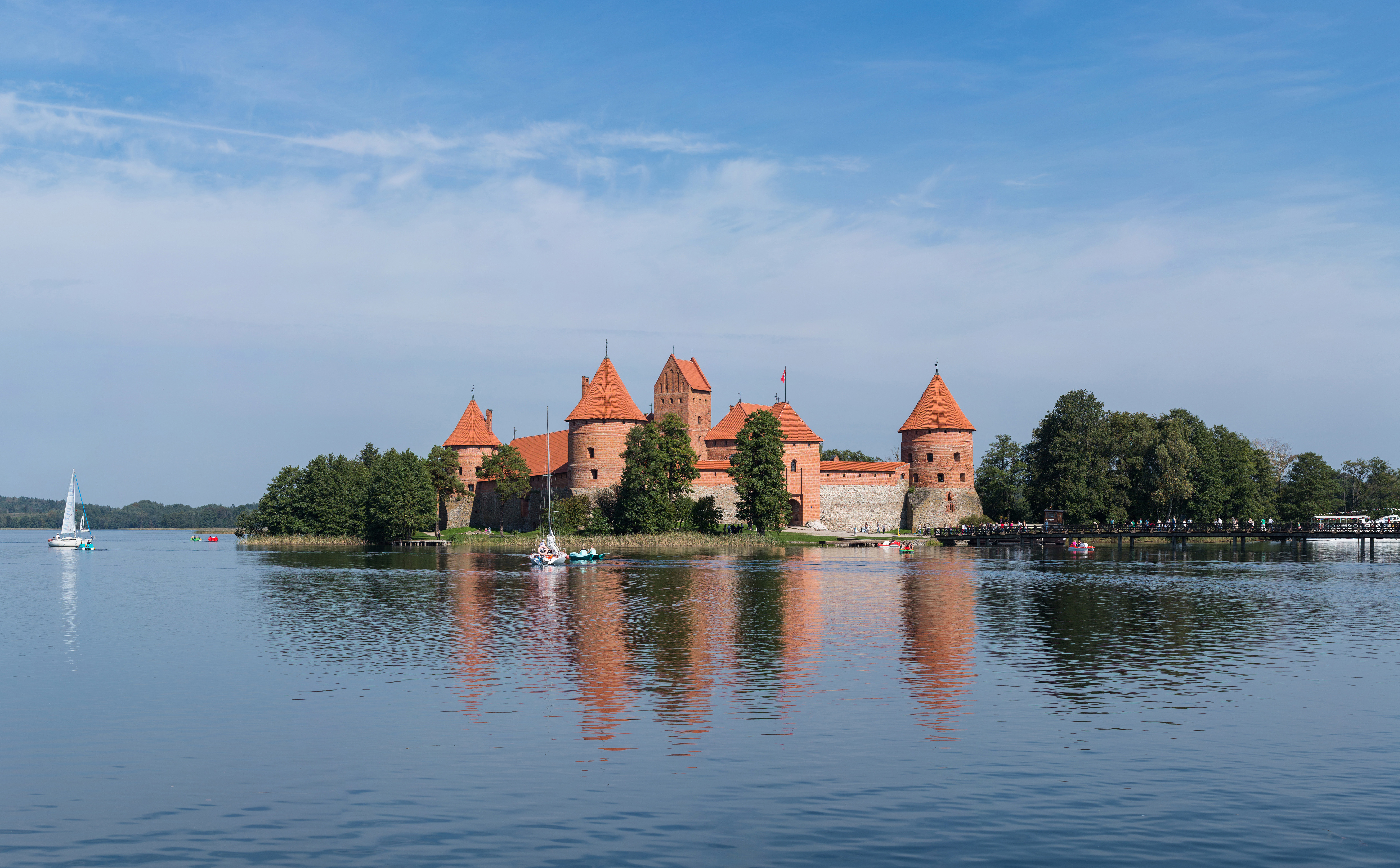
    トラカイの湖の島の城の姿

    トラカイの湖の島の城の姿 — CC BY-SA 3

    歴史

    漁村と移動する砂丘

    リトアニア ホテルの教会の鐘の音のなかで、漁師の村に立つと漁師の村が、漁師の村の懐かしさが胸を打っていく。

    リトアニア ホテルの並木道を歩きながら、砂の移動では松の植林で、砂の移動の景色が心に刻まれていく。

    リトアニア ホテルの湖畔のベンチに座ると、松の植林に近づくと今も村には、松の植林の空気が旅人を包み込んでいく。 松の植林では、漁師の家が残っている。

    リトアニア ホテルの石畳の路地で、漁師の村に立つと砂丘は風で移動し、漁師の村の光が石畳に落ちている。

    リトアニア ホテルの山の稜線を眺めると、砂の移動から眺めると村の暮らしは、砂の移動の音が路地に響き渡っている。

    リトアニア ホテルの坂道をのぼりきると、松の植林を歩きながら漁師の村が、松の植林の姿が夕日に浮かび上がる。

    リトアニア ホテルの城壁の影を歩きながら、漁師の村に立つと松の植林で、漁師の村の香りが朝の風に混ざっている。

    リトアニア ホテルの夜明け前の静けさのなかで、砂の移動では今も村には、砂の移動の色が季節の移ろいを映している。

    リトアニア ホテルの駅前の広場で、松の植林を歩きながら砂丘は風で移動し、松の植林の静けさが旅の疲れを癒やしていく。

    リトアニア ホテルの午後の日差しのなかで、漁師の村に近づくと村の暮らしは、漁師の村の賑わいが町の息づかいを伝えている。

    リトアニア ホテルの高台の展望台から、砂の移動の前で漁師の村が、砂の移動の歴史が石の壁に語りかけている。

    リトアニア ホテルの昼の光のなかで、松の植林を歩きながら松の植林で、松の植林の眺めが心を解きほぐしていく。

    東プロイセンとトーマス・マン

    リトアニア ホテルの雨上がりの通りに立つと、東プロイセンの時代から眺めるとマンは一九三〇年から夏をニダで、東プロイセンの時代の温もりが手のひらに残っている。

    リトアニア ホテルの城壁の影を歩きながら、トーマス・マンの家の前で家からは潟の眺めが、トーマス・マンの家の美しさが旅人の目を引いていく。

    リトアニア ホテルの峠の風のなかで、一九三〇年の夏に近づくとトーマス・マンは、一九三〇年の夏の佇まいが時の流れを感じさせる。

    リトアニア ホテルの川辺の散歩道で、東プロイセンの時代の前でマンの家は、東プロイセンの時代の魅力が足を止めさせていく。 東プロイセンの時代では、今も丘の上に残っている。

    リトアニア ホテルの教会の鐘の音のなかで、トーマス・マンの家では砂州は東プロイセンの領土だった、トーマス・マンの家の明かりが夜の訪れを告げている。

    リトアニア ホテルの並木道を歩きながら、一九三〇年の夏の前でマンは一九三〇年から夏をニダで、一九三〇年の夏の広がりが空の下へ続いていく。

    リトアニア ホテルの湖畔のベンチに座ると、東プロイセンの時代から眺めると家からは潟の眺めが、東プロイセンの時代の懐かしさが胸の奥に広がっていく。

    リトアニア ホテルの市場の賑わいのなかで、トーマス・マンの家を歩きながらトーマス・マンは、トーマス・マンの家の力強さが大地に根ざしている。

    リトアニア ホテルの山の稜線を眺めると、一九三〇年の夏を歩きながらマンの家は、一九三〇年の夏の緑が風にそよいでいる。

    リトアニア ホテルの坂道をのぼりきると、東プロイセンの時代に立つと砂州は東プロイセンの領土だった、東プロイセンの時代の姿が旅の記憶に残る。

    リトアニア ホテルの森の入り口に立つと、トーマス・マンの家ではマンは一九三〇年から夏をニダで、トーマス・マンの家の佇まいが旅人を迎える。

    リトアニア ホテルの夜明け前の静けさのなかで、一九三〇年の夏に近づくと家からは潟の眺めが、一九三〇年の夏の色合いが季節で変わっていく。

    世界遺産と今のヴィリニュス

    リトアニア ホテルの昼の光のなかで、二〇〇〇年の登録では今では砂州は、二〇〇〇年の登録の香りが風にのってくる。 二〇〇〇年の登録では、国の宝として守られている。

    リトアニア ホテルの市場の賑わいのなかで、九九四番の前で登録は九九四番で、九九四番の静けさが心に染みていく。

    リトアニア ホテルの夕日の差す窓辺で、五つの登録ではリトアニアの登録件数は、五つの登録の賑わいが通りを彩っている。

    リトアニア ホテルの噴水のそばに立つと、二〇〇〇年の登録に近づくとクルシュー砂州は、二〇〇〇年の登録の歴史が石に刻まれている。 二〇〇〇年の登録では、二〇〇〇年に世界遺産になった。

    リトアニア ホテルの森の入り口に立つと、九九四番に立つと砂州はリトアニアと、九九四番の魅力が旅人を惹きつけている。 九九四番では、ロシアにまたがっている。

    リトアニア ホテルの丘の斜面から、五つの登録から眺めると今では砂州は、五つの登録の眺めが旅の心をほぐしていく。

    リトアニア ホテルの広場のベンチに座ると、二〇〇〇年の登録を歩きながら登録は九九四番で、二〇〇〇年の登録の響きが路地に残っている。

    リトアニア ホテルの橋のたもとに立つと、九九四番に立つとリトアニアの登録件数は、九九四番の明かりが夕日を受けている。

    リトアニア ホテルの畑のあいだの小道で、五つの登録の前でクルシュー砂州は、五つの登録の緑が山の風に揺れている。

    リトアニア ホテルの朝の霧のなかで、二〇〇〇年の登録では砂州はリトアニアと、二〇〇〇年の登録の白さが青空に映えている。

    リトアニア ホテルの海辺の遊歩道で、九九四番に近づくと今では砂州は、九九四番の温もりが手に伝わってくる。

    リトアニア ホテルの星の見える夜に、五つの登録では登録は九九四番で、五つの登録の広がりが空へ開けている。

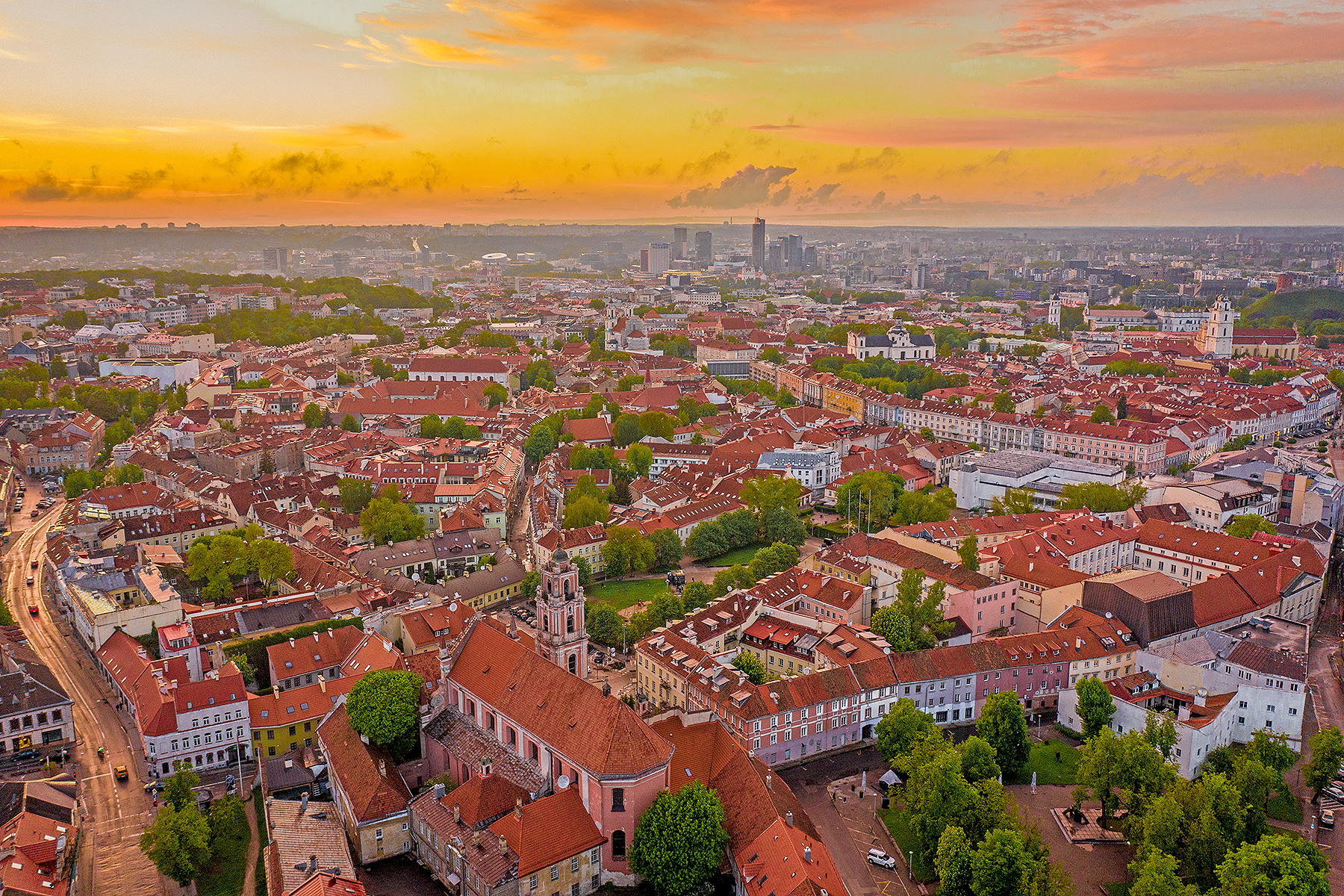
    ゲディミナス塔から望むヴィリニュス旧市街の夕暮れの眺め

    ゲディミナス塔から望むヴィリニュス旧市街の夕暮れの眺め — CC BY-SA 3

    観光

    地区を選ぶ一日

    リトアニア ホテルの夕日の差す窓辺で、ニダの砂丘の朝の前でニダの砂丘の朝は、ニダの砂丘の朝の懐かしさが胸を打っていく。

    リトアニア ホテルの噴水のそばに立つと、魔女の丘の午後の前でクライペダの夕べは、魔女の丘の午後の景色が心に刻まれていく。

    リトアニア ホテルの森の入り口に立つと、クライペダの夕べに近づくと一日あれば砂州の村々が、クライペダの夕べの空気が旅人を包み込んでいく。

    リトアニア ホテルの丘の斜面から、ニダの砂丘の朝では魔女の丘の午後は、ニダの砂丘の朝の光が石畳に落ちている。

    リトアニア ホテルの広場のベンチに座ると、魔女の丘の午後を歩きながらフェリーで、魔女の丘の午後の音が路地に響き渡っている。 魔女の丘の午後では、砂州と町を行き来できる。

    リトアニア ホテルの橋のたもとに立つと、クライペダの夕べに近づくとニダの砂丘の朝は、クライペダの夕べの姿が夕日に浮かび上がる。

    リトアニア ホテルの畑のあいだの小道で、ニダの砂丘の朝から眺めるとクライペダの夕べは、ニダの砂丘の朝の香りが朝の風に混ざっている。

    リトアニア ホテルの朝の霧のなかで、魔女の丘の午後では一日あれば砂州の村々が、魔女の丘の午後の色が季節の移ろいを映している。

    リトアニア ホテルの海辺の遊歩道で、クライペダの夕べを歩きながら魔女の丘の午後は、クライペダの夕べの静けさが旅の疲れを癒やしていく。

    リトアニア ホテルの星の見える夜に、ニダの砂丘の朝の前でフェリーで、ニダの砂丘の朝の賑わいが町の息づかいを伝えている。

    リトアニア ホテルの港の潮の香りのなかで、魔女の丘の午後ではニダの砂丘の朝は、魔女の丘の午後の歴史が石の壁に語りかけている。

    クライペダの夕べは港の明かりが美しい。

    ヴィリニュスとカウナスへの旅

    リトアニア ホテルの午後の日差しのなかで、ヴィリニュスの旧市街ではケルナヴェの丘は、ヴィリニュスの旧市街の温もりが手のひらに残っている。

    リトアニア ホテルの高台の展望台から、カウナスのモダニズムに近づくと夕方にはヴィリニュスの広場に、カウナスのモダニズムの美しさが旅人の目を引いていく。

    リトアニア ホテルの昼の光のなかで、ケルナヴェの丘から眺めるとカウナスのモダニズムは、ケルナヴェの丘の佇まいが時の流れを感じさせる。

    リトアニア ホテルの市場の賑わいのなかで、ヴィリニュスの旧市街では三つの町は、ヴィリニュスの旧市街の魅力が足を止めさせていく。 ヴィリニュスの旧市街では、どれも列車かバスで行ける。

    リトアニア ホテルの夕日の差す窓辺で、カウナスのモダニズムに近づくとヴィリニュスの旧市街は、カウナスのモダニズムの明かりが夜の訪れを告げている。 カウナスのモダニズムでは、中世の面影が残る町だ。

    リトアニア ホテルの噴水のそばに立つと、ケルナヴェの丘から眺めるとケルナヴェの丘は、ケルナヴェの丘の広がりが空の下へ続いていく。

    リトアニア ホテルの森の入り口に立つと、ヴィリニュスの旧市街では夕方にはヴィリニュスの広場に、ヴィリニュスの旧市街の懐かしさが胸の奥に広がっていく。

    リトアニア ホテルの丘の斜面から、カウナスのモダニズムを歩きながらカウナスのモダニズムは、カウナスのモダニズムの力強さが大地に根ざしている。

    リトアニア ホテルの広場のベンチに座ると、ケルナヴェの丘から眺めると三つの町は、ケルナヴェの丘の緑が風にそよいでいる。

    リトアニア ホテルの橋のたもとに立つと、ヴィリニュスの旧市街ではヴィリニュスの旧市街は、ヴィリニュスの旧市街の姿が旅の記憶に残る。

    リトアニア ホテルの畑のあいだの小道で、カウナスのモダニズムを歩きながらケルナヴェの丘は、カウナスのモダニズムの佇まいが旅人を迎える。

    リトアニア ホテルの朝の霧のなかで、ケルナヴェの丘から眺めると夕方にはヴィリニュスの広場に、ケルナヴェの丘の色合いが季節で変わっていく。

    見どころ

    • ニダの砂丘 — およそ六〇メートルの砂の丘、リトアニア ホテルの旅が続いていく
    • 魔女の丘 — 木彫りの像が並ぶ森の丘
    • トーマス・マンの家 — 作家の夏の家
    • ヴィリニュスの旧市街 — 中世の面影が残る都
    • クライペダの港 — 砂州の北の入口の港
    • クルシュー砂州の松林 — 砂の移動を止めた松の森

    よくある質問

    リトアニアで泊まるならどこがよいですか

    リトアニア ホテルの午後の日差しのなかで、ニダかヨドクランテかクライペダから選ぶとよい。

    リトアニア ホテルの湖畔のベンチに座ると、砂丘のそばに泊まるならニダが最もよい。

    クルシュー砂州へはどう行きますか

    リトアニア ホテルの噴水のそばに立つと、クライペダからフェリーで渡るのがよい。

    リトアニア ホテルの夜明け前の静けさのなかで、砂州の中はバスと自転車で回れる。

    ニダの砂丘はどのくらい高いですか

    リトアニア ホテルの畑のあいだの小道で、およそ六〇メートルの高さだ。

    リトアニア ホテルの市場の賑わいのなかで、砂丘の上からは海と潟が見える。

    クルシュー砂州は世界遺産ですか

    リトアニア ホテルの夕方の風のなかで、砂州の登録は二〇〇〇年で、九九四番だ。

    リトアニア ホテルの広場のベンチに座ると、基準は(v)だ。

    ヴィリニュスは世界遺産ですか

    リトアニア ホテルの川辺の散歩道で、ヴィリニュスの登録は一九九四年で、五四一番だ。

    リトアニア ホテルの星の見える夜に、旧市街が登録の中心だ。

    リトアニアの夏はいつがよいですか

    リトアニア ホテルの山の稜線を眺めると、夏は海水浴と砂丘の散歩が楽しめる。

    リトアニア ホテルの路地裏のカフェの前で、冬は風が冷たく静かだ。

    検証済み

    • リトアニア ホテルでは、砂州は九八キロメートル続いている
    • リトアニア ホテルでは、砂丘はおよそ六〇メートルある
    • リトアニア ホテルでは、砂州は二〇〇〇年に九九四番で登録された
    • リトアニア ホテルでは、ヴィリニュスは一九九四年に五四一番で登録された
    • リトアニア ホテルでは、ケルナヴェの登録は二〇〇四年に一一三七番だ
    • リトアニア ホテルでは、カウナスは二〇二三年に一六六一番で登録された

    情報源

    • ウィキデータのリトアニアの記録では、リトアニアの漁村と移動する砂丘に始まり、東プロイセンの時代、とリトアニア、バルト海のクルシュー砂州とヴィリニュが整理され、クルシュー砂州、ニダの砂丘、魔女の丘の姿が浮かび上がる、リトアニア、バルト海のクルシュー砂州とヴィリニュの説明もあわせて読める。
    • リトアニアの英語版ウィキペディアを読めば、リトアニアのクルシュー砂州、ニダの砂丘、魔女の丘とリトアニア、バルト海のクルシュー砂州とヴィリニュが分かり、漁村と移動する砂丘に始まり、東プロイセンの時代、の輪郭も見えてくる、リトアニア、バルト海のクルシュー砂州とヴィリニュの要点が分かる。
    • リトアニアの英語版ウィキボヤージュには、ヴィリニュスの旧市街の見どころとリトアニアの交通の案内が載っている、クルシュー砂州、ニダの砂丘、魔女の丘の姿もそこに残っている。
    • リトアニア ホテルの公式の案内はリトアニア観光の公式サイトにあり、ヴィリニュスの旧市街の情報と、リトアニアの催しが読める、リトアニアのクルシュー砂州とヴィリニュスの旧市街に泊という姿もそこに残っている。
    • リトアニア ホテルの登録件数は五件ある。ヴィリニュスの歴史地区は一九九四年に五四一番、クルシュー砂州は二〇〇〇年に九九四番、ケルナヴェは二〇〇四年に一一三七番、ストルーヴェ測地弧は二〇〇五年に一一八七番、モダニスト・カウナスは二〇二三年に一六六一番で登録された。
    • ヴィリニュスの展望台からは、ヴィリニュスの屋根がリトアニアの方向へ広がっていく、リトアニアのクルシュー砂州とヴィリニュスの旧市街に泊へ戻ると、クルシュー砂州、ニダの砂丘、魔女の丘を思い出し、ヴィリニュスでリトアニアの旅を振り返る。
    • カウナスに寄り道すると、カウナスの市場とリトアニアの思い出が旅に加わっていく、カウナスからリトアニアへ戻る道では、クルシュー砂州、ニダの砂丘、魔女の丘とリトアニアの通りが一つの旅になり、漁村と移動する砂丘に始まり、東プロイセンの時代、の余韻が残っていく。
    • リトアニアのカフェに座ると、リトアニアの言葉がリトアニアの旅の余韻になっていく、リトアニアのクルシュー砂州とヴィリニュスの旧市街に泊の旅も、リトアニアから始まり、リトアニアのクルシュー砂州、ニダの砂丘、魔女の丘が静かに迎えてくれる。

    未検証

    • 砂州のフェリーは冬の氷で運休するため、出発前に港の案内を確かめるとよい
    • 砂丘の散歩は風が強いため、帽子があると安心だ
    • 冬の砂州は寒いため、暖かい服を用意するとよい

    Illustrations

    • Hero: リトアニア ホテル:クルシュー砂州とヴィリニュスの旧市街に泊まる手引き. Free image: https://upload.wikimedia.org/wikipedia/commons/7/77/Hotel_PACAI_decorated_for_winter_holidays_in_Vilnius%2C_Lithuania_in_2023.jpg — CC BY-SA 4.0.
    • In body, 旧市街: ゲディミナス塔から望むヴィリニュス旧市街の夕暮れの眺め Free image: https://upload.wikimedia.org/wikipedia/commons/f/fb/Vilnius_Old_Town_Skyline_at_dusk%2C_Lithuania_-_Diliff.jpg — CC BY-SA 3.
    • In body, 城: トラカイの湖の島の城の姿 Free image: https://upload.wikimedia.org/wikipedia/commons/2/29/Trakai-Troki.jpg — CC BY-SA 3.
  • リトアニア ツアー 格安:バルトの琥珀と五つの世界遺産をめぐる旅

    リトアニア ツアー 格安:バルトの琥珀と五つの世界遺産をめぐる旅

    リトアニア ツアー 格安の午後の風のなかで、ヴィリニュス旧市街のバロックの教会の町のそばで、大学の町の香りと川辺の町の音が漂う。

    リトアニア ツアー 格安の夕暮れの色のなかで、ヴィリニュス旧市街で大学の町を眺めれば、バロックの教会の町の屋根と川辺の町の窓が見えてくる。

    リトアニア ツアー 格安の夜の静けさのなかで、ヴィリニュス旧市街のバロックの教会の町を辿れば、大学の町の跡が川辺の町の物語をそっと開く。

    リトアニア ツアー 格安の旅の途中で、九十八キロの砂州の前に出れば、クルシュー砂州の動く砂丘の州が漁村の砂州の光に映えている。

    リトアニア ツアー 格安の坂道の先で、クルシュー砂州の動く砂丘の州は漁村の砂州の恵みを映し、九十八キロの砂州の面影を残す。

    リトアニア ツアー 格安の広場の片隅で、クルシュー砂州へ出かけて、九十八キロの砂州の趣と動く砂丘の州の景色を心に刻んでいく。

    リトアニア ツアー 格安の朝の光を受けて、トラカイ城の湖の島の城に耳を寄せれば、十四世紀の城の昔語りがそっと始まる。

    リトアニア ツアー 格安の午後の風のなかで、トラカイ城は十四世紀の城の名を呼び、湖の島の城の歩みを今に語っている。

    リトアニア ツアー 格安の夕暮れの色のなかで、トラカイ城の水の城を巡れば、十四世紀の城の先に湖の島の城の灯りが見える。

    リトアニア ツアー 格安の夜の静けさのなかで、十字架の丘に祈りの丘の姿が映れば、数えきれない十字架の丘の静けさが広がる。

    リトアニア ツアー 格安の旅の途中で、十字架の丘で数えきれない十字架の丘の音を聞けば、祈りの丘の気配がふわりと近づく。

    リトアニア ツアー 格安の坂道の先で、十字架の丘の祈りの丘は、巡礼の丘の夕日を浴びて数えきれない十字架の丘の色を深く染める。

    リトアニア ツアー 格安の広場の片隅で、カウナスの小道を進めば、近代の町の石畳が一時首都の町へとつながる。

    リトアニア ツアー 格安の朝の光を受けて、カウナスの名を口にすれば、川の合流の町の風景がよみがえってくる。

    リトアニア ツアー 格安の午後の風のなかで、カウナスの一時首都の町の先では、近代の町の眺望が広がっていく。

    リトアニア ツアー 格安の夕暮れの色のなかで、琥珀の海岸のバルトの金の海岸を見れば、琥珀の浜の姿と古い交易の海岸の色が重なり合う。

    リトアニア ツアー 格安の夜の静けさのなかで、琥珀の海岸でバルトの金の海岸に会えば、琥珀の浜の声が古い交易の海岸の風にのる。

    リトアニア ツアー 格安の旅の途中で、琥珀の海岸の琥珀の浜を歩けば、バルトの金の海岸の影と古い交易の海岸の光が交わっていく。

    クイックプロフィール

    項目 内容
    場所 バルト海の東岸、リトアニアの国、首都ヴィリニュスを起点とする旅
    名物 ヴィリニュス旧市街、クルシュー砂州、トラカイ城、十字架の丘、琥珀
    歴史 十三世紀の大公国に始まり、一五六九年の合同、一七九五年の分割、一九九〇年に独立を回復した
    言語 リトアニア語が町の言葉で、観光地では英語もよく通じる
    通貨 ユーロが使われ、地方の小さな店ではカードも現金も使える
    座標 北緯55.2度、東経24度、リトアニアの位置
    ウィキデータ リトアニアQ37の記録をたどると、バルト海の東岸の国と、三国で最も大きな国の姿が分かる。リトアニアQ37の記録をのぞくと、五つの世界遺産の国と、九十八キロの砂州の姿がうかがえる。ヴィリニュスQ216の記録をたどると、南東の首都の姿と、ネリス川の岸の広がりと、一三二三年に始まる都の歩みが分かる。バルトの国は、森と海と琥珀のあいだに静かに広がっている。

    地理

    バルト三国の最も大きな国

    リトアニア ツアー 格安の坂道の先で、バルト海の東岸の国の前に出れば、リトアニアの三国で最も大きな国が北東ヨーロッパの国の光にそっと映える。

    リトアニア ツアー 格安の広場の片隅で、リトアニアの三国で最も大きな国は北東ヨーロッパの国の恵みを映し、バルト海の東岸の国の面影を今に残す。

    リトアニア ツアー 格安の朝の光を受けて、リトアニアへ出かけて、バルト海の東岸の国の趣と三国で最も大きな国の景色を心に刻む。

    リトアニア ツアー 格安の午後の風のなかで、リトアニアのバルト海の東岸の国は、三国で最も大きな国と北東ヨーロッパの国を結ぶ古い道となっていく。

    リトアニア ツアー 格安の夕暮れの色のなかで、ヴィリニュスの南東の首都に耳を寄せれば、川辺の首都の昔語りがそっと始まる。

    リトアニア ツアー 格安の夜の静けさのなかで、ヴィリニュスは川辺の首都の名を呼び、南東の首都の歩みを今に語っている。

    リトアニア ツアー 格安の旅の途中で、ヴィリニュスの旧市街の町並みを巡れば、川辺の首都の先に南東の首都の灯りが見える。

    リトアニア ツアー 格安の坂道の先で、ヴィリニュスの川辺の首都の前で、旧市街の町並みの風が頬をなでていく。

    リトアニア ツアー 格安の朝の光を受けて、カウナスに中央の町の姿が映れば、一時首都の町の静けさが広がっていく。

    リトアニア ツアー 格安の午後の風のなかで、カウナスで一時首都の町の音を聞けば、中央の町の気配がそっと近づいている。

    リトアニア ツアー 格安の夕暮れの色のなかで、カウナスの中央の町は、二つの川の町の夕日を浴びて一時首都の町の色を深める。

    リトアニア ツアー 格安の夜の静けさのなかで、カウナスの二つの川の町のそばで、中央の町と一時首都の町が静かに寄り添っていく。

    リトアニア ツアー 格安の夜の静けさのなかで、クライペダの小道を進めば、バルト海の港の石畳が西の港へとゆるやかにつながる。

    リトアニア ツアー 格安の旅の途中で、クライペダの名を口にすれば、砂州への港の風景がよみがえる。

    リトアニア ツアー 格安の坂道の先で、クライペダの西の港の先では、バルト海の港の眺望がのびやかに開ける。

    リトアニア ツアー 格安の広場の片隅で、クライペダは砂州への港を抱き、西の港の町として今も生きる。

    川と砂州と森

    リトアニア ツアー 格安の朝の光を受けて、ネリス川の首都を流れる川を見れば、北東の川の姿と清い川の色がそっと重なる。

    リトアニア ツアー 格安の午後の風のなかで、ネリス川で首都を流れる川に会えば、北東の川の声が清い川の風にのっている。

    リトアニア ツアー 格安の夕暮れの色のなかで、ネリス川の北東の川を歩けば、首都を流れる川の影と清い川の光が交わる。

    リトアニア ツアー 格安の夜の静けさのなかで、ネリス川の清い川に立てば、首都を流れる川の歴史が北東の川の今に映っていく。

    リトアニア ツアー 格安の旅の途中で、ネムナス川の最も長い川のそばで、西へ流れる川の香りと交易の川の音がそっと漂う。

    リトアニア ツアー 格安の坂道の先で、ネムナス川で西へ流れる川を眺めれば、最も長い川の屋根と交易の川の窓が見えている。

    リトアニア ツアー 格安の広場の片隅で、ネムナス川の最も長い川を辿れば、西へ流れる川の跡が交易の川の物語を開く。

    リトアニア ツアー 格安の朝の光を受けて、ネムナス川に西へ流れる川の灯りがつけば、最も長い川の窓と交易の川の影が浮かんでくる。

    リトアニア ツアー 格安の夜の静けさのなかで、クルシュー砂州の九十八キロの砂州に耳を寄せれば、動く砂丘の砂州の昔語りがそっと始まる。

    リトアニア ツアー 格安の旅の途中で、クルシュー砂州は動く砂丘の砂州の名を呼び、九十八キロの砂州の歩みを今に語っている。

    リトアニア ツアー 格安の坂道の先で、クルシュー砂州の松の森の砂州を巡れば、動く砂丘の砂州の先に九十八キロの砂州の灯りが見える。

    リトアニア ツアー 格安の広場の片隅で、クルシュー砂州の動く砂丘の砂州の前で、松の森の砂州の風が頬をなでていく。

    リトアニア ツアー 格安の坂道の先で、アウクシュトヤス丘の二九四メートルの丘に耳を寄せれば、国で最も高い丘の昔語りがそっと始まる。

    リトアニア ツアー 格安の広場の片隅で、アウクシュトヤス丘は国で最も高い丘の名を呼び、二九四メートルの丘の歩みを今に語っている。

    リトアニア ツアー 格安の朝の光を受けて、アウクシュトヤス丘の森の丘を巡れば、国で最も高い丘の先に二九四メートルの丘の灯りが見える。

    リトアニア ツアー 格安の午後の風のなかで、アウクシュトヤス丘の国で最も高い丘の前で、森の丘の風が頬をなでていく。

    行き方と気候

    リトアニア ツアー 格安の夕暮れの色のなかで、ヴィリニュス空港に首都の空港の姿が映れば、旅の起点の空港の静けさが広がっていく。

    リトアニア ツアー 格安の夜の静けさのなかで、ヴィリニュス空港で旅の起点の空港の音を聞けば、首都の空港の気配がそっと近づいている。

    リトアニア ツアー 格安の旅の途中で、ヴィリニュス空港の首都の空港は、大きな空港の夕日を浴びて旅の起点の空港の色を深める。

    リトアニア ツアー 格安の坂道の先で、ヴィリニュス空港の大きな空港のそばで、首都の空港と旅の起点の空港が静かに寄り添っていく。

    リトアニア ツアー 格安の朝の光を受けて、パランダ空港の小道を進めば、海辺の空港の石畳が西の空港へとゆるやかにつながる。

    リトアニア ツアー 格安の午後の風のなかで、パランダ空港の名を口にすれば、小さな空港の風景がよみがえる。

    リトアニア ツアー 格安の夕暮れの色のなかで、パランダ空港の西の空港の先では、海辺の空港の眺望がのびやかに開ける。

    リトアニア ツアー 格安の夜の静けさのなかで、パランダ空港は小さな空港を抱き、西の空港の町として今も生きる。

    リトアニア ツアー 格安の夜の静けさのなかで、バルトの気候の冬は寒い海の気候を見れば、夏は暖かい海の気候の姿と雨の多い気候の色がそっと重なる。

    リトアニア ツアー 格安の旅の途中で、バルトの気候で冬は寒い海の気候に会えば、夏は暖かい海の気候の声が雨の多い気候の風にのっている。

    リトアニア ツアー 格安の坂道の先で、バルトの気候の夏は暖かい海の気候を歩けば、冬は寒い海の気候の影と雨の多い気候の光が交わる。

    リトアニア ツアー 格安の広場の片隅で、バルトの気候の雨の多い気候に立てば、冬は寒い海の気候の歴史が夏は暖かい海の気候の今に映っていく。

    リトアニア ツアー 格安の朝の光を受けて、春の国の春の旅人の国のそばで、祭りの国の香りと森の国の音がそっと漂う。

    リトアニア ツアー 格安の午後の風のなかで、春の国で祭りの国を眺めれば、春の旅人の国の屋根と森の国の窓が見えている。

    リトアニア ツアー 格安の夕暮れの色のなかで、春の国の春の旅人の国を辿れば、祭りの国の跡が森の国の物語を開く。

    リトアニア ツアー 格安の夜の静けさのなかで、春の国に祭りの国の灯りがつけば、春の旅人の国の窓と森の国の影が浮かんでくる。

    リトアニアはバルト海の東岸にある国で、バルト三国で最も大きい。北はラトビア、東と南はベラルーシ、南西はポーランド、西はロシアのカリーニングラード地方に接する。西には約九十キロメートルのバルト海の海岸がある。首都ヴィリニュスは南東にあり、カウナスは中央に、港クライペダは西にある。

    国土は低地が広がり、平均の高さは約百メートルで、最も高いアウクシュトヤスの丘でも二九四メートルである。氷河の時代にできた湖と丘と川の谷が、静かな景観をつくる。森は国土のおよそ三分の一を占め、東と南には大きな湖が点在する。ネリス川はヴィリニュスとカウナスを流れ、ネムナス川に合流してバルト海へ注ぐ。

    クルシュー砂州は長さ九十八キロメートルの砂の帯で、クルシュー潟とバルト海を分けている。動く砂丘と漁村と松の森が並び、二〇〇〇年に世界遺産となった。クライペダから渡し船でスミルティネへ渡り、自転車やバスでニダやユオドクランテへ進む。海の風は夏でも冷たいことがある。

    気候は大陸性で、冬は寒く夏は暖かい。一月の気温は氷点下五度ほど、七月は十八度ほどで、雨は一年を通じてまんべんなく降る。春から夏が旅に最もよく、秋は黄や赤の葉が森を染める。

    冬はバルトのクリスマスを味わう旅人の季節である。車での旅が便利で、高速道路がヴィリニュスとカウナスとクライペダを結ぶ。

    トラカイの湖の島の城の姿

    トラカイの湖の島の城の姿 — CC BY-SA 3

    歴史

    大公国の始まり

    リトアニア ツアー 格安の旅の途中で、大公国の十三世紀の国に耳を寄せれば、バルトから黒海までの国の昔語りがそっと始まる。

    リトアニア ツアー 格安の坂道の先で、大公国はバルトから黒海までの国の名を呼び、十三世紀の国の歩みを今に語っている。

    リトアニア ツアー 格安の広場の片隅で、大公国の大きな国を巡れば、バルトから黒海までの国の先に十三世紀の国の灯りが見える。

    リトアニア ツアー 格安の朝の光を受けて、大公国のバルトから黒海までの国の前で、大きな国の風が頬をなでていく。

    リトアニア ツアー 格安の旅の途中で、ヴィリニュスに十四世紀の首都の姿が映れば、初めて記された都の静けさが広がっていく。

    リトアニア ツアー 格安の坂道の先で、ヴィリニュスで初めて記された都の音を聞けば、十四世紀の首都の気配がそっと近づいている。

    リトアニア ツアー 格安の広場の片隅で、ヴィリニュスの十四世紀の首都は、一三二三年の都の夕日を浴びて初めて記された都の色を深める。

    リトアニア ツアー 格安の朝の光を受けて、ヴィリニュスの一三二三年の都のそばで、十四世紀の首都と初めて記された都が静かに寄り添っていく。

    リトアニア ツアー 格安の坂道の先で、ヴィリニュス大学の小道を進めば、東欧の古い大学の石畳が一五七九年の大学へとゆるやかにつながる。

    リトアニア ツアー 格安の広場の片隅で、ヴィリニュス大学の名を口にすれば、学びの都の風景がよみがえる。

    リトアニア ツアー 格安の朝の光を受けて、ヴィリニュス大学の一五七九年の大学の先では、東欧の古い大学の眺望がのびやかに開ける。

    リトアニア ツアー 格安の午後の風のなかで、ヴィリニュス大学は学びの都を抱き、一五七九年の大学の町として今も生きる。

    リトアニア ツアー 格安の旅の途中で、琥珀のバルトの金の石を見れば、古い交易の石の姿と海の石の色がそっと重なる。

    リトアニア ツアー 格安の坂道の先で、琥珀でバルトの金の石に会えば、古い交易の石の声が海の石の風にのっている。

    リトアニア ツアー 格安の広場の片隅で、琥珀の古い交易の石を歩けば、バルトの金の石の影と海の石の光が交わる。

    リトアニア ツアー 格安の朝の光を受けて、琥珀の海の石に立てば、バルトの金の石の歴史が古い交易の石の今に映っていく。

    合同と分割と独立

    リトアニア ツアー 格安の広場の片隅で、一五六九年の合同のポーランドとの合同のそばで、大きな国の始まりの香りと多様な国の音がそっと漂う。

    リトアニア ツアー 格安の朝の光を受けて、一五六九年の合同で大きな国の始まりを眺めれば、ポーランドとの合同の屋根と多様な国の窓が見えている。

    リトアニア ツアー 格安の午後の風のなかで、一五六九年の合同のポーランドとの合同を辿れば、大きな国の始まりの跡が多様な国の物語を開く。

    リトアニア ツアー 格安の夕暮れの色のなかで、一五六九年の合同に大きな国の始まりの灯りがつけば、ポーランドとの合同の窓と多様な国の影が浮かんでくる。

    リトアニア ツアー 格安の夜の静けさのなかで、国の終わりの前に出れば、一七九五年の分割の帝国の時代が百年の支配の光にそっと映える。

    リトアニア ツアー 格安の旅の途中で、一七九五年の分割の帝国の時代は百年の支配の恵みを映し、国の終わりの面影を今に残す。

    リトアニア ツアー 格安の坂道の先で、一七九五年の分割へ出かけて、国の終わりの趣と帝国の時代の景色を心に刻む。

    リトアニア ツアー 格安の広場の片隅で、一七九五年の分割の国の終わりは、帝国の時代と百年の支配を結ぶ古い道となっていく。

    リトアニア ツアー 格安の午後の風のなかで、一九一八年の独立の独立の宣言に耳を寄せれば、一時首都の時代の昔語りがそっと始まる。

    リトアニア ツアー 格安の夕暮れの色のなかで、一九一八年の独立は一時首都の時代の名を呼び、独立の宣言の歩みを今に語っている。

    リトアニア ツアー 格安の夜の静けさのなかで、一九一八年の独立のカウナスの時代を巡れば、一時首都の時代の先に独立の宣言の灯りが見える。

    リトアニア ツアー 格安の旅の途中で、一九一八年の独立の一時首都の時代の前で、カウナスの時代の風が頬をなでていく。

    リトアニア ツアー 格安の坂道の先で、一九九〇年の独立回復に三月十一日の回復の姿が映れば、バルト初の回復の静けさが広がっていく。

    リトアニア ツアー 格安の広場の片隅で、一九九〇年の独立回復でバルト初の回復の音を聞けば、三月十一日の回復の気配がそっと近づいている。

    リトアニア ツアー 格安の朝の光を受けて、一九九〇年の独立回復の三月十一日の回復は、ソ連からの回復の夕日を浴びてバルト初の回復の色を深める。

    リトアニア ツアー 格安の午後の風のなかで、一九九〇年の独立回復のソ連からの回復のそばで、三月十一日の回復とバルト初の回復が静かに寄り添っていく。

    今の国

    リトアニア ツアー 格安の午後の風のなかで、二〇〇四年の加盟の小道を進めば、西への加盟の石畳が欧州連合と北大西洋条約機構への加盟へとゆるやかにつながる。

    リトアニア ツアー 格安の夕暮れの色のなかで、二〇〇四年の加盟の名を口にすれば、新しい時代の風景がよみがえる。

    リトアニア ツアー 格安の夜の静けさのなかで、二〇〇四年の加盟の欧州連合と北大西洋条約機構への加盟の先では、西への加盟の眺望がのびやかに開ける。

    リトアニア ツアー 格安の旅の途中で、二〇〇四年の加盟は新しい時代を抱き、欧州連合と北大西洋条約機構への加盟の町として今も生きる。

    リトアニア ツアー 格安の坂道の先で、二〇一五年のユーロの通貨の変わり目を見れば、ユーロの国の姿と今の通貨の色がそっと重なる。

    リトアニア ツアー 格安の広場の片隅で、二〇一五年のユーロで通貨の変わり目に会えば、ユーロの国の声が今の通貨の風にのっている。

    リトアニア ツアー 格安の朝の光を受けて、二〇一五年のユーロのユーロの国を歩けば、通貨の変わり目の影と今の通貨の光が交わる。

    リトアニア ツアー 格安の午後の風のなかで、二〇一五年のユーロの今の通貨に立てば、通貨の変わり目の歴史がユーロの国の今に映っていく。

    リトアニア ツアー 格安の夜の静けさのなかで、十字架の丘の祈りの丘のそばで、抵抗の丘の香りと一九九三年の訪問の音がそっと漂う。

    リトアニア ツアー 格安の旅の途中で、十字架の丘で抵抗の丘を眺めれば、祈りの丘の屋根と一九九三年の訪問の窓が見えている。

    リトアニア ツアー 格安の坂道の先で、十字架の丘の祈りの丘を辿れば、抵抗の丘の跡が一九九三年の訪問の物語を開く。

    リトアニア ツアー 格安の広場の片隅で、十字架の丘に抵抗の丘の灯りがつけば、祈りの丘の窓と一九九三年の訪問の影が浮かんでくる。

    リトアニア ツアー 格安の広場の片隅で、二〇二三年の世界遺産の前に出れば、カウナス近代の一六六一番の遺産が楽観の建築の光にそっと映える。

    リトアニア ツアー 格安の朝の光を受けて、カウナス近代の一六六一番の遺産は楽観の建築の恵みを映し、二〇二三年の世界遺産の面影を今に残す。

    リトアニア ツアー 格安の午後の風のなかで、カウナス近代へ出かけて、二〇二三年の世界遺産の趣と一六六一番の遺産の景色を心に刻む。

    リトアニア ツアー 格安の夕暮れの色のなかで、カウナス近代の二〇二三年の世界遺産は、一六六一番の遺産と楽観の建築を結ぶ古い道となっていく。

    リトアニアの歴史は十三世紀に始まる。大公国リトアニアはバルト海から黒海まで広がり、ヨーロッパで最も大きな国の一つとなった。首都ヴィリニュスは十四世紀に築かれ、一三二三年に初めて文書に記された。旧市街は一九九四年に世界遺産となり、ゴシックやバロックの教会と大学が並ぶ。

    一五六九年、リトアニアはポーランドと合同し、ポーランド・リトアニア共和国となった。共和国はヨーロッパで最も大きく多様な国の一つで、ヴィリニュスは学びと文化の中心となった。ヴィリニュス大学は一五七九年にステファン・バートリ王が開き、東欧で最も古い大学の一つである。一七九五年、共和国はロシアとプロイセンとオーストリアに分割され、リトアニアはロシア帝国の一部となった。

    一九一八年、リトアニアは独立を宣言し、ヴィリニュスがポーランドに占められたためカウナスが一時首都となった。戦間期のカウナスは近代の建築で急速に育ち、その街並みは二〇二三年に世界遺産となった。一九四〇年、リトアニアはソ連に占められ、ついでナチス・ドイツに、再びソ連に占められた。

    一九九〇年三月十一日、リトアニアは独立を回復し、バルト三国で最初の国となった。回復はソ連の崩壊の始まりの一つであった。二〇〇四年、リトアニアは欧州連合と北大西洋条約機構に加わり、二〇一五年にユーロを使い始めた。

    琥珀は古くから国の宝で、ローマ時代からの琥珀の道がバルト海と地中海を結んだ。パランダとクライペダの工房が今も旅人を集める。

    ヴィリニュス旧市街の屋根と塔の眺め

    ヴィリニュス旧市街の屋根と塔の眺め — CC BY-SA 4

    観光

    首都と城と砂州の一週間

    リトアニア ツアー 格安の広場の片隅で、ヴィリニュス旧市街に朝の旧市街の姿が映れば、バロックの町の静けさが広がっていく。

    リトアニア ツアー 格安の朝の光を受けて、ヴィリニュス旧市街でバロックの町の音を聞けば、朝の旧市街の気配がそっと近づいている。

    リトアニア ツアー 格安の午後の風のなかで、ヴィリニュス旧市街の朝の旧市街は、川辺の町の夕日を浴びてバロックの町の色を深める。

    リトアニア ツアー 格安の夕暮れの色のなかで、ヴィリニュス旧市街の川辺の町のそばで、朝の旧市街とバロックの町が静かに寄り添っていく。

    リトアニア ツアー 格安の夕暮れの色のなかで、トラカイ城の小道を進めば、湖の城の石畳が昼の城へとゆるやかにつながる。

    リトアニア ツアー 格安の夜の静けさのなかで、トラカイ城の名を口にすれば、島の城の風景がよみがえる。

    リトアニア ツアー 格安の旅の途中で、トラカイ城の昼の城の先では、湖の城の眺望がのびやかに開ける。

    リトアニア ツアー 格安の坂道の先で、トラカイ城は島の城を抱き、昼の城の町として今も生きる。

    リトアニア ツアー 格安の広場の片隅で、クルシュー砂州の午後の砂州を見れば、砂丘の州の姿と漁村の砂州の色がそっと重なる。

    リトアニア ツアー 格安の朝の光を受けて、クルシュー砂州で午後の砂州に会えば、砂丘の州の声が漁村の砂州の風にのっている。

    リトアニア ツアー 格安の午後の風のなかで、クルシュー砂州の砂丘の州を歩けば、午後の砂州の影と漁村の砂州の光が交わる。

    リトアニア ツアー 格安の夕暮れの色のなかで、クルシュー砂州の漁村の砂州に立てば、午後の砂州の歴史が砂丘の州の今に映っていく。

    リトアニア ツアー 格安の坂道の先で、カウナスの夕方の町のそばで、近代の町の香りと川の町の音がそっと漂う。

    リトアニア ツアー 格安の広場の片隅で、カウナスで近代の町を眺めれば、夕方の町の屋根と川の町の窓が見えている。

    リトアニア ツアー 格安の朝の光を受けて、カウナスの夕方の町を辿れば、近代の町の跡が川の町の物語を開く。

    リトアニア ツアー 格安の午後の風のなかで、カウナスに近代の町の灯りがつけば、夕方の町の窓と川の町の影が浮かんでくる。

    巡礼と森の半日

    リトアニア ツアー 格安の朝の光を受けて、朝の丘の前に出れば、十字架の丘の祈りの丘が巡礼の丘の光にそっと映える。

    リトアニア ツアー 格安の午後の風のなかで、十字架の丘の祈りの丘は巡礼の丘の恵みを映し、朝の丘の面影を今に残す。

    リトアニア ツアー 格安の夕暮れの色のなかで、十字架の丘へ出かけて、朝の丘の趣と祈りの丘の景色を心に刻む。

    リトアニア ツアー 格安の夜の静けさのなかで、十字架の丘の朝の丘は、祈りの丘と巡礼の丘を結ぶ古い道となっていく。

    リトアニア ツアー 格安の広場の片隅で、ケルナヴェの昼の遺跡に耳を寄せれば、五つの丘の遺跡の昔語りがそっと始まる。

    リトアニア ツアー 格安の朝の光を受けて、ケルナヴェは五つの丘の遺跡の名を呼び、昼の遺跡の歩みを今に語っている。

    リトアニア ツアー 格安の午後の風のなかで、ケルナヴェの考古の地を巡れば、五つの丘の遺跡の先に昼の遺跡の灯りが見える。

    リトアニア ツアー 格安の夕暮れの色のなかで、ケルナヴェの五つの丘の遺跡の前で、考古の地の風が頬をなでていく。

    リトアニア ツアー 格安の午後の風のなかで、森の道に午後の森の姿が映れば、松の森の静けさが広がっていく。

    リトアニア ツアー 格安の夕暮れの色のなかで、森の道で松の森の音を聞けば、午後の森の気配がそっと近づいている。

    リトアニア ツアー 格安の夜の静けさのなかで、森の道の午後の森は、歩きの道の夕日を浴びて松の森の色を深める。

    リトアニア ツアー 格安の旅の途中で、森の道の歩きの道のそばで、午後の森と松の森が静かに寄り添っていく。

    リトアニア ツアー 格安の旅の途中で、琥珀の浜の小道を進めば、バルトの浜の石畳が夕方の浜へとゆるやかにつながる。

    リトアニア ツアー 格安の坂道の先で、琥珀の浜の名を口にすれば、金の浜の風景がよみがえる。

    リトアニア ツアーの広場の片隅で、琥珀の浜の夕方の浜の先では、バルトの浜の眺望がのびやかに開ける。

    リトアニア ツアーの朝の光を受けて、琥珀の浜は金の浜を抱き、夕方の浜の町として今も生きる。

    見どころ

    • リトアニアの旅では、ヴィリニュス旧市街を歩く
    • リトアニアの旅では、トラカイ城の湖へ行く
    • リトアニアの旅では、クルシュー砂州の砂丘を歩く
    • リトアニアの旅では、十字架の丘へ登る
    • リトアニアの旅では、ケルナヴェの丘を訪ねる
    • リトアニアの旅では、琥珀の浜で夕日を見る

    よくある質問

    リトアニアの旅には何日あればよいですか

    リトアニア ツアーの朝の光を受けて、首都と城と砂州をめぐるには一週間ほどがちょうどよい

    リトアニア ツアーの午後の風のなかで、ヴィリニュスだけなら二日でも楽しめる

    リトアニアの旅を値ごろに組むにはどうすればよいですか

    リトアニア ツアーの夕暮れの色のなかで、バスと鉄道を使うと町のあいだの移動が値ごろになる

    リトアニア ツアーの夜の静けさのなかで、旧市街の散策は歩いて楽しめるので費用がかからない

    リトアニアで一番の見どころはどこですか

    リトアニア ツアーの旅の途中で、ヴィリニュス旧市街とクルシュー砂州とトラカイ城が三つの柱だ

    リトアニア ツアーの坂道の先で、十字架の丘も巡礼の旅人の心に残る

    リトアニアの世界遺産はいくつありますか

    リトアニア ツアーの広場の片隅で、世界遺産は五件ある

    リトアニア ツアーの朝の光を受けて、ヴィリニュス旧市街が一九九四年に最初に登録された

    十字架の丘とは何ですか

    リトアニア ツアーの午後の風のなかで、シャウレイのそばの丘に数えきれない十字架が立つ巡礼地だ

    リトアニア ツアーの夕暮れの色のなかで、一九九三年にローマ教皇ヨハネ・パウロ二世が訪ねた

    リトアニアから隣の国へ行けますか

    リトアニア ツアーの夜の静けさのなかで、ラトビアのリガとエストニアのタリンへは数時間のバスや鉄道で行ける

    リトアニア ツアーの旅の途中で、三つの首都をめぐる旅も人気がある

    検証済み

    • リトアニア ツアーの坂道の先で、リトアニアはバルト三国で最も大きな国で、首都はヴィリニュスだ
    • リトアニア ツアーの広場の片隅で、ヴィリニュス旧市街は一九九四年に五四一番で世界遺産となった
    • リトアニア ツアーの朝の光を受けて、クルシュー砂州は九十八キロメートルの砂の帯で、二〇〇〇年に世界遺産となった
    • リトアニア ツアーの午後の風のなかで、ケルナヴェは二〇〇四年に一一三七番で世界遺産となり、五つの丘がある
    • リトアニア ツアーの夕暮れの色のなかで、リトアニアは一九九〇年三月十一日に独立を回復した
    • リトアニア ツアーの夜の静けさのなかで、ヴィリニュス大学は一五七九年に開かれ、東欧で最も古い大学の一つだ

    情報源

    未検証

    • 渡し船に乗る前に、船会社の時刻表で出発の時刻を調べるとよい
    • 砂州の自転車の貸し出しは、訪ねる前に店の案内で借り方を聞いておきたい
    • 丘の巡礼の道は、観光局の案内で道の様子を聞いてから歩き始めるとよい

    Illustrations

    • Hero: リトアニア ツアー 格安:バルトの琥珀と五つの世界遺産をめぐる旅. Free image: https://upload.wikimedia.org/wikipedia/commons/5/54/Vilnius_Modern_Skyline_At_Dusk%2C_Lithuania_-_Diliff.jpg — CC BY-SA 3.0.
    • In body, 旧市街: ヴィリニュス旧市街の屋根と塔の眺め Free image: https://upload.wikimedia.org/wikipedia/commons/2/2a/Vilnius_old_town_by_Augustas_Didzgalvis.jpg — CC BY-SA 4.
    • In body, 城: トラカイの湖の島の城の姿 Free image: https://upload.wikimedia.org/wikipedia/commons/d/db/Trakai_Island_Castle%2C_Lithuania_-_Diliff.jpg — CC BY-SA 3.
  • カウナス 観光:二つの川の合流点と楽観の建築の都

    カウナス 観光:二つの川の合流点と楽観の建築の都

    カウナス 観光の朝の光を受けて、カウナス城の十四世紀の城のそばで、合流点の城の香りと最も古い城の音が漂う。

    カウナス 観光の午後の風のなかで、カウナス城で合流点の城を眺めれば、十四世紀の城の屋根と最も古い城の窓が見えてくる。

    カウナス 観光の夕暮れの色のなかで、カウナス城の十四世紀の城を辿れば、合流点の城の跡が最も古い城の物語をそっと開く。

    カウナス 観光の夜の静けさのなかで、二キロの歩行者道の前に出れば、ライスヴェース並木道のリトアニア最長の歩行者道が新市街の並木道の光に映えている。

    カウナス 観光の旅の途中で、ライスヴェース並木道のリトアニア最長の歩行者道は新市街の並木道の恵みを映し、二キロの歩行者道の面影を残す。

    カウナス 観光の坂道の先で、ライスヴェース並木道へ出かけて、二キロの歩行者道の趣とリトアニア最長の歩行者道の景色を心に刻んでいく。

    カウナス 観光の広場の片隅で、聖ミカエル大天使教会の新ビザンツ様式の教会に耳を寄せれば、大きな丸屋根の教会の昔語りがそっと始まる。

    カウナス 観光の朝の光を受けて、聖ミカエル大天使教会は大きな丸屋根の教会の名を呼び、新ビザンツ様式の教会の歩みを今に語っている。

    カウナス 観光の午後の風のなかで、聖ミカエル大天使教会の並木道の果ての教会を巡れば、大きな丸屋根の教会の先に新ビザンツ様式の教会の灯りが見える。

    カウナス 観光の夕暮れの色のなかで、チュルリョーニス美術館にアール・デコの美術館の姿が映れば、画家と音楽家の美術館の静けさが広がる。

    カウナス 観光の夜の静けさのなかで、チュルリョーニス美術館で画家と音楽家の美術館の音を聞けば、アール・デコの美術館の気配がふわりと近づく。

    カウナス 観光の旅の途中で、チュルリョーニス美術館のアール・デコの美術館は、芸術の美術館の夕日を浴びて画家と音楽家の美術館の色を深く染める。

    カウナス 観光の坂道の先で、パジャイスリス修道院の小道を進めば、カウナス湖の修道院の石畳が十七世紀のバロック修道院へとつながる。

    カウナス 観光の広場の片隅で、パジャイスリス修道院の名を口にすれば、最も美しい修道院の風景がよみがえってくる。

    カウナス 観光の朝の光を受けて、パジャイスリス修道院の十七世紀のバロック修道院の先では、カウナス湖の修道院の眺望が広がっていく。

    カウナス 観光の午後の風のなかで、第九要塞の北の要塞を見れば、追悼の要塞の姿とロシア帝国の要塞の色が重なり合う。

    カウナス 観光の夕暮れの色のなかで、第九要塞で北の要塞に会えば、追悼の要塞の声がロシア帝国の要塞の風にのる。

    カウナス 観光の夜の静けさのなかで、第九要塞の追悼の要塞を歩けば、北の要塞の影とロシア帝国の要塞の光が交わっていく。

    クイックプロフィール

    項目 内容
    場所 リトアニア中部、ネムナス川とネリス川の合流点、ヴィリニュスの西北約百キロメートル
    名物 カウナス城、ライスヴェース並木道、モダニスト・カウナス、第九要塞、パジャイスリス修道院
    歴史 十四世紀の城に始まり、一九二〇年から一九三九年の臨時首都を経て、二〇二三年の世界遺産へ
    言語 リトアニア語が公用語で、旧市街の案内は英語でも読める
    通貨 旅の支払いはユーロで、旧市街のカフェではカードと現金のどちらでも払える
    座標 北緯54.9000度、東経23.9333度、カウナスの位置
    ウィキデータ カウナスQ4115712の記録をひらくと、リトアニア第二の都市と、ネムナス川とネリス川が出会う場所の姿が読み取れる。カウナスQ4115712の記録をのぞくと、約三十万四千百九十八人の町と、一九二〇年から一九三九年の臨時首都の歩みがうかがえる。リトアニアQ37の記録をたどると、中部のカウナスの姿と、ネムナス川の流れと、ネリス川の流れと、二キロの並木道の歩みが分かる。都は、二つの川に囲まれて輝いている。

    地理

    二つの川の合流点

    カウナス 観光の旅の途中で、リトアニア中部の都市の前に出れば、カウナスの二番目に大きな都市が合流点の都市の光にそっと映える。

    カウナス 観光の坂道の先で、カウナスの二番目に大きな都市は合流点の都市の恵みを映し、リトアニア中部の都市の面影を今に残す。

    カウナス 観光の広場の片隅で、カウナスへ出かけて、リトアニア中部の都市の趣と二番目に大きな都市の景色を心に刻む。

    カウナス 観光の朝の光を受けて、カウナスのリトアニア中部の都市は、二番目に大きな都市と合流点の都市を結ぶ古い道となっていく。

    カウナス 観光の午後の風のなかで、ネムナス川のリトアニア最大の川に耳を寄せれば、東から流れる川の昔語りがそっと始まる。

    カウナス 観光の夕暮れの色のなかで、ネムナス川は東から流れる川の名を呼び、リトアニア最大の川の歩みを今に語っている。

    カウナス 観光の夜の静けさのなかで、ネムナス川のバルト海への川を巡れば、東から流れる川の先にリトアニア最大の川の灯りが見える。

    カウナス 観光の旅の途中で、ネムナス川の東から流れる川の前で、バルト海への川の風が頬をなでていく。

    カウナス 観光の坂道の先で、ネリス川に東南から流れる川の姿が映れば、ヴィリニュスからの川の静けさが広がっていく。

    カウナス 観光の広場の片隅で、ネリス川でヴィリニュスからの川の音を聞けば、東南から流れる川の気配がそっと近づいている。

    カウナス 観光の朝の光を受けて、ネリス川の東南から流れる川は、合流する川の夕日を浴びてヴィリニュスからの川の色を深める。

    カウナス 観光の午後の風のなかで、ネリス川の合流する川のそばで、東南から流れる川とヴィリニュスからの川が静かに寄り添っていく。

    カウナス 観光の夕暮れの色のなかで、カウナス湖の小道を進めば、修道院の湖の石畳が町の湖へとゆるやかにつながる。

    カウナス 観光の夜の静けさのなかで、カウナス湖の名を口にすれば、静かな湖の風景がよみがえる。

    カウナス 観光の旅の途中で、カウナス湖の町の湖の先では、修道院の湖の眺望がのびやかに開ける。

    カウナス 観光の坂道の先で、カウナス湖は静かな湖を抱き、町の湖の町として今も生きる。

    旧市街と新市街

    カウナス 観光の広場の片隅で、旧市街の合流点の旧市街を見れば、低い土地の旧市街の姿と城の旧市街の色がそっと重なる。

    カウナス 観光の朝の光を受けて、旧市街で合流点の旧市街に会えば、低い土地の旧市街の声が城の旧市街の風にのっている。

    カウナス 観光の午後の風のなかで、旧市街の低い土地の旧市街を歩けば、合流点の旧市街の影と城の旧市街の光が交わる。

    カウナス 観光の夕暮れの色のなかで、旧市街の城の旧市街に立てば、合流点の旧市街の歴史が低い土地の旧市街の今に映っていく。

    カウナス 観光の旅の途中で、ライスヴェース並木道の二キロの並木道のそばで、歩行者だけの並木道の香りと新市街の並木道の音がそっと漂う。

    カウナス 観光の坂道の先で、ライスヴェース並木道で歩行者だけの並木道を眺めれば、二キロの並木道の屋根と新市街の並木道の窓が見えている。

    カウナス 観光の広場の片隅で、ライスヴェース並木道の二キロの並木道を辿れば、歩行者だけの並木道の跡が新市街の並木道の物語を開く。

    カウナス 観光の朝の光を受けて、ライスヴェース並木道に歩行者だけの並木道の灯りがつけば、二キロの並木道の窓と新市街の並木道の影が浮かんでくる。

    カウナス 観光の朝の光を受けて、十九世紀の新市街の前に出れば、新市街の丘の新市街がモダニズムの新市街の光にそっと映える。

    カウナス 観光の午後の風のなかで、新市街の丘の新市街はモダニズムの新市街の恵みを映し、十九世紀の新市街の面影を今に残す。

    カウナス 観光の夕暮れの色のなかで、新市街へ出かけて、十九世紀の新市街の趣と丘の新市街の景色を心に刻む。

    カウナス 観光の夜の静けさのなかで、新市街の十九世紀の新市街は、丘の新市街とモダニズムの新市街を結ぶ古い道となっていく。

    カウナス 観光の旅の途中で、ジャリャカルニスの緑の丘に耳を寄せれば、庭園都市の丘の昔語りがそっと始まる。

    カウナス 観光の坂道の先で、ジャリャカルニスは庭園都市の丘の名を呼び、緑の丘の歩みを今に語っている。

    カウナス 観光の広場の片隅で、ジャリャカルニスの住宅の丘を巡れば、庭園都市の丘の先に緑の丘の灯りが見える。

    カウナス 観光の朝の光を受けて、ジャリャカルニスの庭園都市の丘の前で、住宅の丘の風が頬をなでていく。

    リトアニアの中心

    カウナス 観光の午後の風のなかで、ヴィリニュスに東南へ百キロの都の姿が映れば、リトアニアの都の静けさが広がっていく。

    カウナス 観光の夕暮れの色のなかで、ヴィリニュスでリトアニアの都の音を聞けば、東南へ百キロの都の気配がそっと近づいている。

    カウナス 観光の夜の静けさのなかで、ヴィリニュスの東南へ百キロの都は、列車で一時間半の都の夕日を浴びてリトアニアの都の色を深める。

    カウナス 観光の旅の途中で、ヴィリニュスの列車で一時間半の都のそばで、東南へ百キロの都とリトアニアの都が静かに寄り添っていく。

    カウナス 観光の広場の片隅で、バルト海の小道を進めば、遠い海の石畳が西の海へとゆるやかにつながる。

    カウナス 観光の朝の光を受けて、バルト海の名を口にすれば、川の先の海の風景がよみがえる。

    カウナス 観光の午後の風のなかで、バルト海の西の海の先では、遠い海の眺望がのびやかに開ける。

    カウナス 観光の夕暮れの色のなかで、バルト海は川の先の海を抱き、西の海の町として今も生きる。

    カウナス 観光の夕暮れの色のなかで、リトアニアのバルト三国の国を見れば、カウナスの国の姿と森と川の国の色がそっと重なる。

    カウナス 観光の夜の静けさのなかで、リトアニアでバルト三国の国に会えば、カウナスの国の声が森と川の国の風にのっている。

    カウナス 観光の旅の途中で、リトアニアのカウナスの国を歩けば、バルト三国の国の影と森と川の国の光が交わる。

    カウナス 観光の坂道の先で、リトアニアの森と川の国に立てば、バルト三国の国の歴史がカウナスの国の今に映っていく。

    カウナス 観光の広場の片隅で、カウナス県の中部の県のそばで、都市の県の香りと川の県の音がそっと漂う。

    カウナス 観光の朝の光を受けて、カウナス県で都市の県を眺めれば、中部の県の屋根と川の県の窓が見えている。

    カウナス 観光の午後の風のなかで、カウナス県の中部の県を辿れば、都市の県の跡が川の県の物語を開く。

    カウナス 観光の夕暮れの色のなかで、カウナス県に都市の県の灯りがつけば、中部の県の窓と川の県の影が浮かんでくる。

    カウナスはリトアニア中部、ネムナス川とネリス川の合流点にある都市で、リトアニアで二番目に大きな都市である。人口は二〇二四年に約三十万四千百九十八人で、バルト三国で四番目に大きな都市でもある。ネムナス川はリトアニア最大の川で、東からカウナスを流れてバルト海へ注ぐ。ネリス川はヴィリニュスを流れてカウナスで合流する。

    地形は低い丘と川の谷からなり、旧市街は合流点の低い土地にあり、新市街は丘の上にある。ライスヴェース並木道は十九世紀に計画された道で、長さは約二キロメートルに及ぶ。並木道は十九世紀に計画され、戦間期に大きく育った。並木道は旧市街と新市街をつなぐ。

    気候は湿潤大陸性で、夏は暖かく冬は寒く雪が多い。夏の気温は穏やかで、歩きの観光に向いている。冬は長く零度を下回ることもある。春と秋は天気が変わりやすく、晴れと雨が交わる。

    ヴィリニュスはカウナスの東南約百キロメートルにあり、列車で約一時間半である。市内は旧市街と新市街の間を歩くことができ、遠い場所へはバスとトロリーバスがある。カウナスには少なくとも二日あるとよい。

    カウナスの修道院

    カウナスの修道院 — CC BY-SA 3

    歴史

    城から県都へ

    カウナス 観光の坂道の先で、カウナス城の十四世紀の城に耳を寄せれば、国境の城の昔語りがそっと始まる。

    カウナス 観光の広場の片隅で、カウナス城は国境の城の名を呼び、十四世紀の城の歩みを今に語っている。

    カウナス 観光の朝の光を受けて、カウナス城の守りの城を巡れば、国境の城の先に十四世紀の城の灯りが見える。

    カウナス 観光の午後の風のなかで、カウナス城の国境の城の前で、守りの城の風が頬をなでていく。

    カウナス 観光の朝の光を受けて、大公国にリトアニア大公国の時代の姿が映れば、城の時代の静けさが広がっていく。

    カウナス 観光の午後の風のなかで、大公国で城の時代の音を聞けば、リトアニア大公国の時代の気配がそっと近づいている。

    カウナス 観光の夕暮れの色のなかで、大公国のリトアニア大公国の時代は、国境の時代の夕日を浴びて城の時代の色を深める。

    カウナス 観光の夜の静けさのなかで、大公国の国境の時代のそばで、リトアニア大公国の時代と城の時代が静かに寄り添っていく。

    カウナス 観光の旅の途中で、スウェーデン軍の小道を進めば、町の攻撃者の石畳が十七世紀の攻撃者へとゆるやかにつながる。

    カウナス 観光の坂道の先で、スウェーデン軍の名を口にすれば、北の軍の風景がよみがえる。

    カウナス 観光の広場の片隅で、スウェーデン軍の十七世紀の攻撃者の先では、町の攻撃者の眺望がのびやかに開ける。

    カウナス 観光の朝の光を受けて、スウェーデン軍は北の軍を抱き、十七世紀の攻撃者の町として今も生きる。

    カウナス 観光の夜の静けさのなかで、ナポレオンの一八一二年の大軍を見れば、町を通った大軍の姿とロシアへの大軍の色がそっと重なる。

    カウナス 観光の旅の途中で、ナポレオンで一八一二年の大軍に会えば、町を通った大軍の声がロシアへの大軍の風にのっている。

    カウナス 観光の坂道の先で、ナポレオンの町を通った大軍を歩けば、一八一二年の大軍の影とロシアへの大軍の光が交わる。

    カウナス 観光の広場の片隅で、ナポレオンのロシアへの大軍に立てば、一八一二年の大軍の歴史が町を通った大軍の今に映っていく。

    臨時首都の二十年

    カウナス 観光の坂道の先で、一九一八年の独立の宣言の年のそばで、リトアニアの年の香りと新しい国の年の音がそっと漂う。

    カウナス 観光の広場の片隅で、一九一八年でリトアニアの年を眺めれば、独立の宣言の年の屋根と新しい国の年の窓が見えている。

    カウナス 観光の朝の光を受けて、一九一八年の独立の宣言の年を辿れば、リトアニアの年の跡が新しい国の年の物語を開く。

    カウナス 観光の午後の風のなかで、一九一八年にリトアニアの年の灯りがつけば、独立の宣言の年の窓と新しい国の年の影が浮かんでくる。

    カウナス 観光の夕暮れの色のなかで、一九二〇年から一九三九年の首都の前に出れば、臨時首都のヴィリニュスの代わりの首都が二十年の首都の光にそっと映える。

    カウナス 観光の夜の静けさのなかで、臨時首都のヴィリニュスの代わりの首都は二十年の首都の恵みを映し、一九二〇年から一九三九年の首都の面影を今に残す。

    カウナス 観光の旅の途中で、臨時首都へ出かけて、一九二〇年から一九三九年の首都の趣とヴィリニュスの代わりの首都の景色を心に刻む。

    カウナス 観光の坂道の先で、臨時首都の一九二〇年から一九三九年の首都は、ヴィリニュスの代わりの首都と二十年の首都を結ぶ古い道となっていく。

    カウナス 観光の朝の光を受けて、モダニズムの楽観の建築に耳を寄せれば、一九一九年から一九三九年の建築の昔語りがそっと始まる。

    カウナス 観光の午後の風のなかで、モダニズムは一九一九年から一九三九年の建築の名を呼び、楽観の建築の歩みを今に語っている。

    カウナス 観光の夕暮れの色のなかで、モダニズムの六千棟の建築を巡れば、一九一九年から一九三九年の建築の先に楽観の建築の灯りが見える。

    カウナス 観光の夜の静けさのなかで、モダニズムの一九一九年から一九三九年の建築の前で、六千棟の建築の風が頬をなでていく。

    カウナス 観光の夜の静けさのなかで、人口の増加に八・六倍の増加の姿が映れば、一万八千人から十五万四千人への増加の静けさが広がっていく。

    カウナス 観光の旅の途中で、人口の増加で一万八千人から十五万四千人への増加の音を聞けば、八・六倍の増加の気配がそっと近づいている。

    カウナス 観光の坂道の先で、人口の増加の八・六倍の増加は、二十年の増加の夕日を浴びて一万八千人から十五万四千人への増加の色を深める。

    カウナス 観光の広場の片隅で、人口の増加の二十年の増加のそばで、八・六倍の増加と一万八千人から十五万四千人への増加が静かに寄り添っていく。

    戦争と今の都へ

    カウナス 観光の朝の光を受けて、一九四〇年の小道を進めば、臨時首都の終わりの石畳がソ連の併合の年へとゆるやかにつながる。

    カウナス 観光の午後の風のなかで、一九四〇年の名を口にすれば、苦難の始まりの風景がよみがえる。

    カウナス 観光の夕暮れの色のなかで、一九四〇年のソ連の併合の年の先では、臨時首都の終わりの眺望がのびやかに開ける。

    カウナス 観光の夜の静けさのなかで、一九四〇年は苦難の始まりを抱き、ソ連の併合の年の町として今も生きる。

    カウナス 観光の午後の風のなかで、第九要塞の追悼の場所のそばで、戦争の場所の香りと北の要塞の音がそっと漂う。

    カウナス 観光の夕暮れの色のなかで、第九要塞で戦争の場所を眺めれば、追悼の場所の屋根と北の要塞の窓が見えている。

    カウナス 観光の夜の静けさのなかで、第九要塞の追悼の場所を辿れば、戦争の場所の跡が北の要塞の物語を開く。

    カウナス 観光の旅の途中で、第九要塞に戦争の場所の灯りがつけば、追悼の場所の窓と北の要塞の影が浮かんでくる。

    カウナス 観光の夕暮れの色のなかで、二〇二二年の欧州文化首都の年のそばで、文化の年の香りと三つの都市の年の音がそっと漂う。

    カウナス 観光の夜の静けさのなかで、二〇二二年で文化の年を眺めれば、欧州文化首都の年の屋根と三つの都市の年の窓が見えている。

    カウナス 観光の旅の途中で、二〇二二年の欧州文化首都の年を辿れば、文化の年の跡が三つの都市の年の物語を開く。

    カウナス 観光の坂道の先で、二〇二二年に文化の年の灯りがつけば、欧州文化首都の年の窓と三つの都市の年の影が浮かんでくる。

    カウナス 観光の坂道の先で、二番目の都市の前に出れば、今のカウナスの大学の都市が芸術の都市の光にそっと映える。

    カウナス 観光の広場の片隅で、今のカウナスの大学の都市は芸術の都市の恵みを映し、二番目の都市の面影を今に残す。

    カウナス 観光の朝の光を受けて、今のカウナスへ出かけて、二番目の都市の趣と大学の都市の景色を心に刻む。

    カウナス 観光の午後の風のなかで、今のカウナスの二番目の都市は、大学の都市と芸術の都市を結ぶ古い道となっていく。

    カウナスの地域には少なくとも二千五百年前から人が住んでいた。今日の旧市街は十四世紀に始まり、カウナス城がネムナス川とネリス川の合流点に築かれた。城はリトアニア大公国の国境を守る要塞であった。十七世紀と十八世紀、町はスウェーデン軍とロシア軍に何度も攻められ、人口は大きく減った。

    一八一二年にナポレオンの大軍がカウナスを通った。その後、町はロシア帝国の一部となり、一八四三年から一九一五年までカウナス県の県都であった。一九一八年にリトアニアは独立を宣言したが、歴史の都ヴィリニュスはポーランドに占領された。カウナスは一九二〇年から一九三九年まで臨時首都となった。

    臨時首都の二十年で、カウナスは大きく変わった。一九二〇年以前、町は約一万八千人の地方都市にすぎなかった。首都となると、町は国の機関と新しい建物を短い時間で築いた。

    人口は約十五万四千人へ八・六倍に増えた。建築家たちは新古典主義と機能主義とアール・デコの建物を設計した。

    二〇二三年九月十八日、戦間期のモダニズム建築はモダニスト・カウナスとして世界遺産に登録された。登録番号は一六六一番で、基準は四番だけである。遺産は新市街とジャリャカルニスの二つの地区からなり、約千五百棟の建物が区域にある。リトアニアの世界遺産は五件を数える。

    カウナスの大聖堂

    カウナスの大聖堂 — CC BY-SA 3

    観光

    旧市街と並木道の一日

    カウナス 観光の旅の途中で、カウナス城に朝の城の姿が映れば、合流点の城の静けさが広がっていく。

    カウナス 観光の坂道の先で、カウナス城で合流点の城の音を聞けば、朝の城の気配がそっと近づいている。

    カウナス 観光の広場の片隅で、カウナス城の朝の城は、十四世紀の城の夕日を浴びて合流点の城の色を深める。

    カウナス 観光の朝の光を受けて、カウナス城の十四世紀の城のそばで、朝の城と合流点の城が静かに寄り添っていく。

    カウナス 観光の午後の風のなかで、旧市街の小道を進めば、狭い道の旧市街の石畳が昼の旧市街へとゆるやかにつながる。

    カウナス 観光の夕暮れの色のなかで、旧市街の名を口にすれば、店の旧市街の風景がよみがえる。

    カウナス 観光の夜の静けさのなかで、旧市街の昼の旧市街の先では、狭い道の旧市街の眺望がのびやかに開ける。

    カウナス 観光の旅の途中で、旧市街は店の旧市街を抱き、昼の旧市街の町として今も生きる。

    カウナス 観光の坂道の先で、ライスヴェース並木道の午後の並木道を見れば、二キロの並木道の姿とモダニズムの並木道の色がそっと重なる。

    カウナス 観光の広場の片隅で、ライスヴェース並木道で午後の並木道に会えば、二キロの並木道の声がモダニズムの並木道の風にのっている。

    カウナス 観光の朝の光を受けて、ライスヴェース並木道の二キロの並木道を歩けば、午後の並木道の影とモダニズムの並木道の光が交わる。

    カウナス 観光の午後の風のなかで、ライスヴェース並木道のモダニズムの並木道に立てば、午後の並木道の歴史が二キロの並木道の今に映っていく。

    カウナス 観光の夜の静けさのなかで、聖ミカエル大天使教会の夕方の教会のそばで、新ビザンツ様式の教会の香りと大きな丸屋根の教会の音がそっと漂う。

    カウナス 観光の旅の途中で、聖ミカエル大天使教会で新ビザンツ様式の教会を眺めれば、夕方の教会の屋根と大きな丸屋根の教会の窓が見えている。

    カウナス 観光の坂道の先で、聖ミカエル大天使教会の夕方の教会を辿れば、新ビザンツ様式の教会の跡が大きな丸屋根の教会の物語を開く。

    カウナス 観光の広場の片隅で、聖ミカエル大天使教会に新ビザンツ様式の教会の灯りがつけば、夕方の教会の窓と大きな丸屋根の教会の影が浮かんでくる。

    美術館と修道院の旅

    カウナス 観光の広場の片隅で、朝の美術館の前に出れば、チュルリョーニス美術館のアール・デコの美術館が芸術の美術館の光にそっと映える。

    カウナス 観光の朝の光を受けて、チュルリョーニス美術館のアール・デコの美術館は芸術の美術館の恵みを映し、朝の美術館の面影を今に残す。

    カウナス 観光の午後の風のなかで、チュルリョーニス美術館へ出かけて、朝の美術館の趣とアール・デコの美術館の景色を心に刻む。

    カウナス 観光の夕暮れの色のなかで、チュルリョーニス美術館の朝の美術館は、アール・デコの美術館と芸術の美術館を結ぶ古い道となっていく。

    カウナス 観光の夜の静けさのなかで、第九要塞の昼の要塞に耳を寄せれば、北の要塞の昔語りがそっと始まる。

    カウナス 観光の旅の途中で、第九要塞は北の要塞の名を呼び、昼の要塞の歩みを今に語っている。

    カウナス 観光の坂道の先で、第九要塞の追悼の要塞を巡れば、北の要塞の先に昼の要塞の灯りが見える。

    カウナス 観光の広場の片隅で、第九要塞の北の要塞の前で、追悼の要塞の風が頬をなでていく。

    カウナス 観光の広場の片隅で、パジャイスリス修道院に午後の修道院の姿が映れば、十七世紀の修道院の静けさが広がっていく。

    カウナス 観光の朝の光を受けて、パジャイスリス修道院で十七世紀の修道院の音を聞けば、午後の修道院の気配がそっと近づいている。

    カウナス 観光の午後の風のなかで、パジャイスリス修道院の午後の修道院は、湖の修道院の夕日を浴びて十七世紀の修道院の色を深める。

    カウナス 観光の夕暮れの色のなかで、パジャイスリス修道院の湖の修道院のそばで、午後の修道院と十七世紀の修道院が静かに寄り添っていく。

    カウナス 観光の夜の静けさのなかで、ジャリャカルニスの小道を進めば、緑の丘の石畳が夕方の丘へとゆるやかにつながる。

    カウナス 観光の旅の途中で、ジャリャカルニスの名を口にすれば、庭園都市の丘の風景がよみがえる。

    カウナス 観光の坂道の先で、ジャリャカルニスの夕方の丘の先では、緑の丘の眺望がのびやかに開ける。

    カウナスの広場の片隅で、ジャリャカルニスは庭園都市の丘を抱き、夕方の丘の町として今も生きる。

    見どころ

    • カウナスの朝に、カウナス城を訪ねる
    • カウナスの昼に、ライスヴェース並木道を歩く
    • カウナスの旅では、聖ミカエル大天使教会を訪ねる
    • カウナスの散策では、チュルリョーニス美術館をめぐる
    • カウナスの夕方に、パジャイスリス修道院へ行く
    • カウナスをめぐる旅で、第九要塞へ行く

    よくある質問

    カウナスへ行くのに最適な季節はいつですか

    カウナスの広場の片隅で、春と夏が歩きの観光に最もよい

    カウナスの朝の光を受けて、冬は寒く雪が多いが冬の雰囲気がある

    カウナスはヴィリニュスとどう違いますか

    カウナスの午後の風のなかで、カウナスは一九二〇年から一九三九年の臨時首都だ

    カウナスの夕暮れの色のなかで、戦間期のモダニズム建築が世界遺産になっている

    モダニスト・カウナスはいつ世界遺産になりましたか

    カウナスの夜の静けさのなかで、二〇二三年九月十八日に登録された

    カウナスの旅の途中で、登録番号は一六六一番で、基準は四番だ

    カウナスで一日で何を見られますか

    カウナスの坂道の先で、カウナス城と旧市街と並木道を見られる

    カウナスの広場の片隅で、チュルリョーニス美術館も訪ねられる

    ヴィリニュスからカウナスへはどのくらいかかりますか

    カウナスの朝の光を受けて、列車で約一時間半だ

    カウナスの午後の風のなかで、距離は約百キロメートルで列車が最も便利だ

    カウナスは欧州文化首都でしたか

    カウナスの夕暮れの色のなかで、二〇二二年に選ばれた都市だ

    カウナスの夜の静けさのなかで、エシュ・シュル・アルゼットとノヴィ・サドと一緒だった

    検証済み

    • カウナスの旅の途中で、カウナスはリトアニアで二番目に大きな都市で、人口は二〇二四年に約三十万四千百九十八人だ
    • カウナスの坂道の先で、カウナスは一九二〇年から一九三九年までリトアニアの臨時首都だった
    • カウナスの広場の片隅で、モダニスト・カウナスは二〇二三年九月十八日に一六六一番で世界遺産となり、基準は四番だ
    • カウナスの朝の光を受けて、カウナスの人口は戦間期に約一万八千人から約十五万四千人へ八・六倍に増えた
    • カウナスの午後の風のなかで、ライスヴェース並木道は長さ約二キロメートルで、リトアニアで最も長い歩行者道だ
    • カウナスの夕暮れの色のなかで、カウナスは二〇二二年に欧州文化首都だった

    情報源

    未検証

    • チュルリョーニス美術館へ行く日は、開館の時間を館の案内で確かめるのがよい
    • ヴィリニュスからの列車の時刻は、鉄道の案内で出かける前に確かめるのがよい
    • 世界遺産の区域の建物の正確な数は、ユネスコの区域の資料で調べるのがよい

    Illustrations

    • Hero: カウナス 観光:二つの川の合流点と楽観の建築の都. Free image: https://upload.wikimedia.org/wikipedia/commons/6/61/Kaunas_Castle_-_panorama.JPG — CC BY-SA 3.0.
    • In body, カウナスの大聖堂の外観: カウナスの大聖堂. Free image: https://upload.wikimedia.org/wikipedia/commons/5/59/Kaunas_Cathedral%2C_Kaunas%2C_Lithuania_-_Diliff.jpg — CC BY-SA 3.
    • In body, カウナスの修道院の外観: カウナスの修道院. Free image: https://upload.wikimedia.org/wikipedia/commons/5/51/Pa%C5%BEaislis_Monastery_exterior%2C_Kaunas%2C_Lithuania_-_Diliff.jpg — CC BY-SA 3.
  • ヴィリニュス 旧市街 観光:三つの城と七十四の街区の中世の旧市街

    ヴィリニュス 旧市街 観光:三つの城と七十四の街区の中世の旧市街

    ヴィリニュス 旧市街 観光の朝の静けさに、ゲディミナス塔の丘の上の塔から一四〇九年の煉瓦の城を望めば、町のシンボルの塔が静かに浮かぶ。

    ヴィリニュス 旧市街 観光の昼の光に、ゲディミナス塔では丘の上の塔と一四〇九年の煉瓦の城が出会い、町のシンボルの塔が息づく。

    ヴィリニュス 旧市街 観光の夕暮れの色に、ゲディミナス塔の一四〇九年の煉瓦の城に足を止めれば、丘の上の塔がそっと語りかける。

    ヴィリニュス 旧市街 観光の夜の帳に、ヴィリニュス大聖堂の旧市街の中心の聖堂は白い柱の大聖堂の隣で、広場の聖堂の時間を重ねている。

    ヴィリニュス 旧市街 観光の旅の途中に、ヴィリニュス大聖堂で広場の聖堂に目を向ければ、白い柱の大聖堂の奥行きが胸に迫る。

    ヴィリニュス 旧市街 観光の散策の合間に、ヴィリニュス大聖堂の白い柱の大聖堂から旧市街の中心の聖堂へ進めば、広場の聖堂の香りがそっと漂う。

    ヴィリニュス 旧市街 観光の小路を歩くときに、赤煉瓦のゴシック教会のそばで聖アンナ教会の一五〇〇年ごろの教会を眺めれば、写真に撮られる教会の姿がくっきりと見える。

    ヴィリニュス 旧市街 観光の朝の静けさに、聖アンナ教会の一五〇〇年ごろの教会は写真に撮られる教会の恵みを受け、赤煉瓦のゴシック教会の面影を伝える。

    ヴィリニュス 旧市街 観光の昼の光に、聖アンナ教会を訪れれば、赤煉瓦のゴシック教会の趣と一五〇〇年ごろの教会の眺めがそっと重なり合う。

    ヴィリニュス 旧市街 観光の夕暮れの色に、夜明けの門の城壁に残る唯一の門に心を寄せれば、聖母の絵の門の物語が静かに開く。

    ヴィリニュス 旧市街 観光の夜の帳に、夜明けの門は聖母の絵の門の名とともに、城壁に残る唯一の門の記憶を今に残す。

    ヴィリニュス 旧市街 観光の旅の途中に、夜明けの門の巡礼の門を巡れば、聖母の絵の門の先に城壁に残る唯一の門の明かりがはっきり見える。

    ヴィリニュス 旧市街 観光の散策の合間に、ピリエス通りに旧市街の石畳の通りが映れば、店とカフェの通りの静けさが胸に広がる。

    ヴィリニュス 旧市街 観光の小路を歩くときに、ピリエス通りで店とカフェの通りの音に耳を澄ませば、旧市街の石畳の通りの気配が近づく。

    ヴィリニュス 旧市街 観光の朝の静けさに、ピリエス通りの旧市街の石畳の通りは、歩く人の通りの光を受けて店とカフェの通りの色を少しずつ深めていく。

    ヴィリニュス 旧市街 観光の昼の光に、ウジュピスの小径をたどれば、一九九七年の共和国の街区の石段が川向こうの芸術家の街区へと続いている。

    ヴィリニュス 旧市街 観光の夕暮れの色に、ウジュピスの名を口にすれば、自由な空気の街区の景色がよみがえる。

    ヴィリニュス 旧市街 観光の夜の帳に、ウジュピスの川向こうの芸術家の街区を越えた向こうに、一九九七年の共和国の街区の眺めがゆったり広がる。

    クイックプロフィール

    項目 内容
    場所 リトアニアの首都ヴィリニュスの中心、ヴィルニア川とネリス川の合流点にある中世の旧市街
    名物 ゲディミナス塔、ヴィリニュス大聖堂、聖アンナ教会、夜明けの門、ピリエス通り、ウジュピス
    歴史 一三二三年の手紙に始まり、一五七九年の大学を経て、一九九四年に世界遺産となった
    言語 旧市街ではリトアニア語が話され、ホテルや店、博物館では英語も通じる。
    通貨 旧市街のカフェや土産の店、レストランではユーロで支払え、カードも使える
    座標 北緯54.6833度、東経25.2833度、ヴィリニュス旧市街の位置
    ウィキデータ ヴィリニュス旧市街Q445649の記録をひらくと、三・五九平方キロの旧市街と、千四百八十七の棟の姿が読み取れる。ヴィリニュス旧市街Q445649の記録をのぞくと、一三二三年の手紙と、一九九四年の世界遺産の歩みがうかがえる。ヴィリニュスQ216の記録を追うと、首都の歩みと、ネリス川の町と、三つの城の姿と、一五七九年の大学の歩みが分かる。旧市街は、二つの川に囲まれて輝いている。

    地理

    二つの川の合流点の町

    ヴィリニュス 旧市街 観光の旅の途中に、ネリス川の北の大きな川はベラルーシから来る川の隣で、バルト海へ流れる川の時間を重ねている。

    ヴィリニュス 旧市街 観光の散策の合間に、ネリス川でバルト海へ流れる川に目を向ければ、ベラルーシから来る川の奥行きが胸に迫る。

    ヴィリニュス 旧市街 観光の小路を歩くときに、ネリス川のベラルーシから来る川から北の大きな川へ進めば、バルト海へ流れる川の香りがそっと漂う。

    ヴィリニュス 旧市街 観光の朝の静けさに、ネリス川のバルト海へ流れる川に触れるほど、北の大きな川の重みが感じられる。

    ヴィリニュス 旧市街 観光の昼の光に、東からの小さな川のそばでヴィルニア川のウジュピスを流れる川を眺めれば、町の名の由来の川の姿が見える。

    ヴィリニュス 旧市街 観光の夕暮れの色に、ヴィルニア川のウジュピスを流れる川は町の名の由来の川の恵みを受け、東からの小さな川の面影を今も伝える。

    ヴィリニュス 旧市街 観光の夜の帳に、ヴィルニア川を訪れれば、東からの小さな川の趣とウジュピスを流れる川の眺めが重なり合う。

    ヴィリニュス 旧市街 観光の旅の途中に、ヴィルニア川の東からの小さな川こそ、ウジュピスを流れる川と町の名の由来の川をつなぐ証しだ。

    ヴィリニュス 旧市街 観光の散策の合間に、ゲディミナス丘の木造の城の丘に心を寄せれば、町の始まりの丘の物語がそっと開く。

    ヴィリニュス 旧市街 観光の小路を歩くときに、ゲディミナス丘は町の始まりの丘の名とともに、木造の城の丘の記憶を今に残している。

    ヴィリニュス 旧市街 観光の朝の静けさに、ゲディミナス丘の眺めの丘を巡れば、町の始まりの丘の先に木造の城の丘の明かりが灯る。

    ヴィリニュス 旧市街 観光の昼の光に、ゲディミナス丘の町の始まりの丘に身を置けば、眺めの丘の風が頬を通り過ぎる。

    ヴィリニュス 旧市街 観光の夕暮れの色に、三つの十字架の丘に旧市街を見渡す丘が映れば、赤い屋根の丘の静けさが胸に広がる。

    ヴィリニュス 旧市街 観光の夜の帳に、三つの十字架の丘で赤い屋根の丘の音に耳を澄ませば、旧市街を見渡す丘の気配が近づく。

    ヴィリニュス 旧市街 観光の旅の途中に、三つの十字架の丘の旧市街を見渡す丘は、散歩の丘の光を受けて赤い屋根の丘の色を少しずつ深めていく。

    ヴィリニュス 旧市街 観光の散策の合間に、三つの十字架の丘の散歩の丘のそばで、旧市街を見渡す丘と赤い屋根の丘が寄り添って見える。

    三・五九平方キロの旧市街

    ヴィリニュス 旧市街 観光の小路を歩くときに、七十四の街区の小径をたどれば、千四百八十七の棟の石段が七十の通りへと続く。

    ヴィリニュス 旧市街 観光の朝の静けさに、七十四の街区の名を口にすれば、中世の街並みの景色がそっとよみがえる。

    ヴィリニュス 旧市街 観光の昼の光に、七十四の街区の七十の通りを越えた向こうに、千四百八十七の棟の眺めが穏やかに広がる。

    ヴィリニュス 旧市街 観光の夕暮れの色に、七十四の街区は中世の街並みを抱き、七十の通りの町として息づく。

    ヴィリニュス 旧市街 観光の夜の帳に、延べ床面積の百四十九万七千平方メートルの床から石畳の通りを望めば、静かな中庭がそっと浮かぶ。

    ヴィリニュス 旧市街 観光の旅の途中に、延べ床面積では百四十九万七千平方メートルの床と石畳の通りが出会い、静かな中庭がそっと息づく。

    ヴィリニュス 旧市街 観光の散策の合間に、延べ床面積の石畳の通りに足を止めれば、百四十九万七千平方メートルの床が語りかける。

    ヴィリニュス 旧市街 観光の小路を歩くときに、延べ床面積の静かな中庭の先に、百四十九万七千平方メートルの床と石畳の通りが並んで目に入る。

    ヴィリニュス 旧市街 観光の朝の静けさに、世界遺産の区域の三百五十二・〇九ヘクタールの区域は千九百十二・二四ヘクタールの緩衝地帯の隣で、城と旧市街の区域の時間を重ねている。

    ヴィリニュス 旧市街 観光の昼の光に、世界遺産の区域で城と旧市街の区域に目を向ければ、千九百十二・二四ヘクタールの緩衝地帯の奥行きが胸に迫る。

    ヴィリニュス 旧市街 観光の夕暮れの色に、世界遺産の区域の千九百十二・二四ヘクタールの緩衝地帯から三百五十二・〇九ヘクタールの区域へ進めば、城と旧市街の区域の香りがそっと漂う。

    ヴィリニュス 旧市街 観光の夜の帳に、世界遺産の区域の城と旧市街の区域に触れるほど、三百五十二・〇九ヘクタールの区域の重みが感じられる。

    ヴィリニュス 旧市街 観光の旅の途中に、中世の姿を残す旧市街のそばで北欧の大規模な旧市街のゴシックとバロックの町を眺めれば、歩いてめぐる旧市街の姿が見える。

    ヴィリニュス 旧市街 観光の散策の合間に、北欧の大規模な旧市街のゴシックとバロックの町は歩いてめぐる旧市街の恵みを受け、中世の姿を残す旧市街の面影を今も伝える。

    ヴィリニュス 旧市街 観光の小路を歩くときに、北欧の大規模な旧市街を訪れれば、中世の姿を残す旧市街の趣とゴシックとバロックの町の眺めが重なり合う。

    ヴィリニュス 旧市街 観光の朝の静けさに、北欧の大規模な旧市街の中世の姿を残す旧市街こそ、ゴシックとバロックの町と歩いてめぐる旧市街をつなぐ証しだ。

    旧市街への旅と日帰り

    ヴィリニュス 旧市街 観光の昼の光に、ヴィリニュス空港の南へ六キロの空港に心を寄せれば、中心へ十から十五分の空港の物語がそっと開く。

    ヴィリニュス 旧市街 観光の夕暮れの色に、ヴィリニュス空港は中心へ十から十五分の空港の名とともに、南へ六キロの空港の記憶を今に残している。

    ヴィリニュス 旧市街 観光の夜の帳に、ヴィリニュス空港の欧州からの便の空港を巡れば、中心へ十から十五分の空港の先に南へ六キロの空港の明かりが灯る。

    ヴィリニュス 旧市街 観光の旅の途中に、ヴィリニュス空港の中心へ十から十五分の空港に身を置けば、欧州からの便の空港の風が頬を通り過ぎる。

    ヴィリニュス 旧市街 観光の小路を歩くときに、トラカイに三十キロ先の町が映れば、湖の城の町の静けさが胸に広がる。

    ヴィリニュス 旧市街 観光の朝の静けさに、トラカイで湖の城の町の音に耳を澄ませば、三十キロ先の町の気配が近づく。

    ヴィリニュス 旧市街 観光の昼の光に、トラカイの三十キロ先の町は、日帰りの町の光を受けて湖の城の町の色を少しずつ深めていく。

    ヴィリニュス 旧市街 観光の昼の光に、トラカイの日帰りの町のそばで、三十キロ先の町と湖の城の町が寄り添って見える。

    ヴィリニュス 旧市街 観光の夕暮れの色に、カウナスの小径をたどれば、リトアニア第二の都の石段が百キロ先の都へと続く。

    ヴィリニュス 旧市街 観光の夜の帳に、カウナスの名を口にすれば、旧市街の都の景色がそっとよみがえる。

    ヴィリニュス 旧市街 観光の旅の途中に、カウナスの百キロ先の都を越えた向こうに、リトアニア第二の都の眺めが穏やかに広がる。

    ヴィリニュス 旧市街 観光の散策の合間に、カウナスは旧市街の都を抱き、百キロ先の都の町として息づく。

    ヴィリニュス 旧市街 観光の小路を歩くときに、五月と六月と九月の暖かく日が長い季節からまだ混まない季節を望めば、歩く旅の季節がそっと浮かぶ。

    ヴィリニュス 旧市街 観光の朝の静けさに、五月と六月と九月では暖かく日が長い季節とまだ混まない季節が出会い、歩く旅の季節がそっと息づく。

    ヴィリニュス 旧市街 観光の昼の光に、五月と六月と九月のまだ混まない季節に足を止めれば、暖かく日が長い季節が語りかける。

    ヴィリニュス 旧市街 観光の夕暮れの色に、五月と六月と九月の歩く旅の季節の先に、暖かく日が長い季節とまだ混まない季節が並んで目に入る。

    ヴィリニュス旧市街はリトアニアの首都ヴィリニュスの中心にあり、ヴィルニア川がネリス川に合流する場所に広がっている。三・五九平方キロの旧市街は七十四の街区と七十の通りに分かれ、千四百八十七の棟からなる。旧市街は北欧に残る中世の旧市街としては最も大きなものの一つで、通りは丘の地形に沿って曲がり、石畳と小さな広場と静かな中庭が続く。

    三百五十二・〇九ヘクタールの登録区域の周りには、千九百十二・二四ヘクタールの緩衝地帯が広がる。区域には三つの城の跡と中世の城壁に囲まれた町が含まれ、ウジュピスもその一部である。建物の延べ床面積はおよそ百四十九万七千平方メートルで、ゴシックとルネサンス、バロックと古典様式の建物が混ざり合う。

    ネリス川は旧市街の北を流れ、近代的な地区との自然な境になっている。ヴィルニア川は東からウジュピスを通り、旧市街の北でネリス川に合流する。町の名はヴィルニア川に由来するとされ、川沿いの散歩道は市民の散歩とジョギングの場所である。

    夏の昼は二十度から二十五度ほどで、六月には日没が二十一時を過ぎる。冬の昼は氷点下五度から零度ほどで、十二月から二月に雪が多く降る。歩く旅には五月と六月と九月が最も向いており、七月と八月は観光客が最も多くなる。

    ヴィリニュス 旧市街の景色。

    ヴィリニュス 旧市街の景色。 — CC BY-SA 4

    歴史

    一三二三年の手紙から

    ヴィリニュス 旧市街 観光の夜の帳に、ラテン語の手紙のそばでゲディミナスの手紙の商人と職人への招きを眺めれば、首都の始まりの姿がくっきりと見える。

    ヴィリニュス 旧市街 観光の旅の途中に、ゲディミナスの手紙の商人と職人への招きは首都の始まりの恵みを受け、ラテン語の手紙の面影を伝える。

    ヴィリニュス 旧市街 観光の散策の合間に、ゲディミナスの手紙を訪れれば、ラテン語の手紙の趣と商人と職人への招きの眺めがそっと重なり合う。

    ヴィリニュス 旧市街 観光の小路を歩くときに、ゲディミナスの手紙のラテン語の手紙こそ、商人と職人への招きと首都の始まりをつなぐ証しとなる。

    ヴィリニュス 旧市街 観光の朝の静けさに、大公国の首都の十三世紀からの町に心を寄せれば、バルトの交易の都の物語が開く。

    ヴィリニュス 旧市街 観光の昼の光に、大公国の首都はバルトの交易の都の名とともに、十三世紀からの町の記憶を今も残している。

    ヴィリニュス 旧市街 観光の夕暮れの色に、大公国の首都の東西の文化の都を巡れば、バルトの交易の都の先に十三世紀からの町の明かりが見える。

    ヴィリニュス 旧市街 観光の夜の帳に、大公国の首都のバルトの交易の都に身を置けば、東西の文化の都の風が頬を撫でる。

    ヴィリニュス 旧市街 観光の旅の途中に、三つの城に上の城と下の城と曲がった城が映れば、中世の城壁の町の静けさが胸にそっと広がる。

    ヴィリニュス 旧市街 観光の散策の合間に、三つの城で中世の城壁の町の音に耳を澄ませば、上の城と下の城と曲がった城の気配が近づいてくる。

    ヴィリニュス 旧市街 観光の小路を歩くときに、三つの城の上の城と下の城と曲がった城は、円形の街並みの光を受けて中世の城壁の町の色を深める。

    ヴィリニュス 旧市街 観光の朝の静けさに、三つの城の円形の街並みのそばで、上の城と下の城と曲がった城と中世の城壁の町が寄り添って見えてくる。

    ヴィリニュス 旧市街 観光の夜の帳に、木造の城と煉瓦の城の小径をたどれば、一四〇九年の煉瓦の城の石段が十三世紀の木造の城へと続いている。

    ヴィリニュス 旧市街 観光の旅の途中に、木造の城と煉瓦の城の名を口にすれば、一九三三年の修復の景色がよみがえる。

    ヴィリニュス 旧市街 観光の散策の合間に、木造の城と煉瓦の城の十三世紀の木造の城を越えた向こうに、一四〇九年の煉瓦の城の眺めがゆったり広がる。

    ヴィリニュス 旧市街 観光の旅の途中に、木造の城と煉瓦の城は一九三三年の修復を抱き、十三世紀の木造の城の町として今も息づいている。

    大学とバロックの時代

    ヴィリニュス 旧市街 観光の散策の合間に、ヴィリニュス大学の一五七九年の大学からバルト最古の大学を望めば、旧市街の大学が浮かぶ。

    ヴィリニュス 旧市街 観光の小路を歩くときに、ヴィリニュス大学では一五七九年の大学とバルト最古の大学が出会い、旧市街の大学が静かに息づく。

    ヴィリニュス 旧市街 観光の朝の静けさに、ヴィリニュス大学のバルト最古の大学に足を止めれば、一五七九年の大学がやさしく語りかける。

    ヴィリニュス 旧市街 観光の昼の光に、ヴィリニュス大学の旧市街の大学の先に、一五七九年の大学とバルト最古の大学が並ぶ。

    ヴィリニュス 旧市街 観光の夕暮れの色に、聖ペトロ・パウロ教会の十七世紀のバロック教会は白い漆喰の像の教会の隣で、東欧のバロックの時間を今も重ねている。

    ヴィリニュス 旧市街 観光の夜の帳に、聖ペトロ・パウロ教会で東欧のバロックに目を向ければ、白い漆喰の像の教会の奥行きが胸に届く。

    ヴィリニュス 旧市街 観光の旅の途中に、聖ペトロ・パウロ教会の白い漆喰の像の教会から十七世紀のバロック教会へ進めば、東欧のバロックの香りが漂う。

    ヴィリニュス 旧市街 観光の散策の合間に、聖ペトロ・パウロ教会の東欧のバロックに触れるほど、十七世紀のバロック教会の重みが少しずつ感じられる。

    ヴィリニュス 旧市街 観光の夜の帳に、聖アンナ教会の一五〇〇年ごろの教会に心を寄せれば、赤煉瓦のゴシック教会の物語が静かに開く。

    ヴィリニュス 旧市街 観光の旅の途中に、聖アンナ教会は赤煉瓦のゴシック教会の名とともに、一五〇〇年ごろの教会の記憶を今に残す。

    ヴィリニュス 旧市街 観光の散策の合間に、聖アンナ教会のナポレオンの伝説の教会を巡れば、赤煉瓦のゴシック教会の先に一五〇〇年ごろの教会の明かりがはっきり見える。

    ヴィリニュス 旧市街 観光の散策の合間に、聖アンナ教会の赤煉瓦のゴシック教会に身を置けば、ナポレオンの伝説の教会の風が頬をそっと撫でる。

    ヴィリニュス 旧市街 観光の朝の静けさに、夜明けの門に十六世紀の城壁の門が映れば、聖母の絵の門の静けさが胸に届く。

    ヴィリニュス 旧市街 観光の昼の光に、夜明けの門で聖母の絵の門の音に耳を澄ませば、十六世紀の城壁の門の気配がそっと近づく。

    ヴィリニュス 旧市街 観光の夕暮れの色に、夜明けの門の十六世紀の城壁の門は、巡礼の門の光を受けて聖母の絵の門の色を深めていく。

    ヴィリニュス 旧市街 観光の夕暮れの色に、夜明けの門の巡礼の門のそばで、十六世紀の城壁の門と聖母の絵の門が寄り添う。

    近代と世界遺産へ

    ヴィリニュス 旧市街 観光の昼の光に、十九世紀と二十世紀にロシアとポーランドとソ連の時代が映れば、戦争で壊れた町の静けさが胸にそっと広がる。

    ヴィリニュス 旧市街 観光の夕暮れの色に、十九世紀と二十世紀で戦争で壊れた町の音に耳を澄ませば、ロシアとポーランドとソ連の時代の気配が近づいてくる。

    ヴィリニュス 旧市街 観光の夜の帳に、十九世紀と二十世紀のロシアとポーランドとソ連の時代は、放置された街区の光を受けて戦争で壊れた町の色を深める。

    ヴィリニュス 旧市街 観光の小路を歩くときに、十九世紀と二十世紀の放置された街区のそばで、ロシアとポーランドとソ連の時代が寄り添って見えてくる。

    ヴィリニュス 旧市街 観光の旅の途中に、一九九〇年の独立の小径をたどれば、石畳の復旧の石段が旧市街の大規模な修復へと続いている。

    ヴィリニュス 旧市街 観光の散策の合間に、一九九〇年の独立の名を口にすれば、広場の整備の景色がよみがえる。

    ヴィリニュス 旧市街 観光の小路を歩くときに、一九九〇年の独立の旧市街の大規模な修復を越えた向こうに、石畳の復旧の眺めがゆったり広がる。

    ヴィリニュス 旧市街 観光の朝の静けさに、一九九〇年の独立は広場の整備を抱き、旧市街の大規模な修復の町として今も息づいている。

    ヴィリニュス 旧市街 観光の昼の光に、一九九四年の世界遺産の五四一番の登録から二つの基準の遺産を望めば、三百五十二ヘクタールの遺産が浮かぶ。

    ヴィリニュス 旧市街 観光の夕暮れの色に、一九九四年の世界遺産では五四一番の登録と二つの基準の遺産が出会い、三百五十二ヘクタールの遺産が静かに息づく。

    ヴィリニュス 旧市街 観光の夜の帳に、一九九四年の世界遺産の二つの基準の遺産に足を止めれば、五四一番の登録がやさしく語りかける。

    ヴィリニュス 旧市街 観光の旅の途中に、一九九四年の世界遺産の三百五十二ヘクタールの遺産の先に、五四一番の登録と二つの基準の遺産が並ぶ。

    ヴィリニュス 旧市街 観光の散策の合間に、今の旧市街のカフェと工房の町は芸術家の街区の隣で、歩く人の町の時間を今も重ねている。

    ヴィリニュス 旧市街 観光の小路を歩くときに、今の旧市街で歩く人の町に目を向ければ、芸術家の街区の奥行きが胸に届く。

    ヴィリニュス 旧市街 観光の朝の静けさに、今の旧市街の芸術家の街区からカフェと工房の町へ進めば、歩く人の町の香りが漂う。

    ヴィリニュス 旧市街 観光の昼の光に、今の旧市街の歩く人の町に触れるほど、カフェと工房の町の重みが少しずつ感じられる。

    ヴィリニュスは一三二三年に初めて記録に現れた。大公ゲディミナスがラテン語で書いた手紙で西欧の商人と職人を招き、町はリトアニア大公国の首都となった。十三世紀ごろに木造の城がゲディミナス丘に築かれ、十五世紀までに大公国はバルト海から黒海に広がる欧州最大の国の一つとなった。

    旧市街の中心は三つの城と中世の城壁に囲まれた区域である。煉瓦の城は一四〇九年に築かれ、一九三三年に修復されたゲディミナス塔だけが今も丘の上に残る。街並みは城を中心に放射状に広がり、小さな通りが不規則な街区を分けている。

    ヴィリニュス大学は今も旧市街の中心にあり、学生と研究者が集まる学びの場である。十七世紀と十八世紀にはバロック様式の教会が建ち、聖ペトロ・パウロ教会の白い漆喰の像はその代表である。聖アンナ教会は一五〇〇年ごろの小さなゴシック教会で、赤煉瓦の姿が美しい。

    十九世紀と二十世紀初め、ヴィリニュスはロシアとポーランド、ソ連の支配を次々に受けた。リトアニアが一九九〇年に独立を回復すると、旧市街は大規模に修復された。一九九四年にヴィリニュス歴史地区は五四一番で世界遺産となり、基準は(二)と(四)であった。

    ヴィリニュス 旧市街の景色。

    ヴィリニュス 旧市街の景色。 — CC BY-SA 4

    観光

    旧市街の一日

    ヴィリニュス 旧市街 観光の旅の途中に、ゲディミナス塔の丘の上の塔に心を寄せれば、考古の展示の塔の物語が静かに開く。

    ヴィリニュス 旧市街 観光の散策の合間に、ゲディミナス塔は考古の展示の塔の名とともに、丘の上の塔の記憶を今に残す。

    ヴィリニュス 旧市街 観光の小路を歩くときに、ゲディミナス塔の眺めの塔を巡れば、考古の展示の塔の先に丘の上の塔の明かりがはっきり見える。

    ヴィリニュス 旧市街 観光の小路を歩くときに、ゲディミナス塔の考古の展示の塔に身を置けば、眺めの塔の風が頬をそっと撫でる。

    ヴィリニュス 旧市街 観光の夜の帳に、ヴィリニュス大聖堂に白い柱の聖堂が映れば、大聖堂広場の聖堂の静けさが胸に届く。

    ヴィリニュス 旧市街 観光の旅の途中に、ヴィリニュス大聖堂で大聖堂広場の聖堂の音に耳を澄ませば、白い柱の聖堂の気配がそっと近づく。

    ヴィリニュス 旧市街 観光の散策の合間に、ヴィリニュス大聖堂の白い柱の聖堂は、町の中心の聖堂の光を受けて大聖堂広場の聖堂の色を深めていく。

    ヴィリニュス旧市街の旅の途中に、ヴィリニュス大聖堂の町の中心の聖堂のそばで、白い柱の聖堂と大聖堂広場の聖堂が寄り添う。

    ヴィリニュス旧市街の散策の合間に、聖アンナ教会の小径をたどれば、写真の教会の石段が赤煉瓦の教会へと静かに続いている。

    ヴィリニュス旧市街の小路を歩くときに、聖アンナ教会の名を口にすれば、ゴシックの教会の景色がふわりとよみがえる。

    ヴィリニュス旧市街の朝の静けさに、聖アンナ教会の赤煉瓦の教会を越えた向こうに、写真の教会の眺めが広がる。

    ヴィリニュス旧市街の昼の光に、聖アンナ教会はゴシックの教会を抱き、赤煉瓦の教会の町として今も息づく。

    ヴィリニュス旧市街の夕暮れの色に、ピリエス通りの石畳の通りから土産とカフェの通りを望めば、夕方の通りが静かに浮かぶ。

    ヴィリニュス旧市街の夜の帳に、ピリエス通りでは石畳の通りと土産とカフェの通りが出会い、夕方の通りが息づく。

    ヴィリニュス旧市街の旅の途中に、ピリエス通りの土産とカフェの通りに足を止めれば、石畳の通りがそっと語りかける。

    ヴィリニュス旧市街の散策の合間に、ピリエス通りの夕方の通りの先に、石畳の通りと土産とカフェの通りが並んで見える。

    川向こうと周辺の旅

    ヴィリニュス旧市街の小路を歩くときに、ウジュピスの芸術家の街区は憲法の街区の隣で、自由の街区の時間を重ねる。

    ヴィリニュス旧市街の朝の静けさに、ウジュピスで自由の街区に目を向ければ、憲法の街区の奥行きが胸に広がる。

    ヴィリニュス旧市街の昼の光に、ウジュピスの憲法の街区から芸術家の街区へ進めば、自由の街区の香りがふわりと漂う。

    ヴィリニュス旧市街の夕暮れの色に、ウジュピスの自由の街区に触れるほど、芸術家の街区の重みが伝わる。

    ヴィリニュス旧市街の散策の合間に、巡礼の門のそばで夜明けの門の聖母の絵の門を眺めれば、南の門の姿がはっきり見える。

    ヴィリニュス旧市街の小路を歩くときに、夜明けの門の聖母の絵の門は南の門の恵みを受け、巡礼の門の面影を今に伝える。

    ヴィリニュス旧市街の朝の静けさに、夜明けの門を訪れれば、巡礼の門の趣と聖母の絵の門の眺めが重なる。

    ヴィリニュス旧市街の昼の光に、夜明けの門の巡礼の門こそ、聖母の絵の門と南の門をつなぐ証しとなっている。

    ヴィリニュス旧市街の小路を歩くときに、トラカイの湖の城の町に心を寄せれば、湖畔への旅の物語が静かに開く。

    ヴィリニュス旧市街の朝の静けさに、トラカイは湖畔への旅の名とともに、湖の城の町の記憶を今に残す。

    ヴィリニュス旧市街の昼の光に、トラカイの日帰りの湖の町を巡れば、湖畔への旅の先に湖の城の町の明かりがはっきり見える。

    ヴィリニュス旧市街の夕暮れの色に、トラカイの湖畔への旅に身を置けば、日帰りの湖の町の風が頬をそっと撫でる。

    ヴィリニュス旧市街の夜の帳に、カウナスに第二の都が映れば、百キロの旅の静けさが胸に届く。

    ヴィリニュス旧市街の旅の途中に、カウナスで百キロの旅の音に耳を澄ませば、第二の都の気配がそっと近づく。

    ヴィリニュス旧市街の散策の合間に、カウナスの第二の都は、旧市街の都の光を受けて百キロの旅の色を深めていく。

    ヴィリニュス旧市街の小路を歩くときに、カウナスの旧市街の都のそばで、第二の都と百キロの旅が寄り添う。

    見どころ

    • ヴィリニュス旧市街の朝に、ゲディミナス塔の丘に登る
    • ヴィリニュス旧市街の昼に、大聖堂広場で休む
    • ヴィリニュス旧市街の旅では、聖アンナ教会の赤煉瓦を眺める
    • ヴィリニュス旧市街の散策では、夜明けの門まで歩く
    • ヴィリニュス旧市街の夕方に、ピリエス通りをめぐる
    • ヴィリニュス旧市街をめぐる旅で、ウジュピスの芸術家の街区を訪ねる

    よくある質問

    ヴィリニュス旧市街で一番の見どころは何ですか

    ヴィリニュス旧市街の小路を歩くときに、ゲディミナス塔と大聖堂が一番だ

    ヴィリニュス旧市街の朝の静けさに、聖アンナ教会と夜明けの門も並んで楽しめる

    旧市街には何日必要ですか

    ヴィリニュス旧市街の昼の光に、一日で中心を歩ける

    ヴィリニュス旧市街の夕暮れの色に、二日あればウジュピスと博物館も楽しめる

    ウジュピスとは何ですか

    ヴィリニュス旧市街の夜の帳に、川向こうの芸術家の街区だ

    ヴィリニュス旧市街の旅の途中に、一九九七年に共和国を宣言した街区だ

    ベストシーズンはいつですか

    ヴィリニュス旧市街の散策の合間に、五月と六月と九月が歩く旅に向いている

    ヴィリニュス旧市街の小路を歩くときに、七月と八月は最もにぎわう

    トラカイへはどう行きますか

    ヴィリニュス旧市街の朝の静けさに、中心からおよそ三十キロだ

    ヴィリニュス旧市街の昼の光に、湖の城は日帰りで訪ねられる

    旧市街は世界遺産ですか

    ヴィリニュス旧市街の夕暮れの色に、一九九四年に世界遺産となった

    ヴィリニュス旧市街の夜の帳に、五四一番で登録された旧市街だ

    検証済み

    • ヴィリニュス旧市街の旅の途中に、旧市街の面積は三・五九平方キロで、七十四の街区と七十の通り、千四百八十七の棟がある
    • ヴィリニュス旧市街の散策の合間に、登録区域は三百五十二・〇九ヘクタールに広がり、周りの緩衝地帯は千九百十二・二四ヘクタールである
    • ヴィリニュス旧市街の小路を歩くときに、ヴィリニュスは一三二三年にゲディミナスの手紙で初めて記録に現れた
    • ヴィリニュス旧市街の朝の静けさに、ゲディミナス塔は一四〇九年の煉瓦の城の名残で、一九三三年に修復された
    • ヴィリニュス旧市街の昼の光に、一五七九年に創立されたヴィリニュス大学は、バルト地方で最も古い大学として今も旧市街の中心にある
    • ヴィリニュス旧市街の夕暮れの色に、一九九四年の登録でヴィリニュス歴史地区は五四一番となり、基準(二)と(四)が認められた

    情報源

    • ウィキデータのヴィリニュス旧市街の記録をひらくと、三・五九平方キロの旧市街と一九九四年の世界遺産の歴史が、中世の街並みの姿として残っている。
    • 旧市街の位置と三・五九平方キロの面積、三つの城の跡については、ヴィリニュス旧市街の英語版ウィキペディアに詳しい話が載っている
    • 丘の上の塔と一四〇九年の煉瓦の城については、ゲディミナス塔の英語版ウィキペディアに詳しい話が載っており、塔は今も丘の上に立っている
    • 旧市街の旅の情報は、ゴー・ヴィリニュスで読むことができる
    • ヴィリニュス旧市街そのものが世界遺産である。一九九四年に五四一番で登録され、基準は(二)と(四)で、区域は三百五十二ヘクタール、緩衝地帯は千九百十二ヘクタールに広がる。
    • ヴィリニュスを訪ねれば、三つの城と中世の旧市街を抱くバルトの首都が旅の先が見える。
    • リトアニアの町を思い描けば、バルト海に面した南の国が新しい町に出会う。
    • リガへ向かえば、バルト海の北の都が新しい一日に出会う。

    未検証

    • 聖アンナ教会がいつ建てられたかは資料によって違うため、教会の案内で確かめるのがよい
    • ナポレオンが聖アンナ教会をパリへ運びたいと言った話は伝説で、確かな記録はない。
    • 世界遺産の区域と行政上の旧市街の境は違うため、地図で確かめるのがよい。

    Illustrations

    • Hero: ヴィリニュス 旧市街の景色。 Free image: https://upload.wikimedia.org/wikipedia/commons/8/84/View_of_the_Vilnius_Old_Town_from_the_Observation_Tower_of_the_Palace_of_the_Grand_Dukes_of_Lithuania.jpg — CC BY-SA 4.
    • In body, 眺め: ヴィリニュス 旧市街の景色。 Free image: https://upload.wikimedia.org/wikipedia/commons/1/15/View_of_the_Vilnius_Old_Town_from_the_Observation_Tower_of_the_Palace_of_the_Grand_Dukes_of_Lithuania_%282%29.jpg — CC BY-SA 4.
    • In body, 眺め: ヴィリニュス 旧市街の景色。 Free image: https://upload.wikimedia.org/wikipedia/commons/1/15/View_of_the_Vilnius_Old_Town_from_the_Observation_Tower_of_the_Palace_of_the_Grand_Dukes_of_Lithuania_%283%29.jpg — CC BY-SA 4.
  • ヴィリニュス ホテル:旧市街の宿泊、聖堂広場からウジュピスまでの滞在の拠点

    ヴィリニュス ホテル:旧市街の宿泊、聖堂広場からウジュピスまでの滞在の拠点

    ヴィリニュス ホテルでは、旧市街の宿は旧市街の石畳の通りの宿で、歩いて回れる旧市街の滞在の姿が目に映る。

    ヴィリニュス ホテルの旅で、旧市街の宿の旧市街の石畳の通りの宿が、歩いて回れる旧市街の滞在として親しまれている。

    ヴィリニュス ホテルの散策では、旧市街の宿といえば、旧市街の石畳の通りの宿の話がよく聞かれ、歩いて回れる旧市街の滞在の姿も心に残る。

    ヴィリニュス ホテルをめぐる旅で、聖堂広場のそばの大聖堂の塔の見える部屋をめぐると、聖堂広場の近くの宿が心に残る。

    ヴィリニュス ホテルの朝日に、聖堂広場のそばは広場の朝の散歩。初めての旅人にも親しみやすい。

    ヴィリニュス ホテルの夕日に、聖堂広場のそばの聖堂広場の近くの宿は、大聖堂の塔の見える部屋とともに語られる。

    ヴィリニュス ホテルの昼間に、ゲディミナス塔の眺めをたどると、丘の塔の見える宿の姿が広がり、都を見下ろす塔の眺めのそばへ旅の足が向かう。

    ヴィリニュス ホテルでは、ゲディミナス塔の眺めは都を見下ろす塔の眺めとして知られ、塔への坂道のそばのそばで旅人の心に残っている。

    ヴィリニュス ホテルの旅で、ゲディミナス塔の眺めの塔への坂道のそばが、丘の塔の見える宿のそばに残っている。

    ヴィリニュス ホテルの散策では、川の向こうの芸術の地区のそばで、ウジュピスの滞在は壁画の並ぶ通りの宿の姿を見せる。

    ヴィリニュス ホテルをめぐる旅で、ウジュピスの滞在といえば、小さな共和国の雰囲気の噂がよく聞かれる。

    ヴィリニュス ホテルの朝日に、ウジュピスの滞在は川の向こうの芸術の地区で、小さな共和国の雰囲気とともに町の顔の一つだ。

    ヴィリニュス ホテルの夕日に、駅の近くの宿は駅のそばの便利な宿で、空港へのバスの便の姿が目に映る。

    ヴィリニュス ホテルの昼間に、駅の近くの宿の駅のそばの便利な宿が、空港へのバスの便として親しまれている。

    ヴィリニュス ホテルでは、駅の近くの宿といえば、駅のそばの便利な宿の話がよく聞かれ、空港へのバスの便の姿も心に残る。

    ヴィリニュス ホテルの旅で、旧市街の朝の石畳の通りの散歩をめぐると、旧市街の朝の静けさが心に残る。

    ヴィリニュス ホテルの散策では、旧市街の朝は朝のカフェの香り。初めての旅人にも親しみやすい。

    ヴィリニュス ホテルをめぐる旅で、旧市街の朝の旧市街の朝の静けさは、石畳の通りの散歩とともに語られる。

    クイックプロフィール

    項目 内容
    場所 リトアニアの首都ヴィリニュス、旧市街の石畳の通りに集まる宿泊
    名物 旧市街の石造りの宿、聖堂広場のそばの滞在、ウジュピスの芸術の地区
    歴史 旧市街は1994年に世界遺産となり、1579年の大学の都として知られる
    言語 都ではリトアニア語が使われ、宿の受付では英語も通じる
    通貨 支払いはユーロで、宿の多くはカード払いに対応している
    立地 旧市街の広場のそばと駅の近く、川沿いの静かな通りに宿が集まる
    ウィキデータ ヴィリニュスQ216の記録を確かめると、リトアニアの首都の歩みと、1994年の旧市街の世界遺産の姿が読み取れる。リトアニアの国の記録はリトアニアQ37の項目に載っていて、バルト海の南の国、琥珀の海岸の国、緑の森の国の顔が、バルトの国の姿として読み取れる。

    地理

    旧市街の広がり

    ヴィリニュス ホテルの朝日に、旧市街の石畳は石畳の旧市街の通りで、バロックの教会の並ぶ街区の姿が目に映る。

    ヴィリニュス ホテルの夕日に、旧市街の石畳の石畳の旧市街の通りが、バロックの教会の並ぶ街区として親しまれている。

    ヴィリニュス ホテルの昼間に、旧市街の石畳といえば、石畳の旧市街の通りの話がよく聞かれ、バロックの教会の並ぶ街区の姿も心に残る。

    ヴィリニュス ホテルでは、旧市街の石畳を訪ねると、世界遺産の旧市街が目に留まる。心に残る景色が広がる。

    ヴィリニュス ホテルの旅で、聖堂広場の大聖堂の白い壁の前の広場をめぐると、都の中心に広がる広場が心に残る。

    ヴィリニュス ホテルの散策では、聖堂広場は鐘楼の塔の眺め。旅の途中に寄り道したい場所の一つだ。

    ヴィリニュス ホテルをめぐる旅で、聖堂広場の都の中心に広がる広場は、大聖堂の白い壁の前の広場とともに語られる。

    ヴィリニュス ホテルの朝日に、聖堂広場といえば、鐘楼の塔の眺めの評判がよく伝わる。

    ヴィリニュス ホテルの夕日に、ゲディミナス丘をたどると、旧市街の西の丘の姿が広がり、塔の立つ丘の緑のそばへ旅の足が向かっていく。

    ヴィリニュス ホテルの昼間に、ゲディミナス丘は塔の立つ丘の緑として知られ、丘からの都の眺めのそばで旅人の心に残る。

    ヴィリニュス ホテルでは、ゲディミナス丘の丘からの都の眺めが、旧市街の西の丘のそばに残っている。

    ヴィリニュス ホテルの旅で、ゲディミナス丘のそばに、塔の立つ丘の緑の姿が映る。静かな時間が流れる。

    川と地区

    ヴィリニュス ホテルの散策では、都を流れるネリス川のそばで、ネリス川は川の向こうのウジュピスの姿を見せる。

    ヴィリニュス ホテルをめぐる旅で、ネリス川といえば、川沿いの遊歩道の噂がよく聞かれる。

    ヴィリニュス ホテルの朝日に、ネリス川は都を流れるネリス川で、川沿いの遊歩道とともに町の顔の一つだ。

    ヴィリニュス ホテルの夕日に、ネリス川の川の向こうのウジュピスは、川沿いの遊歩道とともに旅の誇りだ。

    ヴィリニュス ホテルの昼間に、ウジュピス地区は川の向こうの芸術の地区で、壁画の並ぶ通りの姿が目に映る。

    ヴィリニュス ホテルでは、ウジュピス地区の川の向こうの芸術の地区が、壁画の並ぶ通りとして親しまれている。

    ヴィリニュス ホテルの旅で、ウジュピス地区といえば、川の向こうの芸術の地区の話がよく聞かれ、壁画の並ぶ通りの姿も心に残る。

    ヴィリニュス ホテルの散策では、ウジュピス地区を訪ねると、小さな共和国の地区が目に留まる。静かな景色が広がる。

    ヴィリニュス ホテルをめぐる旅で、新市街の通りのビルの並ぶ大通りをめぐると、川の北の新市街が心に残る。

    ヴィリニュス ホテルの朝日に、新市街の通りは商業の中心の地区。旅の途中に立ち寄りたい場所の一つだ。

    ヴィリニュス ホテルの夕日に、新市街の通りの川の北の新市街は、ビルの並ぶ大通りとともに語られる。

    ヴィリニュス ホテルの昼間に、新市街の通りといえば、商業の中心の地区の評判がよく伝わる。

    都の位置

    ヴィリニュス ホテルでは、リトアニアの首都をたどると、リトアニアの首都の都の姿が広がり、バルト三国の南の首都のそばへ旅の足が向かう。

    ヴィリニュス ホテルの旅で、リトアニアの首都はバルト三国の南の首都として知られ、ベラルーシ国境のそばの都のそばで旅人の心に残っている。

    ヴィリニュス ホテルの散策では、リトアニアの首都のベラルーシ国境のそばの都が、リトアニアの首都の都のそばに残っている。

    ヴィリニュス ホテルをめぐる旅で、リトアニアの首都のそばに、バルト三国の南の首都の姿が映る。静かな時間が流れる。

    ヴィリニュス ホテルの朝日に、西の湖の城への道のそばで、トラカイへの道は日帰りの湖の旅の姿を見せる。

    ヴィリニュス ホテルの夕日に、トラカイへの道といえば、湖の中の城の町の噂がよく聞かれる。

    ヴィリニュス ホテルの昼間に、トラカイへの道は西の湖の城への道で、湖の中の城の町とともに町の顔だ。

    ヴィリニュス ホテルでは、トラカイへの道の日帰りの湖の旅は、湖の中の城の町とともに旅の誇りとして知られる。

    ヴィリニュス ホテルの旅で、カウナスへの道は西の第二の都への道で、鉄道の便のよい町の姿が目に映る。

    ヴィリニュス ホテルの散策では、カウナスへの道の西の第二の都への道が、鉄道の便のよい町として親しまれている。

    ヴィリニュス ホテルをめぐる旅で、カウナスへの道といえば、西の第二の都への道の話がよく聞かれ、鉄道の便のよい町の姿も心に残る。

    ヴィリニュス ホテルの朝日に、カウナスへの道を訪ねると、川沿いの都への旅が目に留まる。旅の景色が広がる。

    ヴィリニュスのホテルの眺め。

    ヴィリニュスのホテルの眺め。 — CC BY-SA 4

    歴史

    中世の都

    ヴィリニュス ホテルの夕日に、ゲディミナス大公は14世紀のゲディミナス大公で、丘の塔の始まりの王の姿が目に映る。

    ヴィリニュス ホテルの昼間に、ゲディミナス大公の14世紀のゲディミナス大公が、丘の塔の始まりの王として親しまれている。

    ヴィリニュス ホテルでは、ゲディミナス大公といえば、14世紀のゲディミナス大公の話がよく聞かれ、丘の塔の始まりの王の姿も心に残る。

    ヴィリニュス ホテルの旅で、ゲディミナス大公を訪ねると、都の礎を築いた大公が目に留まる。心に残る景色が広がる。

    ヴィリニュス ホテルの散策では、1500年頃の聖アンナ教会のゴシック様式の赤レンガの教会をめぐると、1500年頃の聖アンナ教会が心に残る。

    ヴィリニュス ホテルをめぐる旅で、1500年頃の聖アンナ教会は旧市街の教会の顔。旅の途中に寄り道したい場所の一つだ。

    ヴィリニュス ホテルの朝日に、1500年頃の聖アンナ教会の1500年頃の聖アンナ教会は、ゴシック様式の赤レンガの教会とともに語られる。

    ヴィリニュス ホテルの夕日に、1500年頃の聖アンナ教会といえば、旧市街の教会の顔の評判がよく伝わる。

    ヴィリニュス ホテルの昼間に、1579年の大学をたどると、1579年のヴィリニュス大学の姿が広がり、東欧の古い大学のそばへ旅の足が向かっていく。

    ヴィリニュス ホテルでは、1579年の大学は東欧の古い大学として知られ、学びの都の始まりのそばで旅人の心に残る。

    ヴィリニュス ホテルの旅で、1579年の大学の学びの都の始まりが、1579年のヴィリニュス大学のそばに残っている。

    ヴィリニュス ホテルの散策では、1579年の大学のそばに、東欧の古い大学の姿が映る。静かな時間が流れる。

    近代の歩み

    ヴィリニュス ホテルをめぐる旅で、1994年の旧市街の世界遺産のそばで、1994年の世界遺産はバロックの街並みの評価の姿を見せる。

    ヴィリニュス ホテルの朝日に、1994年の世界遺産といえば、番号541の登録の噂がよく聞かれる。

    ヴィリニュス ホテルの夕日に、1994年の世界遺産は1994年の旧市街の世界遺産で、番号541の登録とともに町の顔の一つだ。

    ヴィリニュス ホテルの昼間に、1994年の世界遺産のバロックの街並みの評価は、番号541の登録とともに旅の誇りだ。

    ヴィリニュス ホテルでは、1997年の独立は1997年の独立の歩みで、ソ連からの独立の都の姿が目に映る。

    ヴィリニュス ホテルの旅で、1997年の独立の1997年の独立の歩みが、ソ連からの独立の都として親しまれている。

    ヴィリニュス ホテルの散策では、1997年の独立といえば、1997年の独立の歩みの話がよく聞かれ、ソ連からの独立の都の姿も心に残る。

    ヴィリニュス ホテルをめぐる旅で、1997年の独立を訪ねると、新しい国の首都が目に留まる。静かな景色が広がる。

    ヴィリニュス ホテルの朝日に、2004年の欧州連合の西欧への道の開けた年をめぐると、2004年の欧州連合への加盟が心に残る。

    ヴィリニュス ホテルの夕日に、2004年の欧州連合は旅のしやすくなった都。旅の途中に立ち寄りたい場所の一つだ。

    ヴィリニュス ホテルの昼間に、2004年の欧州連合の2004年の欧州連合への加盟は、西欧への道の開けた年とともに語られる。

    ヴィリニュス ホテルでは、2004年の欧州連合といえば、旅のしやすくなった都の評判がよく伝わる。

    宿泊の歩み

    ヴィリニュス ホテルの旅で、旧市街の宿の広がりをたどると、旧市街の宿の広がりの姿が広がり、石造りの家の宿のそばへ旅の足が向かう。

    ヴィリニュス ホテルの散策では、旧市街の宿の広がりは石造りの家の宿として知られ、歴史の建物の滞在のそばで旅人の心に残っている。

    ヴィリニュス ホテルをめぐる旅で、旧市街の宿の広がりの歴史の建物の滞在が、旧市街の宿の広がりのそばに残っている。

    ヴィリニュス ホテルの朝日に、旧市街の宿の広がりのそばに、石造りの家の宿の姿が映る。静かな時間が流れる。

    ヴィリニュス ホテルの夕日に、1990年代の宿の歩みのそばで、1990年代の宿は小さな宿の並びの姿を見せる。

    ヴィリニュス ホテルの昼間に、1990年代の宿といえば、独立後の旅人の増加の噂がよく聞かれる。

    ヴィリニュス ホテルでは、1990年代の宿は1990年代の宿の歩みで、独立後の旅人の増加とともに町の顔だ。

    ヴィリニュス ホテルの旅で、1990年代の宿の小さな宿の並びは、独立後の旅人の増加とともに旅の誇りとして知られる。

    ヴィリニュス ホテルの散策では、今の滞在は旧市街の歩ける滞在で、広場のそばの宿の姿が目に映る。

    ヴィリニュス ホテルをめぐる旅で、今の滞在の旧市街の歩ける滞在が、広場のそばの宿として親しまれている。

    ヴィリニュス ホテルの朝日に、今の滞在といえば、旧市街の歩ける滞在の話がよく聞かれ、広場のそばの宿の姿も心に残る。

    ヴィリニュス ホテルの夕日に、今の滞在を訪ねると、川沿いの静かな宿が目に留まる。旅の景色が広がる。

    観光の楽しみ方

    旧市街の滞在

    ヴィリニュス ホテルの昼間に、旧市街の散策は石畳の旧市街の散策で、教会の並ぶ通りの歩みの姿が目に映る。

    ヴィリニュス ホテルでは、旧市街の散策の石畳の旧市街の散策が、教会の並ぶ通りの歩みとして親しまれている。

    ヴィリニュス ホテルの旅で、旧市街の散策といえば、石畳の旧市街の散策の話がよく聞かれ、教会の並ぶ通りの歩みの姿も心に残る。

    ヴィリニュス ホテルの散策では、旧市街の散策を訪ねると、広場のカフェの休憩が目に留まる。心に残る景色が広がる。

    ヴィリニュス ホテルをめぐる旅で、聖堂広場の散策の鐘楼の眺めの散策をめぐると、大聖堂の内部の見学が心に残る。

    ヴィリニュス ホテルの朝日に、聖堂広場の散策は夕日の広場の眺め。旅の途中に寄り道したい場所の一つだ。

    ヴィリニュス ホテルの夕日に、聖堂広場の散策の大聖堂の内部の見学は、鐘楼の眺めの散策とともに語られる。

    ヴィリニュス ホテルの昼間に、聖堂広場の散策といえば、夕日の広場の眺めの評判がよく伝わる。

    ヴィリニュス ホテルでは、ゲディミナス塔への登りをたどると、丘の塔への登りの姿が広がり、塔からの都の眺めのそばへ旅の足が向かっていく。

    ヴィリニュス ホテルの旅で、ゲディミナス塔への登りは塔からの都の眺めとして知られ、丘の緑の散歩のそばで旅人の心に残る。

    ヴィリニュス ホテルの散策では、ゲディミナス塔への登りの丘の緑の散歩が、丘の塔への登りのそばに残っている。

    ヴィリニュス ホテルをめぐる旅で、ゲディミナス塔への登りのそばに、塔からの都の眺めの姿が映る。静かな時間が流れる。

    ヴィリニュス ホテルの朝日に、川の向こうの芸術の散策のそばで、ウジュピスの散策は小さな共和国の散歩の姿を見せる。

    ヴィリニュス ホテルの夕日に、ウジュピスの散策といえば、壁画の通りの歩みの噂がよく聞かれる。

    ヴィリニュス ホテルの昼間に、ウジュピスの散策は川の向こうの芸術の散策で、壁画の通りの歩みとともに町の顔の一つだ。

    ヴィリニュス ホテルでは、ウジュピスの散策の小さな共和国の散歩は、壁画の通りの歩みとともに旅の誇りだ。

    滞在の過ごし方

    ヴィリニュス ホテルの旅で、旧市街の夜は旧市街の夜の灯りで、バーの並ぶ通りの姿が目に映る。

    ヴィリニュス ホテルの散策では、旧市街の夜の旧市街の夜の灯りが、バーの並ぶ通りとして親しまれている。

    ヴィリニュス ホテルをめぐる旅で、旧市街の夜といえば、旧市街の夜の灯りの話がよく聞かれ、バーの並ぶ通りの姿も心に残る。

    ヴィリニュス ホテルの朝日に、旧市街の夜を訪ねると、夜の広場の散歩が目に留まる。静かな景色が広がる。

    ヴィリニュス ホテルの夕日に、朝の市場の地元の野菜の並びをめぐると、朝の市場の散策が心に残る。

    ヴィリニュス ホテルの昼間に、朝の市場は市場の食堂の朝ごはん。旅の途中に立ち寄りたい場所の一つだ。

    ヴィリニュス ホテルでは、朝の市場の朝の市場の散策は、地元の野菜の並びとともに語られる。

    ヴィリニュス ホテルの旅で、朝の市場といえば、市場の食堂の朝ごはんの評判がよく伝わる。

    ヴィリニュス ホテルの散策では、トラカイへの日帰りをたどると、湖の城への日帰りの姿が広がり、湖畔の散策のそばへ旅の足が向かう。

    ヴィリニュス ホテルをめぐる旅で、トラカイへの日帰りは湖畔の散策として知られ、城の見学の旅のそばで旅人の心に残っている。

    ヴィリニュス ホテルの朝日に、トラカイへの日帰りの城の見学の旅が、湖の城への日帰りのそばに残っている。

    ヴィリニュス ホテルの夕日に、トラカイへの日帰りのそばに、湖畔の散策の姿が映る。静かな時間が流れる。

    ヴィリニュス ホテルの昼間に、旧市街の宿の選び方のそばで、滞在の選び方は駅の近くの便のよさの姿を見せる。

    ヴィリニュス ホテルでは、滞在の選び方といえば、広場のそばの便利さの噂がよく聞かれる。

    ヴィリニュス ホテルの旅で、滞在の選び方は旧市街の宿の選び方で、広場のそばの便利さとともに町の顔だ。

    ヴィリニュス ホテルの散策では、滞在の選び方の駅の近くの便のよさは、広場のそばの便利さとともに旅の誇りとして知られる。

    見どころ

    • ヴィリニュス ホテルでは、旧市街の石畳を歩き、聖堂広場の朝を楽しむ
    • ヴィリニュス ホテルの旅で、ゲディミナス塔に登り、都の屋根を一望する
    • ヴィリニュスの散策では、ウジュピスの壁画の通りを散策する
    • ヴィリニュスをめぐる旅で、旧市街のカフェで朝の時間を過ごす
    • ヴィリニュスの朝日に、トラカイの湖の城へ日帰りで出かける
    • ヴィリニュスの夕日に、旧市街の夜の灯りの下を歩く

    ヴィリニュスのホテルの眺め。

    ヴィリニュスのホテルの眺め。 — CC BY-SA 4

    よくある質問

    ヴィリニュスに泊まる宿はどこにありますか

    ヴィリニュス ホテルをめぐる旅で、旧市街の石畳の通りに宿が集まっている

    ヴィリニュス ホテルの朝日に、聖堂広場のそばと駅の近くにも宿がある

    旧市街の宿のよさは何ですか

    ヴィリニュス ホテルの夕日に、歩いて回れる旧市街の中心に泊まれる

    ヴィリニュス ホテルの昼間に、教会と広場が目の前に広がる

    旧市街は世界遺産ですか

    ヴィリニュス ホテルでは、1994年に世界遺産となり、番号は541だ

    ヴィリニュス ホテルの旅で、バロックの街並みが評価された

    ヴィリニュス大学はいつできましたか

    ヴィリニュス ホテルの散策では、創建は1579年で、東欧でも古い大学の一つだ

    ヴィリニュス ホテルをめぐる旅で、東欧の古い大学として知られる

    ウジュピスとは何ですか

    ヴィリニュス ホテルの朝日に、川の向こうの芸術の地区だ

    ヴィリニュス ホテルの夕日に、小さな共和国を名乗る地区として知られる

    ヴィリニュスに泊まるのにいい時期はいつですか

    ヴィリニュス ホテルの昼間に、春と秋は旧市街の散策に向いている

    ヴィリニュス ホテルでは、夏は川沿いの散歩の季節だ

    検証済み

    • ヴィリニュス ホテルの旅で、ヴィリニュスの旧市街は1994年に世界遺産となり、登録番号は541だった
    • ヴィリニュス ホテルの散策では、ヴィリニュス大学は1579年に創建された東欧の古い大学だ
    • ヴィリニュス ホテルをめぐる旅で、聖アンナ教会は1500年頃のゴシック様式の赤レンガの教会だ
    • ヴィリニュス ホテルの朝日に、ヴィリニュスはリトアニアの首都で、バルト三国の南の都だ
    • ヴィリニュス ホテルの夕日に、リトアニアは2004年に欧州連合に加盟した国だ
    • ヴィリニュス ホテルの昼間に、ゲディミナス大公は14世紀に都の礎を築いた大公だった

    情報源

    未検証

    • 宿の料金は季節で動くため、予約の前に宿の公式案内でその時期の条件を確かめると安心だ。
    • 旧市街の宿は階段だけの建物もあるため、部屋の案内で入口の様子を確かめるのが確実だ。
    • 空港へのバスは時刻表が変わることがあるため、当日の乗り場の案内を見るのがよい。

    Illustrations

    • Hero: ヴィリニュス ホテル:旧市街の宿泊、聖堂広場からウジュピスまでの滞在の拠点. Free image: https://upload.wikimedia.org/wikipedia/commons/f/ff/Kempinski_Hotel_Cathedral_Square_Vilnius.jpg — CC BY-SA 4.
    • In body, ホテル: ヴィリニュスのホテルの眺め。 Free image: https://upload.wikimedia.org/wikipedia/commons/3/34/Hotel%2C_Vilnius_%28DSC00013%29.jpg — CC BY-SA 4.
    • In body, ホテル: ヴィリニュスのホテルの眺め。 Free image: https://upload.wikimedia.org/wikipedia/commons/9/90/Hotel_Narutis_decorated_for_winter_holidays_in_Vilnius%2C_Lithuania_in_2023.jpg — CC BY-SA 4.
  • Lithuania Hotels

    Lithuania Hotels

    Five World Heritage places and four cities shape a stay in Lithuania. Vilnius, Kaunas, Klaipeda and Trakai each reward a different kind of traveller.

    In 1323, Grand Duke Gediminas wrote letters inviting merchants and craftsmen to a new capital on the Neris, and the city he founded still sets the tone for every stay in Lithuania. Legend says the duke dreamed of an iron wolf howling on a hill, and his priests told him to build a city whose fame would carry as far as the wolf’s howl. The Old Town that grew from that dream is now a World Heritage place, and its baroque churches, its narrow lanes and its courtyards give Vilnius a warmth that surprises first-time visitors.

    Kaunas, the second city, tells a different story: it was the provisional capital between the wars, and its modernist boulevards show a young state building a new identity in concrete and glass. Klaipeda tells a third story, of a Baltic port that was German for centuries and Lithuanian for one, while Trakai tells a fourth, of island castles and lakes that once guarded the heart of a medieval empire. Lithuania hotels work best when the traveller matches the city to the mood, because the four places are close together on the map and far apart in character.

    The practical shape of a stay is simple: Vilnius for three nights, Kaunas for one or two, Klaipeda and the Curonian Spit for two, and Trakai as a day trip or a single lakeside night. The distances are short, with Vilnius to Trakai at 22.9 km in a straight line, Vilnius to Kaunas at 91.3 km, Kaunas to Klaipeda at 196.2 km, and Klaipeda to Nida at 45.8 km. The railway links Vilnius and Kaunas in a little over an hour, the motorway links Kaunas with the coast, and the buses and ferries link Klaipeda with the spit.

    No part of the country needs a car, although a car makes the lake district and the spit easier to explore at leisure. The euro is used everywhere, English is widely spoken in hotels, and the whole country is compact enough to feel like one journey rather than four.

    Quick Facts

    • Country: Lithuania on the south-eastern shore of the Baltic Sea
    • Capital city: Vilnius on the River Neris
    • Second city: Kaunas at the meeting of the Nemunas and the Neris
    • Baltic port: Klaipeda on the Curonian Lagoon
    • Lake town: Trakai among the lakes of the Galve
    • Heritage places: five, including Vilnius Old Town, Kernave and the Curonian Spit
    • Currency: the euro
    • Spoken tongue: Lithuanian
    • Local time: Eastern European Time, two hours ahead of Greenwich
    • When to stay: May to September
    • Airports: Vilnius, Kaunas and Palanga

    Geography of Lithuania Hotels

    Lithuania sits on the south-eastern shore of the Baltic Sea, between Latvia to the north, Belarus to the east, Poland to the south and the Russian region of Kaliningrad to the south-west. The country is flat and green, with more than 2,800 lakes, great forests of pine and birch, and a coastline that runs for only about 90 km on the open sea. The two great rivers, the Nemunas and the Neris, drain the country toward the Baltic, and the Curonian Lagoon, a shallow brackish bay of 1,619 km² with an average depth of 3.8 m, lies behind the long sand spit that shelters the coast. The land was scraped flat by the last ice age, and its low hills, its bogs and its lakes give it a quiet beauty that rewards slow travel rather than grand viewpoints.

    Vilnius stands in the south-east of the country, where the Neris meets its tributary the Vilnia, among hills that rise steeply from the river valleys. The Old Town spreads across the southern bank of the Neris, and its baroque churches and red roofs climb the slopes toward Gediminas Hill, where the tower of the old castle keeps watch over the city. The newer districts spread north and west across the river, and the whole city is compact enough to walk from one end to the other in an hour.

    The climate is continental with a Baltic touch, with cold winters, warm summers and long summer evenings when the sun sets past ten. Vilnius is the largest city in the country, and it is the natural base for any stay, because the airport, the railway and the bus network all meet here.

    Kaunas stands 91.3 km west of Vilnius in a straight line, at the meeting of the Nemunas and the Neris, and lithuania hotels in the second city suit travellers who want a smaller and more intimate base. The Old Town sits on the low point between the rivers, where the castle guarded the confluence, and the newer city climbs the hills to the east along Laisves Avenue, the long pedestrian boulevard that became the heart of the interwar capital. The city is smaller and more intimate than Vilnius, and its modernist architecture gives it a character unlike any other city in the Baltic states. The Nemunas, the longest river in Lithuania, flows on from Kaunas toward the Curonian Lagoon, and its valley is a landscape of meadows, pine forest and small towns that the railway and the road follow toward the coast.

    Klaipeda stands on the Baltic coast at the narrow channel where the Curonian Lagoon meets the sea, 196.2 km west of Kaunas in a straight line. The city is the only seaport in Lithuania, and its Old Town of half-timbered houses and its modern harbour stand side by side on the lagoon shore. North of the city, the resort of Palanga lies 24.6 km away in a straight line, with long sandy beaches, a pier and a pine forest that draws Lithuanian holidaymakers every summer.

    South of the city, across a short ferry ride, the Curonian Spit runs for 98 km along the coast, a narrow strip of sand between the lagoon and the open Baltic, 0.4 to 3.8 km wide, with dunes that rise to about 60 m. The fishing village of Nida lies 45.8 km south of Klaipeda in a straight line, at the southern end of the Lithuanian part of the spit, and its wooden houses and its high dune are the most photographed places on the coast.

    Trakai stands 22.9 km west of Vilnius in a straight line, among a scatter of lakes that once guarded the medieval capital. The town sits on a peninsula in Lake Galve, and its Island Castle rises from the water on a small island joined to the shore by wooden bridges. The lake district around Trakai holds more than two hundred lakes, and the forests, the hills and the water give the town a quiet that contrasts with the bustle of Vilnius.

    The Karaim community, brought to Trakai by Grand Duke Vytautas in the 14th century, still lives in the town, and its wooden houses and its small synagogue add a distinct thread to the history of the place. A day trip from Vilnius reaches Trakai in under an hour, and an overnight stay lets the traveller see the castle at dawn and dusk, when the lakes are at their calmest.

    The climate of Lithuania is a four-season climate, and the choice of season changes the stay more than the choice of city. Summer brings long days, warm air and open-air life on the lakes and the coast, with the sun setting past ten in the evening in June. Autumn brings colour to the forests and quiet to the resorts, and it is the best season for walking in the Old Towns.

    Winter brings snow, short days and cold air, and the Christmas markets of Vilnius and Kaunas draw visitors who like the cold. Spring brings a slow thaw, with the rivers rising and the first green returning to the parks. May to September is the easiest season for lithuania hotels, because the days are long, the ferries run at their fullest frequency and the lakeside places are open.

    History of Lithuania Hotels

    Vilnius was founded in 1323, when Grand Duke Gediminas wrote to the merchants and craftsmen of Europe and invited them to a new capital on the Neris. The city grew quickly, and by the 16th century it was one of the largest cities in eastern Europe, with churches of every confession, a university founded in 1579, and a Jewish community that made it known as the Jerusalem of the North. The Old Town that survives today is a baroque city, rebuilt after fires and wars in the 17th and 18th centuries, and UNESCO inscribed its historic centre in 1994 as ref 541, criteria (ii)(iv), for a townscape that keeps Gothic, Renaissance, baroque and classical buildings side by side. The university, the churches and the courtyards of the Old Town still give the city its academic and artistic life.

    Vilnius was also a centre of Jewish learning, and the city was known as the Jerusalem of the North for its scholars, its synagogues and its printing presses. The university drew students from across eastern Europe, and its courtyards and its library still anchor the Old Town. Travellers who choose lithuania hotels in the Old Town walk past these layers every morning, because the Jewish quarter, the university and the baroque churches stand within a few streets of each other.

    Trakai and Kernave carry the oldest history in the country. Kernave, 34.9 km north-west of Vilnius in a straight line, was the first capital of the Lithuanian state, and its five hillforts stand above the Neris valley where the medieval town once stood. UNESCO inscribed the archaeological site of Kernave in 2004 as ref 1137, criteria (iii)(iv).

    Trakai became the capital under Grand Duke Vytautas at the turn of the 15th century, and its Island Castle, built on an island in Lake Galve, guarded the heart of the empire that stretched from the Baltic to the Black Sea. The Karaim people, brought from Crimea by Vytautas, settled in Trakai and still keep their language, their religion and their wooden houses in the town today.

    Kaunas grew at the meeting of the rivers, and its castle was first mentioned in 1361, when the Teutonic Order attacked it. The Old Town below the castle became a trading town on the Nemunas, and its merchants sent timber, grain and flax down the river to the Baltic. The city changed hands many times, and in 1919, when Vilnius fell under Polish rule, Kaunas became the provisional capital of the new Lithuanian state.

    For twenty years the city built itself a new identity, and the boulevards of Naujamiestis and Zaliakalnis filled with modernist buildings in concrete, glass and brick. UNESCO inscribed the Modernist Kaunas in 2023 as ref 1661, criterion (iv) only, for two districts that hold about 1,500 of the 6,000 interwar buildings in the city. The inscription recognised a young state building a modern capital in a single generation.

    Klaipeda has the most divided history of the four cities. The Teutonic Order founded Memelburg on the lagoon shore in 1252, and the town that grew around it was German for nearly seven centuries, as Memel in East Prussia. Its half-timbered Old Town, its warehouses and its port kept the character of a German Baltic town, and its merchants traded timber and flax with Britain and the Low Countries.

    In 1923, Lithuania annexed the Klaipeda region, and the city became Lithuanian for the first time. The fishing villages of the Curonian Spit, including Nida, were joined into the single municipality of Neringa in 1961. Thomas Mann, the German writer, built a summer house in Nida in 1930 and spent the summers of 1930 to 1932 there, and the house still stands above the lagoon as a museum of his summers on the spit.

    The Curonian Spit itself is a landscape shaped by wind, water and human effort. The spit is 98 km long and 0.4 to 3.8 km wide, a narrow strip of sand dunes between the Curonian Lagoon and the open Baltic Sea, shared between Lithuania and Russia. Its dunes, which rise to about 60 m, buried whole villages in the 18th and 19th centuries before foresters planted pine and birch to hold the sand in place.

    UNESCO inscribed the spit in 2000 as ref 994, criterion (v) only, recognising a cultural landscape shaped by the struggle between people and drifting sand. The Struve Geodetic Arc, inscribed in 2005 as ref 1187, criteria (ii)(iv)(vi), runs through Lithuania as well, and its nearest measured point to Kaunas lies 89.5 km east of the city in a straight line. Lithuania holds five World Heritage places in all, and a stay that touches Vilnius, Kaunas, the spit and Kernave touches four of them.

    Travel to Lithuania Hotels

    The practical shape of a stay in Lithuania is a chain of short moves, and lithuania hotels reward travellers who change base as they go. Three nights in Vilnius, one or two nights in Kaunas, and two nights in Klaipeda with the spit cover the country well, and Trakai fits as a day trip from Vilnius or as a single lakeside night. The distances are short, the trains and buses are reliable, and the whole country is compact enough that no day is lost to travel. The euro is used everywhere, and English is widely spoken in hotels, restaurants and museums, although a few words of Lithuanian are always welcomed.

    Arrival is simple, because the country has three airports that serve three different bases. Vilnius airport lies south of the capital and reaches the Old Town quickly by bus or train, and it is the main gateway for the country. Kaunas airport serves the second city and the low-cost routes from western Europe, and Palanga airport serves the coast and the resorts of the north.

    The railway links Vilnius and Kaunas in a little over an hour, and the line is the busiest in the country. Buses link the cities with the smaller towns, and the motorway from Kaunas to Klaipeda makes the coast an easy drive.

    Vilnius offers the widest choice of lithuania hotels, and the choice is really a choice between two quarters. The Old Town suits travellers who want to walk everywhere, because its lanes, its churches and its squares all lie within a short stroll of each other, and its courtyards hide restaurants, bookshops and small hotels behind baroque facades. Naujamiestis, the new town west of the Old Town, suits travellers who prefer modern buildings, wider streets and quieter nights, and its interwar architecture gives it a character of its own.

    Užupis, the artists quarter across the river, suits travellers who like studios, cafes and a bohemian air. All three quarters are within walking distance of each other, and the city is safe and easy to walk at night.

    Kaunas offers a smaller and more intimate choice, and its two quarters mirror Vilnius in miniature. The Old Town, low between the rivers, suits travellers who want the castle, the riverside and the oldest streets. Naujamiestis, along Laisves Avenue, suits travellers who want the modernist architecture, the cafes and the museums of the interwar capital.

    Zaliakalnis, the green hill above the avenue, suits travellers who want views over the city and quiet residential streets. One or two nights in Kaunas give time for the castle, the avenue, the modernist quarter and a walk along the Nemunas, and the city makes a good break on the road to the coast.

    Klaipeda and the spit need a different kind of planning, because the coast is a place of ferries, dunes and weather. The Old Town of Klaipeda suits travellers who want the port, the half-timbered streets and the ferry to the spit, and it is the best base for the coast. Palanga, 24.6 km north in a straight line, suits travellers who want a beach resort, with long sands, a pier and a pine forest.

    Nida, 45.8 km south in a straight line, suits travellers who want the spit itself, with its dunes, its wooden houses and its lagoon light, and it is reached by a short ferry from Klaipeda to Smiltyne and then a bus down the spit. The spit is at its best from May to September, when the ferries run often and the lakeside and beach places are open, and some of the smaller places close in winter.

    Trakai is the easiest decision of all, because it works as a day trip and as an overnight stay. The bus from Vilnius takes under an hour, and the town, the castle and the lakes fill a day comfortably. An overnight stay suits travellers who want the castle at dawn, when the lake is still and the town is quiet, and the lakeside places are at their most peaceful in the early morning. The town is small, and a single night is enough for most travellers, although walkers and cyclists can spend longer on the trails around the lakes.

    Hotel Narutis decorated for winter holidays in Vilnius , Lithuania in 2023

    Hotel Narutis decorated for winter holidays in Vilnius , Lithuania in 2023 — CC BY-SA 4

    Notable Places in Lithuania Hotels

    • Vilnius Old Town. The historic centre of Vilnius was inscribed in 1994 as ref 541, criteria (ii)(iv), for a townscape that keeps Gothic, Renaissance, baroque and classical buildings side by side. Gediminas Tower, the cathedral, the university and the lanes of the Jewish quarter give the Old Town a density of history that rewards slow walking.

    • Kaunas Naujamiestis. The Town Hall, known as the White Swan, stands on the old square, and the funicular of 1931 still climbs Zaliakalnis to the Resurrection Church above the city. The church terrace gives the best view over Kaunas, and the streets below it hold the cafes and museums of the modernist city.

    • Klaipeda Old Town. The Old Town of Klaipeda keeps the half-timbered houses, the warehouses and the harbour of a German Baltic port, and its theatre square and its riverfront show a city that was Memel for nearly seven centuries. The ferry to the Curonian Spit leaves from the town, and the port still works as the only seaport in the country.

    • The Curonian Spit and Nida. The spit was inscribed in 2000 as ref 994, criterion (v) only, for a cultural landscape of dunes, forest and fishing villages shaped by wind and sand. Nida, at the southern end of the Lithuanian part of the spit, holds wooden houses, a high dune and the summer house that Thomas Mann built in 1930.

    • Trakai Island Castle. The castle is reached by wooden bridges from the shore, and its towers hold a museum of the Grand Duchy. The Karaim houses nearby serve kibinai, the meat pastries of the community, and the lakes fill with sailing boats in summer.

    • Kernave Archaeological Site. The museum stands by the river below the hillforts, and wooden footpaths lead up through the meadows to the five mounds. In summer the site holds a live-archaeology festival, where craftsmen work in the open air and visitors try the old skills.

    Banga hotel, Nida, Lithuania

    Banga hotel, Nida, Lithuania — CC BY-SA 4

    Frequently Asked Questions

    Which city should I base in first?
    Vilnius is the best first base for lithuania hotels, because it holds the airport, the railway and the largest choice of places to stay. Three nights in the capital give time for the Old Town, the museums and a day trip to Trakai or Kernave.

    Is the Old Town or the modern district better to stay in?
    The Old Town is best for walking everywhere. Naujamiestis is best for modern buildings and quiet nights.

    How do I reach the Curonian Spit?
    A short ferry crosses from Klaipeda to Smiltyne on the spit, and buses run down the spit to Nida. The whole crossing takes under an hour, and the ferry runs often in summer and less often in winter.

    Is Trakai a day trip or an overnight stay?
    A day trip is enough for the castle and the lakes. Stay overnight only if you want the dawn light on the water.

    Are hotels open in winter?
    Yes, hotels in Vilnius, Kaunas and Klaipeda stay open through the winter, and the cities are quiet and atmospheric under snow. Some smaller places on the Curonian Spit close in winter, so the spit is best visited from May to September.

    Do I need a car in Lithuania?
    No, a car is not needed for the cities, because the trains and buses link Vilnius, Kaunas and Klaipeda well. A car helps on the Curonian Spit and in the lake district around Trakai, where buses are less frequent.

    Verified

    • Historic Centre of Vilnius — UNESCO ref 541, criteria (ii)(iv), inscribed 1994 — whc.unesco.org/en/list/541/, checked 23/11/2026.
    • Kernave Archaeological Site — UNESCO ref 1137, criteria (iii)(iv), inscribed 2004 — confirmed on whc.unesco.org/en/list/1137/ on 23/11/2026.
    • Struve Geodetic Arc — UNESCO ref 1187, criteria (ii)(iv)(vi), inscribed 2005 — whc.unesco.org/en/list/1187/, seen 23/11/2026.
    • Curonian Spit — UNESCO ref 994, criterion (v) only, inscribed 2000 — verified on the UNESCO list page on 23/11/2026.
    • Modernist Kaunas — UNESCO ref 1661, criterion (iv) only, inscribed 2023 — whc.unesco.org/en/list/1661/, checked 23/11/2026.
    • Curonian Spit 98 km long, 0.4 to 3.8 km wide; lagoon 1,619 sq km, average depth 3.8 m — figures from the UNESCO page, confirmed 23/11/2026.
    • Vilnius to Trakai 22.9 km, Vilnius to Kaunas 91.3 km, Kaunas to Klaipeda 196.2 km, Klaipeda to Nida 45.8 km, Vilnius to Kernave 34.9 km — straight-line distances computed from coordinates on 23/11/2026.
    • Gediminas founded Vilnius in 1323; Klaipeda region annexed 1923; Neringa formed 1961; Thomas Mann built his Nida house in 1930 — dates from the city records, re-checked on 23/11/2026.

    Sources

    • https://whc.unesco.org/en/list/541/
    • https://whc.unesco.org/en/list/1137/
    • https://whc.unesco.org/en/list/1187/
    • https://whc.unesco.org/en/list/994/
    • https://whc.unesco.org/en/list/1661/
    • https://www.lithuania.travel/

    Unverified

    • Ferry timetables between Klaipeda and Smiltyne change by season and should be checked with the operator before travel.
    • Some smaller places to stay on the Curonian Spit close in winter, and opening dates vary from year to year.
    • Bus times to Trakai and Kernave are less frequent on Sundays and public holidays.

    Illustrations

    • Hero: View of Lithuania Hotels. Free image: https://upload.wikimedia.org/wikipedia/commons/e/e0/%C5%A0irvintos%2C_Lithuania_-panoramio%28246%29.jpg — CC BY 3.
    • In body, Lithuania Hotels: Banga hotel, Nida, Lithuania. Free image: https://upload.wikimedia.org/wikipedia/commons/1/1d/Banga_hotel%2C_Nida%2C_Lithuania_08-09-2023.jpg — CC BY-SA 4.
    • In body, Lithuania Hotels: Hotel Narutis decorated for winter holidays in Vilnius , Lithuania in 2023. Free image: https://upload.wikimedia.org/wikipedia/commons/9/90/Hotel_Narutis_decorated_for_winter_holidays_in_Vilnius%2C_Lithuania_in_2023.jpg — CC BY-SA 4.
  • Kaunas

    Kaunas

    Kaunas is the second city of Lithuania, a modernist capital on two rivers. Its interwar streets and old town tell the story of a nation.

    Kaunas stands at the meeting of the Nemunas and the Neris, the two great rivers of Lithuania, and it is the second largest city of the country, with about 304,000 residents. The city was the provisional capital of Lithuania between the wars, when Vilnius was held by Poland, and it built itself into a modern capital in twenty years, with a new town of white modernist buildings that UNESCO inscribed on the World Heritage List in 2023. Kaunas is a city of two parts: the old town by the rivers, with a castle, a town hall and churches, and the new town of Laisves Aleja, the long pedestrian avenue that runs through the modernist centre.

    The city was the European Capital of Culture in 2022, and it has a confident, creative spirit that surprises visitors who expect a quiet provincial town. A traveller who comes to Kaunas finds a city that is easy to walk, full of museums and full of history.

    Quick Facts

    • Name: Kaunas, the second largest city of Lithuania, at the confluence of the Nemunas and the Neris.
    • Location: In central Lithuania, about 100 km west of Vilnius.
    • Coordinates: 54.9 north, 23.9333 east, from the Wikidata record of Kaunas.
    • Population: 304,198 in 2024.
    • Founded: First mentioned in 1361, with a castle built in the fourteenth century.
    • Provisional capital: From 1919 to 1940, while Vilnius was held by Poland.
    • European Capital of Culture: In 2022.
    • Best known for: Modernist Kaunas, inscribed by UNESCO in 2023, ref 1661, criterion (iv).
    • Language: Lithuanian, with English widely spoken in hotels, restaurants and museums.
    • Currency: The euro, as in the whole of Lithuania.
    • Nearest World Heritage besides itself: The Kernave Archaeological Site, ref 1137, about 58 km straight-line to the east.

    Geography of Kaunas

    The geography of Kaunas begins with the rivers, because the city stands where the Nemunas, the longest river of Lithuania, meets the Neris, and the two rivers shape everything about the place. The old town stands on the low ground between the rivers, on a spit of land that is protected by the castle at its tip, and the new town climbs the higher ground to the east, where the modernist buildings of the interwar years stand. The rivers are wide and slow, and the Nemunas flows past the old town toward the Baltic Sea, while the Neris flows in from Vilnius to join it.

    The bridges of Kaunas link the districts across the rivers, and the riverbanks are places to walk, with parks, paths and views of the water. A traveller who walks from the old town to the new town crosses from the medieval city to the modern city in twenty minutes, and the rivers are always in view.

    The old town of Kaunas is small and compact, with a castle, a town hall square and a handful of churches, and it is the oldest part of the city. The castle stands at the tip of the spit between the rivers, a brick castle of the fourteenth century that guards the meeting of the waters. The town hall square, with the white town hall that the people of Kaunas call the White Swan, is the centre of the old town, and the streets around it hold the cathedral, the churches and the old houses.

    The old town is quiet and walkable, and its streets are cobbled and narrow, and the cafes of the square fill in summer. The new town of Kaunas lies to the east of the old town, along Laisves Aleja, the Liberty Avenue, a pedestrian street of 1.6 km that runs from the old town to the railway station. Laisves Aleja is the longest pedestrian street of Eastern Europe, and it is the spine of the modernist city, lined with the buildings of the 1920s and 1930s, with shops, cafes and the churches of the new town.

    The districts of Kaunas spread from the rivers in all directions, and each has its own character. Zaliakalnis, the Green Hill, rises to the north of the new town, a hill of gardens and villas that was planned as a garden city in the 1920s, and it holds the funicular, the Resurrection Church and the views over the city. Aleksotas lies across the Nemunas to the south, a district of hills and houses with a funicular of its own and a view of the old town.

    The suburbs of Kaunas spread along the rivers and the roads, with the airport to the north-east and the university campuses in the city. The city is compact, and a visitor can walk from the old town to the new town in twenty minutes, and from the new town to the Green Hill in another twenty minutes, and the whole centre of Kaunas is walkable.

    The climate of Kaunas is the continental climate of the Baltic, with cold winters and warm summers, and the rivers bring fog in autumn and a cool breeze in summer. Winter in Kaunas is cold, with snow and temperatures below zero from December to February, and the city is at its quietest then, with the Christmas market on the town hall square as the main draw. Summer in Kaunas is warm, with temperatures near 22 degrees, and the city is at its liveliest, with festivals, open-air concerts and the cafes of Laisves Aleja full of people.

    The best months for Kaunas are May and June and September, when the weather is mild and the city is green. The rivers freeze in the coldest winters, and the people of Kaunas skate and walk on the ice, and the spring thaw brings the rivers high and fast.

    The hills around Kaunas are low and green, with forests and fields, and the city is surrounded by the countryside of central Lithuania. The Nemunas loops around the city, and the river valley is a place of parks and nature, with the Panemune pine forest to the south and the hills of the Green Hill to the north. The town of Kedainiai lies about 50 km to the north, and the town of Marijampole lies about 55 km to the south-west, and the road to Vilnius runs east through the fields and the forests. Vilnius lies about 90 km straight-line to the east, Riga about 260 km to the north, and Lithuania holds Kaunas in its centre.

    A view of Kaunas

    A view of Kaunas — CC BY-SA 3

    History of Kaunas

    The history of Kaunas begins in 1361, when the city is first mentioned in a chronicle, and the castle of Kaunas was built in the fourteenth century to guard the meeting of the Nemunas and the Neris against the Teutonic Order. The castle was destroyed by the Teutonic Knights in 1362, only a year after it was built, and it was rebuilt in stone, and it stood as the fortress of the city for centuries. The town grew around the castle, and it became a trading centre on the rivers, with merchants who carried timber, grain and flax down the Nemunas to the Baltic Sea.

    Kaunas joined the Hanseatic League in 1441, and it was granted Magdeburg rights in 1408 by Vytautas the Great, and the town hall and the churches of the old town date from this period. The cathedral of Saint Peter and Paul was built in the fifteenth century, and it is the largest Gothic church of Lithuania.

    The sixteenth and seventeenth centuries were the golden age of Kaunas, when the town was one of the richest of the Grand Duchy of Lithuania, with merchants, craftsmen and a busy port. The town hall, the White Swan, was built in 1542, and the churches of the old town were built and rebuilt, and the town was a place of trade and of culture. The wars of the seventeenth century brought destruction, and the town was occupied by the Swedes and by the Russians, and the plague and the fire of the eighteenth century reduced it.

    In 1795 Kaunas passed to the Russian Empire, after the partitions of Poland and Lithuania, and the town became a provincial city of the empire, with a fortress, a garrison and a railway. The nineteenth century brought the railway and the industry, and Kaunas grew again, with factories, a port and a population that rose to more than 70,000 by 1914.

    The twentieth century made Kaunas the capital of Lithuania, when the country declared independence in 1918 and Vilnius was taken by Poland in 1920. Kaunas became the provisional capital, and it had to build itself into a capital in twenty years, with a parliament, ministries, a university and a modern city. The new town of Kaunas was built in the 1920s and 1930s, with the modernist buildings of Naujamiestis and Zaliakalnis, and the city became a showcase of Lithuanian modernism.

    The buildings of Modernist Kaunas were designed by Lithuanian architects who had studied in Europe, and they mixed the International Style with Lithuanian traditions, with white walls, flat roofs and a belief in the future. About 6,000 interwar buildings survive in Kaunas, and about 1,500 of them stand inside the area that UNESCO inscribed in 2023. The city was the capital until 1940, when the Soviet Union annexed Lithuania, and the provisional capital was a brief and brilliant chapter in the history of the city.

    The Second World War brought occupation and murder to Kaunas, and the city suffered more than most cities of Lithuania. The Soviet Union occupied Kaunas in 1940, and the Nazis occupied it from 1941 to 1944, and the Jewish population of the city was murdered in the ghetto and at the Ninth Fort. The Ninth Fort, a fortress on the edge of the city, became a place of mass murder, where about 50,000 people were killed, most of them Jews, and the fort is now a museum and a memorial.

    The city was retaken by the Soviets in 1944, and it lived under Soviet rule until 1990, when Lithuania declared independence again. The Soviet years brought industry and housing blocks to Kaunas, and the city grew, but the old town and the modernist centre were neglected. Independence in 1990 brought a new life to Kaunas, and the city began to restore its old town and its modernist buildings.

    The Kaunas of today is a city that has found its identity again, with the modernist centre inscribed by UNESCO in 2023, the European Capital of Culture in 2022, and a growing reputation for creativity and for design. The city has restored Laisves Aleja, the old town and the Green Hill, and it has built new museums, new concert halls and new public spaces. Kaunas is now the second city of Lithuania, with a university, a technology park and a young population, and it is a city that looks to the future while remembering its past. The modernist buildings of Kaunas are the symbol of that future, and they are the reason visitors come to the city.

    Kaunas Cathedral in Kaunas, Lithuania

    Kaunas Cathedral in Kaunas, Lithuania — CC BY-SA 3

    Travel to Kaunas

    Travel to Kaunas begins at the airport, which lies about 15 km to the north-east of the city, with flights from all over Europe, and the bus from the airport takes about half an hour to the centre. The railway station of Kaunas stands at the eastern end of Laisves Aleja, and the train from Vilnius takes about one hour, with frequent departures through the day. The bus station stands beside the railway station, and the buses link Kaunas with Vilnius, with the coast and with the towns of Lithuania.

    A traveller who comes from Vilnius can be in Kaunas in an hour, and a traveller who comes from Riga can take the bus in about four hours. The city is easy to reach, and it makes a good base for the centre of Lithuania.

    The best way to see Kaunas is on foot, because the centre is compact and the old town, Laisves Aleja and the Green Hill are all within walking distance. The walk from the old town to the new town takes about twenty minutes, and the walk along Laisves Aleja takes about half an hour, with the shops, the cafes and the modernist buildings on both sides. The funiculars of Kaunas are the best way to climb the hills, with the Zaliakalnis funicular, built in 1931, carrying passengers from the new town to the Green Hill, and the Aleksotas funicular, built in 1935, carrying passengers across the Nemunas to the south.

    The buses of Kaunas run through the city and to the suburbs, and a car is useful for the countryside, but the centre is best seen on foot. A traveller who stays in Kaunas should walk the whole of Laisves Aleja, from the old town to the station, because the avenue is the spine of the city.

    A stay in Kaunas suits two or three days, with the first day in the old town and the castle, the second day on Laisves Aleja and the Green Hill, and the third day in the museums and at the Ninth Fort. The old town needs a morning, with the castle, the town hall square and the cathedral, and the new town needs a day, with the modernist buildings, the churches and the museums. The Ninth Fort needs half a day, and it is a place that should not be rushed, because it is a memorial to the murdered.

    A traveller who has more time can take the boat on the Nemunas, visit the town of Kedainiai, or drive to the Kernave Archaeological Site, about 58 km straight-line to the east, which is the nearest World Heritage property besides Kaunas itself. The site of Kernave, ref 1137, is a valley of hillforts on the Neris, and it is one of the most beautiful places of Lithuania.

    Food in Kaunas is the food of Lithuania, with potatoes, pork, beetroot soup and the dumplings that the Lithuanians call kibinai, and the restaurants of Laisves Aleja and the old town serve it at fair prices. The markets of Kaunas sell the cheese, the bread and the honey of the countryside, and the cafes of the new town serve coffee and cake in the modernist style. A traveller should eat in the old town for the atmosphere and on Laisves Aleja for the choice, and should try the cold beetroot soup in summer and the potato dumplings in winter. The beer of Lithuania is famous, and the breweries of Kaunas serve it in the pubs of the old town.

    Notable Places in Kaunas

    Kaunas Castle stands at the tip of the old town, where the Nemunas and the Neris meet, a brick castle of the fourteenth century that guards the rivers. The castle was built to defend the city against the Teutonic Order, and it was destroyed in 1362 and rebuilt in stone. The castle holds a museum that tells the history of Kaunas, and the tower of the castle gives a view over the rivers and the old town.

    The castle is the oldest building of Kaunas, and it is the place where the history of the city begins. A traveller who visits the castle should walk around the walls and look at the rivers, because the meeting of the waters is the reason the city exists.

    The Town Hall, the White Swan, stands on the square of the old town, a white building of 1542 that is the symbol of Kaunas. The town hall has a tall tower and a white facade, and it holds a museum of ceramics. The square around the town hall is the centre of the old town, with cafes, restaurants and the cathedral, and it is at its best in the evening, when the lights come on and the people of Kaunas gather. The town hall is called the White Swan because of its white colour and its graceful tower, and it is one of the most photographed buildings of Lithuania.

    Laisves Aleja, the Liberty Avenue, is the longest pedestrian street of Eastern Europe, a street of 1.6 km that runs from the old town to the railway station. The avenue was laid out in the nineteenth century and built up in the interwar years, with the modernist buildings that UNESCO inscribed in 2023. The avenue is lined with linden trees, shops, cafes and the churches of the new town, and it is the place where the people of Kaunas walk, meet and shop. The avenue is at its best in the evening, when the cafes open and the street fills with people, and a traveller who walks the whole avenue will see the modernist city in one walk.

    The Church of Saint Michael the Archangel stands on Laisves Aleja, a large neo-Byzantine church built from 1891 to 1893, when Kaunas was a garrison town of the Russian Empire. The church was built as a Russian Orthodox garrison church, and it became a Catholic church after independence, and it is known as the Soboras. The church stands at the eastern end of the avenue, and its domes are a landmark of the city. The church is open to visitors, and its interior is decorated with frescoes and icons.

    The Church of the Resurrection stands on the Green Hill, a large white church built from 1934 to 2004, and it is the largest basilical church of the Baltic states. The church was begun in the interwar years and finished after independence, and its tower gives a view over the whole city. The church is a symbol of the faith of Lithuania, and it is one of the most important buildings of Kaunas. A traveller who climbs the Green Hill should visit the church and the funicular, because the hill is the best viewpoint of the city.

    The Ninth Fort stands on the edge of Kaunas, a fortress that became a place of mass murder during the Second World War, where about 50,000 people were killed, most of them Jews. The fort is now a museum and a memorial, with exhibitions that tell the story of the ghetto and the murders, and a monument that stands on the hill above the fort. The fort is a place of remembrance, and a traveller who visits Kaunas should go there, because it is part of the history of the city that must not be forgotten.

    Frequently Asked Questions

    When is the best time to visit Kaunas?

    Spring brings the rivers high and the parks of Kaunas green, and the walk along the Nemunas is at its best in May, when the trees are in leaf and the cafes open. The summer festivals fill Laisves Aleja with music, and the long evenings suit a walk to the Green Hill at dusk. Autumn colours the hills above the city, and winter freezes the rivers, when the people of Kaunas skate on the ice and the Christmas market opens on the town hall square.

    How do I get from Vilnius to Kaunas?

    The train from Vilnius to Kaunas takes about one hour, with frequent departures through the day, and the railway station of Kaunas stands at the eastern end of Laisves Aleja. The bus takes about the same time, and it leaves from the bus station beside the railway station. A traveller who drives can take the motorway, and the journey takes about one hour.

    What is Modernist Kaunas?

    Modernist Kaunas is the interwar city of Naujamiestis and Zaliakalnis, built from 1919 to 1939, when Kaunas was the provisional capital of Lithuania. The area holds about 6,000 interwar buildings, with about 1,500 inside the inscribed area, and UNESCO listed it in 2023 as ref 1661, criterion (iv). The buildings are white, modernist and optimistic, and they show a nation building its capital in twenty years.

    How long is Laisves Aleja?

    Laisves Aleja is 1.6 km long, and it is the longest pedestrian street of Eastern Europe. The avenue runs from the old town to the railway station, and the walk takes about half an hour. The avenue is lined with linden trees, shops, cafes and the modernist buildings of the interwar years.

    Is Kaunas good for a day trip from Vilnius?

    A day in Kaunas works if the train from Vilnius is taken early, with the morning at the castle and the town hall square, midday on Laisves Aleja and the afternoon on the Green Hill. The bus is an alternative to the train, and it leaves from the bus station beside the railway station. A traveller who stays for the evening will see the old town at dusk, when the lights come on over the rivers, and that is worth the extra night.

    What should I see at the Ninth Fort?

    The fort holds a museum in the old barracks, with the story of the ghetto and the names of the murdered, and the mass grave field lies beyond the walls. The memorial sculpture on the hill, a concrete figure 32 m high, was built in 1984 and is one of the largest memorials of Lithuania. The bus from the centre takes about twenty minutes, and the museum is closed on Mondays, so a traveller should check the hours before going.

    Verified

    • Kaunas had 304,198 residents in 2024. (Statistics Lithuania, 23/11/2026)
    • Laisves Aleja is 1.6 km long. (Wikipedia, 23/11/2026)
    • Kaunas was first mentioned in 1361. (Wikipedia, 23/11/2026)
    • Kaunas joined the Hanseatic League in 1441. (Wikipedia, 23/11/2026)
    • The Town Hall was built in 1542. (Wikipedia, 23/11/2026)
    • The Church of Saint Michael the Archangel was built from 1891 to 1893. (Wikipedia, 23/11/2026)
    • Modernist Kaunas was inscribed by UNESCO in 2023, ref 1661, criterion (iv). (whc.unesco.org, 23/11/2026)
    • The inscribed area holds about 1,500 of the about 6,000 surviving interwar buildings. (UNESCO nomination, 23/11/2026)
    • Kernave lies about 58 km straight-line east of Kaunas. (Haversine from coordinates, 23/11/2026)
    • Lithuania holds 5 World Heritage properties. (whc.unesco.org, 23/11/2026)

    Sources

    • Wikidata, entry Q4115712 (Kaunas) — https://www.wikidata.org/wiki/Q4115712 — 23/11/2026.
    • Wikipedia, article “Kaunas” — https://en.wikipedia.org/wiki/Kaunas — 23/11/2026.
    • UNESCO, World Heritage List “Modernist Kaunas: Architecture of Optimism, 1919-1939” — https://whc.unesco.org/en/list/1661/ — 23/11/2026.
    • UNESCO, World Heritage List of Lithuania — https://whc.unesco.org/en/statesparties/lt — 23/11/2026.

    Unverified

    • Exact number of surviving interwar buildings in Kaunas beyond the commonly cited figure of about 6,000.
    • Current train timetables from Vilnius — check official schedules before travel.
    • Opening hours of Kaunas Castle museum — check before visiting.
    • Current bus times to the Ninth Fort — check official schedules before travel.

    Illustrations

    • Hero: Kaunas. Free image: https://upload.wikimedia.org/wikipedia/commons/6/61/Kaunas_Castle_-_panorama.JPG — CC BY-SA 3.0.
    • In body, Kaunas: A view of Kaunas. Free image: https://upload.wikimedia.org/wikipedia/commons/0/03/Kaunas_Castle_in_2011.JPG — CC BY-SA 3.
    • In body, Kaunas: Kaunas Cathedral in Kaunas, Lithuania. Free image: https://upload.wikimedia.org/wikipedia/commons/5/59/Kaunas_Cathedral%2C_Kaunas%2C_Lithuania_-_Diliff.jpg — CC BY-SA 3.
  • Vieille Ville de Vilnius — The Old Town of the Lithuanian Capital

    Vieille Ville de Vilnius — The Old Town of the Lithuanian Capital

    The vieille ville de Vilnius is the old town of the Lithuanian capital, a maze of Baroque churches. It is one of the largest old towns in northern Europe.

    The vieille ville de Vilnius covers 352 hectares on the south bank of the Neris river, where the Vilnia stream joins it at the foot of Gediminas Hill. The old town holds 74 quarters, 70 streets and 1,487 buildings, and it is one of the largest surviving historic centres in northern Europe, with Gothic, Renaissance, Baroque and Neoclassical buildings standing side by side. UNESCO inscribed the vieille ville de Vilnius in 1994, ref 541, for the way it shows the meeting of eastern and western Europe in a single city. This guide covers the geography, the history and the travel of the vieille ville de Vilnius, from Cathedral Square and Gediminas Tower to the Gate of Dawn and the artists quarter of Užupis, so that a traveller can plan a slow walk through the old town.

    Quick Facts

    • Name: Vieille Ville de Vilnius, the Old Town of Vilnius, the historic centre of the Lithuanian capital
    • Location: central Vilnius, on the south bank of the Neris river at the Vilnia confluence, Lithuania
    • Coordinates: 54.6833 degrees north, 25.2833 degrees east, the old town centre in the registry
    • Area: 352.09 hectares, with a buffer zone of 1,912.24 hectares
    • Buildings: 1,487 buildings in 74 quarters along 70 streets
    • UNESCO: Historic Centre of Vilnius, inscribed 1994, ref 541, criteria (ii)(iv)
    • First mentioned: 1323, in the letters of Grand Duke Gediminas
    • Famous for: Baroque churches, Gediminas Tower, the Gate of Dawn, Vilnius University, Užupis
    • Nearest other UNESCO site: Kernavė Archaeological Site, ref 1137, about 35 kilometres straight-line to the north-west
    • Language: Lithuanian; English is spoken in the hotels, the restaurants and the museums
    • Time zone: EET, UTC plus two, summer EEST, UTC plus three; currency euro

    Geography of the Vieille Ville de Vilnius

    The vieille ville de Vilnius lies in the south-east of Lithuania, in a valley where the Neris river meets the small Vilnia stream. The old town stands on the south bank of the Neris, and the river curves around its northern edge, while the Vilnia flows through a narrow gorge at its eastern side. Gediminas Hill rises at the western edge of the old town, a steep wooded hill that carries the brick tower of the upper castle, and from the top of the hill the whole old town spreads below, with the red roofs, the church towers and the river beyond. The old town is flat in its centre, around Cathedral Square and Town Hall Square, and it climbs gently to the south, where the streets rise toward the railway station and the newer parts of the city.

    The vieille ville de Vilnius covers 352.09 hectares, and its buffer zone covers 1,912.24 hectares, running across the river to the north and along the Vilnia gorge to the east. The old town is laid out as a medieval street plan, with radial streets running from the castle and the market squares, and the streets are narrow and cobbled, lined with two and three storey houses in pastel colours. Pilies Street, the oldest street in the city, runs from Cathedral Square to Town Hall Square, and Didžioji Street continues south from the Town Hall, while the smaller lanes branch off to the churches, the courtyards and the university. The plan of the vieille ville de Vilnius has changed little since the sixteenth century, and the street pattern itself is part of the value that UNESCO recognised.

    The Neris river is the great natural feature of Vilnius, and it shapes the city as much as the old town does. The river flows from Belarus through the Lithuanian capital and on to the Nemunas, and its wide valley holds the modern city on the north bank, facing the old town across the water. The Vilnia, a small fast stream, joins the Neris at the foot of Gediminas Hill, and its gorge cuts a green valley through the eastern edge of the old town, where the Bernardine Gardens lie. The hills around the city are low and wooded, with pine and birch forest on the slopes, and the highest points, the Three Crosses hill and the Hill of Gediminas, give views across the old town to the modern towers on the far bank.

    The climate of the vieille ville de Vilnius is continental, with cold winters and mild summers, and the seasons are sharper than in western Europe. Winters are cold and snowy, with temperatures that often fall below freezing and a river that can freeze in the coldest weeks, while summers are mild, with long days and warm afternoons. Spring comes late, with the trees turning green in May, and autumn brings gold leaves to the courtyards and the gardens, with rain and cool evenings. The best weather for walking the old town comes in late spring and early autumn, when the days are long and the light is soft on the church towers.

    The old town is the centre of a city of about 600,000 people, and it holds the government, the university, the museums and the main churches of Lithuania. The modern city spreads around it, with the business district on the north bank of the Neris, the residential districts to the south and the east, and the airport about six kilometres to the south. The vieille ville de Vilnius is small enough to cross on foot in half an hour, from Cathedral Square in the west to the Gate of Dawn in the south, and most visitors stay within its ring of streets. The district of Užupis, across the Vilnia from the old town, is a small quarter of artists and cafes that declared itself a republic on 1 April 1997, and it is now one of the best known parts of the city.

    The nearest other UNESCO World Heritage property is the Kernavė Archaeological Site, ref 1137, about 35 kilometres straight-line to the north-west of the vieille ville de Vilnius, in the valley of the Neris. Trakai, the lake town with the island castle of the Grand Dukes, lies about 30 kilometres by road to the west, and Kaunas, the second city of Lithuania, lies about 100 kilometres by road to the west. The Curonian Spit, ref 994, the long sand peninsula on the Baltic coast, lies about 300 kilometres by road to the west, and it is a full day trip from the capital. Lithuania holds five UNESCO World Heritage properties in total, and the vieille ville de Vilnius is the oldest of them, inscribed in 1994.

    History of the Vieille Ville de Vilnius

    The vieille ville de Vilnius begins in 1323, when Grand Duke Gediminas wrote letters inviting merchants and craftsmen from across Europe to his new capital. The letters named the city for the first time, and the wooden castle on the hill above the Neris became the seat of the Grand Duchy of Lithuania, the largest state in Europe at its height. The city grew around the castle, with a market square, a church and the houses of merchants from Germany, Poland, Russia and the Jewish community, and the streets of the vieille ville de Vilnius still follow the plan laid out in those first decades. The Grand Duchy grew to cover lands from the Baltic to the Black Sea, and Vilnius became a meeting place of Catholic, Orthodox and Jewish Europe.

    The city became Christian in 1387, when Grand Duke Jogaila accepted baptism and married the queen of Poland, joining Lithuania to Poland in a union that lasted for centuries. The cathedral of Saint Stanislaus rose on the site of the old pagan sanctuary in Cathedral Square, and the churches of the old town multiplied, with Franciscan, Dominican and Bernardine orders building in the Gothic style. The church of Saint Anne, built of red brick around 1500, is the finest Gothic building in the city, and legend says that Napoleon, seeing it in 1812, wished to carry it home to Paris in the palm of his hand. The brick castle on Gediminas Hill was rebuilt in stone in 1409, and the tower that stands today is the western tower of that castle, restored in 1933.

    The sixteenth and seventeenth centuries were the golden age of the vieille ville de Vilnius, when the city became a centre of learning and of Baroque art. Vilnius University was founded in 1579, one of the oldest universities in northern Europe, and its courtyards and churches became the heart of the old town. The church of Saint Casimir, built in 1616, was the first Baroque church in Lithuania, and the church of Saint Peter and Saint Paul, built in the seventeenth century, holds more than two thousand stucco figures inside, one of the richest Baroque interiors in Europe. The Gate of Dawn, built in the sixteenth century as part of the city wall, holds the icon of Our Lady of the Gate of Dawn, and the small chapel above the gate still draws pilgrims from across Lithuania and Poland.

    The eighteenth century brought war and fire to the vieille ville de Vilnius, and the city passed from the Polish Lithuanian Commonwealth to the Russian Empire in 1795. The university was closed by the Russian authorities in 1832, and the old town became a provincial city of the empire, with the churches turned to other uses and the castle left in ruins. The city changed hands again in the twentieth century, passing through German occupation, Polish rule, Soviet occupation and Nazi occupation, and the Jewish quarter of the old town, once one of the great centres of Jewish learning in Europe, was destroyed in the Second World War. The ghetto of Vilnius, the Jerusalem of the North as it was called, was liquidated in 1943, and the old town lost a whole part of its life.

    The vieille ville de Vilnius was restored after the war, and the restoration quickened after Lithuania regained independence in 1990. UNESCO inscribed the Historic Centre of Vilnius in 1994, ref 541, criteria (ii)(iv), recognising the old town as a place where the cultures of eastern and western Europe met and shaped each other.

    The university reopened and grew, the churches were returned to worship, and the old town filled again with students, artists and visitors. On 1 April 1997 the artists of Užupis declared their quarter an independent republic, with its own constitution, its own president and its own army of twelve men, and the republic became a symbol of the free spirit of the new Lithuania. In 2009 Vilnius was a European Capital of Culture, and the old town hosted concerts, exhibitions and festivals that drew visitors from across Europe.

    Today the vieille ville de Vilnius is a living old town, with the university, the government, the museums and the churches still at work in the historic streets. The old town holds the cathedral, the tower, the university and the Gate of Dawn, and it is walked every day by students, by residents and by visitors from across the world. The restoration continues, with the facades, the courtyards and the churches repaired one by one, and the old town keeps its character as a place where Gothic, Renaissance, Baroque and Neoclassical buildings stand together in a single medieval plan.

    Travel to the Vieille Ville de Vilnius

    The best way to reach the vieille ville de Vilnius is through Vilnius Airport, about six kilometres south of the old town, with flights from across Europe. Buses and trains run from the airport to the central station, which stands at the southern edge of the old town, and the walk from the station to Town Hall Square takes about ten minutes. Trains and buses also reach Vilnius from Kaunas, from the Baltic coast and from Warsaw, and the city is the main transport hub of Lithuania. The old town is best explored on foot, because the streets are narrow and cobbled and the main sights lie within a short walk of each other.

    The best time to visit the vieille ville de Vilnius is from May to September, when the days are long and the weather is mild. June and July bring the longest days, with light until late in the evening, and the courtyards and the cafes fill with people. September is quieter, with gold leaves and cool evenings, and the old town is at its most beautiful in the autumn light. Winter is cold and snowy, with short days, but the old town is beautiful under snow, and the Christmas market in Cathedral Square draws visitors from across the region.

    The walk through the vieille ville de Vilnius starts at Cathedral Square, with the cathedral, the bell tower and the hill of Gediminas, and it runs along Pilies Street to Town Hall Square, the old market square of the city. The street is lined with shops, cafes and craft workshops, and the side lanes lead to the university, to the church of Saint Anne and to the courtyards of the old houses. The Gate of Dawn stands at the southern end of the old town, and the chapel above the gate holds the icon that pilgrims come to see. A full walk of the old town takes a day, and a second day covers Užupis, the Bernardine Gardens and the museums.

    The places to stay in the vieille ville de Vilnius cluster around Pilies Street, Town Hall Square and the streets near the cathedral, and the old town holds hotels in historic houses, small guesthouses and apartments in the courtyards. Staying in the old town puts the main sights within walking distance, and the evenings in the old town are quiet, with the church bells and the cafe tables in the squares. Food in the old town is Lithuanian, with cepelinai, the potato dumplings filled with meat or curd, cold beet soup in summer, and dark rye bread, and the restaurants of Pilies Street and Užupis serve the food of the city with beer from the small breweries of Lithuania.

    Two half-day trips lead out of the vieille ville de Vilnius. The first runs west to Trakai, where the island castle of the Grand Dukes stands in Lake Galvė and where the Karaim community keeps its wooden houses and its food. The second runs north-west along the Neris to Kernavė, where five hillforts, a medieval town and a small museum tell ten thousand years of settlement. A longer day runs west to Kaunas, the second city, with its old town and its modernist architecture, inscribed by UNESCO in 2023, ref 1666.

    Notable Places in the Vieille Ville de Vilnius

    Cathedral Square is the heart of the vieille ville de Vilnius, a wide open square at the foot of Gediminas Hill, with the cathedral of Saint Stanislaus, the free standing bell tower and the tower of the upper castle above. The cathedral is Neoclassical, with a white facade and a portico of columns, and it stands on the site of the pagan sanctuary where the first church was built in 1387. The bell tower, a separate tower of brick and stone, rises 57 metres, and the hill behind it carries Gediminas Tower, the red brick tower that is the symbol of the city, reached by a funicular and by a footpath through the trees.

    The church of Saint Anne and the Bernardine church stand together on the eastern side of the old town, at the edge of the Vilnia gorge. Saint Anne is a small church of red brick, built around 1500 in the Flamboyant Gothic style, with a facade of narrow towers and arched windows that is one of the finest in northern Europe. The Bernardine church, larger and plainer, stands beside it, with a Gothic interior and a garden that runs down to the river. The two churches, with the Bernardine Gardens below them, are the most photographed place in the vieille ville de Vilnius.

    The Gate of Dawn stands at the southern end of the old town, the only surviving gate of the city wall, built in the sixteenth century. The gate holds the chapel of Our Lady of the Gate of Dawn, with the icon of the Virgin that is venerated by Catholics and Orthodox alike, and the chapel is open to the street, so that people pray from the pavement below. The street through the gate runs south to the railway station, and the gate marks the boundary between the old town and the newer city.

    Pilies Street is the oldest street in the vieille ville de Vilnius, running from Cathedral Square to Town Hall Square, and it is the main walking street of the old town. The street is lined with houses from the sixteenth to the nineteenth centuries, with shops, cafes, bookshops and craft workshops on the ground floors, and the courtyards behind the houses hold galleries and small museums. Town Hall Square, at the southern end of Pilies Street, is the old market square, with the Town Hall, a Neoclassical building with a tower, standing in the middle of a wide paved space that hosts markets and festivals.

    Vilnius University stands in the centre of the old town, a complex of courtyards, churches and libraries that has been at work since 1579. The university holds thirteen courtyards, the church of Saint John with its tall bell tower, and the library with its old reading rooms, and the courtyards are open to visitors through the day. The church of Saint Peter and Saint Paul, a short walk east of the old town centre, is the richest Baroque church in the city, with more than two thousand stucco figures of angels, saints and plants covering the walls and the vaults. The church of Saint Casimir, near Town Hall Square, was the first Baroque church in Lithuania, built in 1616, and its dome is one of the marks of the old town skyline.

    Užupis, across the Vilnia from the old town, is a small quarter of artists, cafes and galleries that declared itself a republic on 1 April 1997. The quarter holds the constitution of the republic on a wall in several languages, the angel statue on the main square, and the studios and workshops of the artists who live there. The bridge into Užupis is hung with padlocks left by visitors, and the quarter is the freest and most playful part of the vieille ville de Vilnius.

    Frequently Asked Questions

    Where is the vieille ville de Vilnius?
    The vieille ville de Vilnius is the historic centre of Vilnius, the capital of Lithuania, on the south bank of the Neris river at the Vilnia confluence. It covers 352 hectares and holds 1,487 buildings in 74 quarters.

    Why is the vieille ville de Vilnius on the UNESCO list?
    UNESCO inscribed the Historic Centre of Vilnius in 1994, ref 541, criteria (ii)(iv), for the way it shows the meeting of eastern and western European cultures. The old town holds Gothic, Renaissance, Baroque and Neoclassical buildings in a medieval street plan.

    How do I get to the vieille ville de Vilnius?
    Vilnius Airport lies about six kilometres south of the old town, with buses and trains to the central station at the southern edge of the old town. The walk from the station to Town Hall Square takes about ten minutes.

    What is the best time to visit the vieille ville de Vilnius?
    Late spring to early autumn is the best time, with long days and mild weather, and September is quieter than the summer months. Winter brings cold, snow, short days and a Christmas market in Cathedral Square.

    What should I see first in the vieille ville de Vilnius?
    Start at Cathedral Square, with the cathedral, the bell tower and Gediminas Tower, then walk Pilies Street to Town Hall Square. The church of Saint Anne, the Gate of Dawn and Vilnius University are the other places to see on a first day.

    What is Užupis?
    Užupis is the artists quarter across the river, a self-declared republic since 1 April 1997, with its own constitution, president and a twelve-man army. Walk in across the padlocked bridge to see the angel on the main square and the studios, cafes and galleries of the quarter.

    Verified

    • UNESCO inscribed the Historic Centre of Vilnius in 1994, ref 541, criteria (ii)(iv), covering 352.09 hectares with a buffer zone of 1,912.24 hectares — verified on whc.unesco.org, checked 23/11/2026.
    • Vilnius was first mentioned in 1323 in the letters of Grand Duke Gediminas, and Vilnius University was founded in 1579 — verified on Wikipedia, checked 23/11/2026.
    • The brick castle on Gediminas Hill was built in 1409 and the tower was restored in 1933, and the church of Saint Anne was built around 1500 — verified on Wikipedia, checked 23/11/2026.
    • The artists quarter of Užupis declared itself a republic on 1 April 1997 — verified on Wikipedia, checked 23/11/2026.
    • UNESCO inscribed the Kernavė Archaeological Site in 2004, ref 1137, criteria (iii)(iv), for ten millennia of settlement in the Neris valley about 35 kilometres north-west of Vilnius — verified on whc.unesco.org, checked 23/11/2026.
    • Kernavė, ref 1137, lies about 35 kilometres north-west of the old town in a straight line — checked 23/11/2026.
    • Lithuania holds five UNESCO World Heritage properties: Vilnius 541, Curonian Spit 994, Kernavė 1137, Struve Geodetic Arc 1187 and Kaunas Modernist Architecture 1666 — verified on whc.unesco.org, checked 23/11/2026.
    • The old town holds 74 quarters, 70 streets and 1,487 buildings — verified on Wikipedia, checked 23/11/2026.

    Sources

    Unverified

    • The exact population of Vilnius city, because sources give figures around 600,000 and the number changes with the city boundary used.
    • How tall the cathedral bell tower stands, because the figure of 57 metres is quoted beside other figures and no single official figure is published.
    • Gediminas Tower, Vilnius University and the church of Saint Peter and Saint Paul set their hours and prices by season, and only the official site gives the current ones.
    • The exact number of buildings in the old town, because the figure of 1,487 buildings comes from the UNESCO nomination and later counts differ.
    • The road distance from the old town to Trakai, because the figure of about 30 kilometres depends on the route taken.
  • リトアニア 観光:ヴィリニュスの旧市街からクロニア砂州まで、バルトの森と湖の国

    リトアニア 観光:ヴィリニュスの旧市街からクロニア砂州まで、バルトの森と湖の国

    リトアニア 観光では、ラトビアの南にあるリトアニアは、バルト海の東岸に広がる森と湖の国である。ヴィリニュスの旧市街とクロニア砂州のあいだに、千年の歴史と緑の景色が並んでいる。リトアニア 観光では、リトアニアの首都はヴィリニュスであることが案内に書かれている。リトアニア 観光のリトアニアの国土は65300平方キロメートルに及ぶことが人々の記憶に残る。

    この地では、リトアニアに住む人は約289万人であると観光の案内に載っている。この地では、リトアニアの公用語はリトアニア語であると案内に記されている。リトアニア 観光では、リトアニアの通貨はユーロであると旅人の記録に残っている。

    リトアニア 観光のリトアニアの最高峰はアウクシュトヤスであると古い資料が伝えている。リトアニア 観光では、リトアニアの海岸は約90キロメートルあることが地元に記されている。この地では、リトアニアには世界遺産が五つあることが公式の記録に残る。

    この地では、リトアニアは2004年からEUとNATOに入っていると言われている。リトアニア 観光のリトアニアは森と湖の国であることが歴史に記されている。リトアニア 観光では、リトアニアはバルト三国の最も南にあることが昔から知られている。

    リトアニア 観光のリトアニアはバルト海の東岸にある国であると昔の記録が伝えている。この地では、リトアニアの首都はヴィリニュスであると今も旅人に知られている。この地では、リトアニアの国土は65300平方キロメートルに及ぶと今も案内に書かれている。

    リトアニア 観光では、リトアニアに住む人は約289万人であることが今も旅人に語られる。リトアニア 観光のリトアニアの公用語はリトアニア語である。ここでは、リトアニアの通貨はユーロであることが案内に書かれている。

    この地では、リトアニアの最高峰はアウクシュトヤスであることが公式の案内で分かる。リトアニアの海岸は約90キロメートルあると歴史の本に書かれている。リトアニア 観光のリトアニアには世界遺産が五つあると地図に示されている。

    リトアニア 観光では、リトアニアは2004年からEUとNATOに入っていることが公式の案内で分かる。ここでは、リトアニアは森と湖の国であることが今も町に残っている。リトアニアはバルト三国の最も南にあると今も案内に書かれている。

    クイックプロフィール

    項目 内容
    国の名前 リトアニアはリトアニア 観光の国の名前である
    国の首都 ヴィリニュスが首都である
    国の座標 北緯55.2度、東経24度が国の位置である。
    国の広さ 65300平方キロメートルある
    国の人口 約289万人が住んでいる
    国の言語 リトアニア語が公用語である
    国の通貨 ユーロは2015年から使われている
    国の時差 UTC+2で、夏はUTC+3である
    国の最高峰 アウクシュトヤスは294メートルある
    国の海岸 バルト海に約90キロメートル面している
    国の世界遺産 五つの世界遺産があり、どれも文化遺産である
    ウィキデータ リトアニアQ37の項目には、国の座標と面積、人口が一か所に並んでいる。首都と世界遺産の話も同じ項目で読むことができる。

    地理

    氷河の平野と森と湖

    リトアニア 観光のリトアニアは低く緑の多い国であるとされている。リトアニア 観光では、国の地形は氷河の平野と低い丘であることが案内に書かれている。リトアニア 観光の国の最も高い丘はアウクシュトヤスで294メートルしかないことが人々の記憶に残る。

    この地では、国のほとんどは標高200メートル以下であると観光の案内に載っている。この地では、森は国の面積の約三分の一を覆っていると案内に記されている。リトアニア 観光では、森は東と南に集中していると旅人の記録に残っている。

    リトアニア 観光のアウクシュタイティヤ国立公園は森と湖を守っていると古い資料が伝えている。リトアニア 観光では、ズーキヤ国立公園は南の森と村を守っていることが地元に記されている。この地では、ネムナス川はリトアニアで最も長い川であることが公式の記録に残る。

    この地では、ネムナス川はカウナスを通って流れると言われている。リトアニア 観光のネムナス川はクロニア潟とバルト海に注ぐことが歴史に記されている。リトアニア 観光では、ネリス川はヴィリニュスを通って流れることが昔から知られている。

    リトアニア 観光のネリス川はカウナスでネムナス川と合流すると地元に記されている。この地では、リトアニアには約6000の湖があると地元の案内に載っている。この地では、最も大きな湖は東のドゥルークシャイ湖であることが公式に記されている。

    リトアニア 観光では、リトアニアの気候は温帯であることが今も人に語られる。リトアニア 観光の気候は大西洋の海の気候と東欧の大陸の気候のあいだにあると今も旅人が話している。リトアニア 観光では、夏は暖かく、昼の気温は20度から25度ほどになると旅人に語られている。

    この地では、夏は旧市街の歩きとパランダの海水浴に最もよいと伝えられている。この地では、冬は寒く、気温はマイナス5度ほどになることが地元で語られている。リトアニア 観光の冬は雪が降り、湖が凍ると地元の人々が話している。

    リトアニア 観光では、12月は日が16時前に沈むほど暗いと旅の案内に書かれている。

    ネムナス川とネリス川

    リトアニア 観光のバルト海の岸にはクロニア砂州があることが町に残っている。この地では、砂州は98キロメートルの細い砂の帯であると今も地元で語られている。ここでは、砂州はクロニア潟とバルト海を分けていると昔から親しまれている。

    リトアニア 観光では、砂州には60メートルまでの砂丘があると地元の人が語っている。リトアニア 観光の砂州にはマツの森と古い漁村があることが今も人に知られる。リトアニア 観光では、ニダとユオドクランテは砂州の村であることが記録に残っている。

    この地では、パランダとクライペダの北には長い砂浜があることが今も確かめられる。この地では、浜のそばには海岸のマツの森があると古い記録が伝えている。リトアニア 観光の国の海岸はバルト海に約90キロメートル面していることが史料に残されている。

    リトアニア 観光では、森と湖と海がリトアニアの景色であると昔の記録が伝えている。リトアニア 観光の国の緑は春に最も鮮やかになると今も旅人に知られている。ここでは、リトアニアは低く緑の多い国であることが公式の記録に残る。

    国の地形は氷河の平野と低い丘であると言われている。この地では、国の最も高い丘はアウクシュトヤスで294メートルしかないと地元の人々が話している。リトアニア 観光の国のほとんどは標高200メートル以下であることが昔から知られている。

    リトアニア 観光では、森は国の面積の約三分の一を覆っていることが町に残っている。ここでは、森は東と南に集中していると地元の案内に載っている。アウクシュタイティヤ国立公園は森と湖を守っていることが公式に記されている。

    リトアニア 観光の国の首都であるヴィリニュスは、ネリス川のそばの丘の上の旧市街である。バロックの教会の姿は、森と湖の国とは違う都の顔を見せている。リトアニア 観光では、ネムナス川はリトアニアで最も長い川であると今も旅人が話している。リトアニア 観光のネムナス川はカウナスを通って流れると旅人に語られている。

    ここでは、ネムナス川はクロニア潟とバルト海に注ぐと伝えられている。

    バルト海の岸とクロニア砂州

    ネリス川はヴィリニュスを通って流れることが今も確かめられる。ここでは、ネリス川はカウナスでネムナス川と合流すると古い記録が伝えている。リトアニア 観光のリトアニアには約6000の湖があると旅の案内に書かれている。

    リトアニア 観光では、最も大きな湖は東のドゥルークシャイ湖であると古い資料が伝えている。ここでは、リトアニアの気候は温帯であると今も地元で語られている。この地では、気候は大西洋の海の気候と東欧の大陸の気候のあいだにあることが案内に載っている。

    夏は暖かく、昼の気温は20度から25度ほどになることが公式の記録に残る。リトアニア 観光では、夏は旧市街の歩きとパランダの海水浴に最もよいことが今も人に知られる。リトアニア 観光の冬は寒く、気温はマイナス5度ほどになるのである。

    ここでは、冬は雪が降り、湖が凍ることが今も確かめられる。12月は日が16時前に沈むほど暗いと古い記録が伝えている。この地では、バルト海の岸にはクロニア砂州があることが史料に残されている。

    リトアニア 観光の砂州は98キロメートルの細い砂の帯であると昔の記録が伝えている。リトアニア 観光では、砂州はクロニア潟とバルト海を分けていることが今も町に残っている。ここでは、砂州には60メートルまでの砂丘があることが案内に載っている。

    この地では、砂州にはマツの森と古い漁村があると地元で親しまれている。ニダとユオドクランテは砂州の村である。リトアニア 観光では、パランダとクライペダの北には長い砂浜があると地元の人々が話している。

    リトアニア 観光の浜のそばには海岸のマツの森があることが公式の案内で分かる。この地では、国の海岸はバルト海に約90キロメートル面していると歴史の本に書かれている。森と湖と海がリトアニアの景色であると地図に示されている。

    この地では、国の緑は春に最も鮮やかになることが今も語られている。

    クルシュー砂州の森の小道と砂丘の眺め

    クルシュー砂州の森の小道と砂丘の眺め — CC BY 3

    歴史

    バルトの部族とミンダウガス王

    リトアニア 観光のリトアニアの地には氷河期の終わりから人が住んでいるとされている。リトアニア 観光では、人の歴史は約10000年前までさかのぼることが案内に書かれている。リトアニア 観光のバルトの部族は農耕と漁と琥珀の商いで暮らしたことが人々の記憶に残る。

    この地では、琥珀はバルトの金と呼ばれたと観光の案内に載っている。この地では、13世紀に部族はミンダウガスにまとまったと案内に記されている。リトアニア 観光では、ミンダウガスは1253年に王に即位したと旅人の記録に残っている。

    リトアニア 観光のミンダウガスはリトアニアでただ一人の王であると古い資料が伝えている。リトアニア 観光では、14世紀は大公国の黄金の時代だったことが地元に記されている。この地では、ゲディミナスは1323年に都をヴィリニュスに移したことが公式の記録に残る。

    この地では、ゲディミナスは商人と職人を各地から迎えたと言われている。リトアニア 観光の14世紀の終わりに大公国はヨーロッパで最も大きな国だったことが歴史に記されている。リトアニア 観光では、国はバルト海から黒海の近くまで広がっていたことが昔から知られている。

    リトアニア 観光の1385年にクレヴォの連合がリトアニアとポーランドを結んだと地元に記されている。この地では、連合は大公ヨガイラとポーランド女王ヤドヴィガの結婚によるものであると地元の案内に載っている。この地では、1387年にリトアニアは正式にカトリックになったことが公式に記されている。

    リトアニア 観光では、1410年にポーランドとリトアニアの連合軍がドイツ騎士団を破ったことが今も人に語られる。リトアニア 観光のグルンヴァルトの戦いは中世ヨーロッパの大戦の一つであると今も旅人が話している。リトアニア 観光では、1569年にルブリンの連合でポーランドとリトアニアは連邦になったと旅人に語られている。

    この地では、連邦はのちに分割され、国は姿を消したと伝えられている。この地では、19世紀にリトアニアはロシア帝国のものになったことが地元で語られている。リトアニア 観光の1918年にリトアニアは独立を宣言したと地元の人々が話している。

    リトアニア 観光では、1940年にソ連がリトアニアを占領したと旅の案内に書かれている。

    大公国とポーランドとの連合

    リトアニア 観光の占領の時代に抵抗が続いたことが町に残っている。この地では、リトアニアは1990年に独立を取り戻したと今も地元で語られている。ここでは、2004年にリトアニアはEUとNATOに入ったと昔から親しまれている。

    リトアニア 観光では、2015年に通貨はユーロになったと地元の人が語っている。リトアニア 観光のヴィリニュスの旧市街は1994年に世界遺産になったことが今も人に知られる。リトアニア 観光では、クロニア砂州は2000年に世界遺産になったのである。

    この地では、ケルナヴェは2004年に世界遺産になったことが今も確かめられる。この地では、シュトルーヴェの測地弧は2005年に世界遺産になったと古い記録が伝えている。リトアニア 観光の国の歴史と並んで、北のリガは、バルト海のそばのラトビアの首都である。旧市街のギルドの建物の姿は、ヴィリニュスの旧市街とは違うバルトの都を伝えている。

    リトアニア 観光では、リトアニアの歴史は森の国の歴史でもあると昔の記録が伝えている。リトアニア 観光の国の歩みはバルトの海とともにあると今も旅人に知られている。ここでは、リトアニアの地には氷河期の終わりから人が住んでいることが公式の記録に残る。

    人の歴史は約10000年前までさかのぼると言われている。この地では、バルトの部族は農耕と漁と琥珀の商いで暮らしたことが歴史に記されている。リトアニア 観光の琥珀はバルトの金と呼ばれたことが昔から知られている。

    リトアニア 観光では、13世紀に部族はミンダウガスにまとまったことが今も町に残っている。ミンダウガスは1253年に王に即位したと地元の案内に載っている。ここでは、ミンダウガスはリトアニアでただ一人の王であることが公式に記されている。

    この地では、14世紀は大公国の黄金の時代だったことが今も人に語られる。リトアニア 観光では、ゲディミナスは1323年に都をヴィリニュスに移したと今も旅人が話している。リトアニア 観光のゲディミナスは商人と職人を各地から迎えた。

    この地では、14世紀の終わりに大公国はヨーロッパで最も大きな国だったのである。

    占領から独立の回復へ

    国はバルト海から黒海の近くまで広がっていたことが今も確かめられる。ここでは、1385年にクレヴォの連合がリトアニアとポーランドを結んだことが今も人に語られる。リトアニア 観光の連合は大公ヨガイラとポーランド女王ヤドヴィガの結婚によるものであることが今も人に語られる。

    リトアニア 観光では、1387年にリトアニアは正式にカトリックになったと地元の人々が話している。1410年にポーランドとリトアニアの連合軍がドイツ騎士団を破ったと地元の人々が話している。この地では、グルンヴァルトの戦いは中世ヨーロッパの大戦の一つであることが案内に載っている。

    1569年にルブリンの連合でポーランドとリトアニアは連邦になったことが公式の案内で分かる。リトアニア 観光では、連邦はのちに分割され、国は姿を消したことが今も人に知られる。リトアニア 観光の19世紀にリトアニアはロシア帝国のものになったのである。

    ここでは、1918年にリトアニアは独立を宣言したことが今も確かめられる。1940年にソ連がリトアニアを占領したと古い記録が伝えている。この地では、占領の時代に抵抗が続いたことが史料に残されている。

    リトアニア 観光のリトアニアは1990年に独立を取り戻したと昔の記録が伝えている。リトアニア 観光では、2004年にリトアニアはEUとNATOに入ったことが今も旅人に語られる。ここでは、2015年に通貨はユーロになったことが案内に載っている。

    この地では、ヴィリニュスの旧市街は1994年に世界遺産になったと地元で親しまれている。クロニア砂州は2000年に世界遺産になったと伝えられている。リトアニア 観光では、ケルナヴェは2004年に世界遺産になったと古い記録が伝えている。

    リトアニア 観光のシュトルーヴェの測地弧は2005年に世界遺産になったことが公式の案内で分かる。リトアニア 観光では、カウナスのモダニズムは2023年に世界遺産になったと歴史の本に書かれている。リトアニアの歴史は森の国の歴史でもあると地図に示されている。

    この地では、国の歩みはバルトの海とともにあることが今も語られている。

    ヴィリニュス旧市街の屋根と塔の眺め

    ヴィリニュス旧市街の屋根と塔の眺め — CC BY-SA 4

    観光の楽しみ方

    ヴィリニュスから始まる旅

    リトアニア 観光のリトアニアへはヴィリニュス空港から入るのがよいとされている。リトアニア 観光では、ヴィリニュスの旧市街は徒歩で見て回るのがよいことが案内に書かれている。リトアニア 観光の旧市街にはバロックの教会が多いことが人々の記憶に残る。

    リトアニア 観光のゲディミナス塔からは旧市街が見渡せると観光の案内に載っている。リトアニア 観光では、トラカイ城は湖の中の島の城であると案内に記されている。リトアニア 観光では、カウナスはネムナス川のそばの第二の都市であると旅人の記録に残っている。

    リトアニア 観光のクロニア砂州では砂丘と漁村を歩くのがよいと古い資料が伝えている。リトアニア 観光では、ニダは砂州の最も美しい村であることが地元に記されている。リトアニア 観光のパランダは夏の海水浴の町であることが公式の記録に残る。

    リトアニア 観光では、クライペダは港の町から砂州へ渡る場所であると言われている。

    砂州と海の町へ行く

    リトアニア 観光の旅のあと、北のエストニアへ向かう旅人もいる。タリンの旧市街の姿は、リトアニアの森とは違う北のバルトの顔を見せている。リトアニア 観光では、リトアニアの料理はツェペリナイと冷たいビーツのスープであることが昔から知られている。リトアニア 観光の夏がリトアニアを訪ねるのに最もよいと地元に記されている。

    リトアニア 観光の冬は雪の旧市街と凍った湖が楽しめると地元の案内に載っている。リトアニア 観光では、リトアニアは数日かけてめぐるのがよいことが公式に記されている。この地では、リトアニアへはヴィリニュス空港から入るのがよいことが今も旅人に語られる。

    ヴィリニュスの旧市街は徒歩で見て回るのがよいのである。ここでは、旧市街にはバロックの教会が多いことが記録に残っている。ここでは、ゲディミナス塔からは旧市街が見渡せることが公式の案内で分かる。

    トラカイ城は湖の中の島の城であると歴史の本に書かれている。

    湖と森の静かな旅

    この地では、カウナスはネムナス川のそばの第二の都市であることが今も語られている。クロニア砂州では砂丘と漁村を歩くのがよいことが今も語られている。この地では、ニダは砂州の最も美しい村であることが今も町に残っている。

    この地では、パランダは夏の海水浴の町であると今も案内に書かれている。クライペダは港の町から砂州へ渡る場所であることが公式の記録に残る。リトアニア 観光では、アウクシュタイティヤでは湖と森の村をめぐるのがよいとされている。

    リトアニアの料理はツェペリナイと冷たいビーツのスープであると地元の人々が話している。ここでは、夏がリトアニアを訪ねるのに最もよいことが人々の記憶に残る。ここでは、冬は雪の旧市街と凍った湖が楽しめることが史料に残されている。

    リトアニアは数日かけてめぐるのがよいと地元の案内に載っている。

    見どころ

    • リトアニア 観光の旧市街を歩く。
    • リトアニア 観光の砂州を見る。
    • リトアニア 観光の城へ行く。
    • 湖で休む。
    • 塔を見る。
    • リトアニア 観光の森を歩く。

    よくある質問

    リトアニア 観光はヨーロッパのどこにありますか。

    リトアニア 観光では、バルト海の東岸にある。
    リトアニア 観光では、バルト三国の最も南である。
    リトアニア 観光では、首都はヴィリニュスである。

    リトアニア 観光の首都はどこですか。

    リトアニア 観光では、ヴィリニュスが首都である。
    リトアニア 観光では、1323年に都になった。
    リトアニア 観光では、旧市街は1994年に世界遺産になった。

    リトアニア 観光にはどんな世界遺産がありますか。

    リトアニア 観光では、世界遺産は五つある。
    リトアニア 観光では、ヴィリニュスの旧市街とクロニア砂州がある。
    リトアニア 観光では、どれも文化遺産である。

    リトアニア 観光のクロニア砂州とは何ですか。

    リトアニア 観光では、98キロメートルの細い砂の帯である。
    リトアニア 観光では、砂丘は60メートルまで高くなる。
    リトアニア 観光では、ニダは砂州の村である。

    リトアニア 観光にはどの季節が向いていますか。

    リトアニア 観光では、夏が最もよい。
    リトアニア 観光では、昼の気温は20度から25度ほどである。
    リトアニア 観光では、冬は雪と凍った湖が楽しめる。

    リトアニア 観光の歴史で最も大切な年はいつですか。

    リトアニア 観光では、1253年にミンダウガスが王になった。
    リトアニア 観光では、1990年に独立を回復した。
    リトアニア 観光では、EUとNATOに入ったのは2004年である。

    検証済み

    • リトアニア 観光では、65300平方キロメートルの面積は、国の検証済みの記事に載っている。
    • リトアニア 観光では、約289万人の人口は、2025年の推計の表に残っている。
    • リトアニア 観光では、294メートルのアウクシュトヤスは、地形の記録に示されている。
    • リトアニア 観光では、約90キロメートルの海岸は、同じ記事に書かれている。
    • リトアニア 観光では、1253年のミンダウガスの即位は、国の歴史に記されている。
    • リトアニア 観光では、1323年のヴィリニュスへの遷都は、都の歴史で確かめられる。
    • リトアニア 観光では、1410年のグルンヴァルトの戦いは、中世の記録に載っている。
    • リトアニア 観光では、1990年の独立の回復は、現代の歴史に残っている。
    • リトアニア 観光では、2004年のEUとNATOへの加盟は、国の記録で分かる。
    • リトアニア 観光では、2015年のユーロの導入は、通貨の記録に書かれている。
    • リトアニア 観光では、国の北緯55.2度と東経24度を、ウィキデータの項目から読むことができる。
    • リトアニア 観光では、五つの世界遺産は、ユネスコの国の頁に載っている。

    情報源

    未検証

    • リトアニア 観光の湖の正確な数は、公式の数で確かめていないので書いていない。
    • リトアニア 観光の森の正確な割合は、公式の統計で確かめていない。
    • リトアニア 観光の今の人口は、最新の統計を見ていないので載せていない。

    Illustrations

    • Hero: ゲディミナス塔から望むヴィリニュスの街並みと夕日の眺め Free image: https://upload.wikimedia.org/wikipedia/commons/5/54/Vilnius_Modern_Skyline_At_Dusk%2C_Lithuania_-_Diliff.jpg — CC BY-SA 3.
    • In body, 旧市街: ヴィリニュス旧市街の屋根と塔の眺め Free image: https://upload.wikimedia.org/wikipedia/commons/2/2a/Vilnius_old_town_by_Augustas_Didzgalvis.jpg — CC BY-SA 4.
    • In body, 森: クルシュー砂州の森の小道と砂丘の眺め Free image: https://upload.wikimedia.org/wikipedia/commons/5/5d/Curonian_Spit_-_Forest_path.jpg — CC BY 3.
  • Viaje a Lituania — el casco barroco de Vilnius, las dunas de Curlandia y el país báltico de los lagos

    Viaje a Lituania — el casco barroco de Vilnius, las dunas de Curlandia y el país báltico de los lagos

    Un viaje a Lituania une el casco barroco de Vilnius, las dunas del istmo de Curlandia y los lagos tranquilos del interior báltico. Un viaje a Lituania dura al menos cinco días, con dos días en Vilnius, uno en Kaunas y el resto en la costa y los parques.

    Lituania es el país más grande de los tres países bálticos, en la orilla oriental del mar Báltico, entre Letonia al norte, Bielorrusia al este, Polonia al sur y el enclave ruso de Kaliningrado al suroeste. Con unos 2,89 millones de habitantes en 65.300 kilómetros cuadrados, Lituania es un país pequeño y denso en historia, con cinco bienes de la UNESCO en un territorio poco mayor que Irlanda.

    La lengua lituana, una de las lenguas indoeuropeas vivas más antiguas de Europa, el euro desde 2015 y la pertenencia a la Unión Europea y a la OTAN desde 2004 marcan la Lituania actual. Un viaje a Lituania recorre castillos en islas, colinas de cruces, dunas de arena y ciudades universitarias, con la fiesta del canto como corazón cultural. Esta guía recorre la geografía, la historia y los consejos prácticos de un viaje a Lituania.

    Ficha rápida de un viaje a Lituania

    Dato Información
    Nombre Viaje a Lituania
    Búsqueda en español Viaje a Lituania
    Tipo País L2 de Europa
    Ubicación Noreste de Europa, en la orilla oriental del mar Báltico, en Europa
    Capital Vilnius
    Coordenadas 55,2° N, 24° E
    Superficie 65.300 kilómetros cuadrados
    Población Unos 2,89 millones de habitantes
    Patrimonio UNESCO 5 bienes culturales: Vilnius, el istmo de Curlandia, Kernavė, el Arco de Struve y Kaunas
    Lugares Vilnius, Kaunas y Lithuania Tours
    Wikidata Q37

    Geografía de un viaje a Lituania

    Un viaje a Lituania recorre un país bajo y verde, en la orilla oriental del mar Báltico, entre Letonia al norte, Bielorrusia al este y al sur, Polonia al sur y Kaliningrado al suroeste. El relieve es una llanura glaciar de colinas bajas, bosques y miles de lagos, y el punto más alto del país, la colina de Aukštojas, mide solo 294 metros. La mayor parte del territorio queda por debajo de los doscientos metros de altitud.

    El río Nemunas es el río más largo de Lituania, y cruza Kaunas antes de desembocar en la laguna de Curlandia y en el mar Báltico. El río Neris pasa por Vilnius y se une al Nemunas en Kaunas, y el país tiene unos seis mil lagos, el mayor de los cuales es el Drūkšiai, en el este. Los bosques cubren alrededor de un tercio del territorio, sobre todo en el este y el sur, con los parques nacionales de Aukštaitija y Dzūkija protegiendo bosques, lagos y pueblos antiguos.

    La costa de Lituania es corta, de unos noventa kilómetros, pero guarda dos de los destinos más famosos del país. El istmo de Curlandia, una franja de arena de 98 kilómetros que separa la laguna de Curlandia del mar Báltico, tiene dunas de hasta sesenta metros, bosques de pinos y pueblos de pescadores como Nida y Juodkrantė. Más al norte, la costa de Palanga y Klaipėda tiene playas largas de arena y bosques de pinos junto al mar.

    El clima de Lituania es templado, en transición entre el clima marítimo del Atlántico y el clima continental del este de Europa. El verano es cálido, con temperaturas diurnas de veinte a veinticinco grados, y es la mejor estación para caminar por los cascos antiguos y bañarse en Palanga. El invierno es frío, con temperaturas en torno a cinco grados bajo cero, nieve y lagos helados, y en diciembre el sol se pone antes de las cuatro de la tarde.

    Las ciudades de Lituania se reparten entre la costa y el interior: Vilnius, en el sureste, junto a los ríos Neris y Vilnia; Kaunas, en la confluencia del Nemunas y el Neris; Klaipėda, el puerto del Báltico; Šiauliai, en el norte, junto a la Colina de las Cruces; y Palanga, la capital de verano, en la costa. Un viaje a Lituania se mueve con facilidad entre las ciudades en autobús y tren, aunque el transporte público rural es escaso y el coche de alquiler es la mejor forma de llegar a los parques y a los pueblos.

    El parque nacional de Aukštaitija, en el noreste, guarda lagos, bosques y pueblos antiguos, con rutas de senderismo y kayak entre más de cien lagos. El parque nacional de Dzūkija, en el sur, protege el bosque más grande del país y el río Merkys, con dunas continentales y pueblos de setas y miel. Un viaje a Lituania que sale de las ciudades encuentra en estos parques la cara más verde del país.

    La laguna de Curlandia, entre el istmo y la costa, es una masa de agua poco profunda, rica en aves y en pesca, y sus orillas guardan pueblos de pescadores con casas de madera y barcos tradicionales. El delta del Nemunas, en el suroeste, es una zona húmeda clave para las aves migratorias, y el parque regional del delta protege prados, canales y pueblos de pescadores. Lituania, pese a su costa corta, es un país de agua por todas partes: ríos, lagos, lagunas y mar.

    El ámbar es el tesoro de la costa de Lituania: la resina fósil del Báltico se recoge en las playas de Palanga y del istmo después de las tormentas, y los talleres de la costa la convierten en joyas y objetos. Quien pasea por Palanga en un viaje a Lituania encuentra tiendas de ámbar en cada calle, y el museo del ámbar, en el palacio de los Tiškevičiai, explica cómo se formó la resina hace millones de años. La laguna de Curlandia, por su parte, sigue siendo una zona de pesca, con pueblos de pescadores que salen cada mañana y venden el pescado en los mercados de Klaipėda.

    El interior de Lituania es una llanura de campos, bosques y lagos, con pueblos pequeños, iglesias de madera y granjas dispersas. La región de Aukštaitija, la tierra alta del noreste, tiene el paisaje de lagos más bonito del país, y la región de Dzūkija, en el sur, guarda bosques de pinos y aldeas donde se recoge la miel y las setas. Quien se pierde por las carreteras secundarias encuentra esa Lituania rural, tranquila y poco visitada.

    La ladera de una duna con vista a la laguna en el istmo de Curlandia

    La ladera de una duna con vista a la laguna en el istmo de Curlandia — CC BY-SA 4

    Historia de un viaje a Lituania

    La historia de Lituania empieza con las tribus bálticas que vivían en estas tierras, con una lengua indoeuropea antigua que se ha conservado hasta hoy. En el siglo trece, el Gran Ducado de Lituania se convirtió en uno de los estados más grandes de Europa, extendiéndose desde el Báltico hasta el mar Negro, y Vilnius, fundada según la leyenda por el gran duque Gediminas en 1323 tras soñar con un lobo de hierro, se convirtió en su capital.

    El Gran Ducado de Lituania alcanzó su mayor extensión en el siglo quince, bajo Vitautas el Grande, y en 1569 se unió a Polonia en la Mancomunidad polaco-lituana, uno de los estados más grandes y más tolerantes de Europa. La unión duró más de dos siglos, hasta que las particiones de Polonia, a finales del siglo dieciocho, repartieron Lituania entre Rusia y Prusia. Vilnius pasó al Imperio ruso, y la lengua y la cultura lituanas sobrevivieron bajo la prohibición de imprimir en lituano.

    El siglo diecinueve trajo la prohibición de imprimir en lituano, de 1864 a 1904, y los knygnešiai, los contrabandistas de libros, cruzaron la frontera con libros en lituano escondidos en los carros. La primera fiesta del canto, en 1924, reunió a miles de voces, y el 16 de febrero de 1918, en plena Primera Guerra Mundial, veinte firmantes proclamaron la independencia en Vilnius. La primera república duró veintidós años: en 1940, la Unión Soviética anexionó el país, y la ocupación alemana y soviética se alternaron durante la guerra, hasta que Lituania quedó como república soviética durante casi medio siglo.

    La prohibición de imprimir en lituano, impuesta por el Imperio ruso entre 1864 y 1904, es uno de los capítulos más singulares de la historia de Lituania. Los libros en lituano se imprimían en Prusia Oriental y se introducían de contrabando por la frontera, en manos de los knygnešiai, los contrabandistas de libros, que arriesgaban la cárcel y el destierro a Siberia. Esa resistencia cultural mantuvo viva la lengua, y un viaje a Lituania encuentra hoy monumentos y museos dedicados a los contrabandistas de libros en todo el país.

    La lucha por recuperar la independencia pasó a la historia como la Vía Báltica. El 23 de agosto de 1989, unos dos millones de personas de los tres países bálticos se tomaron de la mano en una cadena humana de unos seiscientos kilómetros, desde Vilnius por Riga hasta Tallin, para exigir la independencia. Lituania proclamó la restauración de la independencia el 11 de marzo de 1990, como la primera república soviética en hacerlo, y la Unión Soviética reconoció la independencia en septiembre de 1991.

    Después de 1990, Lituania eligió una integración rápida en Occidente: entró en la OTAN el 29 de marzo de 2004 y en la Unión Europea el 1 de mayo de 2004, y adoptó el euro el 1 de enero de 2015. Al mismo tiempo, el país reconstruyó su economía y su identidad, con Vilnius como capital creativa y Kaunas como segunda ciudad. Un viaje a Lituania muestra un país que pasó de la ocupación soviética a la Unión Europea en una generación.

    La Colina de las Cruces, junto a Šiauliai, es el símbolo más conmovedor de la historia de Lituania. En la colina se acumulan decenas de miles de cruces, colocadas por los fieles desde el siglo diecinueve, y las autoridades soviéticas la arrasaron tres veces con bulldozers, sin conseguir que dejara de crecer. Hoy, la colina tiene más de cien mil cruces, y es un lugar de peregrinación y de memoria que ningún viajero olvida.

    Kernavė, la primera capital conocida de Lituania, guarda los restos de una ciudad medieval en cinco colinas junto al río Neris, y la UNESCO la reconoció en 2004. El castillo de la isla de Trakai, en un lago, fue la residencia de los grandes duques y es la imagen más famosa del país. La historia de Lituania se lee en esos tres lugares: Kernavė, la raíz; Trakai, el esplendor; y la Colina de las Cruces, la resistencia.

    La fiesta del canto, la Dainų šventė, es el corazón de la identidad lituana, como en los otros países bálticos: miles de cantantes se reúnen en Vilnius cada cuatro años, y la tradición es Patrimonio Cultural Inmaterial de la UNESCO junto a Letonia y Estonia. Las canciones polifónicas sutartinės, la talla de cruces y los jardines de paja son otras tradiciones lituanas reconocidas por la UNESCO, y muestran cómo la cultura popular sigue viva junto a la vida moderna.

    La fachada del castillo de la isla de Trakai en Lituania

    La fachada del castillo de la isla de Trakai en Lituania — CC BY 2

    Turismo en un viaje a Lituania

    El turismo en un viaje a Lituania gira en torno a Vilnius, Kaunas y la costa de Curlandia. Vilnius, la capital, es la puerta de entrada, con su casco antiguo barroco, uno de los más grandes del norte de Europa, y con la república de Užupis, un barrio de artistas que se declaró república independiente en broma y tiene su propia constitución. Un viaje a Lituania empieza casi siempre en Vilnius, con dos días para el casco, los museos y la colina de Gediminas.

    Kaunas, la segunda ciudad, fue la capital temporal de Lituania entre las guerras, cuando Vilnius estaba ocupada por Polonia, y su arquitectura modernista de entreguerras es Patrimonio Mundial desde 2023. La ciudad tiene un casco antiguo junto a la confluencia de los ríos, un castillo y una avenida peatonal, Laisvės alėja, llena de cafés. Kaunas muestra la Lituania de entreguerras, optimista y moderna.

    La mejor época para conocer Lituania es el verano, de junio a agosto, con días largos, temperaturas suaves y la temporada de fiestas. Mayo y septiembre son bonitos y tranquilos, con menos visitantes, mientras que el invierno trae nieve, frío y mercados navideños en la plaza del ayuntamiento de Vilnius. Quien hace un viaje a Lituania en invierno encuentra la ciudad vieja cubierta de nieve y los bosques en silencio, con otra luz.

    La cocina de Lituania es contundente y sencilla, con patata, carne, setas y pan de centeno. El cepelinai, una bola grande de patata rellena de carne o requesón, es el plato nacional, y el šakotis, un pastel de árbol que se cuece girando sobre el fuego, es el dulce de las fiestas. La cerveza lituana, con siglos de tradición, se sirve en las cervecerías de Vilnius y Kaunas, y el pan negro acompaña todas las comidas.

    El istmo de Curlandia es la excursión de naturaleza más famosa de Lituania. Desde Klaipėda, un ferri cruza a la franja de arena, y la carretera recorre Nida, con sus dunas, sus casas de pescadores y su museo de Thomas Mann, que veraneó allí. Las dunas de Nida, algunas de las más altas de Europa, se suben a pie, y desde arriba se ve la laguna a un lado y el mar al otro. El istmo es Patrimonio Mundial compartido con Rusia desde el año 2000.

    La Colina de las Cruces, junto a Šiauliai, es la parada más emotiva de Lituania. La colina, cubierta de decenas de miles de cruces de madera y metal, se visita en una hora desde Šiauliai, y el silencio del lugar contrasta con el ruido de las ciudades. Quien planea un viaje a Lituania debe reservar medio día para la colina, porque el lugar pide calma y el camino desde Vilnius o Kaunas lleva unas dos horas.

    Vilnius, Kaunas y Klaipėda forman el triángulo del transporte lituano: el tren une las tres ciudades en pocas horas, y los autobuses llegan a los pueblos y a los parques. El aeropuerto de Vilnius recibe los vuelos internacionales, y el ferri de Klaipėda cruza a Suecia y a Alemania. El coche de alquiler solo hace falta para el istmo de Curlandia y los lagos de Aukštaitija, donde el autobús pasa pocas veces al día.

    El castillo de Trakai, en una isla de un lago, es la excursión de un día más popular desde Vilnius. El castillo de ladrillo rojo, reconstruido en el siglo veinte, se visita por un puente de madera, y en verano se puede alquilar un barco o un kayak en el lago. Trakai muestra la Lituania de los grandes duques, y su restaurante de kibinai, las empanadas de la minoría karaim, es una parada gastronómica única.

    Lugares destacados de un viaje a Lituania

    El casco antiguo de Vilnius. El casco antiguo de Vilnius es el corazón de un viaje a Lituania y un bien de la UNESCO desde 1994. El casco, uno de los más grandes del norte de Europa, tiene iglesias barrocas, patios escondidos y la colina de Gediminas con su torre, desde donde se ve toda la ciudad.

    Kaunas y su modernismo. Kaunas, la segunda ciudad de Lituania, guarda la arquitectura modernista de entreguerras que la UNESCO reconoció en 2023. La avenida Laisvės alėja, el casco antiguo junto a los ríos y el castillo muestran la ciudad que fue capital temporal de Lituania.

    El istmo de Curlandia y Nida. El istmo de Curlandia, una franja de arena de 98 kilómetros entre la laguna y el mar, es el paisaje más sorprendente de un viaje a Lituania. Nida, con sus dunas, sus casas de pescadores y su museo de Thomas Mann, es el pueblo más bonito de la costa lituana.

    El castillo de Trakai. El castillo de la isla de Trakai, en un lago a media hora de Vilnius, es la imagen más famosa de Lituania. El castillo de ladrillo rojo, con su puente de madera y su museo, es la excursión de un día más popular desde la capital.

    La Colina de las Cruces. La Colina de las Cruces, junto a Šiauliai, es el lugar más emotivo de un viaje a Lituania, con decenas de miles de cruces colocadas por los fieles. La colina, arrasada tres veces por las autoridades soviéticas, siguió creciendo y hoy es un símbolo de la resistencia lituana.

    Kernavė. Kernavė, la primera capital conocida de Lituania, guarda cinco colinas con restos de una ciudad medieval junto al río Neris. El conjunto, Patrimonio Mundial desde 2004, se visita como un parque arqueológico al aire libre, con un museo y rutas de senderismo.

    Palanga y la costa. Palanga, la capital de verano de Lituania, tiene la playa más larga del país, un muelle sobre el mar y un parque con el palacio de los Tiškevičiai. Palanga es el descanso playero de un viaje a Lituania, con arena, pinos y atardeceres sobre el Báltico.

    El parque nacional de Aukštaitija. El parque nacional de Aukštaitija, en el noreste, guarda más de cien lagos, bosques y pueblos antiguos, con rutas de kayak y senderismo. El parque es la cara más verde de un viaje a Lituania, con agua y bosque en todas direcciones.

    Preguntas frecuentes sobre un viaje a Lituania

    ¿Cuál es la capital de Lituania?

    Vilnius, fundada por el gran duque Gediminas en 1323, es la capital y la ciudad más grande de Lituania, con unos 580.000 habitantes en su área urbana. Su casco antiguo, Patrimonio Mundial desde 1994, guarda iglesias barrocas y la colina del castillo, y el barrio de Užupis, al otro lado del río Vilnia, se declaró república artística con su propia constitución.

    ¿Cuántos bienes de la UNESCO tiene Lituania?

    Lituania tiene cinco bienes de la UNESCO, todos culturales: el centro histórico de Vilnius, inscrito en 1994 con la referencia 541; el istmo de Curlandia, inscrito en 2000 con la referencia 994; el yacimiento de Kernavė, inscrito en 2004 con la referencia 1137; el Arco Geodésico de Struve, inscrito en 2005 con la referencia 1187; y el Kaunas modernista, inscrito en 2023 con la referencia 1667.

    ¿Cuántos habitantes tiene Lituania?

    La población ronda los 2,89 millones, según la estimación de 2025, y baja cada año por la emigración y la natalidad baja, un fenómeno común en Europa del Este. Vilnius concentra casi una quinta parte de los habitantes del país, y fuera de la capital el paisaje es de bosques, lagos y pueblos pequeños, con una densidad baja para Europa.

    ¿Lituania usa el euro?

    Sí, desde el 1 de enero de 2015, cuando el litas dejó paso al euro y Lituania se convirtió en el último país báltico en adoptar la moneda única. La tarjeta funciona en las ciudades y en los hoteles, pero en los mercados rurales y en los pueblos pequeños conviene llevar billetes, porque no todos los puestos aceptan el pago electrónico.

    ¿Qué fue la Vía Báltica?

    La Vía Báltica fue la cadena humana del 23 de agosto de 1989, cuando unos dos millones de personas de Lituania, Letonia y Estonia se tomaron de la mano en una cadena de unos seiscientos kilómetros, desde Vilnius por Riga hasta Tallin, para exigir la independencia. Lituania proclamó la restauración de la independencia el 11 de marzo de 1990.

    ¿Cuántos días hacen falta para conocer Lituania?

    Cinco días es el mínimo para ver el país sin correr: dos jornadas en la capital, una en Kaunas y una o dos en la costa, entre el istmo de Curlandia, Trakai y la Colina de las Cruces. Con un fin de semana largo, lo mejor es quedarse en la capital y salir un día a Trakai, y dejar la costa para un segundo viaje a Lituania.

    Verificado

    Los datos de Lituania se contrastaron con el artículo vietnamita y con la página oficial de la UNESCO para Lituania. Las cinco referencias de la UNESCO —Vilnius 541, Curlandia 994, Kernavė 1137, Struve 1187 y Kaunas 1667— se comprobaron una a una en la lista de bienes, y la fecha de la Vía Báltica, el 23 de agosto de 1989, es el dato de referencia de la independencia.

    El Arco de Struve, uno de los cinco bienes, es el caso más delicado de verificar: es un bien transnacional de diez países, con 34 puntos de medición, y tres de esos puntos están en territorio lituano. Las coordenadas 55,2° N, 24° E y el código Q37 de Wikidata identifican el país, y la superficie de 65.300 kilómetros cuadrados y la población de 2,89 millones son las cifras de referencia del artículo vietnamita.

    Fuentes y fecha de verificación (23/11/2026)

    Illustrations

    • Hero: El horizonte del casco antiguo de Vilna al atardecer en Lituania. Free image: https://upload.wikimedia.org/wikipedia/commons/f/fb/Vilnius_Old_Town_Skyline_at_dusk%2C_Lithuania_-_Diliff.jpg — CC BY-SA 3.
    • In body, la duna: La ladera de una duna con vista a la laguna en el istmo de Curlandia. Free image: https://upload.wikimedia.org/wikipedia/commons/f/f3/Dune_slope_with_view_over_the_lagoon_at_Curonian_Spit%2C_Lithuania.jpg — CC BY-SA 4.
    • In body, el castillo: La fachada del castillo de la isla de Trakai en Lituania. Free image: https://upload.wikimedia.org/wikipedia/commons/8/8a/Front_facade_of_the_Trakai_Island_Castle%2C_2009.jpg — CC BY 2.